
Flowers
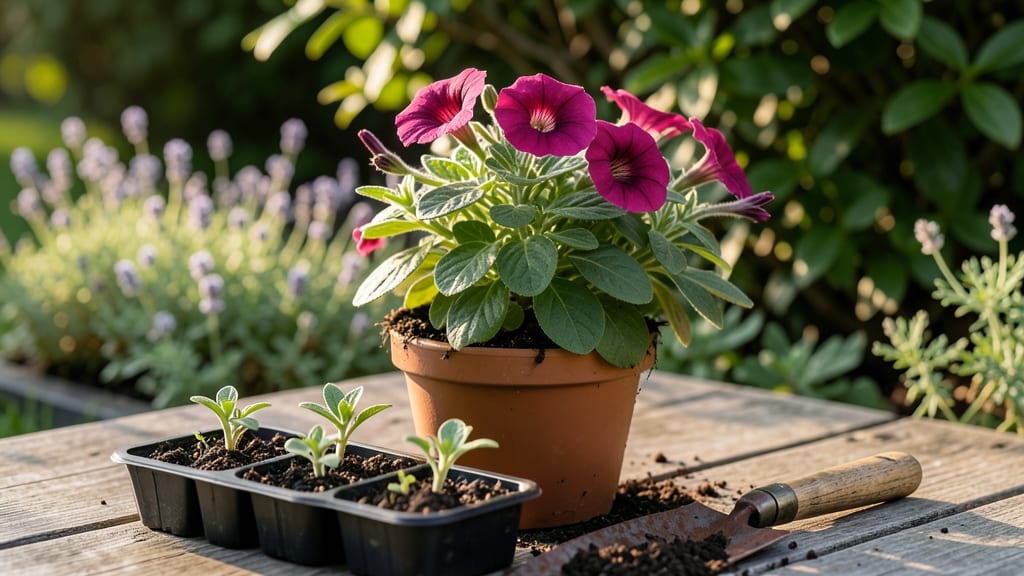
Here are some flower gardening tips for beginners to ease your way—focus on low-maintenance plants and a few easy habits, and you’ll soon enjoy a garden bursting with color every year. 🌸 I’ve turned my own shaky first attempts into a garden that blooms reliably every season, and I’ll show you how. you how to skip the guesswork.
The key is choosing flowers that forgive mistakes, like marigolds or zinnias, and giving them the three things they need most: sunlight, water, and good soil.
You’ll need just a handful of basic tools: gloves, a small trowel, and a watering can. Most importantly, pick a spot with at least 6 hours of sunlight—that’s the single biggest factor in whether your flowers thrive.
Once you’ve got that, focus on watering deeply but infrequently (about 1 inch per week) rather than light sprinkles every day. This keeps roots strong and prevents common beginner mistakes like wilting or fungal diseases.
Within just 6-8 weeks, you’ll see your first blooms—bright, healthy, and full of life. The best part? Once you master these basics, you can expand to more challenging flowers without fear.
I’ll walk you through the exact steps to avoid the pitfalls I faced, so you can enjoy a garden that looks like it’s been there for years, not just a few months.
This approach works for containers, raised beds, or in-ground plots, and I’ll share how to adapt for different climates. Let’s get your garden blooming with confidence—no green thumb required!
📚 In This Guide
- What you need
- Instructions
- Tips and common mistakes
- Wrapping up and next steps
What you need
- ● Garden soil or potting mix: 1–2 bags (10–20 lbs each), depending on container size. Opt for well-draining mixes like miracle-gro potting soil or cactus/succulent mix for drought-loving flowers.
- ● Containers or garden beds: For containers: 1–5 pots (5–15 gallons), with drainage holes. Materials: terracotta, plastic, or fabric grow bags.
- ● For in-ground gardens: A 6x6 ft plot (or smaller) with loose, fertile soil. Test soil pH (ideal: 6.0–7.0 for most flowers).
- ● Seeds or seedlings: Beginner-friendly picks: marigolds, sunflowers, zinnias, or petunias (fast-growing, low-maintenance).
- ● Quantity: 3–5 plants per container or 1 seed per hole (follow packet instructions).
- ● Watering can or hose with nozzle: A 1-gallon can with a gentle spray setting to avoid disturbing soil.
- ● Gloves: 1 pair of gardening gloves (nitrile or leather) to protect hands from thorns and dirt.
- ● Hand trowel: A 5-inch stainless steel trowel for digging and transplanting.
- ● Fertilizer: A balanced, slow-release granular fertilizer (e.g., 10-10-10 NPK ratio) or liquid seaweed extract for a natural boost.
- ● Mulch: 2–3 inches of shredded bark or straw to retain moisture and suppress weeds.
- ● Pruners: Bypass pruners for trimming dead blooms or shaping plants.
- ● Support stakes: 3–4 bamboo stakes or tomato cages for taller flowers like sunflowers.
- ● Soil moisture meter: A digital probe to check water levels (especially for beginners!).
- ● Sunlight tracker: A simple app or timer to monitor light exposure (e.g., 6+ hours/day for most flowers).
How to start a beginner-friendly flower garden
Here's the simple, stress-free approach I use with new gardeners every season.
🌱 Step 1: Choose the Right Location for Your Flowers
Pick a spot that gets at least 6 hours of sunlight daily—most annuals and perennials need this minimum. Observe your yard: if the area stays dry and hot, focus on drought-tolerant flowers like lavender or black-eyed Susans. If it's shady, opt for impatiens or hostas instead.
Here's the thing—flowers hate soggy roots. Avoid low spots where water pools after rain. Test your spot by digging a small hole: if water fills it within an hour, improve drainage by amending the soil with compost or building a raised bed.
🪴 Step 2: Prepare the Soil for Healthy Growth
Loosen the top 6-8 inches of soil with a garden fork or tiller. Break up any compacted areas so roots can spread easily. I like to add 2-3 inches of compost to the top layer—this improves drainage while feeding plants naturally over time.
Don't skip this step if your soil feels heavy or clay-like. Amending it now prevents root rot later. For containers, use a quality potting mix instead of garden soil—it drains better and holds nutrients longer.
☀️ Step 3: Select Easy-Care Flowers for Your First Season
Start with 4-6 varieties that match your light conditions. Marigolds, zinnias, and sunflowers are foolproof for beginners—they bloom fast and handle mistakes well. For shade, try sweet alyssum or lobelia.
I always check the plant tags for height at maturity. Place taller flowers (like sunflowers) at the back of beds and shorter ones (like pansies) in front. This creates a layered look right away without needing fancy planning.
💧 Step 4: Plant and Water Properly for Instant Success
Dig holes twice as wide as the root ball but only as deep. Gently remove plants from their pots and place them in the holes, filling gaps with soil. Water deeply right after planting—this helps roots settle into their new home.
Water once daily for the first week, keeping the soil 1-2 inches deep moist. After that, water every 2-3 days unless it rains. You'll know you're doing it right when the soil feels damp but not soggy when you check with your finger.
✂️ Step 5: Maintain with Simple Care Routines
Deadhead spent blooms regularly by pinching off faded flowers with your fingers. This encourages more blooms and keeps plants looking tidy. I do this every 2-3 days during peak flowering seasons.
Fertilize lightly once a month with a balanced 10-10-10 formula. Too much fertilizer makes plants leafy but flowerless—stick to the recommended dosage on the package. Watch for pests like aphids and treat with soapy water if needed.
Tips & tricks for perfect flower gardening
Took me years to figure out these small details that make all the difference between a garden that thrives and one that just... survives.
Sunlight Secret: That 6-hour minimum of sunlight in Step 1 is non-negotiable for most flowers, but here's what nobody tells you—morning sun is gentler than afternoon heat. If you're in a hot climate, place sun-loving plants where they get afternoon shade naturally. I learned this the hard way after my marigolds wilted under relentless afternoon rays.
Soil Prep Game-Changer: When loosening those top 6-8 inches of soil in Step 2, don't just stab randomly with your fork. Work the compost into the soil like you're mixing a cake batter—this creates air pockets that roots love. For heavy clay soil, mix in a 50/50 blend of compost and sand to improve drainage without overdoing it.
Plant Placement Pro Tip: In Step 3, when arranging your 4-6 varieties, think vertically. Taller plants like sunflowers should be at the back, but don't forget to leave space for them to grow! I always mark their final height on my garden stakes before planting to avoid future crowding headaches.
Watering Wisdom: The once-daily watering for that first week in Step 4 is crucial, but timing matters just as much. Water in the early morning so leaves have time to dry before evening. This simple habit prevents fungal diseases that can kill your plants before they even bloom. I set a reminder on my phone for 7 AM watering—it's become my garden's lifeline.
Pro Tips for Flower Gardening Tips For Beginners
- Took me years to figure out these small details that make all the difference between a garden that thrives and one that just... survives.
- Sunlight Secret: That 6-hour minimum of sunlight in Step 1 is non-negotiable for most flowers, but here's what nobody tells you—morning sun is gentler than afternoon heat.
- Soil Prep Game-Changer: When loosening those top 6-8 inches of soil in Step 2, don't just stab randomly with your fork.
Frequently asked questions
Got questions? You’re not alone—flower gardening can feel overwhelming at first! Here are answers to the most common beginner queries to keep your green thumb journey smooth and stress-free.
What’s the best time of year to start a flower garden?
The ideal time depends on your climate, but spring (after the last frost) is the safest bet for most regions. For warm-season flowers (like marigolds or zinnias), wait until soil temps hit 60°F+. Pro tip: Check your local frost dates—planting too early can shock young plants!
How often should I water my flowers?
Newly planted flowers need 1–1.5 inches of water per week (including rain). Water deeply 2–3 times per week in dry spells, focusing on the soil—not the leaves—to prevent disease. Morning watering is best; it reduces evaporation and fungal risks.
Why are my flowers wilting or dying, even with good care?
Wilting can signal overwatering, underwatering, pests, or disease. Check the soil moisture first—if it’s soggy, improve drainage. Look for yellow leaves (nutrient issues), holes (pests), or mold (fungus). Isolate affected plants and treat with neem oil or fungicide if needed.
Can I grow flowers in containers if I don’t have a yard?
Containers work great for annuals, herbs, and compact perennials (like petunias or pansies). Use pots with drainage holes, well-draining soil, and 6+ inches of depth for most flowers. Place containers in sunny spots (6+ hours of light) and fertilize every 2–4 weeks.
What are the easiest flowers for beginners to grow?
Start with low-maintenance winners like:
- Marigolds – Pest-repellent and drought-tolerant.
- Zinnias – Bloom nonstop with minimal care.
- Sunflowers – Fast-growing and cheerful.
- Pansies – Cold-hardy and long-lasting.
- Lantana – Thrives in heat and attracts butterflies.
Wrapping up and next steps
You’ve got everything you need to start your flower gardening journey with confidence! 🌸 Remember, the key to success is patience, preparation, and a little love—your garden will reward you with vibrant blooms in no time.
Now that you’re armed with tips on soil, sunlight, and care, why not take the next step?
Start small—whether it’s a single pot of petunias or a patch of sunflowers. Observe, learn, and adjust as you go. Happy gardening, and may your blooms bring joy (and maybe even some buzzing pollinator friends!) to your space. 🐝