
Planting
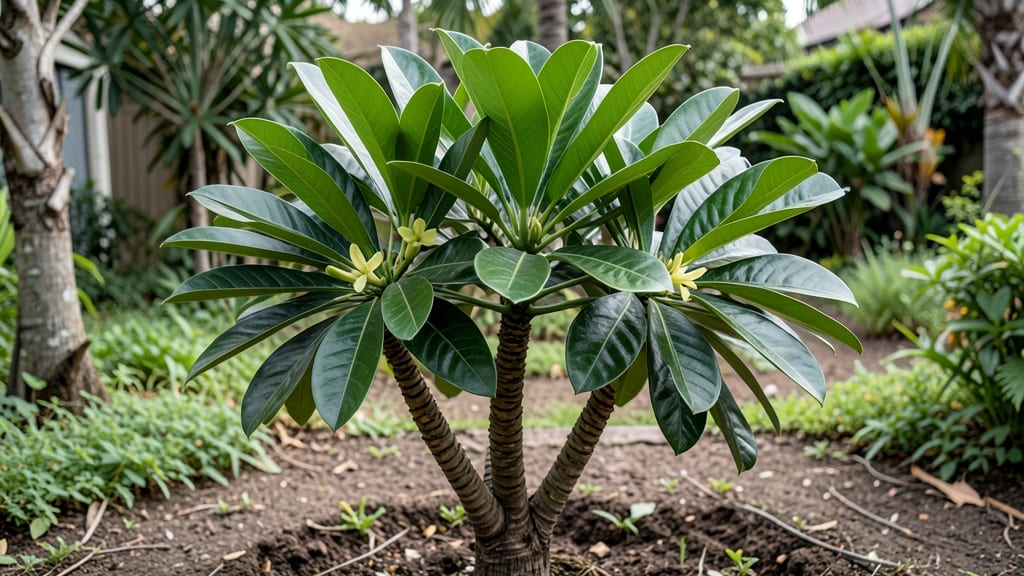
A flowering money tree plant thrives with just three simple trims a year—no green thumb required. 🌿 I learned this the hard way after letting mine grow into a tangled mess before realizing how easy it is to keep those glossy leaves and occasional pink blooms coming.
The secret lies in understanding its natural shape and giving it just the right encouragement.
This tropical beauty adapts to indoor spaces or shaded outdoor spots, making it perfect for apartments, offices, or sun-drenched patios. You’ll need well-draining soil, bright indirect light, and a watering routine that keeps the roots happy without drowning them.
The three trims I’ll show you aren’t just for shaping—they’re what trigger those stunning bursts of color and keep the plant compact.
By the end of the year, you’ll have a lush, bushy tree with vibrant foliage and maybe even a few delicate pink flowers. The best part? It forgives mistakes—even if you skip a trim, it’ll bounce back.
Your money tree will become the showstopper of any room, and the care routine takes less than five minutes a month.
Whether you’re dealing with slow growth, yellowing leaves, or just want to keep it thriving, these tips cover everything. Let’s get your Pachira aquatica looking its best with minimal effort and maximum impact.
📚 In This Guide
- What you need
- Instructions
- Tips and common mistakes
- Wrapping up and next steps
What you need
- ● Flowering Money Tree Plant (Pachira aquatica) – A healthy seedling, cutting, or mature plant (ensure it’s disease-free!)
- ● Well-draining potting mix – 1 gallon (or size of your pot) of a blend like cactus/succulent mix + perlite (ratio: 2:1)
- ● Pot with drainage holes – 6–8 inches in diameter (terracotta or ceramic preferred)
- ● Watering can with a narrow spout – For precise hydration (avoid overwatering!)
- ● Pruning shears – Sharp, clean pair (sterilize with rubbing alcohol)
- ○ Rooting hormone (optional but helpful) – For cuttings (gel or powder form)
- ● Gloves – To protect hands from soil and sap
- ● Spray bottle – For misting leaves (especially in dry climates)
- ● Fertilizer (balanced, 10-10-10 or organic) – Diluted to half-strength for feeding
- ● Peat moss or coconut coir – For propagation or repotting (1 cup)
- ○ Decorative stones or mulch – Optional, for aesthetic pots (e.g., pebbles or bark chips)
- ● Bright, indirect light (east or west-facing window; avoid harsh sun)
- ● Warmth (65–80°F) – Keep away from drafts or AC vents
- ● Patience! – Flowering money trees grow 1–2 feet per year but thrive with care.
How to maintain a flowering money tree plant for year-round beauty
Here’s the easy routine I use to keep my money tree lush and blooming—no green thumb required!
🌱 Step 1: Choose the Right Spot for Light and Growth
Place your money tree near an east- or west-facing window where it gets bright, indirect light for 6-8 hours daily. Direct midday sun can scorch the leaves, so avoid south-facing windows unless filtered through sheer curtains. You’ll notice the leaves staying a vibrant green—any yellowing means it’s getting too much sun.
If natural light is limited, supplement with a grow light positioned 12-18 inches away for 12-14 hours daily. The key is consistency—money trees thrive on routine. Rotate the pot a quarter turn weekly so the plant grows evenly. You’ll see new growth pushing toward the light, telling you it’s happy.
💧 Step 2: Water When the Soil Feels Dry to the Touch
Water your money tree once every 1-2 weeks, but only when the top 1-2 inches of soil feel dry. Stick your finger in the soil—if it’s damp, wait a few more days. Overwatering is the #1 killer of money trees, so I always check before watering. When you water, do it thoroughly until water drains from the bottom, then empty the saucer to prevent root rot.
Here’s the thing—money trees store water in their thick stems, so they’re drought-tolerant. If you forget to water, the leaves might droop, but they’ll bounce back once you water deeply. Just don’t let the soil stay soggy for more than a day. You’ll know you’re doing it right when the soil feels lightly moist but not wet.
✂️ Step 3: Trim for Shape and Encourage Blooms
Trim your money tree once every 3-4 months to maintain its shape and encourage bushier growth. Use clean, sharp pruning shears to snip just above a leaf node (the bump where leaves grow). This simple cut signals the plant to branch out, giving you that lush, full look. I like to trim after the plant has grown 4-6 inches—that’s when it’s ready for a little shaping.
For blooms, give your money tree a light trim in early spring to promote new growth. Money trees flower best when they’re slightly root-bound, so if you haven’t repotted in a year, a gentle trim can trigger blooming. Watch for tiny flower buds forming in the leaf axils—that’s your reward for keeping up with the trims!
☀️ Step 4: Fertilize Lightly During Growing Season
Feed your money tree with a balanced liquid fertilizer (like 10-10-10) once every 4-6 weeks during spring and summer. Dilute it to half-strength to avoid burning the roots. You’ll see the difference in shinier leaves and faster growth within a few weeks. In fall and winter, skip the fertilizer—your money tree is in its resting phase and doesn’t need extra nutrients.
I always fertilize right after watering so the roots can absorb the nutrients without shock. If you notice brown tips on the leaves, that’s a sign you’re overdoing it—cut back to once every 8 weeks until the tips recover. The goal is to keep the plant healthy, not push it too hard.
Tips & tricks for perfect flowering money tree care
Keeping your money tree blooming all year takes just a few simple tweaks—here's how to make it effortless!
Lighting Consistency: The 6-8 hours of bright, indirect light in Step 1 is crucial, but here's the trick: if you notice leaves stretching toward the window, it's reaching for more light. This means your current spot isn't quite right—try moving it 2-3 inches closer to the window. For grow lights, position them just above the plant's height to ensure even coverage across all leaves.
Watering Wisdom: When checking the top 1-2 inches of soil in Step 2, pay attention to the weight of the pot. A dry pot feels noticeably lighter than one that's been watered. Also, use room-temperature water—cold water can shock the roots. I've found that watering in the morning gives the plant time to absorb moisture before evening, preventing soggy soil.
Trimming Technique: For Step 3, when you're trimming to encourage blooms, look for the leaf nodes—the small bumps where leaves grow. Cutting just above these nodes encourages new growth from exactly where you want it. Pro tip: Save your trimmings! Place them in water for a few days—they'll root and become new plants. This is how I've propagated three additional money trees from my original plant!
Fertilizer Timing: The 4-6 week feeding schedule in Step 4 works perfectly, but here's what nobody tells you—if you notice new growth slowing down, it might be time to fertilize sooner. Also, always shake the fertilizer bottle well before using, as nutrients settle at the bottom. I've ruined a batch of fertilizer by forgetting this step twice—don't make my mistake!
Pro Tips for Flowering Money Tree Plant
- Keeping your money tree blooming all year takes just a few simple tweaks—here's how to make it effortless!
- Lighting Consistency: The 6-8 hours of bright, indirect light in Step 1 is crucial, but here's the trick: if you notice leaves stretching toward the window, it's reaching for more light.
- Watering Wisdom: When checking the top 1-2 inches of soil in Step 2, pay attention to the weight of the pot.
Frequently asked questions
Got questions about your flowering money tree plant? You're not alone! Here are some of the most common queries—plus quick, practical answers to keep your plant thriving year-round.
How often should I trim my flowering money tree?
Trim your flowering money tree every 3-6 months to encourage bushier growth and more blooms. Focus on shaping in spring/summer (active growth) and light pruning in fall/winter to remove dead or overgrown branches. Pro tip: Use clean, sharp shears and sterilize them with rubbing alcohol to prevent disease!
Why isn’t my money tree flowering?
Flowering money trees (like Pachira aquatica) often need bright, indirect light and consistent care to bloom. If yours isn’t flowering, check for:
- Low light (move it near a sunny window)
- Overwatering (let soil dry slightly between waterings)
- Lack of nutrients (fertilize lightly in spring/summer)
Can I grow a flowering money tree outdoors?
Yes! These tropical plants thrive outdoors in USDA Zones 10-12 (or as a summer patio plant in cooler climates). Just protect it from:
- Frost (bring it indoors below 50°F)
- Direct sun (opt for morning sun + afternoon shade)
- Strong winds (place it in a sheltered spot)
What do brown leaves mean?
Brown leaves usually signal underwatering, overwatering, or low humidity. Check the soil—if it’s bone-dry, water thoroughly; if soggy, let it dry out. Boost humidity by misting leaves or placing the pot on a pebble tray. Yellowing leaves often mean overwatering, while crispy edges suggest low humidity. Adjust care and monitor for improvement!
Is a flowering money tree hard to care for?
Not at all! These plants are low-maintenance if you meet their basic needs:
- Well-draining soil
- Moderate water (never soggy)
- Bright, indirect light
- Occasional trims
Wrapping up and next steps
The flowering money tree plant is a stunning, low-maintenance addition to any home—bringing vibrant blooms and good luck year-round with just three simple trims. Whether you’re a seasoned gardener or a beginner, its resilience and beauty make it a perfect choice for brightening up your space.
Now that you’ve got the tools and tips, why not give it a try? Start by selecting your plant, gather your supplies, and follow the easy trimming steps to keep it thriving! 🌿✨