
Flowers
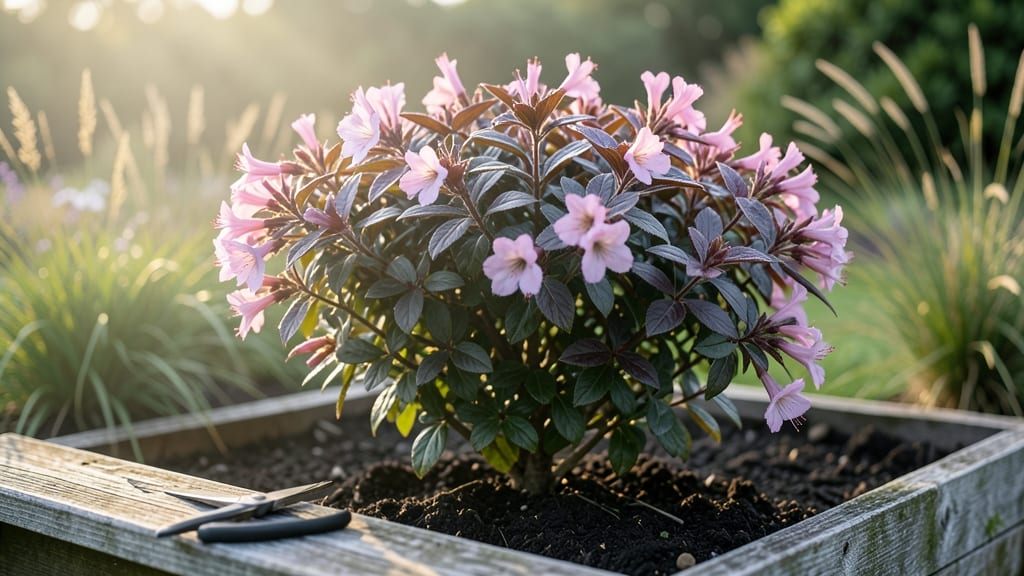
That bush with purple leaves and pink flowers isn’t just a pretty face—it’s the Pacific Northwest’s secret weapon for year-round color. 🌿 I’ve seen it thrive through our damp winters, its deep foliage holding up even when other plants sag under the rain.
The key lies in choosing the right varieties, like Weigela or Abelia, that handle our cool, moist climate without fuss.
These plants shine in borders, containers, or mixed beds where their velvety purple leaves contrast beautifully with silver foliage or white blooms. They’re low-maintenance but high-impact, offering pink flowers from spring to fall—perfect for adding drama without the upkeep of finicky annuals.
Pair them with evergreens for winter structure, and you’ve got a showstopper that never quits.
What makes them truly special is their resilience: frost-tolerant, deer-resistant, and happy in partial shade. You’ll spend less time worrying and more time admiring how they anchor your garden’s color palette.
The secret? Plant them where they’ll get morning sun and afternoon shade—ideal for our cloudy skies—and watch them reward you with effortless beauty.
For extra pop, try clumping them with silver-blue foliage like lamb’s ear or bright yellow blooms like black-eyed Susans. The contrast makes their pink flowers pop even more, creating a layered look that feels both wild and intentional.
Once established, they’ll thrive with minimal care—just a little pruning in late winter to keep them tidy.
📚 In This Guide
- What you need
- Instructions
- Tips and common mistakes
- Wrapping up and next steps
What you need
- ● Pacific Northwest-friendly shrub: Choose a Callicarpa bodinieri (Beautyberry) or Weigela florida (Pink Weigela) for vibrant purple foliage and pink blooms.
- ● Potting soil: 1–2 bags of well-draining, acidic soil mix (pH 5.5–6.5). Look for a blend labeled for acid-loving plants.
- ● Fertilizer: A balanced, slow-release granular fertilizer (10-10-10 ratio) or organic compost (e.g., worm castings).
- ● Mulch: 1–2 bags of pine bark or wood chips to retain moisture and protect roots in winter.
- ● Garden trowel or spade (for planting and transplanting).
- ● Pruning shears (sterilized with rubbing alcohol).
- ● Watering can or hose with a gentle spray nozzle (avoid overhead watering to prevent fungal issues).
- ● Gloves (to protect hands from thorns or rough stems).
- ○ Optional: A soil pH test kit (to ensure optimal growing conditions).
- ● Sunlight: A partial shade to full sun location (6+ hours of sunlight daily for best blooms).
- ● Climate: USDA Hardiness Zones 5–8 (perfect for the Pacific Northwest’s mild winters!).
- ● Space: At least 3–5 feet of width (depending on shrub variety) and 4–6 feet of height at maturity.
- ● Water source: Consistent access to water for the first 2–3 weeks post-planting.
Step-by-Step instructions for cultivating Pacific Northwest frost-resilient pink-flowering shrubs
Here’s how to establish these showstopping shrubs with deep purple foliage and delicate pink blooms.
🌱 Step 1: Select the Perfect Planting Site
Choose a location with partial shade to full sun—these shrubs thrive in the Pacific Northwest’s mild climate but avoid harsh afternoon sun that can scorch leaves. Test the spot by observing how long shade lingers: 4-6 hours of morning sun is ideal. The soil should drain well, but don’t worry if it’s naturally moist; these plants handle occasional wetness better than many shrubs.
Dig a hole twice as wide as the root ball but only as deep. Loosen the sides of the hole with a shovel to encourage root spread. If your soil is heavy clay, mix in 2-3 inches of compost from the ingredients list to improve aeration. The goal is to mimic the natural forest floor conditions these shrubs prefer.
🪴 Step 2: Plant with Care for Long-Term Stability
Remove the shrub from its container and gently tease apart any circling roots—this prevents girdling as the plant matures. Place it in the hole so the top of the root ball sits flush with the surrounding soil level. Press the soil firmly around the roots to eliminate air pockets, but don’t compact it like you would for vegetables.
Water deeply right after planting to settle the soil and encourage root contact. You’ll know it’s enough when water drains freely from the hole’s bottom. Mulch with 3 inches of organic mulch (like shredded bark) around the base, keeping it 3 inches away from the stem to prevent rot. This mimics the forest floor and protects against winter frost.
☀️ Step 3: Maintain Through the Growing Season
Water once a week during the first growing season, aiming for 1-1.5 inches of water per week. Check soil moisture by sticking your finger 2 inches deep—if it’s dry, water again. These shrubs are drought-tolerant once established, but young plants need consistent moisture to develop strong roots. Avoid overhead watering to prevent fungal issues.
Fertilize lightly in early spring with a balanced, slow-release fertilizer (like 10-10-10) to support new growth. Apply it 6 inches away from the stem and water it in immediately. You’ll see new leaves emerge within 3-4 weeks—that’s your signal everything is working. Deadhead spent blooms in late summer to encourage a second flush of pink flowers.
⏰ Step 4: Prepare for Winter and Frost
In late fall, apply a 2-inch layer of mulch over the root zone to insulate against Pacific Northwest frosts. These shrubs are hardy, but extra protection ensures vibrant purple foliage returns next spring. Prune lightly in early spring to shape the bush, cutting back any dead or crossing branches. Never prune after mid-summer—you’ll risk removing next year’s flower buds.
Watch for aphids or spider mites on new growth, especially in dry summers. A strong spray of water usually dislodges them, but severe infestations may require neem oil. The key is to intervene early—once the shrub matures, pests rarely become an issue. With proper care, your bush will reward you with years of stunning color and resilience.
Tips & tricks for perfect Pacific Northwest frost-resilient shrubs
These hardy shrubs thrive with the right care—here’s how to maximize their stunning purple foliage and delicate pink blooms.
Site Selection Wisdom: When choosing your spot, prioritize morning sun exposure (4-6 hours) while avoiding harsh afternoon rays, which can scorch the leaves. I’ve found that east-facing locations work beautifully in the Pacific Northwest’s climate. If your yard has limited sun, consider a container garden where you can move the plant to catch morning light.
Root Care Technique: In Step 2, gently teasing apart circling roots prevents girdling—a common issue that strangles growth. Use your fingers to loosen roots without damaging them. For heavy clay soil, mix in that 2-3 inches of compost right in the hole—this mimics the natural forest floor conditions these shrubs adore and improves aeration dramatically.
Watering Strategy: The once-weekly watering guideline (1-1.5 inches) is perfect, but check soil moisture at 2 inches deep—this is where roots actively grow. In summer’s dry spells, you might need to water every 5-6 days. Always water at the base rather than overhead to prevent fungal issues that can dull those vibrant purple leaves.
Seasonal Maintenance Insight: That 3-4 week window for new leaf emergence after spring fertilization is your green light to adjust care. If leaves appear pale, apply a second light feeding in early summer. And remember: deadheading spent blooms in late summer triggers that second flush of pink flowers—it’s like giving your plant a little nudge to keep performing all season.
Pro Tips for Bush Purple Leaves Pink Flowers
- These hardy shrubs thrive with the right care—here’s how to maximize their stunning purple foliage and delicate pink blooms.
- Site Selection Wisdom: When choosing your spot, prioritize morning sun exposure (4-6 hours) while avoiding harsh afternoon rays, which can scorch the leaves.
- Root Care Technique: In Step 2, gently teasing apart circling roots prevents girdling—a common issue that strangles growth.
Frequently asked questions
Got questions about growing or caring for bushes with purple leaves and pink flowers? You’re not alone! Here are some of the most common queries—plus expert answers to help you nurture these stunning PNW plants with confidence.
What’s the best bush for purple leaves and pink flowers in cold climates?
The Weigela florida ‘Wine and Roses’ is a top pick! This frost-resistant shrub thrives in the Pacific Northwest, boasting deep purple foliage and clusters of soft pink blooms. For extra hardiness, consider Spiraea japonica ‘Little Princess’—its compact size and cold tolerance make it a favorite for zones 5-8.
When do these bushes bloom, and how long does it last?
Pink-flowering bushes typically bloom in late spring to early summer (May–June in the PNW). Varieties like Weigela may rebloom lightly in fall with proper care. Blooms last 3–6 weeks, but deadheading spent flowers can encourage a second flush. Pro tip: Prune after blooming to maintain shape and health!
How cold can these bushes handle?
Most purple-leaved, pink-flowering bushes tolerate down to -20°F (-29°C) once established. Young plants may need winter protection (mulch or burlap wraps) in their first year. Weigela and Spiraea are among the toughest, making them ideal for the PNW’s rainy, chilly winters.
Can I grow these in containers? If so, what size pot do I need?
Compact varieties like Spiraea japonica ‘Little Princess’ thrive in 15–20 gallon containers with well-draining soil. Ensure pots have drainage holes and use a balanced fertilizer (10-10-10) every 4–6 weeks during growing season. Pro tip: Move containers to a sheltered spot in winter to shield from freezing temps.
What pests should I watch for, and how do I treat them?
Common pests include aphids, spider mites, and scale insects. Treat mild infestations with a soapy water spray (1 tsp mild dish soap + 1 quart water). For severe cases, use neem oil or insecticidal soap. Prevention tip: Prune regularly to improve airflow and reduce hiding spots for pests!
What if my bush’s leaves turn yellow or drop early?
Yellowing leaves often signal overwatering, nutrient deficiency, or root rot. Check soil moisture (it should be evenly damp, not soggy) and adjust watering. A balanced fertilizer in spring can revive growth. If roots smell rotten, repot or trim affected areas and improve drainage.
Wrapping up and next steps
Transforming your Pacific Northwest garden with bushes boasting purple leaves and pink flowers is a rewarding way to embrace nature’s resilience and beauty. These frost-hardy stunners not only thrive in cooler climates but also bring year-round interest with their striking foliage and vibrant blooms.
Whether you’re a seasoned gardener or just starting out, planting one today could be the first step toward a stunning, low-maintenance landscape.
🌿 Next steps:
- Pick your favorite variety (like Weigela or Abelia) and check local nurseries for availability.
- Grab your gardening gloves and review the essentials—soil, sunlight, and tools—to get started!