
Flowers
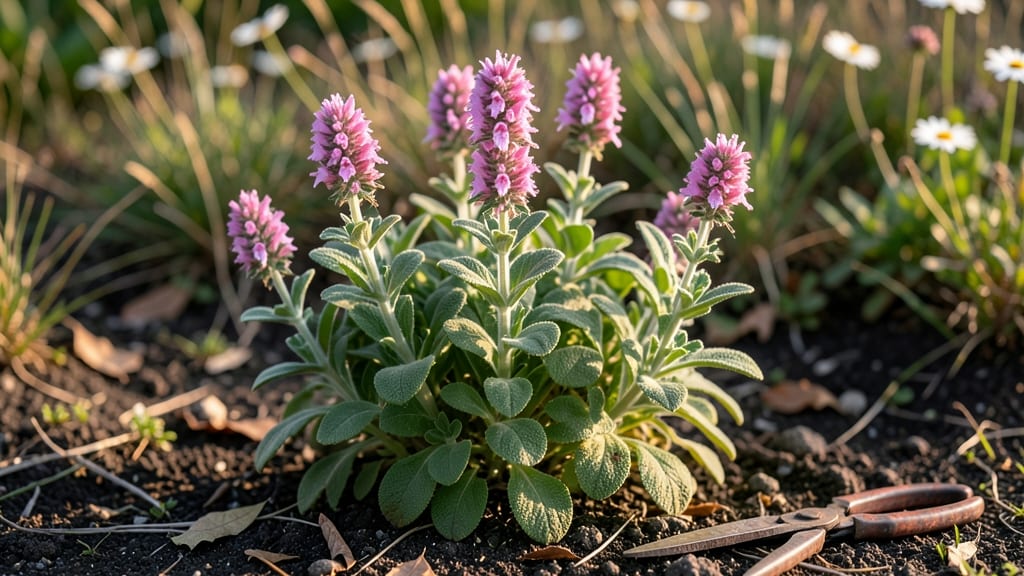
Growing flowering oregano means having a fragrant, blooming plant that thrives with almost no effort. I’ve had mine spilling over pots for years—its tiny purple flowers and piney scent make it the perfect dual-purpose plant for kitchen windows and garden borders.
The secret lies in its love of sun, well-draining soil, and a hands-off approach that even busy gardeners can master.
You’ll need just a few things: a sunny spot (at least 6 hours of direct light daily), a container with drainage or loose garden soil, and occasional pruning to keep it bushy.
Oregano’s drought tolerance makes it ideal for forgetful gardeners—water only when the top inch of soil feels dry, and you’ll avoid the most common pitfall of overwatering. The right conditions turn this hardy herb into a year-round performer, blooming lightly in spring and summer.
What you’ll get is a plant that rewards minimal care with lush foliage and delicate blooms—perfect for garnishes, attracting pollinators, or simply filling your space with that classic oregano aroma.
The flowers may be small, but they’re a magnet for bees and butterflies, turning your plant into a mini ecosystem. Plus, the leaves stay flavorful and aromatic long after store-bought herbs wilt.
Whether you’re growing it in a pot on your patio or tucked into a sunny herb bed, flowering oregano adapts effortlessly. The key is keeping it pruned lightly after blooms fade to encourage more growth. Ready to grow one that works as hard as it smells?
📚 In This Guide
- What you need
- Instructions
- Tips and common mistakes
- Wrapping up and next steps
What you need
- ● Flowering oregano plant: Start with a healthy nursery-grown Origanum vulgare (Italian oregano) or seeds (if you’re patient!).
- ● Containers: 1–2 pots (6–12 inches wide) with drainage holes, or a garden bed in full sun (6+ hours/day).
- ● Well-draining potting mix: 2–3 bags of cactus/succulent mix or regular soil amended with perlite/sand (50/50 ratio).
- ● Watering can or spray bottle: For gentle hydration—avoid soggy roots!
- ○ Fertilizer (optional but helpful): Balanced liquid fertilizer (10-10-10) or organic options like fish emulsion (diluted to half-strength).
- ● Pruning shears: Sharp, clean pair for trimming blooms or shaping the plant.
- ○ Gloves (optional): Protect your hands from prickly stems or sap.
- ○ Mulch (optional): Straw or wood chips to retain moisture and deter weeds.
- ○ Sunlight meter (optional): Ensure your spot gets 6+ hours of direct sun—oregano thrives in warmth!
How to cultivate a thriving flowering oregano plant
This hardy perennial rewards patience with fragrant foliage and delicate blooms—once you nail these key steps.
🌱 Step 1: Choose the Right Variety and Planting Site
Select a hardy oregano variety like 'Greek' or 'Hot and Spicy'—these types produce the most abundant flowers. Oregano thrives in full sun (at least 6-8 hours daily), but in hot climates, afternoon shade prevents leaf scorch. The soil should drain rapidly—amend heavy clay with 1-2 inches of coarse sand or perlite to prevent root rot.
Here's the thing—oregano hates soggy feet. Before planting, dig a hole twice as wide as the root ball but only as deep as the container it came in. Press the soil firmly around the roots to eliminate air pockets, then water deeply until moisture reaches 6 inches below the surface. You'll know it's right when excess water drains freely from the bottom of the hole.
☀️ Step 2: Maintain Ideal Growing Conditions
Water deeply once a week during the first growing season, allowing the top 2-3 inches of soil to dry completely between waterings. Once established, oregano becomes drought-tolerant—overwatering is the fastest way to kill it. I check soil moisture by inserting a finger 1 inch deep; if it feels dry, that's your cue to water.
Fertilize lightly in early spring with a balanced 10-10-10 granular fertilizer (use ½ teaspoon per plant). Too much nitrogen produces leafy growth at the expense of flowers. After blooming, trim back flower spikes to encourage a second flush of blooms later in the season. The key is to never cut into old wood—always prune just above a set of leaves.
✂️ Step 3: Prune for Continuous Blooms and Fragrance
Prune after flowering to maintain shape and encourage bushier growth. Use clean, sharp pruners to cut back one-third of the plant's height, focusing on leggy stems and crossing branches. This prevents the plant from becoming woody at the base. I like to shape mine into a low mound—it looks tidy and makes harvesting easier.
Real talk: The first year might be sparse, but by year two, your oregano will reward you with lavender-blue flower spikes that attract pollinators. Deadhead spent blooms regularly to redirect the plant's energy into new growth. If you notice yellowing leaves, it's often a sign of overwatering—adjust your schedule and let the soil dry out more between waterings.
🪴 Step 4: Overwinter for Year-Round Fragrance
Oregano is perennial in USDA zones 5-10, but it needs protection in colder climates. In fall, apply a 2-inch layer of mulch (like straw or shredded leaves) around the base to insulate roots. In zones 4 or colder, dig up potted plants and store them in a cool, dark garage with 40-50°F temperatures until spring.
Here's where it gets fun—even in winter, a potted oregano plant kept indoors will continue releasing its signature aroma. Just place it near a south-facing window (or under a grow light) and water sparingly every 3-4 weeks. You'll have fresh oregano for cooking year-round, plus those delicate blooms when spring arrives.
Tips & tricks for perfect flowering oregano plants
These simple strategies will help you cultivate a thriving oregano plant that blooms beautifully while maintaining that signature fragrance.
Soil Preparation: The key to preventing root rot starts with your soil mix. Beyond the 1-2 inches of coarse sand or perlite mentioned in Step 1, consider adding a handful of compost to the planting hole. This improves moisture retention without creating soggy conditions. I always mix in a small amount of gravel at the bottom of the hole to create a drainage layer—this ensures water flows away from the roots during those deep waterings.
Sunlight Strategy: While oregano thrives in full sun (6-8 hours daily), don't overlook the importance of morning sun in hot climates. Position your plant to receive the most intense afternoon shade if temperatures regularly exceed 90°F. I've found that a 50% shade cloth draped over the plant during peak afternoon heat prevents leaf scorch while still allowing plenty of light for flowering. This is especially helpful in zones 8-10 where summer heat can be intense.
Pruning Precision: When you're ready to prune after flowering (Step 3), focus on creating a natural shape rather than just cutting back one-third. I like to use the "thirds rule"—cut back one-third of the oldest growth, one-third of the leggiest stems, and one-third of any overcrowded branches. This approach maintains airflow while encouraging bushier growth. Always use clean pruners to prevent spreading disease, and never cut into old wood—this ensures new growth will form from healthy tissue.
Winter Care: For overwintering in colder zones (Step 4), consider adding a thin layer of burlap over the mulch for extra insulation. This creates an additional barrier against freezing temperatures while still allowing moisture to penetrate. If you're storing potted plants indoors, place them near a south-facing window but avoid direct heat sources like radiators, which can cause the soil to dry out too quickly. The 40-50°F range is ideal for dormancy—any warmer and you risk encouraging premature growth.
Pro Tips for Flowering Oregano Plant
- These simple strategies will help you cultivate a thriving oregano plant that blooms beautifully while maintaining that signature fragrance.
- Soil Preparation: The key to preventing root rot starts with your soil mix.
- Sunlight Strategy: While oregano thrives in full sun (6-8 hours daily), don't overlook the importance of morning sun in hot climates.
Frequently asked questions
Got questions about growing and enjoying your flowering oregano plant?
Here are some of the most common ones—plus answers to help you keep your fragrant, blooming herb thriving all year long!
How long does it take for oregano to flower?
Flowering oregano typically blooms within its first growing season (about 60–90 days after planting), especially if given full sun and well-draining soil. If you’re growing it from seed, expect flowers slightly later (around 3–4 months). Pruning spent blooms encourages more flowers and lush foliage!
Can I grow flowering oregano indoors?
Yes, but with a few key tweaks! Place it near a south-facing window or under grow lights (12–16 hours/day). Use a terracotta pot (to prevent root rot) and ensure good airflow. Just avoid drafts—oregano hates humidity and may drop blooms if stressed.
Why isn’t my oregano flowering?
Common culprits include:
- Too much shade: Oregano needs 6+ hours of direct sun daily to trigger blooms.
- Over-fertilizing: Rich soil promotes leafy growth but stunts flowers. Use low-nitrogen fertilizer or none at all.
- Old or leggy plants: Revive them with a hard prune in spring.
Are flowering oregano blooms edible?
The tiny purple or white flowers are mild, slightly sweet, and edible. Toss them into salads, garnish dishes, or dry them with the leaves for a floral oregano blend. Just avoid overharvesting—let some blooms stay to support pollinators like bees!
How do I overwinter flowering oregano?
In cold climates, move potted oregano indoors before frost (or mulch heavily if planted in the ground). Reduce watering in winter—let the soil dry slightly between waterings. Prune lightly in early spring to stimulate fresh growth. With proper care, your plant will bloom again come summer!
Wrapping up and next steps
Growing a flowering oregano plant is a rewarding way to enjoy year-round fragrance, beauty, and even culinary benefits with minimal effort! With the right sunlight, soil, and occasional care, you’ll have a thriving, aromatic plant that attracts pollinators and adds charm to your garden or kitchen. 🌿
Now that you’re armed with tips and answers to common questions, why not take the next step? Grab your supplies, find a sunny spot, and start your oregano adventure today—your garden (and taste buds!) will thank you.