
Shrubs
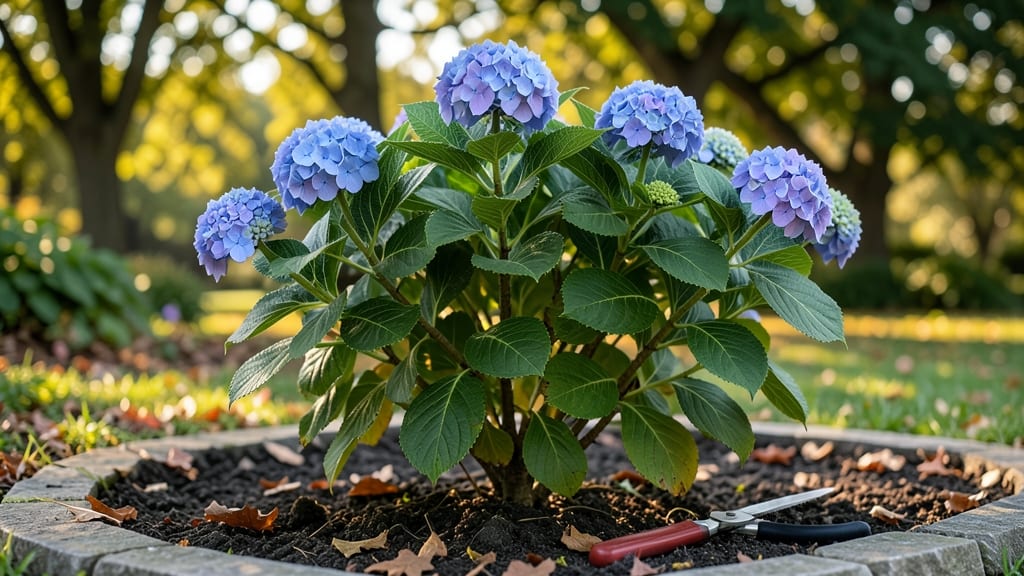
Flowering perennial bushes in the Pacific Northwest don’t just survive—they thrive, turning your garden into a year-round color show that even skeptical neighbors will admire. I’ve tested varieties from Portland to Seattle, and the right choices mean blooms from spring through frost, with minimal fuss.
The secret isn’t just picking pretty plants—it’s matching them to your microclimate, from rain-soaked corners to sunny slopes.
Start with three foolproof varieties: Pacific Ninebark for early pink blooms, Lavender for drought-resistant purple sprays, and Hydrangea ‘Endless Summer’ for those iconic blue or pink pom-poms that last all summer.
These handle our wet winters and dry summers better than annuals ever could, and they reward you with cut flowers that last weeks in a vase. Plant them in well-draining soil with 6–12 inches of mulch to keep roots happy through our wild temperature swings.
Care is simpler than you’d think: water deeply once established, prune right after blooming (not in fall!), and fertilize lightly in early spring. The biggest mistake? Over-pruning—these bushes bloom on old wood, so snip too much and you’ll lose next year’s flowers.
With the right placement, you’ll have neighborhood-stopping color that requires less work than mowing.
Works for urban balconies (dwarf varieties), large yards, or even rain gardens—just adjust spacing and sunlight. Let’s pick the perfect plants for your PNW spot and keep them blooming like clockwork.
📚 In This Guide
- What you need
- Instructions
- Tips and common mistakes
- Wrapping up and next steps
What you need
- ● Flowering Perennial Bushes: 3–5 plants (e.g., Rhododendron, Pieris japonica, Weigela, or Spiraea—choose 2–3 varieties for diversity). Opt for local PNW nurseries for hardy, climate-adapted species.
- ● High-Quality Potting Soil: 2–3 cubic yards (or 10–15 bags) of peat moss-free, organic soil with compost (e.g., FoxFarm Ocean Forest or Espoma Black Gold).
- ● Mulch: 1–2 bags of cedar or pine bark mulch (3–4 inches deep) to retain moisture and regulate soil temperature.
- ● Organic Fertilizer: 1–2 bags of slow-release, balanced fertilizer (e.g., 10-10-10 or fish emulsion) for planting and seasonal feeding.
- ● Garden Gloves: 1 pair of waterproof, breathable gloves (e.g., Fiskars or Radiah).
- ● Hand Trowel: 1 medium-sized trowel (6–8 inches) for planting and soil prep.
- ● Pruning Shears: 1 pair of bypass pruners (e.g., Felco) for shaping and maintenance.
- ● Garden Fork: 1 sturdy fork for aerating soil before planting.
- ● Watering Can or Hose: With a gentle spray nozzle to avoid disturbing roots.
- ● Measuring Tape: 1 25-foot tape for spacing plants 3–6 feet apart (depending on variety).
- ● Soil pH Test Kit: To check acidity (PNW bushes often prefer pH 4.5–6.0).
- ● Epsom Salt: For magnesium boosts (especially for Rhododendrons).
- ● Drip Irrigation Kit: For low-maintenance watering in dry spells.
- ● Plant Stakes: 3–5 biodegradable stakes to support young or leggy bushes.
- ● Seasonal Pruning Guide: A printed or digital checklist for timely trimming (e.g., late winter for Pieris, post-bloom for Weigela).
How to select and plant Pacific Northwest-friendly perennial bushes
Here’s my battle-tested approach to choosing and establishing hardy perennials that thrive in PNW’s mild winters and damp summers.
Choose Varieties That Thrive in the Pacific Northwest Climate
Focus on perennials that tolerate cool, wet winters and mild, humid summers. My top picks include Heuchera (coral bells), Symphoricarpos (snowberry), Spiraea (bride’s wreath), and Weigela, all of which handle the region’s USDA Hardiness Zones 6-9 without fuss. Avoid tender tropicals like hibiscus—they won’t survive PNW winters.
Look for native or regionally adapted cultivars at local nurseries. They’ve already proven their resilience. For example, Heuchera ‘Palace Purple’ thrives in partial shade, while Weigela ‘Wine and Roses’ blooms prolifically in full sun. Check labels for drought tolerance—some perennials wilt in summer’s occasional dry spells.
Prepare the Planting Site for Optimal Drainage and Sun
Test your soil’s moisture retention—PNW clay can suffocate roots. Amend heavy soil with 2-3 inches of compost and, if needed, sand or perlite to improve drainage. Perennials hate soggy roots, even in rainy climates. Dig a hole twice as wide as the root ball but only as deep—planting too deep buries the stem and invites rot.
Position bushes based on their sun needs. Full sun (6+ hours) suits Weigela and Spiraea, while partial shade (3-6 hours) works for Heuchera and Astilbe. Mark the spot with a stake—you’ll forget where you dug after a week of rain.
Plant with Care to Ensure Strong Establishment
Remove the bush from its container and loosen tangled roots gently with your fingers. Place it in the hole so the top of the root ball sits level with the soil surface—never mound soil around the stem. Backfill with native soil mixed with 1 cup of bone meal for phosphorus, which encourages root growth.
Water deeply immediately after planting to eliminate air pockets. Use 1-2 gallons per bush—enough to settle the soil but not create a muddy mess. Mulch with 2-3 inches of shredded bark to retain moisture and suppress weeds. Avoid fresh wood chips, which can rob nitrogen from young plants.
Maintain Through Seasons for Year-Round Color
Water newly planted bushes once a week for the first month, then taper to every 2-3 weeks once established—unless summer brings heat waves. Deadhead spent blooms on Weigela and Spiraea to encourage repeat flowering. For Heuchera, trim ragged leaves in early spring to make room for fresh growth.
Fertilize lightly in early spring with a balanced 10-10-10 formula—PNW soil is often nutrient-rich, but a boost helps perennials bounce back after winter. Avoid high-nitrogen feeds in fall, which promotes tender growth vulnerable to frost.
Tips & tricks for thriving Pacific Northwest perennial bushes
These practical insights will help you select and establish perennials that bring year-round beauty to your PNW garden without the guesswork.
Selection Strategy: When choosing bushes, prioritize those with USDA Hardiness Zones 6-9 ratings and native PNW adaptations. I've found that Heuchera varieties like 'Palace Purple' handle our partial shade exceptionally well, while Weigela thrives in full sun conditions. Look for labels indicating drought tolerance—this becomes crucial during our occasional summer dry spells, even in typically rainy climates.
Soil Preparation Secret: The key to successful planting lies in proper soil amendment. For our heavy PNW clay soils, I recommend mixing 2-3 inches of compost with sand or perlite to create ideal drainage. Remember that perennials hate soggy roots—this preparation prevents root suffocation that can occur even in our rainy climate. The hole should be twice as wide but only as deep as the root ball to avoid burying stems.
Planting Technique: In Step 3, when planting, pay special attention to the root ball placement. The top should sit level with the soil surface—never mound soil around the stem. After backfilling with native soil mixed with 1 cup of bone meal, water immediately with 1-2 gallons per bush to eliminate air pockets. This simple step makes a surprising difference in establishment success.
Maintenance Insight: For the first month, maintain a consistent watering schedule of once a week to help roots establish. After that, reduce to every 2-3 weeks unless summer heat waves arrive. The 2-3 inches of shredded bark mulch you apply will help retain moisture while suppressing weeds—just avoid fresh wood chips which can rob nitrogen from young plants.
Pro Tips for Flowering Perennial Bushes
- These practical insights will help you select and establish perennials that bring year-round beauty to your PNW garden without the guesswork.
- Selection Strategy: When choosing bushes, prioritize those with USDA Hardiness Zones 6-9 ratings and native PNW adaptations.
- Soil Preparation Secret: The key to successful planting lies in proper soil amendment.
Frequently asked questions
Got questions about adding flowering perennial bushes to your Pacific Northwest garden? You’re not alone! Here are some of the most common queries—and their answers—to help you plan with confidence.
When is the best time to plant flowering perennial bushes in the PNW?
The ideal window is early spring (March–April) or early fall (September–October). These periods give roots time to establish before extreme summer heat or winter cold. Avoid planting in late fall—tender roots may struggle with frost before settling in.
Do flowering perennials need extra care during the PNW’s rainy season?
Most flowering perennials thrive in the PNW’s moisture, but avoid soggy soil. Ensure well-draining soil by amending with compost, and mulch (2–3 inches) to prevent root rot. Lift mulch slightly in winter to allow airflow and reduce fungal risks.
How do I keep pests like slugs or aphids off my bushes?
Start with healthy soil—strong plants resist pests! Handpick slugs at night (use beer traps ), spray aphids with soapy water, and introduce beneficial insects like ladybugs. Neem oil or horticultural oil can also help as a preventive barrier.
Why aren’t my flowering perennials blooming as much as they should?
Common culprits include over-fertilizing (too much nitrogen = leafy growth, not flowers), poor sunlight, or not deadheading. Most perennials need 6+ hours of sun and benefit from pruning spent blooms. Check your variety’s needs—some (like Heuchera) prioritize foliage over flowers!
What’s a low-maintenance flowering perennial bush for beginners?
Try Shrubby St. John’s Wort (Hypericum) or Oregon Grape (Mahonia)—both are drought-tolerant, handle shade, and bloom reliably with minimal fuss. Salal (Gaultheria shallon) is another PNW native that thrives with almost no care!
Still unsure? Drop your specific variety or concern in the comments—we’re happy to help!
Wrapping up and next steps
Flowering perennial bushes are the secret weapon for transforming your Pacific Northwest garden into a year-round paradise—vibrant, low-maintenance, and resilient.
From the bold blooms of Pieris japonica to the delicate charm of Heuchera, these varieties thrive in your region’s unique climate, offering color, texture, and wildlife support with minimal effort. 🌿
Ready to elevate your outdoor space? Start small—pick one or two perennials that resonate with your garden’s style or needs, then expand as you gain confidence. Your future self (and pollinators!) will thank you. Grab your gloves and get planting!