
Succulent
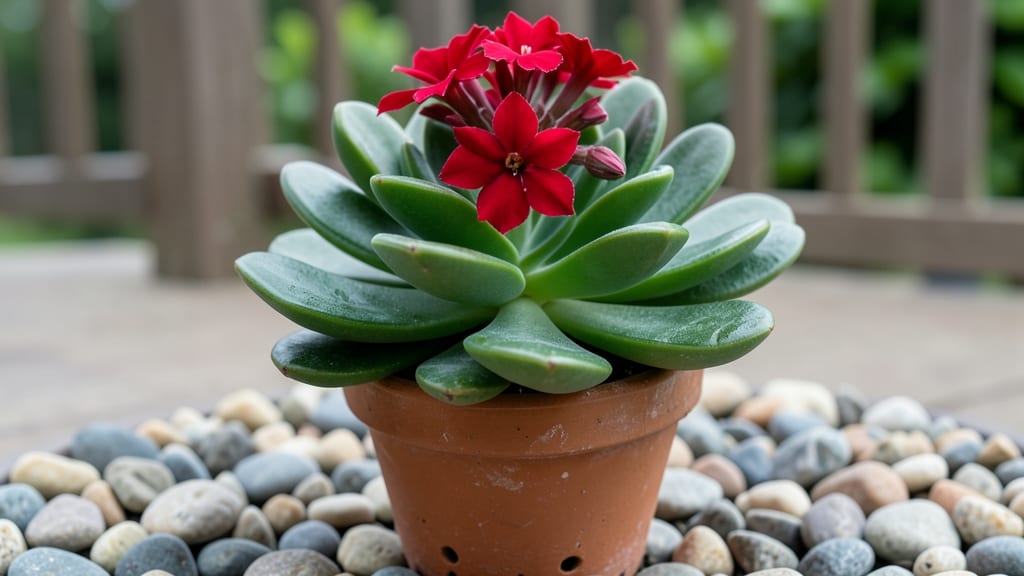
Flowering succulents outdoors bring bold, unexpected color to your garden with almost no effort—once you know their secrets. 🌸 I’ve grown these drought-loving stars in my own yard, and they’ve bloomed reliably for years with just a few adjustments to sunlight and soil.
The key isn’t babying them; it’s giving them exactly what they crave: bright light, fast-draining soil, and occasional neglect (they’ll thank you for it).
Most flowering succulents thrive in USDA zones 9-11, but hardy varieties like Aloe or Sedum can handle zones 5-8 with winter protection. Plant them in well-draining soil (mix cactus/succulent mix with coarse sand or perlite) and full sun—at least 6 hours daily—to trigger those stunning blooms.
Containers work great for small spaces, while in-ground plantings need raised beds or slopes to prevent soggy roots. Spacing depends on size: 6-12 inches apart for compact types, 18+ inches for larger varieties.
Watering is where beginners trip up: soak deeply, then let soil dry completely between sessions. Overwatering kills succulents faster than anything else. Feed them once in spring with a balanced fertilizer (diluted to half-strength), and prune spent blooms to encourage reblooming.
The payoff? Vibrant flowers that last weeks—often in winter—while requiring almost no maintenance. Even my black thumb can’t kill these.
Watch for frost damage in cooler zones (cover plants or move containers indoors) and rot from poor drainage. Humidity-lovers like Echeveria may need morning sun in hot climates to prevent sunburn. With these tweaks, your succulents will reward you with year-round color that turns heads—and zero guilt over forgotten watering.
📚 In This Guide
- What you need
- Instructions
- Tips and common mistakes
- Wrapping up and next steps
What you need
- ● Flowering succulents: Choose 3–5 varieties (e.g., Kalanchoe blossfeldiana, Echeveria elegans, or Sedum spectabile) based on your climate zone and sunlight.
- ● Well-draining pots or containers: 4–6-inch diameter for small succulents, 8+ inches for larger varieties. Ensure pots have drainage holes.
- ● High-quality cactus/succulent soil: 1–2 bags (sterilized, gritty mix with perlite or pumice). Avoid regular garden soil!
- ● Gravel or pebbles: Small-sized (¼–½ inch) for top dressing to prevent soil splatter on leaves.
- ● Watering can with a narrow spout: 1–2 gallons (avoid misting—succulents hate wet foliage!).
- ● Fertilizer: Balanced, water-soluble fertilizer (5-5-5 or 10-10-10) or a slow-release succulent-specific formula.
- ● Sunlight meter or app: To track light exposure (ideal: 4–6 hours of direct sun daily).
- ● Self-watering planters: For busy gardeners (e.g., Lechuza or Smart Pots).
- ● Mulch (e.g., lava rock or coarse sand): To regulate soil temperature in extreme climates.
- ● Plant labels: Waterproof markers to track varieties and care notes.
- ● Pruning shears: Small, sharp pair for trimming dead blooms or leggy stems.
- ● Grow lights (LED full-spectrum): For winter supplementation in low-light areas.
Step-by-Step guide to establishing thriving flowering succulents
Here's how I transform sun-loving succulents into long-blooming stars with almost no fuss.
🪴 Step 1: Select and Prepare the Perfect Planting Site
Flowering succulents like echeveria and sedum need full sun exposure (6+ hours daily) and well-draining soil. I always test my spot first by digging a 12-inch deep hole—if water pools after 30 minutes, amend the soil with 50% sand or gravel to improve drainage. A slight slope helps prevent water accumulation around roots.
My go-to soil mix is 50% native soil, 30% coarse sand, and 20% perlite. This prevents root rot while mimicking their arid native conditions. I avoid garden soil alone—it compacts and suffocates delicate roots. For containers, I use a cactus/succulent mix with added pumice for extra aeration.
☀️ Step 2: Plant at the Right Depth and Spacing
Dig holes twice as wide as the root ball but only as deep as the plant's crown. Burying too deep causes rot, while planting too shallow exposes roots to heat stress. I gently tease out roots if they're circling—this encourages outward growth and better stability.
Space plants 12-18 inches apart for medium varieties like kalanchoe, and 24 inches apart for larger types like agave. Overcrowding leads to competition for water and weakens flowering potential. After planting, I water deeply once to settle the soil, then let the roots establish before watering again.
💧 Step 3: Water Strategically for Year-Round Blooms
Watering is where most gardeners go wrong. I only water when the soil feels completely dry 2-3 inches down—stick your finger in to check. Overwatering triggers root rot, while underwatering causes puckering. In summer, I water every 7-10 days; in winter, every 4-6 weeks.
Always water at the soil base, never overhead. This prevents fungal diseases and keeps leaves crisp. I use a drip irrigation system or watering can with a narrow spout to direct moisture precisely where roots need it. Morning watering is best—it gives foliage time to dry before evening humidity sets in.
✂️ Step 4: Prune and Fertilize for Continuous Color
Deadhead spent blooms immediately to encourage new flowers. I use clean, sharp scissors to snip just above the leaf node. This redirects the plant's energy toward producing more buds rather than setting seed. For sedum varieties, I also trim leggy growth in late spring to promote bushier, more compact plants.
Feed lightly in spring with a balanced 10-10-10 fertilizer diluted to half strength. Too much nitrogen promotes leafy growth at the expense of flowers. I avoid fertilizing in summer heat—succulents go dormant and won't use nutrients effectively. A slow-release granular fertilizer applied in early spring lasts all season with minimal maintenance.
🌿 Step 5: Protect Through Seasonal Shifts
In winter, I move tender varieties like kalanchoe to a sheltered spot or bring them indoors near a bright window. Even hardy succulents benefit from a light mulch (1 inch of gravel) to protect roots from freezing temperatures. I never cover plants completely—succulents need airflow to prevent rot.
Spring is the best time to divide crowded plants. I dig up clumps, separate offsets with clean tools, and replant immediately. This rejuvenates mother plants and gives you free new specimens. Watch for new growth at the base—this signals healthy division. After handling, I let cut surfaces callous over for 24 hours before replanting to prevent disease.
Tips & tricks for perfect flowering succulents outdoors
These simple strategies will help you avoid common pitfalls and maximize your succulents' vibrant blooms.
Soil Test First: Before amending your soil mix, conduct the 30-minute water test mentioned in Step 1. If water pools after that time, your drainage is poor. I've seen gardeners skip this step and end up with root rot despite their best efforts. A simple slope adjustment or adding 50% sand or gravel can make all the difference for delicate flowering varieties like echeveria.
Root Health Check: When teasing out circling roots in Step 2, look for any dark or mushy sections—these indicate existing rot. Trim these away immediately with clean scissors before replanting. Healthy roots should be firm and white. I've had to rescue many plants by addressing this issue early, and it's always worth the extra 5 minutes.
Watering Timing: The 7-10 day summer schedule in Step 3 assumes average temperatures. In extreme heat (90°F+), check soil moisture every 5-7 days instead of relying strictly on the schedule. Morning watering is non-negotiable—it prevents fungal issues that can ruin your blooms before they even open. I've lost entire batches of sedum to nighttime watering when humidity was high.
Fertilizer Timing: That early spring application of diluted 10-10-10 fertilizer is crucial, but timing matters just as much as quantity. Apply it when you see new growth beginning, typically in late winter to early spring. I've had gardeners fertilize too early when plants are still dormant, which leads to wasted nutrients and potential burn.
Pro Tips for Flowering Succulents Outdoors
- These simple strategies will help you avoid common pitfalls and maximize your succulents' vibrant blooms.
- Soil Test First: Before amending your soil mix, conduct the 30-minute water test mentioned in Step 1.
- Root Health Check: When teasing out circling roots in Step 2, look for any dark or mushy sections—these indicate existing rot.
Frequently asked questions
Got questions about keeping your flowering succulents vibrant outdoors? Here are some common ones—and their easy answers!
When is the best time to plant flowering succulents outdoors?
Plant them in early spring (after the last frost) or late summer (before fall temperatures drop). This gives roots time to establish before extreme heat or cold. If you’re in a mild climate, you can plant year-round—but avoid winter in frost-prone zones!
How often should I water flowering succulents outdoors?
Water deeply but infrequently—about once every 1-2 weeks, depending on your climate. Let the soil dry out completely between waterings to prevent rot. In summer, you may need to water more often, but never let them sit in soggy soil.
Can I grow flowering succulents in pots outdoors?
Potted succulents are great for flexibility—just ensure pots have drainage holes and use a fast-draining soil mix. Move pots to a sunny spot and bring them indoors if temperatures drop below 40°F (4°C).
How do I protect flowering succulents from winter frost?
Most flowering succulents are tender perennials and need winter care. Cover them with burlap or frost cloth when temps dip below 30°F (-1°C), or move potted varieties to a sheltered spot. Avoid mulching too heavily—succulents hate wet roots in winter!
Why aren’t my flowering succulents blooming?
Lack of blooms often means insufficient light or overwatering. Ensure they get 6+ hours of sun daily and adjust watering to match seasonal needs. Some succulents (like Kalanchoe) need 12+ hours of darkness to trigger flowers—try moving them indoors at night if needed!
Wrapping up and next steps
Growing flowering succulents outdoors is a rewarding way to add vibrant color and low-maintenance beauty to your garden—no green thumb required! 🌸 With the right placement, soil, and a sprinkle of patience, these hardy plants can thrive year-round while demanding minimal effort.
Whether you’re a beginner or a seasoned gardener, start small, experiment with varieties, and enjoy the process—your outdoor space will thank you!
Ready to dive in? Pick one or two succulents to try this weekend—your future blooms (and happy plants!) will be worth it.