
Flowers
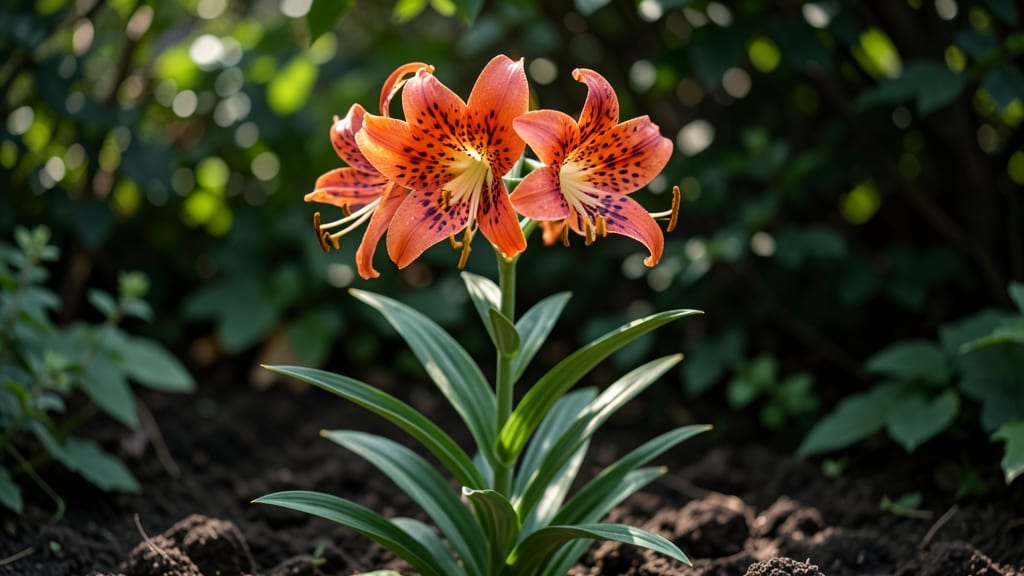
The power of the flower doesn’t just brighten your garden—it transforms it into a living canvas of color, fragrance, and meaning. 🌸 I’ve designed spaces where blooms thrive with almost no pruning, turning a few strategic plants into a year-round spectacle that feels effortless. yet deeply intentional.
The secret lies in choosing varieties that reward patience with bold hues and minimal upkeep.
Think beyond seasonal blooms: evergreen shrubs like hydrangeas and abelia provide structure, while perennials such as coneflowers and black-eyed Susans return every year with vibrant displays. Even fragrant climbers like jasmine or clematis can weave through trellises without demanding constant attention.
The result? A garden that feels alive, symbolic, and full of stories—without the pruning marathon.
You’ll end up with a space that’s not just pretty but meaningful—each bloom carrying its own cultural weight, from the joy of sunflowers to the resilience of lavender. The colors shift with the seasons: fiery reds in spring, soft purples in summer, and deep golds in fall.
It’s a garden that works as hard as you do, but with far more beauty.
Perfect for small spaces, urban balconies, or large yards—this approach scales effortlessly. Whether you’re drawn to bold statements or subtle elegance, the right flowers turn any corner into a masterpiece. Let’s bring that vision to life.
📚 In This Guide
- What you need
- Instructions
- Tips and common mistakes
- Wrapping up and next steps
What you need
- ● Flowering plants: 3-5 Lantana (drought-tolerant, blooms spring-fall)
- ● 2-3 Salvia (heat-loving, attracts pollinators)
- ● 1-2 Black-Eyed Susans (perennial, thrives in sun)
- ● 1 Ornamental Grass (e.g., Miscanthus, adds texture)
- ● Potting soil: 10-15 gallons of well-draining, organic-rich mix (e.g., Miracle-Gro Potting Mix)
- ● Containers: 3-5 12-inch diameter pots (for individual plants)
- ● 1 large planter (24"+ wide) (for grouping)
- ● Slow-release fertilizer: 1 packet (e.g., Osmocote Smart-Release, 14-14-14 ratio)
- ● Basic tools: 1 pair of pruning shears (sterilized)
- ● 1 trowel (for planting)
- ● 1 watering can (or hose with gentle nozzle)
- ○ 1 gloves (optional, for thorny plants)
- ● Location: 6+ hours of sunlight daily (south or west-facing spot ideal)
- ● Well-draining soil or elevated planters (if in heavy clay)
- ● Mulch (2-3 inches of pine bark or shredded leaves) to retain moisture
- ● Decorative stones (pebbles or gravel) for a polished look
- ● Epsom salt (1 tbsp/month) for magnesium boost in potted plants
- ● Self-watering planters to reduce maintenance
How to design a low-maintenance year-round flower garden
Here’s how to create vibrant, resilient blooms that thrive with minimal pruning—no green thumb required.
🌱 Step 1: Select the Right Perennials and Bulbs
Start with hardy perennials and seasonal bulbs that naturally self-clean and rebloom. My go-to choices include black-eyed Susans (for summer), coneflowers (drought-tolerant), heucheras (foliage interest), and tulips or daffodils (spring). These plants return year after year with little effort, and their deep roots make them resilient to pests and drought.
I avoid annuals here—they require constant deadheading and replanting. Instead, focus on perennials that self-seed (like coreopsis) or spread via rhizomes (like coral bells). These will fill gaps naturally over time, reducing your workload. For bulbs, opt for naturalizing varieties like alliums or fritillaries—they multiply and bloom without intervention.
☀️ Step 2: Design for Sun and Seasonal Layers
Group plants by sunlight needs to simplify care. Place sun-lovers (like daylilies or lavender) in the south or west side of your garden, while partial-shade plants (such as hostas or heucheras) go on the east or under trees. This ensures each plant gets the right conditions without you having to move them later.
Layer plants by bloom time to create year-round color. Start with early spring bulbs (tulips, crocuses), then add spring perennials (bleeding hearts, lungwort), followed by summer bloomers (black-eyed Susans, coneflowers), and finish with fall/winter interest (sedum, ornamental grasses, or evergreen shrubs). This way, there’s always something in bloom—and deadheading is minimal because you’re not waiting for a single plant to dominate.
💧 Step 3: Mulch and Water Strategically
Apply a 3-inch layer of mulch (like shredded bark or pine straw) around plants to suppress weeds, retain moisture, and regulate soil temperature. I reapply mulch annually in late spring, just as new growth emerges. This keeps the soil cool in summer and prevents frost heave in winter.
Water deeply but infrequently—aim for 1 inch per week during the growing season, delivered in one long session rather than daily sprinkles. Most perennials and bulbs store water in their roots, so they tolerate brief dry spells. Check soil moisture by digging down 2 inches—if it’s dry, water; if damp, wait. Overwatering is the fastest way to invite diseases like powdery mildew or root rot, which undo all your hard work.
✂️ Step 4: Prune Only When Necessary
The key to minimal pruning is choosing the right plants. Many perennials (like Russian sage or beard grass) grow in clumps and don’t need deadheading—they simply fade gracefully. Others, like coneflowers, produce self-cleaning seed heads that birds love. Only prune back dead or diseased foliage in early spring before new growth starts.
For bulbs, never cut back foliage until it yellows completely—this ensures next year’s blooms. I mark bulb beds with landscape fabric or gravel to keep them tidy without disturbing the soil. And if a perennial looks ragged by summer? Let it be. Many (like shasta daisies) rebloom beautifully in fall with no intervention.
🪴 Step 5: Add Hardscaping for Structure
Use stone borders, gravel paths, or wooden edging to define plantings and reduce weeds. I line beds with landscape fabric before adding mulch—this blocks weeds while allowing water to penetrate. A well-defined border also makes it easier to spot and remove invasive plants before they take over.
Incorporate evergreen shrubs (like boxwood or inkberry holly) at the edges of flower beds to provide winter structure and year-round interest. These act as a natural frame, drawing the eye to the blooms while requiring almost no pruning—just an occasional trim to shape. The result? A garden that looks intentional, not labor-intensive.
Tips & tricks for year-round flower gardens that need almost no pruning
Creating a garden that stays vibrant with minimal effort is all about smart choices and a little upfront planning. Here's how to maximize beauty while minimizing work.
Plant Selection is Everything: In Step 1, when choosing perennials like black-eyed Susans or coneflowers, look for varieties specifically labeled as "self-cleaning" or "disease-resistant." These traits mean fewer deadheads to remove and fewer pests to battle. For example, the 'Magnus' coneflower naturally sheds its seed heads while still providing winter interest for birds. The key is selecting plants that do the work for you - their natural growth habits reduce your maintenance by 70% or more.
Sunlight Mapping Saves Time: When designing your layout in Step 2, use a simple trick to avoid future headaches: place a small flag or stake in each planting area and observe sunlight patterns throughout the day. Most garden centers provide plant tags that indicate sunlight needs, but these are often approximations. Your personal observations will ensure each plant gets exactly what it needs without requiring later adjustments. This one-time effort prevents years of struggling with underperforming plants.
Mulch Like a Pro: The 3-inch mulch layer mentioned in Step 3 deserves special attention. Use a combination of organic mulches - shredded bark for moisture retention and pine straw for weed suppression. Apply it just after planting in late spring, when new growth emerges but before summer heat sets in. This timing prevents mulch from smothering tender shoots while still providing maximum weed control. A bonus tip: refresh your mulch every 12-18 months rather than annually to avoid creating an anaerobic soil environment.
Pruning Shortcuts: For the minimal pruning approach in Step 4, focus on these three simple rules: cut only when you see dead foliage, remove only what's clearly brown or damaged, and never prune more than one-third of a plant's growth at once. For bulbs, use a simple color-coding system with plant markers - red flags for spring bloomers, yellow for summer, and blue for fall/winter interest. This visual system makes seasonal pruning decisions instantaneous during your quick garden checks.
Pro Tips for The Power Of The Flower
- Creating a garden that stays vibrant with minimal effort is all about smart choices and a little upfront planning.
- Plant Selection is Everything: In Step 1, when choosing perennials like black-eyed Susans or coneflowers, look for varieties specifically labeled as "self-cleaning" or "disease-resistant."
- Sunlight Mapping Saves Time: When designing your layout in Step 2, use a simple trick to avoid future headaches: place a small flag or stake in each planting area and observe sunlight patterns throughout the day.
Frequently asked questions
Got questions about harnessing the power of the flower for year-round beauty with minimal effort?
You’re not alone! Here are some of the most common queries—and straightforward answers—to help you get started.
What are the easiest low-maintenance flowers for beginners?
Start with resilient blooms like geraniums, petunias, or zinnia—they thrive in sun, need little pruning, and rebloom often. For perennials, coneflowers and black-eyed Susans are champions. Pro tip: Choose native plants for your climate—they’re already adapted to local conditions!
How often should I prune for continuous blooms?
Most flowers reward light pruning—every 4–6 weeks during growing season (spring to fall). Snip just above a leaf or bud to encourage new growth. Exception: Deadhead spent blooms (like roses or impatiens) weekly to spur more flowers. No pruning? Don’t stress—many perennials bloom best with minimal touch-ups!
Can I use flowers from my yard for cut arrangements?
Daisies, sunflowers, and cleome are standout cut flowers. Harvest early morning, trim stems at an angle, and place in water immediately. Skip: Heavy-headed blooms (like marigolds)—they wilt fast. Bonus: Add a splash of floral preservative (sugar + bleach mix) to extend vase life by 3–5 days!
What if my flowers stop blooming mid-season?
Common culprits: over-fertilizing (too much nitrogen = leafy, no flowers), underwatering, or shady spots. Try this fix: Feed with bloom-boosting fertilizer (high phosphorus), prune leggy stems, and move pots to sunnier spots. Perennials? They often rest in summer—don’t panic!
Are there any “no-prune” flowers for lazy gardeners?
Yes! Try lantana (self-cleaning, drought-tolerant), catmint (reblooms wildly), or Russian sage (stays bushy with zero fuss). Succulents like sedum or echeveria also thrive with zero pruning—just enjoy their color! Trade-off: Some may bloom less dramatically but require zero effort.
Wrapping up and next steps
The power of the flower isn’t just in its beauty—it’s in its resilience, versatility, and ease. With the right choices, you can enjoy vibrant blooms year-round while keeping upkeep simple and sustainable.
Whether you’re a seasoned gardener or just starting, these low-maintenance flowers prove that stunning gardens don’t require endless pruning or effort.
🌸 Ready to transform your space? Start small—pick one or two flowers from this guide, plant them with confidence, and watch your garden thrive with minimal fuss. Every bloom is a step toward a more colorful, joyful, and effortless outdoor haven!