
Flowers
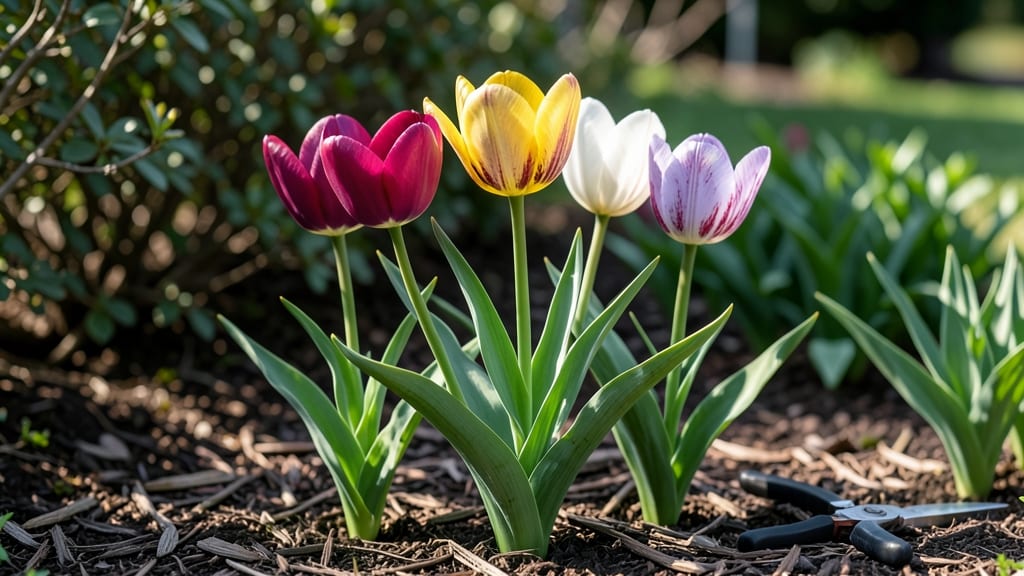
The flowers associated with spring that first burst through frozen soil—from delicate crocuses to bold tulips—are nature’s way of saying spring has arrived. 🌸 These blooms carry centuries of meaning, whether symbolizing rebirth, hope, or new beginnings.
My garden’s first tulip shoots in March always feel like a promise: brighter days are coming.
Each flower has its own story. Daffodils, with their cheerful yellow trumpets, were once thought to ward off evil spirits, while hyacinths—with their intoxicating scent—were linked to ancient myths of love and sacrifice. Planting them isn’t just about beauty; it’s about connecting to traditions that stretch back thousands of years.
Even in small spaces, a few well-chosen blooms can transform a dull corner into a seasonal spectacle.
You’ll love how these flowers work together: early bloomers like pansies and violets give way to tulips and daffodils as temperatures rise, creating a seamless transition.
The key is timing—most thrive when planted in fall for spring blooms, but even late additions like sweet peas will climb and flourish with minimal effort. Imagine the scent of lilacs drifting through your yard by May, or the way crocuses peek through snowdrifts like tiny green surprises.
Whether you’re restoring a grand perennial border or simply adding a few pots to your porch, these flowers deliver instant joy with minimal fuss. Start with just three varieties—something early (crocus), mid-season (tulip), and late (peony)—and watch your garden become a living calendar of spring’s progress.
The best part? They’ll come back year after year, blooming more reliably with each passing season.
📚 In This Guide
- What you need
- Instructions
- Tips and common mistakes
- Wrapping up and next steps
What you need
- ● Spring flowers (seeds or bulbs): Daffodils (10–20 bulbs) – Narcissus varieties
- ● Tulips (15–30 bulbs) – Mix of early, mid-, and late-season types
- ● Hyacinths (5–10 bulbs) – Fragrant Hyacinthus orientalis
- ● Crocuses (20–50 bulbs) – Crocus vernus or Crocus tommasinianus
- ● Pansies (10–20 plants) – Viola × wittrockiana (choose cold-hardy varieties)
- ● Sweet peas (5–10 seed packets) – Lathyrus odoratus (climbing or bush types)
- ● Soil amendments: Compost (5–10 gallons) – Well-aged, organic
- ○ Bone meal (1–2 lbs) – For bulbs (optional but recommended)
- ● Slow-release fertilizer (10–15 lbs) – 10-10-10 or bulb-specific blend
- ● Garden trowel (1–2) – For digging small holes
- ● Hand fork (1) – For aerating soil
- ● Garden gloves (1 pair) – Heavy-duty, water-resistant
- ● Watering can (1) – With a fine rose nozzle (1–2 gallons)
- ○ Hose with adjustable nozzle (optional) – For larger areas
- ● Mulch (2–3 bags) – Straw or shredded bark (2–3 inches thick)
- ● Pruners (1) – Bypass type for clean cuts
- ● Measuring tape (1) – For spacing plants accurately
- ● Flower supports (1–2) – Trellises or stakes for climbing plants
- ● Eggshells or crushed chalk (small bag) – For snail deterrence
- ● Garden markers (10–20) – To label varieties
- ○ Decorative stones or edging (optional) – For garden borders
- ● Seasonal potting mix (1–2 bags) – If planting in containers
Step-by-step guide to designing a spring-focused flower garden
Here's how to create a vibrant spring garden that wows every year.
🌱 Step 1: Select Spring-Blooming Varieties for Your Climate
Start by choosing flowers that thrive in your USDA hardiness zone. Classic spring bloomers like tulips, daffodils, and crocuses handle cold snaps beautifully, while pansies and violas tolerate light frosts. I always include at least three layers: early bloomers (like hellebores), mid-season stars (tulips, peonies), and late-season performers (daylilies, black-eyed Susans). Check your local nursery's spring catalog for varieties that bloom sequentially to extend your color show.
For a foolproof palette, mix cool-toned flowers (blue hyacinths, white daffodils) with warm accents (orange tulips, purple alliums). This creates visual interest and makes the garden feel more dynamic. I like to sketch a rough layout first—grouping similar colors together creates cohesive drifts that look intentional, not random.
☀️ Step 2: Prepare the Soil for Spring Planting
Spring soil often feels compacted after winter. Work in 2-3 inches of compost to improve drainage and fertility, then loosen the top 6-8 inches with a garden fork. I avoid tilling deeply—it disrupts soil structure and beneficial organisms. Instead, focus on breaking up the top layer where roots will establish first. For heavy clay soils, mix in 1 part perlite to 3 parts native soil to improve aeration.
Test your soil's pH—most spring flowers prefer 6.0-7.0. If your soil runs acidic (common in northern climates), sprinkle dolomitic lime at the rate of 10 pounds per 100 square feet and work it in 2-3 weeks before planting. Water the area thoroughly after amending to help nutrients settle into the root zone.
🪴 Step 3: Plant for Season-Long Interest
Layer plants by height and bloom time. Start with 12-18 inch tall early bloomers (like grape hyacinths) at the front, then add 2-3 foot mid-height plants (tulips, alliums) behind them. Taller varieties (peony, iris) go at the back. Space bulbs 4-6 inches apart and perennials 12-18 inches apart—crowding leads to weak stems and poor flowering.
Here's the thing—spring gardens need structure. I always include 3-5 focal plants (like a large peony bush or ornamental grass) to anchor the design. These become the "stars" that draw the eye, while supporting cast members (like low-growing ajuga or creeping phlox) fill in the spaces. Water deeply after planting to encourage root growth, then mulch with 2-3 inches of shredded bark to retain moisture and suppress weeds.
💧 Step 4: Maintain Through the Growing Season
Spring flowers need 1-1.5 inches of water weekly, but check soil moisture before watering—stick your finger 1 inch deep. If it feels dry, water thoroughly at the base. Avoid overhead watering in the evening, which promotes fungal diseases. I set my irrigation timer for early morning to give foliage time to dry before nightfall.
Deadhead spent blooms regularly (especially on tulips and daffodils) to encourage more flowers and prevent seed formation. For perennials like peonies and daylilies, cut back foliage in late fall rather than spring—this allows the plant to store energy for next year's blooms. Fertilize lightly in early spring with a balanced 10-10-10 formula at half-strength to avoid burning tender new growth.
✂️ Step 5: Plan for Next Year's Spring Garden
As flowers finish blooming, take notes on what thrived and what flopped. I always sketch a quick map of my garden after the first season, marking which plants spread too aggressively (like creeping thyme) and which needed more support (like tall delphiniums that flopped in wind). Divide overcrowded perennials in early fall or late winter for stronger spring displays.
Leave seed heads on a few plants (like black-eyed Susans or coneflowers) for winter interest and wildlife value. These dried structures provide food for birds and add texture to the garden. In late fall, add a 2-3 inch layer of mulch around perennials to protect roots from freeze-thaw cycles. This simple step keeps plants healthier and ready to burst into bloom the following spring.
Tips & tricks for designing a stunning spring garden
Creating a spring garden that truly shines takes more than just picking pretty flowers—it's about strategic planning and a few insider tricks that make all the difference.
Layering for Maximum Impact: The three-layer approach from Step 1—early bloomers, mid-season stars, and late-season performers—is where the magic happens. I've found that adding a fourth "textural layer" with ornamental grasses or evergreen shrubs creates visual depth that makes your garden feel lush year-round. These elements provide structure when flowers fade, and their movement adds dynamic interest even on still days.
Soil Prep Secrets: While the instructions recommend 2-3 inches of compost, I've discovered that adding a handful of worm castings mixed into the top 6 inches of soil gives an extra boost of microbial activity. These castings release nutrients slowly, which helps plants establish stronger root systems. For clay-heavy soils, consider adding 1 part coarse sand instead of perlite—it improves drainage while maintaining moisture better than perlite alone.
Color Theory in Practice: When mixing cool and warm tones, I always test the color combinations in natural light before planting. What looks vibrant in the nursery might appear washed out in your garden's lighting. Pro tip: Use a small spray bottle to mist your color swatches—this simulates morning dew and helps you see true colors. Also, consider adding one "wildcard" plant with an unexpected hue (like a deep purple clematis) to create focal points that draw the eye.
Maintenance Made Easy: The 1-1.5 inches of weekly watering is a great guideline, but I've learned to adjust based on plant types. Daffodils and tulips are drought-tolerant once established, while pansies need consistent moisture. Install a simple rain gauge near your garden to track precipitation—this helps you avoid overwatering when Mother Nature does the work for you. For busy gardeners, consider installing a drip irrigation system with a timer; it delivers water precisely where plants need it, saving both time and water.
Pro Tips for Flowers Associated With Spring
- Creating a spring garden that truly shines takes more than just picking pretty flowers—it's about strategic planning and a few insider tricks that make all the difference.
- Layering for Maximum Impact: The three-layer approach from Step 1—early bloomers, mid-season stars, and late-season performers—is where the magic happens.
- Soil Prep Secrets: While the instructions recommend 2-3 inches of compost, I've discovered that adding a handful of worm castings mixed into the top 6 inches of soil gives an extra boost of microbial activity.
Frequently asked questions
Got questions about spring blooms? You’re not alone!
Here are some of the most common queries about flowers that bring color and life to the season—plus quick, helpful answers to keep your garden thriving.
When is the best time to plant spring flowers?
The ideal timing depends on your climate, but most spring flowers (like tulips, daffodils, and pansies) should be planted 4–6 weeks before the last frost. Check your local frost dates—cool-season blooms often do best when soil is workable (around 50°F/10°C). For warm-season favorites like petunias, wait until after the last frost when nighttime temps stay above 50°F (10°C).
Which spring flowers are easiest for beginners?
Start with low-maintenance stars like tulips, daffodils, or pansies—they’re hardy, forgiving, and pop up reliably year after year. Marigolds and cosmos are also great for beginners because they thrive in full sun and resist pests. Just ensure well-draining soil, and you’ll have effortless color!
Can I still plant spring flowers if I miss the ideal window?
Don’t stress! Many spring flowers (especially annuals like impatiens or zinnias) can be planted through early summer as long as you keep them consistently watered. For bulbs like tulips, you’ll need to wait until fall, but perennials like peonies or hostas can often handle late planting if given extra care. Just adjust watering and mulch to help roots establish.
How do I protect spring flowers from pests?
Prevent pests like aphids or slugs with these tricks:
- Neem oil spray (organic and effective against soft-bodied insects).
- Copper tape around pots to deter slugs.
- Companion planting—try marigolds near roses to repel pests.
- Handpick larger pests (like tomato hornworms) in the early morning.
What are some unique spring flowers beyond the usual tulips and daffodils?
Spice up your garden with these underrated gems:
- Bleeding heart (Dicentra spectabilis) – Heart-shaped blooms in pink/white.
- Alliums – Dramatic globe-shaped purple flowers (great for pollinators!).
- Sweet peas – Fragrant climbers with vibrant colors.
- Hellebores (Lenten roses) – Early bloomers that thrive in shade.
Wrapping up and next steps
Spring isn’t just a season—it’s a burst of color, life, and renewal, and flowers are its star performers. From delicate tulips to bold daffodils, each bloom carries its own symbolism and charm, transforming gardens into vibrant canvases.
Whether you’re a seasoned gardener or a curious beginner, embracing these seasonal beauties can bring joy, inspiration, and a deeper connection to nature’s rhythm.
Ready to bloom with creativity? Start small—plant a single favorite flower, sketch a garden layout, or even gift a bouquet to someone special. Every step is a celebration of spring’s magic! 🌸