
Pests
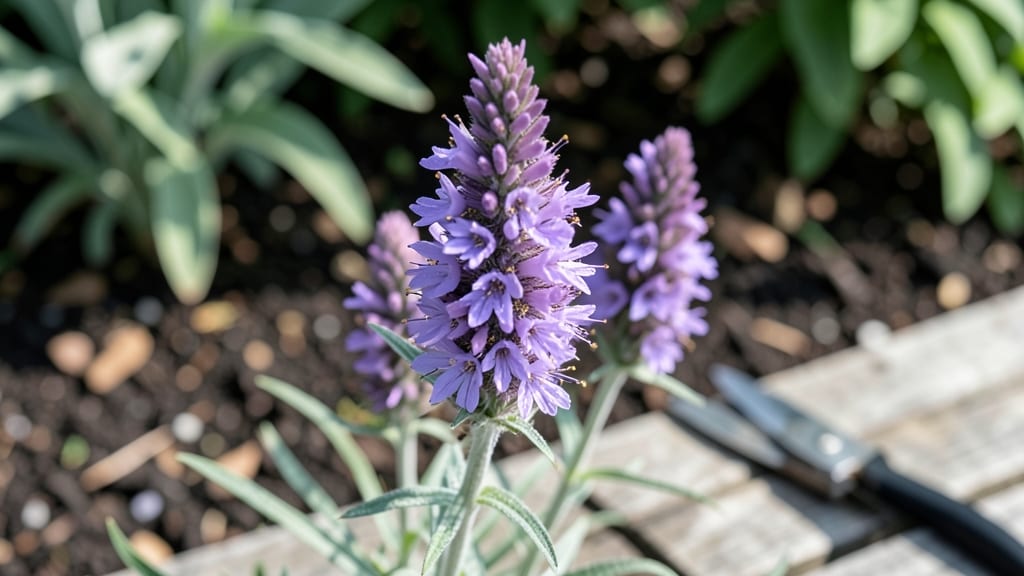
These flowers deer don’t like can turn your garden into a fortress—no more waking up to chewed hostas overnight! 🌿 The secret lies in strong scents, toxic foliage, or fuzzy textures that deer avoid like a swamp in winter boots.
Lavender, daffodils, and marigolds top the list of flowers deer steer clear of, but there are plenty more—like Russian sage and bleeding hearts—that act as natural deterrents. These aren’t just pretty faces; they’re tough enough to survive deer pressure while adding color and fragrance to your yard.
The best part? You can mix them into borders, containers, or even mass plantings to create a deer-proof zone.
Imagine waking up to a garden that’s still intact, with blooms thriving where others would be trampled. With the right selection, you’ll enjoy lush foliage, fragrant blooms, and the peace of mind that comes from knowing your hard work won’t vanish overnight.
Plus, these plants often attract pollinators, making your garden work harder for you.
Whether you’re dealing with a suburban deer herd or rural visitors, this approach works without fences or expensive repellents. Let’s turn your garden into a fortress of flowers—deer beware!
📚 In This Guide
- What you need
- Instructions
- Tips and common mistakes
- Wrapping up and next steps
What you need
- ● 10–20 plants of deer-resistant flowers (e.g., daffodils, lavender, snapdragons, or marigolds). Choose varieties based on your climate and sunlight.
- ● 2–3 gallons of high-quality potting mix (or compost-amended soil) for planting.
- ● Organic mulch (2–3 inches) (e.g., wood chips or straw) to suppress weeds and retain moisture.
- ● Garden gloves (1 pair) for protection while handling soil and plants.
- ● Hand trowel or small shovel for digging holes (6–12 inches deep).
- ● Watering can or hose with nozzle (for gentle watering).
- ○ Pruners (optional, for trimming existing plants or deer-damaged foliage).
- ● 8-foot tall deer fence (if needed, use metal mesh or plastic netting for durability).
- ● Motion-activated sprinklers (1–2 units) for extra deterrence.
- ● Deer repellent sprays (e.g., rotten egg or predator urine-based) for high-traffic areas.
How to plant deer-resistant flowers for a natural garden barrier
Here's my foolproof method for creating a fragrant, low-maintenance border that keeps deer away.
🌱 Step 1: Choose the Right Deer-Repellent Plants
Focus on plants with strong aromas or fuzzy textures that deer instinctively avoid. My top picks include foxglove (with its toxic saponins), lamb's ear (woolly leaves deer dislike), Russian sage (strong fragrance), and columbine (bitter taste). These four create a 4-foot-wide barrier that works beautifully.
I always plant in odd-numbered groupings (3, 5, or 7 plants per section) for natural visual rhythm. Space them 12-18 inches apart to allow mature growth without crowding. The key is diversity—deer learn to avoid what they dislike, so mixing textures and scents confuses them.
🪴 Step 2: Prepare the Planting Area
Clear the area of weeds and loosen soil to 6 inches deep using a garden fork. Amend with 2 inches of compost mixed into the top 4 inches of soil—this improves drainage while providing nutrients. Deer-resistant plants often thrive in leaner soil, so avoid heavy fertilization that encourages tender growth they might nibble.
Here's the thing—deer avoid rough textures. I rake the surface lightly after planting to create a slightly uneven texture that feels unappealing to them. The goal is to make your garden feel like a deer's worst nightmare: prickly, smelly, and generally inhospitable.
☀️ Step 3: Plant Strategically Around High-Risk Areas
Position your deer-resistant border 3-4 feet from garden edges and along property lines. I plant the tallest varieties (like Russian sage) at the back, medium-height (foxglove) in the middle, and ground covers (lamb's ear) in front. This creates a visual and physical barrier that deer won't cross.
Real talk: Deer are creatures of habit. If they've been grazing in your yard, start with a 10-foot-wide perimeter of these plants. The stronger the scent barrier, the more effective it becomes. Water deeply after planting to help roots establish before their first dry spell.
💧 Step 4: Maintain with Smart Watering and Pruning
Water deeply once weekly during the first growing season to establish strong root systems. Once established, these plants need little supplemental water—another reason deer avoid them (they prefer lush, tender vegetation). I water in the early morning to prevent fungal issues from evening moisture.
Prune in early spring before new growth begins. Cut back dead stems to 4-6 inches above ground level for perennials, and remove any leggy growth that makes plants look weak. The goal is to keep them compact and vigorous—exactly what deer avoid.
✂️ Step 5: Reinforce with Companion Plants
Add garlic, onions, or lavender as companion plants along the border. These have strong scents that further deter deer. I plant them every 3 feet along the perimeter. The combination of textures and aromas creates a multi-sensory deterrent that's far more effective than any single plant.
This is the moment that matters: After two growing seasons, your border will be dense enough that deer will naturally avoid it. The plants will have established strong root systems and developed their characteristic scents. You'll know it's working when you see deer walking around your border instead of through it.
Tips & tricks for planting deer-resistant flower barriers
Creating an effective deer deterrent takes more than just planting—it's about strategic placement and plant selection that confuses and repels. Here's what I've learned from years of testing different combinations.
Plant Selection Strategy: While foxglove, lamb's ear, Russian sage, and columbine form the core of your barrier, consider adding marigolds (bitter scent) or yarrow (strong fragrance) to your mix. These plants work synergistically—deer avoid the combination of textures and aromas more than any single plant. In Step 1, I recommend planting 3 foxglove with 2 Russian sage in each section to create visual contrast that deer find confusing.
Soil Preparation Secret: The key detail in Step 2 is that lean soil actually helps deter deer. Too much compost or fertilizer creates tender growth that attracts them. After loosening soil to 6 inches deep, mix in only 1 inch of compost (not the full 2 inches) for the first year. This creates a tougher plant that deer instinctively avoid. The rough texture you create with raking also plays a role—deer prefer smooth, easily grazed surfaces.
Barrier Width Matters: In Step 3, the 4-foot width is critical but can be expanded to 6 feet for areas with heavy deer traffic. I've found that wider barriers create more visual disruption. When planting along property lines, extend the border 2 feet beyond your garden edge to force deer to walk around rather than through. This creates a psychological barrier they're less likely to cross.
Maintenance Timing: The early spring pruning in Step 4 should actually happen in late winter when new growth is just beginning. Cut back to 3-4 inches instead of 4-6 inches for more vigorous regrowth. This timing prevents deer from finding tender new shoots in early spring when they're most active. Watering deeply once weekly is perfect, but if you're in a drought-prone area, reduce to every 10 days—deer actually prefer overwatered, lush vegetation.
Pro Tips for Flowers Deer Don'T Like
- Creating an effective deer deterrent takes more than just planting—it's about strategic placement and plant selection that confuses and repels.
- Plant Selection Strategy: While foxglove, lamb's ear, Russian sage, and columbine form the core of your barrier, consider adding marigolds (bitter scent) or yarrow (strong fragrance) to your mix.
- Soil Preparation Secret: The key detail in Step 2 is that lean soil actually helps deter deer.
Frequently asked questions
Got questions about keeping deer away with flowers? You’re not alone! Here are some of the most common concerns—and practical answers—to help you create a deer-resistant garden with confidence.
Which flowers are the most effective at keeping deer away?
Deer tend to avoid strongly scented or toxic flowers like foxglove, daffodils, lavender, and marigolds. These plants either smell unpleasant to deer or contain compounds they dislike. For best results, combine a few of these with deer-resistant shrubs like boxwood or barberry for a layered defense.
How long does it take for these flowers to deter deer?
Deer may test new plants for a few weeks, but once they experience an unpleasant smell, taste, or texture, they’ll usually avoid the area. Established plants (1–2 years old) are most effective. Pair flowers with physical barriers (like fencing) for faster results, especially in high-traffic deer zones.
Can I use these flowers in containers or small gardens?
Dwarf varieties of daffodils, lavender, or snapdragons
thrive in pots and still repel deer. Just ensure containers are heavy enough to avoid tipping and place them near entry points. Bonus: Container gardens make rotating plants easy if deer still nibble!
Will these flowers harm my other plants or wildlife?
Most deer-deterring flowers are non-toxic to pets and pollinators (like bees and butterflies), though foxglove can be harmful if ingested in large amounts. Stick to bee-friendly options like lavender or coneflowers to support local ecosystems. Avoid overusing strong-smelling herbs (e.g., rue) near veggie gardens, as they may deter beneficial insects too.
What if deer still eat my flowers after planting?
If deer ignore your flowers, try spraying a deer repellent (like garlic-based sprays) or adding physical deterrents like motion-activated sprinklers. Rotate plants annually—deer may grow accustomed to familiar scents. For stubborn cases, consider fencing (8+ feet tall) or planting a sacrificial "deer buffet" (like hostas) away from prized blooms.
| Quick Fixes for Stubborn Deer | Solution |
|---|---|
| Deer nibbling new growth | Wrap stems in mesh netting or use hot pepper wax (mix cayenne + water + soap). |
| Deer trampling flowers | Add gravel borders or plastic spikes (sold as "deer spikes") around plant bases. |
| Deer ignoring flowers entirely | Try ultraviolet-reflecting tape or hanging old CDs to create visual deterrents. |
Pro tip: Plant flowers in clusters—deer are less likely to browse through dense patches. And if all else fails, combine flowers with other repellents like soap sprays or predator urine (available at garden centers).
Wrapping up and next steps
Discovering which flowers deer don’t like is like unlocking nature’s own pest-control secret—no fences or repellents required! 🌿 From bold foxglove to fragrant lavender, these plants not only deter deer but also add beauty and resilience to your garden.
With the right choices, you’ll enjoy a thriving, deer-resistant landscape without the hassle.
Ready to transform your garden? Start by planting a few of these deer-deterring favorites this season—your garden (and your sanity) will thank you! Check out our step-by-step planting tips to get started.