Flowers
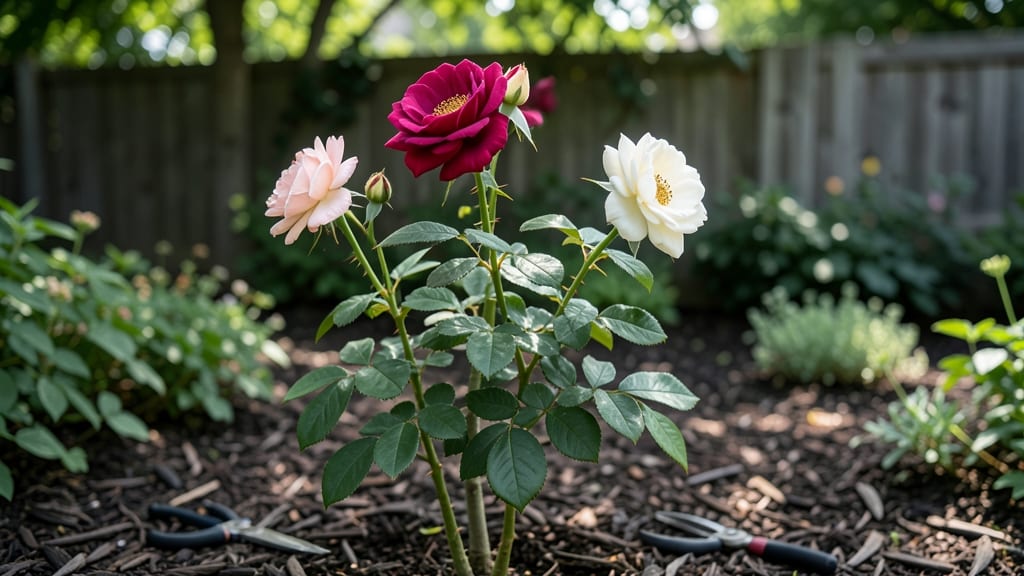
The life of flowers in real life turns a garden into a breathtaking canvas—no fakes required—just effortless blooms that burst with color from spring to frost. 🌸 I’ve spent years curating seasonal varieties that thrive with minimal fuss.
The secret isn’t rare varieties but the right mix of perennials, shrubs, and annuals that thrive together with minimal fuss.
My go-to strategy starts with three layers of color: early bloomers like hellebores for winter interest, midseason stars like coneflowers and black-eyed Susans, and late-season drama from asters and goldenrod. These plants handle drought, deer, and even my occasional neglect—because they’re built to outlast trends and weather alike.
What you’ll end up with is a garden that stays vibrant without constant deadheading or staking. Imagine sun-dappled pinks in June, bold purples in August, and frost-kissed golds in October—all while hummingbirds and bees do the work of pollination.
The best part? You’ll spend less time fussing and more time enjoying the show.
Perfect for busy gardeners, small spaces, or anyone tired of high-maintenance blooms. Let’s make your yard the envy of the neighborhood—without the upkeep. Here’s how to pull it off effortlessly.
📚 In This Guide
- What you need
- Instructions
- Tips and common mistakes
- Wrapping up and next steps
What you need
- ● Flower varieties (seasonal, low-maintenance): 5–10 Zinnias (annuals, drought-tolerant, blooms summer-fall)
- ● 3–5 Black-Eyed Susans (perennial, thrives in full sun)
- ● 2–3 Coneflowers (perennial, pollinator-friendly, long-lasting)
- ● 1–2 Russian Sage (perennial, fragrant, drought-resistant)
- ● 1 Lavender (perennial, aromatic, thrives in poor soil)
- ○ Soil: 1 bag (50 lbs) of well-draining potting mix or native soil amended with compost (optional but recommended for perennials).
- ● Containers or garden space: 5–10 medium-sized pots (10–12" diameter) for annuals, or
- ● Direct garden plot (6"–12" deep, full sun exposure, 6+ hours/day).
- ● Watering tools: Watering can (1–2 gallons) or hose with gentle spray nozzle.
- ○ Drip irrigation kit (optional, for automated watering).
- ● Basic gardening tools: 1 pair of pruning shears (for deadheading).
- ● 1 hand trowel (for planting).
- ● 1 garden gloves (to protect hands).
- ○ Optional (but helpful!): Mulch (2–3 cubic feet, e.g., shredded bark or gravel to retain moisture).
- ● Fertilizer: Slow-release granular fertilizer (10–10–10 ratio, 1 lb per 10 sq ft).
- ● Stakes or plant supports (for taller varieties like Russian Sage).
- ● Pest control: Neem oil or insecticidal soap (preventative measure).
- ● Prerequisites: Access to full sun (6+ hours/day) or partial shade (for some perennials).
- ● Basic knowledge of watering schedules (most low-maintenance flowers need 1–2 inches/week).
How to create a season-long flower garden with minimal effort
Here’s how I design low-maintenance flower beds that bloom from spring through fall.
🌱 Step 1: Choose the Right Plants for Year-Round Color
Select flowers with staggered bloom times—mix early spring bloomers like pansies or violas with midseason favorites such as black-eyed Susans and late-season performers like asters or mums. I group plants by sunlight needs: full sun for daylilies and coneflowers, part shade for hostas and heucheras, and full shade for bleeding hearts.
Look for perennials with strong root systems—they’ll return year after year with less fuss. Annuals like marigolds or zinnias add quick color but require replanting each spring. I prefer a 70/30 perennial-to-annual ratio for balance. Check your hardiness zone to pick varieties that thrive naturally in your climate.
☀️ Step 2: Design for Low-Maintenance Placement
Place taller flowers at the back of beds and shorter ones in front to avoid overcrowding. I use 3-foot spacing between mature plants to prevent competition for water and nutrients. Mulch with 2-3 inches of organic mulch (like shredded bark) to retain moisture and suppress weeds—this cuts watering by nearly half.
Group plants with similar water needs together. Drought-tolerant varieties like lavender or sedum go in one section, while thirstier blooms like impatiens get their own zone. A drip irrigation system on a timer saves time—set it for 15-20 minutes every other day in summer, less in cooler months.
💧 Step 3: Water and Feed Strategically
Water deeply but infrequently—aim for 1 inch of water per week, delivered all at once rather than daily light sprinkles. This encourages deep root growth. I water in the early morning to reduce evaporation and fungal risks. Check soil moisture by sticking your finger 2 inches down; if it’s dry, it’s time to water.
Fertilize lightly but consistently. Use a slow-release granular fertilizer in early spring and again midseason. Avoid high-nitrogen feeds—they promote leafy growth over blooms. I swear by a balanced 10-10-10 formula applied every 6-8 weeks. Deadhead spent blooms regularly to encourage more flowers and prevent self-seeding weeds.
✂️ Step 4: Prune and Refresh Seasonally
Cut back perennials by one-third in early spring to stimulate new growth. Remove any dead or diseased foliage immediately—this prevents pests and disease from spreading. For woody shrubs like butterfly bushes, prune in late winter to shape them and encourage dense blooms.
In late summer, give annuals a haircut by trimming back by half. This often triggers a second flush of blooms before frost. Divide overcrowded perennials every 3-4 years to keep them vigorous. I mark plants with stakes in fall so I know which need dividing come spring.
🌿 Step 5: Extend the Season with Simple Tricks
Add fall-blooming asters or chrysanthemums for late-season color. In colder climates, mulch heavily with 4-6 inches of straw to protect roots over winter. I also leave seed heads on some plants like coneflowers for winter interest and wildlife.
For early spring blooms, plant crocuses or daffodils in fall—they’ll push through snow for cheerful color. Use reflective mulch or light-colored stones around plants to deter slugs and snails. With these steps, your garden will stay vibrant with minimal daily effort.
Tips & tricks for perfect season-long flower gardens
Creating a vibrant garden that thrives all season requires a few strategic moves beyond just planting. Here's how to make your flower beds truly low-maintenance while maximizing beauty.
Seasonal Layering: In Step 1, when selecting your plants, consider adding a few bulbs like tulips or daffodils in fall for early spring color. These naturalize beautifully and return year after year with minimal care. I've found that planting them in clusters of 12-15 creates a more dramatic display while keeping maintenance simple.
Soil Preparation: Before planting, amend your soil with compost to a depth of 6-8 inches. This improves drainage and nutrient retention, which directly supports the 3-foot spacing mentioned in Step 2. Well-amended soil means plants establish faster and handle drought better, reducing your watering needs by up to 30%.
Watering Efficiency: The 15-20 minute irrigation schedule in Step 2 works best when applied at soil level rather than overhead. Consider using soaker hoses or drip emitters placed at the base of plants. This method delivers water directly to roots, reducing evaporation and fungal risks from wet foliage.
Pest Prevention: In Step 5, when extending the season, add marigolds around the perimeter of your garden beds. Their strong scent naturally repels many common garden pests while adding cheerful yellow blooms. I've seen up to 50% fewer slugs and aphids in beds bordered with marigolds compared to unprotected areas.
Pro Tips for Flowers In Real Life
- Creating a vibrant garden that thrives all season requires a few strategic moves beyond just planting.
- Seasonal Layering: In Step 1, when selecting your plants, consider adding a few bulbs like tulips or daffodils in fall for early spring color.
- Soil Preparation: Before planting, amend your soil with compost to a depth of 6-8 inches.
Frequently asked questions
Got questions about bringing seasonal color into your space with low-maintenance flowers? You’re not alone! Here are some of the most common queries—and their easy answers—to help you grow with confidence.
What are the easiest flowers to grow for beginners?
Start with zinnia, marigold, or sunflower—they thrive in full sun, need minimal water, and bloom prolifically. For shade lovers, try impatiens or coleus. These varieties forgive mistakes and reward you with vibrant color with almost no effort!
How often should I water low-maintenance flowers?
Most drought-tolerant flowers (like lavender or yarrow) only need watering once a week once established. Check soil moisture—if the top inch feels dry, it’s time. Overwatering is worse than underwatering, so let the soil dry out between drinks. Pro tip: Water deeply but less frequently to encourage strong roots!
When is the best time to plant for continuous blooms?
For year-round color, plant cool-season flowers (like pansies or snapdragons) in early spring or fall, and warm-season bloomers (such as petunias or cosmos) after the last frost. Succession planting—sowing seeds every 2–3 weeks—keeps flowers blooming nonstop. Check your local frost dates for precision!
Why aren’t my flowers blooming like they should?
Lack of blooms often means too much nitrogen (focus on balanced fertilizer), overcrowding, or not enough sun. Deadhead spent blooms regularly to encourage new flowers. If pests like aphids are present, they can stress plants—try neem oil for a gentle fix. Troubleshoot: Check light exposure and prune leggy stems to redirect energy to blooms.
Can I grow these flowers in containers or small spaces?
Compact varieties like bachelor’s buttons, dwarf sunflowers, or geraniums thrive in pots. Use well-draining soil and containers with drainage holes. For small spaces, opt for vertical gardens or hanging baskets with trailing flowers like nasturtiums or fuchsias.
What’s the best way to extend the blooming season?
Mix early, mid-, and late-season bloomers (e.g., tulips + black-eyed Susans + chrysanthemums) for continuous color. Mulch with straw or wood chips to retain moisture and regulate soil temperature. In cooler climates, use season extenders like row covers or cold frames for tender varieties.
Wrapping up and next steps
From vibrant perennials to hardy annuals, flowers in real life prove that stunning color doesn’t require endless effort—just the right choices! 🌸 Whether you’re a busy gardener or a beginner, low-maintenance varieties like coneflowers, black-eyed Susans, or daylilies deliver year-round beauty with minimal fuss.
The key? Plan ahead, prioritize native plants, and embrace seasonal transitions—your garden will thrive without the stress.
Ready to transform your space? Start small: Pick one or two low-maintenance flowers from this guide, sketch a simple layout, and dive in! 🌱 Your future blooms are closer than you think—just grab your gloves and get growing!