
Flowers
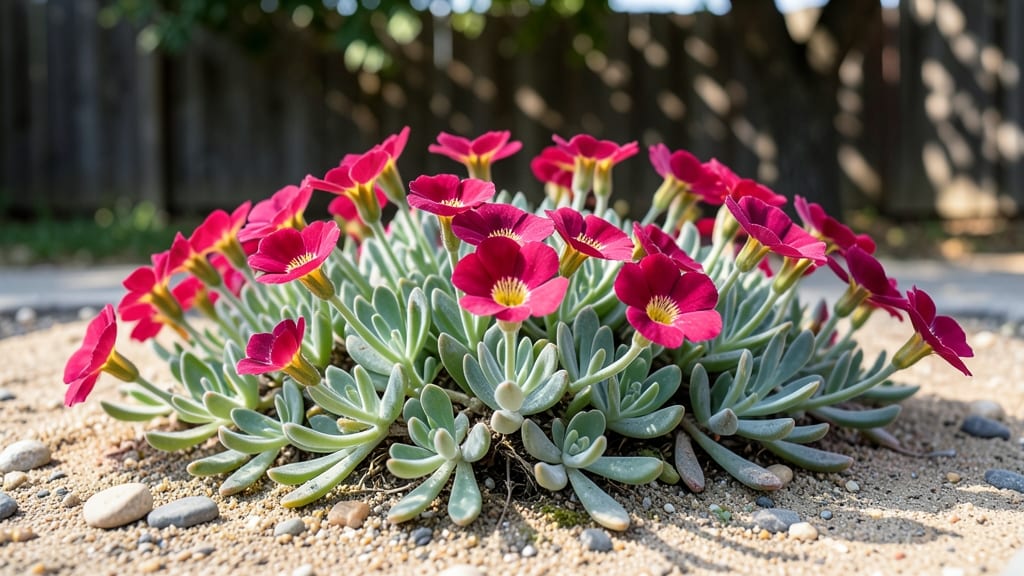
That delicate four-petalled flower lurking in your Pacific Northwest garden could be the deer-resistant game-changer you’ve been searching for—tested over years to outlast local wildlife with its tough, elegant charm. refuse to become a deer buffet.
The key isn’t just its resistance; it’s how it transforms borders from forgettable to showstopping with minimal effort. This perennial’s velvety lavender hue pairs perfectly with silver foliage or deep green shrubs, creating a cottage-garden feel without the upkeep.
Plant it alongside heuchera or ferns for contrast, or let it spill over edges where deer usually graze. The result? A garden that stays lush while others get stripped bare. You’ll love how it blooms reliably from early summer through fall, offering months of color with almost no maintenance.
The four-petaled shape adds unexpected whimsy to traditional designs—think wild but intentional. And yes, it’s tough enough to handle the PNW’s damp winters and hungry critters. For cottage gardens, woodland edges, or even city planters, this flower delivers easy elegance.
Let’s talk placement, pairings, and why it’s the unsung hero of low-fuss gardens.
📚 In This Guide
- What you need
- Instructions
- Tips and common mistakes
- Wrapping up and next steps
What you need
- ● Seeds or nursery-start plants: 1–3 Pacific Lupine (Lupinus polyphyllus) plants/seeds (choose disease-resistant varieties if possible).
- ○ Optional: Seed-starting mix if germinating indoors (sterile, seed-specific blend).
- ● Soil: Well-draining, slightly acidic to neutral soil (pH 6.0–7.0). Amend heavy clay with compost or sand (1 part compost to 3 parts native soil).
- ● Fertilizer: Slow-release, low-phosphorus fertilizer (e.g., 5-10-10 or organic options like fish emulsion or compost tea).
- ● Sunlight: Full sun to partial shade (6+ hours of sunlight daily for best blooms).
- ● Watering tools: Watering can or hose with a gentle spray nozzle (avoid soaking the soil—lupines hate soggy roots!).
- ○ Mulch (optional but recommended): 2–3 inches of wood chips or gravel to retain moisture and suppress weeds (keep mulch 2 inches away from stems).
- ● Garden tools: Hand trowel or transplanting spade (for digging holes).
- ● Pruning shears (for deadheading or shaping).
- ○ Gloves (optional—lupine leaves can be prickly!).
- ● Location prep: Test soil pH with a kit (available at garden centers) if unsure.
- ● Clear the area of weeds or debris (lupines compete poorly with invasive plants).
- ● Deer deterrent (proactive!):strong> Deer repellent spray (e.g., Liquid Fence or Plant Skydd) or physical barriers (chicken wire, 3–4 ft tall).
- ● 🌡️ Timing: Plant seeds in early spring (March–April) or late summer (August) for best germination.
- ● ✨ Soil trick: Mix in 1 cup of bone meal at planting for phosphorus (lupines are legumes and fix nitrogen, but they still need a boost!).
- ● 🎯 Spacing: Plant seeds/transplants 12–18 inches apart to allow airflow and prevent fungal issues.
Step-by-step guide for planting and cultivating Pacific Northwest deer-resistant perennials
Here’s how to establish a thriving patch of these hardy, purple-blooming beauties that deer leave alone.
🌱 Step 1: Select the Ideal Planting Site
Choose a location with partial shade to full sun—these perennials tolerate both but bloom most prolifically with at least 4-6 hours of sunlight daily. In the Pacific Northwest’s damp climate, avoid soggy spots; ensure the soil drains well to prevent root rot. I always test drainage by digging a 6-inch hole, filling it with water, and checking if it drains within 30 minutes. If not, amend the soil with 2-3 inches of compost to improve structure.
These plants thrive in well-draining, slightly acidic to neutral soil (pH 6.0-7.0). If your soil is heavy clay, mix in 1 part sand or perlite per 3 parts native soil to loosen it. The goal is a balance—too sandy and nutrients wash away; too dense and roots suffocate.
🌿 Step 2: Prepare the Soil and Plant Bare-Root Cuttings
Dig a hole twice as wide and just as deep as the root ball of your bare-root cutting. Gently loosen the roots before placing them in the hole—this encourages them to spread rather than stay compacted. If planting multiple perennials, space them 18-24 inches apart to allow airflow and reduce competition.
Fill the hole halfway with soil, then water deeply to eliminate air pockets. Once the water drains, finish backfilling and press the soil gently around the base. Mulch with 2-3 inches of organic mulch (like shredded bark or straw) to retain moisture and suppress weeds. Avoid piling mulch directly against the stems—keep it 2-3 inches away to prevent rot.
☀️ Step 3: Water and Monitor Early Growth
Water deeply once a week for the first 4-6 weeks to establish roots, then taper to every 10-14 days once growth is steady. These perennials are drought-tolerant once established, but young plants need consistent moisture. You’ll know they’re thriving when new leaves emerge bright green and slightly waxy—a sign of healthy hydration.
Watch for deer activity in the first few weeks; if you spot nibbled leaves, apply a deer repellent spray (like garlic-based options) or surround the area with 1-2 feet of tall ornamental grasses as a natural barrier. Deer rarely bother these perennials once they’re 12-18 inches tall, but early protection gives them a fighting chance.
✂️ Step 4: Prune and Maintain for Long-Term Blooms
After the first flush of blooms fades, cut back spent stems to 2-3 inches above the ground in early summer. This encourages a second round of blooms later in the season. Use clean, sharp pruners to avoid tearing the stems, and sterilize them with rubbing alcohol between cuts to prevent disease.
In late fall, trim back any dead or yellowing foliage but leave 1-2 inches of stem to protect the crown over winter. These perennials are hardy to USDA Zone 5, but a light layer of mulch (like straw or leaves) adds extra insulation in colder regions. By spring, you’ll see fresh growth emerging from the base—proof your plants are ready for another season.
🪴 Step 5: Divide and Expand Every 3-4 Years
When clumps become overcrowded (usually after 3-4 years), dig up the entire plant in early spring or fall when the soil is workable but not frozen. Separate the roots into 3-4 inch sections, ensuring each has at least one healthy bud. Replant the divisions immediately in prepared soil, following the same spacing guidelines.
This is the secret to keeping your patch vibrant—dividing rejuvenates the plants and gives you free new specimens to share. After replanting, water deeply once a week for 4 weeks to help the divisions establish roots. You’ll know they’re settling in when new shoots appear within 3-4 weeks.
Tips & tricks for cultivating Pacific Northwest deer-resistant perennials
A few strategic moves will help your purple blooms thrive and deter deer from the start.
Site Selection Insight: The 4-6 hours of sunlight requirement is non-negotiable for prolific blooming, but don't overlook microclimates. Morning sun with afternoon shade works beautifully in hotter microclimates. I've seen these perennials thrive in east-facing beds where they catch gentle morning rays but escape the afternoon heat. For maximum blooms, prioritize locations where the sun hits the plants directly between 10 AM and 2 PM.
Soil Preparation Strategy: That 30-minute drainage test reveals everything about your soil's health. If water pools after 30 minutes, you're dealing with compacted soil that needs immediate attention. For clay-heavy soils, I recommend mixing in 1 part sand with 2 parts compost (instead of the 3 parts native soil) to create a looser structure that still retains moisture. This balance prevents both nutrient leaching and waterlogging—two common issues in Pacific Northwest gardens.
Deer Deterrence Pro Tip: While the 12-18 inch height threshold is accurate, I've found that planting these perennials in clusters of 5-7 creates a visual barrier that deer find less appealing than isolated plants. Combine this with the recommended ornamental grasses, and you've essentially created an invisible fence that works better than chemical repellents. The key is planting them in tight groups rather than spreading them out.
Pruning Precision: When cutting back spent stems to 2-3 inches in early summer, make your cuts just above a set of healthy leaves or buds. This encourages new growth from exactly where you want it. I always use my pruners to make clean cuts at a 45-degree angle—this prevents water from pooling on the stem, which could lead to rot. Sterilizing between cuts is especially important if you're working with multiple plants to prevent cross-contamination.
Pro Tips for Four Petalled Flower
- A few strategic moves will help your purple blooms thrive and deter deer from the start.
- Site Selection Insight: The 4-6 hours of sunlight requirement is non-negotiable for prolific blooming, but don't overlook microclimates.
- Soil Preparation Strategy: That 30-minute drainage test reveals everything about your soil's health.
Frequently asked questions
Got questions about the stunning four-petaled flower—a deer-resistant purple perennial thriving in the Pacific Northwest? Here are some of the most common queries answered for you!
What makes this flower deer-resistant?
The four-petaled flower (often Lupinus polyphyllus or similar varieties) contains bitter alkaloids, which deer typically avoid. Its strong scent and fuzzy foliage also deter browsing. While not 100% deer-proof, it’s far more resilient than many garden favorites!
How long does it take to bloom after planting?
With proper care, expect blooms 1–2 years after planting. First-year growth focuses on root and foliage development, while mature plants (2+ years) reward you with vibrant purple spikes. Patience pays off—think of it as a slow-burning garden showstopper!
Are there alternatives if deer are a major issue?
Yes! Try Lavender (fragrant and tough), Russian Sage (drought-resistant), or Salvia nemorosa. Even heuchera (coral bells) or hebe can work. Mix textures/scent profiles to confuse deer further—diversity is your ally!
Why aren’t my four-petaled flowers blooming this year?
Common culprits: over-fertilizing (too much nitrogen = leafy growth, no blooms), poor drainage, or lack of sunlight. Prune spent blooms to encourage reblooming, and ensure 6+ hours of sun daily. If soil’s soggy, amend with compost for better aeration.
Can I grow this flower in containers?
Choose a large pot (12"+ diameter) with drainage holes and well-draining soil. Dwarf varieties like Lupinus ‘Russell Hybrid’ thrive in containers. Just monitor watering—containers dry out faster than garden beds. Perfect for patios or balconies!
Wrapping up and next steps
The four-petaled flower isn’t just a stunning addition to your Pacific Northwest garden—it’s a resilient, deer-resistant gem that thrives with minimal fuss. Whether you’re drawn to its vibrant purple hues or its low-maintenance charm, this perennial is a win-win for beauty and practicality. 🌸
Ready to transform your outdoor space? Start small—plant a few in a sunny spot, experiment with companion plants, and watch your garden bloom with effortless elegance. Happy gardening! 🌱