
Flowers
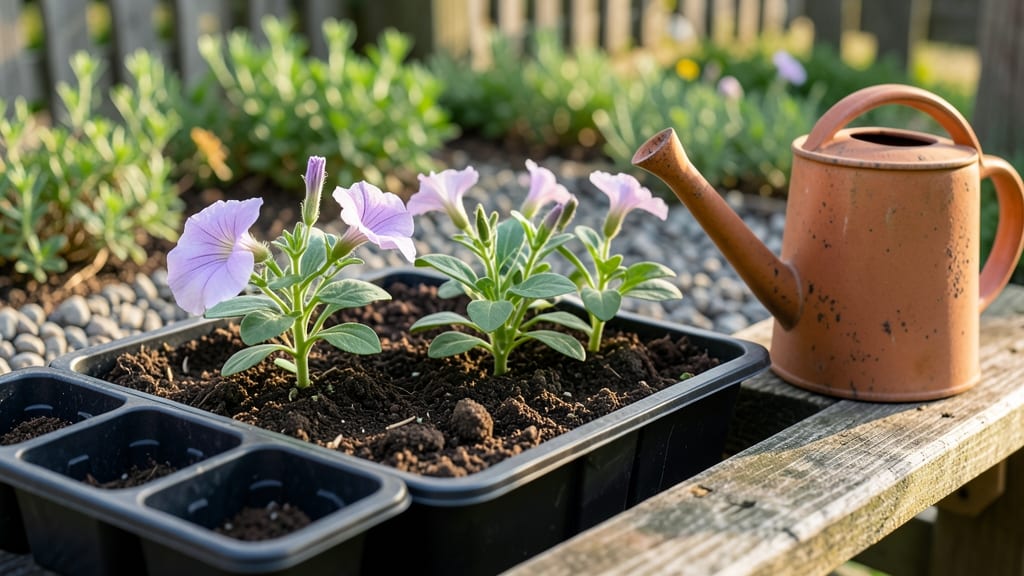
The first 30 days after planting freshly planted flowers determine whether they’ll thrive or struggle. I’ve learned that the secret isn’t just digging a hole—it’s creating the perfect conditions for roots to spread quickly and confidently.
The soil needs to be loose and rich, the spacing just right, and the watering routine foolproof from day one. Skip these steps, and even the hardiest blooms will fight to establish.
Here’s the thing—most gardeners focus on the pretty part (the blooms) but neglect the foundation (the roots). A well-prepared bed with amended soil, proper spacing to prevent competition, and deep watering right after planting makes all the difference.
I’ve seen weak stems flop under stress, but with the right setup, they stand tall within weeks. The key is consistency: water deeply once or twice a week, depending on your climate, and mulch to keep moisture locked in.
What you’ll end up with is a garden where flowers push through the soil with vibrant green leaves, not wilted scraggles. The roots grow strong enough to support heavy blooms, and the plants resist disease better because they’re not fighting for survival.
Even if you’ve had failures before, this method works—I’ve revived struggling plants just by adjusting their post-planting care.
This approach works for annuals, perennials, and even delicate bulbs. Whether you’re planting in spring or fall, the principles stay the same. Let’s get those roots growing the right way from the start—because the best blooms begin below the soil.
📚 In This Guide
- What you need
- Instructions
- Tips and common mistakes
- Wrapping up and next steps
What you need
- ● Flower bulbs/seeds/plants: Choose healthy, disease-free specimens (e.g., tulips, daffodils, or annuals like marigolds). Quantity depends on your garden size—aim for 3–5 plants per square foot for full blooms.
- ● High-quality potting soil: 1–2 bags (50 lbs each) of well-draining, organic soil mix (e.g., Miracle-Gro Garden Soil or FoxFarm Ocean Forest).
- ● Compost or fertilizer: 1 bag of balanced 10-10-10 or slow-release organic fertilizer (e.g., Espoma Garden-Tone).
- ● Watering can or hose: With a gentle spray nozzle to avoid disturbing roots.
- ● Garden trowel or shovel: For digging holes (6–12 inches deep, depending on plant size).
- ● Gloves and knee pads: To protect your hands and comfort during planting.
- ● Mulch: 1–2 bags of shredded bark or straw mulch (2–3 inches thick) to retain moisture.
- ● Plant markers: Labels or stakes to track flower varieties.
- ● Soil pH tester: Ensures your soil is ideal (most flowers thrive in 6.0–7.0 pH).
- ● Organic pest control: Neem oil or diatomaceous earth for early pest prevention.
- ● Drip irrigation system: For consistent watering (especially in dry climates).
- ● Pruning shears: To trim dead foliage post-planting.
Step-by-step instructions for caring for newly planted flowers
Your flowers are in the ground—now let's focus on what comes next.
Water Deeply and Consistently
Give your freshly planted flowers 1-2 gallons of water per plant right after planting. This settles the soil around the roots and removes air pockets that can stress new roots. Water slowly at the base, avoiding the foliage to prevent fungal diseases. You'll know you've done it right when the soil feels damp 6 inches down.
After the initial watering, maintain 1 inch of water per week, either from rainfall or irrigation. Overwatering is just as harmful as underwatering—check the soil by sticking your finger 2 inches deep. If it feels dry, it's time to water again. Mulch around the base with 2-3 inches of organic material to retain moisture and keep roots cool.
Monitor Soil Moisture and Light
Newly planted flowers need consistent moisture for the first 4-6 weeks while roots establish. Use a moisture meter or your finger to test soil levels daily during hot weather. If the top 1-2 inches of soil feel dry, water thoroughly but avoid creating puddles. Too much water can suffocate roots and invite rot.
Ensure your flowers receive the correct light exposure based on their type. Sun-loving varieties like zinnias or marigolds need 6+ hours of direct sunlight, while shade-tolerant flowers like impatiens thrive in partial shade (3-6 hours of sunlight). Watch for leaves curling or wilting—this often signals incorrect light levels. Adjust placement if needed, but avoid moving plants too soon after transplanting.
Protect from Stress and Pests
Freshly planted flowers are vulnerable to wind, extreme heat, and pests in their first few weeks. Use stakes or cages for taller varieties like delphiniums to prevent them from toppling over. If temperatures exceed 90°F, provide afternoon shade with a lightweight cloth or move potted flowers to a sheltered spot.
Keep an eye out for aphids, spider mites, or slugs, which are drawn to tender new growth. Remove pests manually with a spray of soapy water or introduce beneficial insects like ladybugs. Avoid chemical treatments for the first 2-3 weeks, as they can harm delicate roots. If you notice yellowing leaves or chewed foliage, act quickly—early intervention prevents long-term damage.
Fertilize Lightly for Strong Growth
Wait 4-6 weeks before applying fertilizer to give roots time to adjust. Use a balanced, water-soluble fertilizer (10-10-10) diluted to half-strength. Apply it to the soil, not the leaves, and water thoroughly afterward to prevent root burn. You’ll see healthier foliage and more vibrant blooms within 2-3 weeks of proper fertilization.
For organic options, mix compost or worm castings into the soil around the base of the plant. This improves soil structure and provides slow-release nutrients. Avoid high-nitrogen fertilizers, which encourage leafy growth at the expense of flowers. Instead, opt for a low-nitrogen, high-phosphorus blend to promote blooming.
Tips & tricks for perfect flower establishment
Here's what nobody tells you about giving your new plants the best possible start—these are the details that separate thriving blooms from struggling survivors.
Watering Technique: When giving that initial 1-2 gallons per plant, use a slow watering can or soaker hose rather than a sprinkler. This prevents runoff and ensures the water penetrates all the way down to those 6 inches we want to reach. I learned this the hard way after watching water pool on the surface and run off before it could soak in properly. For container plants, let them drain completely between waterings—soggy soil is just as deadly as dry soil for new roots.
Light Exposure Secret: The 6+ hours of sunlight for sun-lovers isn't just about quantity—it's about quality. Position your plants so they get morning sun and afternoon shade during the hottest part of summer (especially when temperatures exceed 90°F). I've seen zinnias wilt dramatically in full afternoon sun, only to recover beautifully when moved to partial shade. For shade plants, avoid deep shade—even impatiens need those 3-6 hours to thrive, not complete darkness.
Stress Protection: That 2-3 inch layer of mulch isn't just for moisture—it also acts as insulation. In hot weather, it keeps roots from overheating, and in cold snaps, it provides a protective barrier. I've seen newly planted delphiniums topple over in the first windstorm because they weren't staked properly. If your plants are taller than 12 inches, add support immediately after planting, even if they don't look like they need it yet.
Fertilizer Timing: The 4-6 week waiting period before fertilizing gives roots time to establish without the shock of sudden nutrient changes. I've made the mistake of fertilizing too early and ended up with leafy growth at the expense of blooms. When you do fertilize, apply it in the morning so the plants have time to absorb nutrients before the heat of the day. For organic gardeners, worm castings are my go-to—they're gentle on new roots while providing all the nutrients your flowers need.
Pro Tips for Freshly Planted Flowers
- Here's what nobody tells you about giving your new plants the best possible start—these are the details that separate thriving blooms from struggling survivors.
- Watering Technique: When giving that initial 1-2 gallons per plant, use a slow watering can or soaker hose rather than a sprinkler.
- Light Exposure Secret: The 6+ hours of sunlight for sun-lovers isn't just about quantity—it's about quality.
Frequently asked questions
Got questions about keeping your freshly planted flowers happy and blooming? You’re in the right place! Here are some of the most common concerns—and their easy solutions.
How soon after planting will my flowers start growing?
Patience is key! Most flowers take 2–6 weeks to show signs of new growth, depending on the type (annuals sprout faster than perennials). Focus on consistent watering and soil care—roots need time to establish before shoots appear. Avoid digging up the soil too early to check progress!
How often should I water freshly planted flowers?
Water deeply 2–3 times per week (or daily in extreme heat) for the first 2 weeks. Aim for 1–2 inches of water per week, soaking the soil 6–8 inches down. Use a soaker hose or drip irrigation to avoid wetting leaves, which can cause disease. Mulch helps retain moisture!
Why are my newly planted flowers wilting or turning yellow?
Wilting or yellowing often signals overwatering, underwatering, or transplant shock. Check the soil—it should be moist but not soggy. If roots were disturbed during planting, trim any damaged roots and water lightly for a few days. Stress tip: A balanced fertilizer (like 10-10-10) 2–3 weeks post-planting can boost recovery.
Can I use old potting soil or garden soil for planting?
Nope! Old potting soil may harbor pests or diseases, and garden soil can be too dense for roots. Mix 50% native soil + 50% compost for the best results. For containers, use a lightweight, well-draining potting mix with perlite or vermiculite to prevent compaction.
What’s the best time to plant flowers in cold climates?
Wait until after the last frost (check your USDA Plant Hardiness Zone) and when soil temps reach at least 60°F (15°C). For tender plants, start indoors 6–8 weeks before the last frost or use row covers for early outdoor planting. Cool-season flowers (like pansies) can handle light frosts!
What if I planted my flowers too deep or too shallow?
No panic! If planted too deep, gently loosen the soil around the base and adjust the crown (where roots meet stems) to sit just above soil level. If too shallow, add soil around the base and water thoroughly. Avoid burying stems—this can cause rot. Most flowers recover well with proper care!
Wrapping up and next steps
Watching freshly planted flowers transform from delicate shoots to vibrant blooms is one of gardening’s greatest joys! 🌸 With the right soil, care, and patience, your garden can become a lush, colorful haven. Remember, every expert gardener started with a single seed—or in this case, a single plant.
Ready to take the next step? Start small—whether it’s a single pot of petunias or a full flowerbed—and let your green thumb grow! Happy planting!