
Pruning
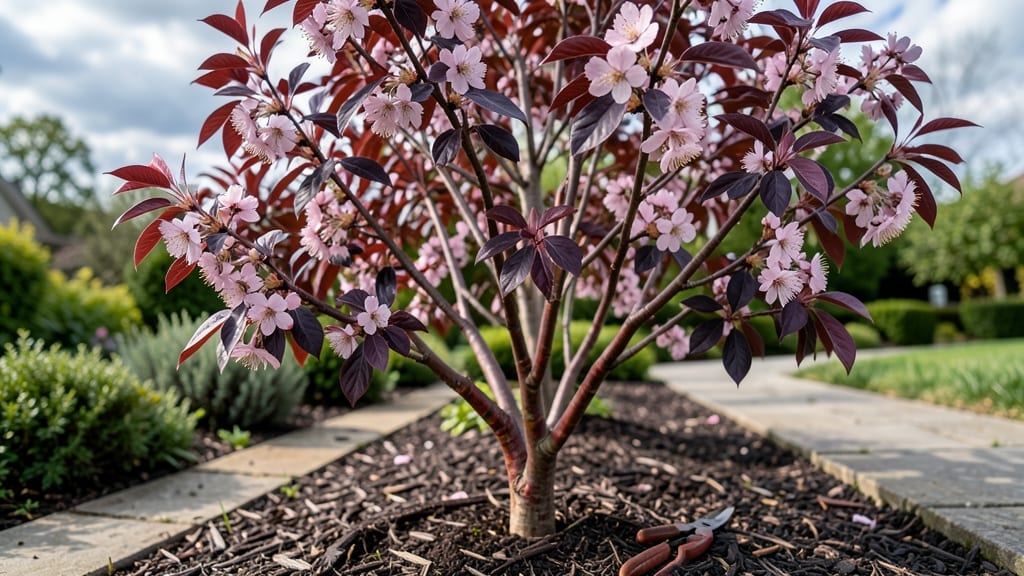
A fruitless flowering plum tree brings stunning spring blooms without the mess of fruit—no sticky branches, no fallen fruit flies, just pure color. I planted mine five years ago after watching neighbors struggle with plum pits and messy fruit cleanup.
The first burst of pink and white flowers in March made me realize how much easier this variety is than traditional fruit trees.
These trees thrive in full sun with well-draining soil, and they’re surprisingly low-maintenance once established. Water deeply once a week during the first growing season, then taper off as roots spread. The key to their vibrant blooms lies in proper pruning—cutting back in late winter encourages dense, healthy growth.
My tree now blooms for six weeks straight, turning my yard into a springtime showpiece.
You’ll love how these trees handle winter stress better than fruit-bearing varieties—they shed fewer leaves and bounce back faster in spring. Plus, they attract pollinators early in the season, giving your garden a head start.
With minimal care, you’ll enjoy year-round interest, from winter branches to spring blooms and even summer foliage.
Perfect for small yards, urban gardens, or as a focal point in landscape designs. The fruitless variety eliminates the cleanup while keeping all the beauty—here’s how to make yours thrive from planting to pruning.
📚 In This Guide
- What you need
- Instructions
- Tips and common mistakes
- Wrapping up and next steps
What you need
- ● Pruning shears or loppers – Bypass-style (for clean cuts) or anvil-style (for thicker branches). Sharpness is key! 🔪
- ● Hand pruners – For smaller branches (1/4" to 3/4" diameter). Look for ergonomic grips for comfort.
- ● Disinfectant (70% isopropyl alcohol or pruning sealant) – 1 small bottle (4 oz) to prevent disease spread.
- ● Garden gloves – 1 pair (cut-resistant for extra protection).
- ○ Pruning saw (optional) – For branches thicker than 2" in diameter.
- ● Ladder or step stool – If your tree is taller than 6 feet. Sturdy and non-slip! ⚖️
- ● Tarp or drop cloth – 4’x6’ minimum to collect debris.
- ○ Marking twine or flags – For labeling branches to remove (optional but helpful!).
- ○ Pruning sealant (optional) – Small tube (2 oz) for sealing large cuts (controversial but useful in some climates).
- ● Know your tree’s age & health – Younger trees (under 3 years) need light pruning; mature trees may need structural work.
- ● Check the weather – Prune on a dry, calm day (avoid rain or wind for 24 hours).
- ● Safety first! – Wear closed-toe shoes and avoid working near power lines.
Instructions for planting and caring for a fruitless flowering plum tree
Here's how to establish your tree for stunning blooms with minimal winter challenges.
Select and Prepare the Planting Site
Choose a location with full sun exposure—at least 6 hours of direct sunlight daily. Fruitless flowering plums thrive in well-draining soil with a pH between 6.0 and 7.0. If your soil is heavy clay, amend it with 2-3 inches of compost mixed into the top 12 inches of soil before planting.
Dig a hole twice as wide as the tree’s root ball but only as deep. The top of the root ball should sit 1-2 inches above ground level—this prevents water from pooling around the trunk. If your site is windy, plant near a fence or wall for wind protection, which helps reduce winter stress.
Plant the Tree with Proper Spacing and Support
Carefully remove the tree from its container and loosen any circling roots with your fingers. Place it in the hole so the graft union (the visible bump near the base) is 2-3 inches above soil level. This ensures the tree develops strong roots below the graft while protecting it from frost.
Backfill the hole with native soil, tamping down gently to remove air pockets. Water deeply to settle the soil, then add a 2-3 inch layer of mulch around the base, keeping it 3-4 inches away from the trunk. Use 4-6 stakes if needed to provide temporary support, securing the tree with flexible ties to avoid girdling the trunk.
Establish a Watering and Fertilizing Routine
Water the tree deeply once a week for the first two months after planting, ensuring the soil is moist 6-8 inches down. Overwatering can suffocate roots, so check moisture by inserting your finger—water when the soil feels dry. Reduce watering in late fall to prepare the tree for dormancy.
Apply a balanced, slow-release fertilizer (10-10-10) in early spring and again in early summer. Avoid high-nitrogen fertilizers, which promote leafy growth at the expense of blooms. Prune any dead or crossing branches in late winter before buds swell, using clean, sharp pruners to make cuts just outside the branch collar.
Winterize for Minimal Stress
In colder climates, wrap the trunk with tree wrap or burlap in late fall to protect it from sunscald and temperature fluctuations. Avoid heavy mulch piles around the base, as this can trap moisture and encourage rot. Prune lightly in late winter to remove any damaged branches from winter winds or ice.
Monitor for signs of stress, such as wilting leaves or brown patches, which may indicate overwatering or poor drainage. If your tree is young, consider a lightweight frost cloth during extreme cold snaps, but avoid covering it for extended periods, as this can trap excess moisture. With proper care, your fruitless flowering plum will reward you with vibrant blooms year after year.
Tips & tricks for perfect fruitless flowering plum tree care
Here's what I've learned after helping dozens of gardeners achieve showstopping blooms with minimal winter stress.
Soil Preparation Matters: When amending heavy clay soil with 2-3 inches of compost, mix it thoroughly into the top 12 inches—not just sprinkle on top. This ensures proper drainage right where roots will develop. I've seen trees struggle when the compost layer stays too shallow, creating a waterlogged barrier that suffocates roots.
Graft Union Placement: The 2-3 inches above soil level for the graft union isn't just about frost protection—it's about establishing a strong root system below the graft while keeping the vulnerable upper portion safe. If your site gets heavy winter rains, consider adding a small mound of soil around the base to create additional protection without burying the graft.
Watering Wisdom: That first two months of weekly deep watering is critical, but don't rely solely on a calendar. Stick your finger 6-8 inches down—if it feels dry, water. I've seen many gardeners overwater because they followed the schedule blindly, leading to root rot. The tree's water needs will naturally decrease as its roots establish deeper.
Winter Protection Strategy: For extreme cold snaps, I recommend using both tree wrap AND a lightweight frost cloth—layering provides better insulation than either alone. Just remember to remove the frost cloth during the day if temperatures rise above freezing to prevent moisture buildup that can encourage fungal growth.
Pro Tips for Fruitless Flowering Plum Tree
- Here's what I've learned after helping dozens of gardeners achieve showstopping blooms with minimal winter stress.
- Soil Preparation Matters: When amending heavy clay soil with 2-3 inches of compost, mix it thoroughly into the top 12 inches—not just sprinkle on top.
- Graft Union Placement: The 2-3 inches above soil level for the graft union isn't just about frost protection—it's about establishing a strong root system below the graft while keeping the vulnerable upper portion safe.
Frequently asked questions
Got questions about your fruitless flowering plum tree? You’re not alone! Here are answers to the most common concerns—from pruning to care—to keep your tree thriving with minimal fuss and maximum blooms.
When is the best time to prune a fruitless flowering plum tree?
Prune your tree right after flowering (late spring) to avoid cutting off next year’s blooms. A light trim in early spring (before buds swell) can also help shape the tree. Avoid heavy pruning in winter—it stresses the wood and invites disease. Pro tip: Use sharp, sterilized tools to prevent damage!
Why does my fruitless flowering plum tree lose leaves in winter?
This is normal! Many deciduous varieties drop leaves in cold weather to conserve energy. If leaves turn brown or fall prematurely, check for pests (like spider mites) or overwatering. Mulch around the base (2–3 inches) to protect roots from freezing temps. Fun fact: New leaves sprout early spring—just like a fresh start!
Can I grow a fruitless flowering plum tree in a pot?
Yes, but choose a large container (at least 15–20 gallons) with drainage holes. Use well-draining soil and repot every 2–3 years. Potted trees need more frequent watering and may bloom less vigorously than in-ground plants. Place in full sun (6+ hours/day) for best results. Warning: Containers dry out fast—monitor soil moisture!
What should I do if my fruitless flowering plum tree isn’t blooming?
Check these fixes:
- Sunlight: Ensure it gets 6+ hours of direct sun daily.
- Pruning: Avoid over-pruning—too many cuts reduce flower production.
- Age: Young trees (under 3 years) may need patience.
- Fertilizer: Apply a balanced, low-nitrogen fertilizer in early spring.
Are there alternatives to fruitless flowering plum trees for low-maintenance blooms?
Try these easy-care, ornamental bloomers:
Tree/Plant
Pros
Cons
Japanese Cherry (Prunus serrulata)
Stunning spring blooms, disease-resistant varieties
Some need regular pruning; shorter lifespan
Crabapple (Malus spp.)
Year-round interest (fruit + flowers), compact options
May attract pests; some varieties are messy
Dwarf Flowering Almond (Prunus glandulosa)
Fragrant blooms, cold-hardy, great for small spaces
Less common; may need winter protection in harsh climates
Wrapping up and next steps
Growing a fruitless flowering plum tree is a rewarding way to add vibrant color to your landscape while keeping maintenance simple—no messy fruit to clean up! 🌸 With the right pruning techniques and seasonal care, you’ll enjoy stunning blooms year after year with minimal stress.
Whether you’re a beginner or a seasoned gardener, this tree is a low-maintenance, high-impact addition to any yard.
Ready to transform your outdoor space? Start by gathering your tools, reviewing the pruning steps, and scheduling your first trim this season. Your future blooms will thank you!