
Trees
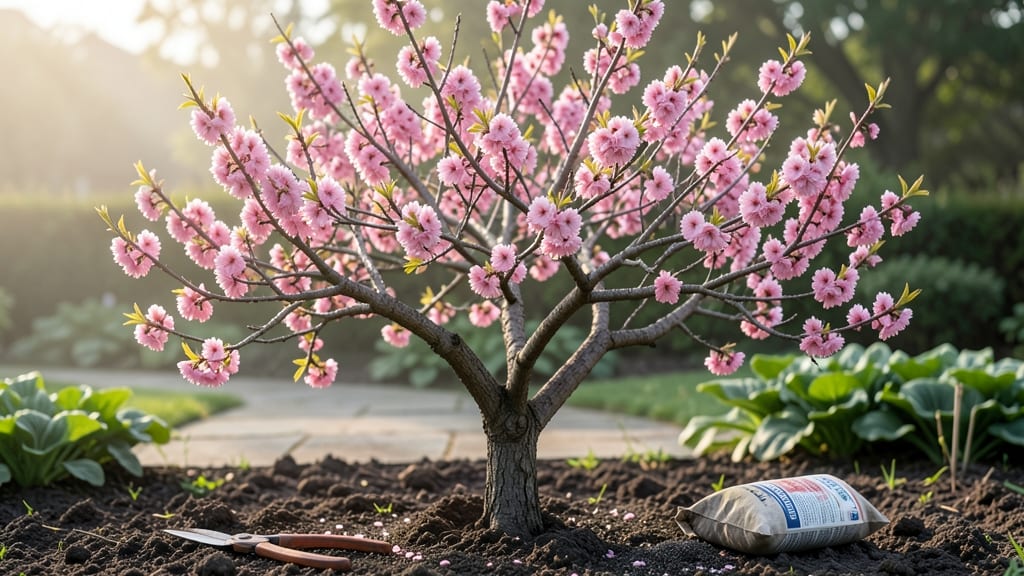
Pink and white flowering trees turn Pacific Northwest gardens into living canvases—soft pastels against misty skies and evergreen backdrops. ✨ I’ve planted three varieties now, and each spring, neighbors stop to ask which one is new. The secret isn’t just the blooms, though; it’s how they frame your space year-round.
Dogwoods steal the show in early spring with their cloud-like blossoms, while crabapples add texture and fragrance through summer. Magnolias? Their glossy leaves and late-season flowers bring drama when others fade. The best part? They pair effortlessly with ferns, rhododendrons, and even native grasses for layered interest.
Imagine your front yard in May: pink petals drifting over white bark, sunlight catching dew on fresh leaves. These trees don’t just fill empty spaces—they create moments. Place one near a patio for shade, or flank a walkway to guide visitors through your garden’s story.
Whether you’re starting from bare-root saplings or transplanting a young tree, the key is patience. First blooms might take 2–3 years, but the wait transforms your garden into a seasonal masterpiece. Ready to pick your star?
📚 In This Guide
- What you need
- Instructions
- Tips and common mistakes
- Wrapping up and next steps
What you need
- ● Pink & white flowering tree saplings: Choose from varieties like Washington Hawthorn (Crataegus phaenopyrum), Flowering Cherry (Prunus serrulata), or Pacific Dogwood (Cornus nuttallii). Quantity: 1–3 trees, depending on garden size.
- ● High-quality potting soil: 2–3 cubic yards (for in-ground planting) or 5–10-gallon bags (for container growing). Look for well-draining, organic-rich soil (e.g., Miracle-Gro or FoxFarm Ocean Forest).
- ● Organic mulch: 2–3 inches of cedar chips, pine bark, or wood shavings (avoid dyed mulch—it can harm roots!).
- ● Slow-release fertilizer: 10–20 lbs of balanced, organic fertilizer (e.g., 10-10-10 or fish emulsion).
- ● Shovel or spade: For digging holes (12–18 inches deep and 2–3 times the root ball’s width).
- ● Garden gloves: Heavy-duty, waterproof gloves to protect your hands.
- ● Wheelbarrow or bucket: For mixing soil and transporting materials.
- ● Watering can or hose with a gentle spray nozzle: Essential for post-planting hydration.
- ○ Pruning shears: Sharp, sterilized shears for shaping and trimming (optional but helpful!).
- ● Tree stakes & ties: If planting in windy areas, use biodegradable stakes to support young trees.
- ● Soil pH tester: Ensures your soil is slightly acidic (pH 6.0–7.0), ideal for most flowering trees.
- ● Drip irrigation system: Automates watering for consistent moisture (great for drought-prone areas!).
- ● Tree guards: Protects young trunks from pests and lawn equipment.
Step-by-step guide to selecting and planting Pacific Northwest pink-and-white flowering trees
Here's how to choose stunning varieties that thrive in PNW climates.
🌱 Step 1: Choose the Right Tree for Your Site
Start with your yard's specific conditions. The Pacific Northwest's mild winters and wet springs favor trees like Pacific Dogwood (Cornus nuttallii) or Western Redbud (Cercis occidentalis), both of which deliver breathtaking pink-and-white blooms. Dogwoods prefer partial shade and moist, well-drained soil, while redbuds tolerate drier conditions and full sun.
Measure your planting space—most mature flowering trees need 20-30 feet of clearance for their canopy. If your yard is tight, consider dwarf varieties like 'Compacta' Japanese Flowering Cherry (Prunus serrulata 'Compacta'), which stays under 15 feet tall while still producing abundant pink-and-white blossoms.
Here's the thing—soil matters more than you think. PNW soils often compact easily, so amend with 3-4 inches of organic matter (like compost or bark mulch) before planting. This improves drainage and root development, which directly impacts bloom health.
☀️ Step 2: Time Your Planting for Optimal Establishment
Fall is the best time to plant in the Pacific Northwest, between October and November when temperatures cool but the ground remains workable. This gives roots 4-6 months to establish before spring growth begins. If you must plant in spring, do it 4-6 weeks before your last frost date—usually mid-April in most PNW regions.
Dig a hole twice as wide as the root ball but no deeper. The top of the root ball should sit 1-2 inches above ground level to prevent waterlogging. Gently loosen any circling roots with your fingers—this encourages outward growth rather than girdling.
Real talk: Don't rush the planting process. If the tree arrives with a dry root ball, soak it for 15-20 minutes before handling. You'll see the soil darken and pull away from the container—this is your signal it's ready to go in the ground.
💧 Step 3: Water and Mulch for First-Year Success
Water deeply immediately after planting—pour 10-15 gallons of water into the hole to settle the soil around roots. Then, water again every 2-3 days until the first true leaves appear, keeping the soil consistently moist but never soggy. Overwatering in the first year is a common mistake that leads to root rot.
Apply 3-4 inches of mulch over the root zone, keeping it 6 inches away from the trunk to prevent moisture buildup against the bark. Use shredded bark or wood chips—they break down slowly and improve soil structure over time. Replenish mulch annually to maintain 3-inch depth.
Here's where it gets fun—watch for new growth in spring. Healthy trees will show bright green leaves by mid-April, and you'll start seeing flower buds forming by late May. If leaves appear yellow or wilted, your tree may need more frequent watering or better drainage.
✂️ Step 4: Prune for Shape and Bloom Health
Prune your tree immediately after flowering (late spring) to remove any dead, diseased, or crossing branches. Use clean, sharp pruners to make cuts at a 45-degree angle, just outside the branch collar. This prevents water from pooling and reduces the risk of infection.
For flowering trees, never prune in fall or winter—you'll cut off next year's blooms. Instead, focus on shaping the tree by removing branches that grow inward or rub against each other. Aim for an open canopy that allows light to reach the center, where most flowers develop.
I like to prune lightly each year rather than doing heavy cuts all at once. This reduces stress on the tree and encourages stronger growth. You'll see a noticeable difference in bloom quantity within 2-3 years of consistent pruning.
Tips & tricks for perfect Pacific Northwest pink-and-white flowering trees
Transform your PNW garden into a seasonal masterpiece with these insider secrets for thriving blooms.
Location Intelligence: Pacific Dogwoods and Western Redbuds each have distinct preferences—dogwoods thrive in partial shade with moist, well-drained soil, while redbuds handle full sun and drier conditions. I learned this the hard way after planting a dogwood in full sun where it struggled for years. Observe your yard's light patterns throughout the day before selecting your tree.
Soil Preparation Strategy: That 3-4 inches of organic matter isn't just about drainage—it's about creating the perfect microbial environment for roots. I recommend mixing in a 50/50 blend of compost and bark mulch before planting. This combination improves soil structure while providing slow-release nutrients that support early bloom development. The key is working it into the native soil rather than just layering on top.
Planting Timing Secret: The 15-20 minute root ball soaking before planting is your secret weapon for transplant shock prevention. Watch for the soil to darken and pull away from the container—this indicates proper hydration. In cooler fall months, you might need 20-25 minutes instead of 15. The goal is to hydrate the roots without creating anaerobic conditions in the soil.
First-Year Watering Hack: That 10-15 gallon initial watering should be done slowly to allow proper soil saturation. I use a garden hose with a gentle spray nozzle to avoid creating surface runoff. After the first watering, check soil moisture by sticking your finger 2 inches down—if it feels dry, water again. This method helps you avoid both underwatering and the root rot risk from overwatering.
Pro Tips for Pink And White Flowering Tree
- Transform your PNW garden into a seasonal masterpiece with these insider secrets for thriving blooms.
- Location Intelligence: Pacific Dogwoods and Western Redbuds each have distinct preferences—dogwoods thrive in partial shade with moist, well-drained soil, while redbuds handle full sun and drier conditions.
- Soil Preparation Strategy: That 3-4 inches of organic matter isn't just about drainage—it's about creating the perfect microbial environment for roots.
Frequently asked questions
Got questions about choosing, growing, or enjoying pink and white flowering trees in the Pacific Northwest? Here are answers to the most common queries—so you can make the best decisions for your garden!
What’s the best pink-and-white flowering tree for small yards?
For compact spaces, consider the Cercis canadensis ‘Alba’ (white flowering redbud) or Prunus ‘Kanzan’ (cherry blossom). Both thrive in PNW climates, offer vibrant blooms, and stay manageable (15–25 ft tall). Just ensure they get 6+ hours of sunlight daily!
When do these trees typically bloom in the Pacific Northwest?
Blooming times vary: cherry blossoms (late March–April), dogwoods (April–May), and redbuds (March–April). Cooler PNW springs may delay blooms by 1–2 weeks. Check your tree’s specific variety for precise timing—some, like Magnolia stellata, bloom earlier (February–March).
Are pink-and-white flowering trees drought-tolerant?
Most need consistent moisture to establish roots, but some (like Prunus ‘Okame’) adapt well once mature. Mulch heavily and water deeply 1–2x/week during dry spells. Native options like Cornus nuttallii (Pacific dogwood) are more resilient once established.
Can I plant these trees in partial shade?
Some tolerate partial shade (e.g., Magnolia ‘Jane’), but full sun (6+ hours) ensures best blooms and longevity. If your yard is shady, opt for shade-tolerant varieties like Deutzia ‘Nikko’ (white/pink clusters) or Viburnum ‘Withella’. Test your spot with a sunlight tracker for 24 hours!
Do these trees attract bees or other pests?
Yes! Their fragrant blooms draw pollinators like bees and butterflies—great for ecosystems. However, aphids or Japanese beetles may appear. Spray with water to deter pests or use neem oil. Choose pest-resistant varieties (e.g., Prunus ‘Royal Burgundy’) if bugs are a concern.
How long does it take for a newly planted tree to flower?
Patience is key! Most take 3–5 years to bloom after planting. Fast bloomers like Magnolia ‘Star Wars’ may flower in 2 years, while others (e.g., Cercis) take longer. Prune lightly to encourage growth—avoid heavy cuts until established.
Wrapping up and next steps
Transforming your Pacific Northwest landscape into a year-round floral masterpiece is easier than you think! Pink and white flowering trees like dogwoods, magnolias, and cherry blossoms bring timeless beauty and vibrant energy to any garden.
Whether you're a seasoned gardener or just starting, these showstoppers are low-maintenance yet high-impact—perfect for adding charm and curb appeal.
Ready to elevate your outdoor space? 🌸 Start by researching the best varieties for your climate, then plan your layout with confidence. Your future self—and your neighbors—will thank you!