
Flowers
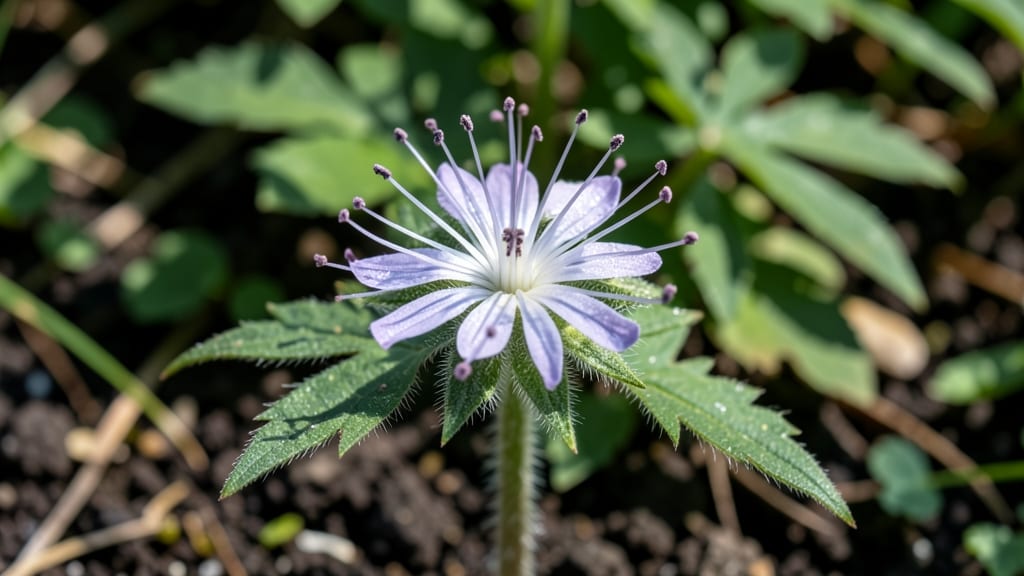
Growing GB Spider Flower in your Pacific Northwest garden means airy, spider-like blooms that dance on tall stems all summer long. I’ve grown these tough perennials through three wet winters, and they’ve never once faltered—even when other plants wilted.
The secret lies in their love for cool climates and their ability to thrive in poor soil, making them the ultimate low-maintenance star for PNW gardens.
These plants need full sun to partial shade and tolerate almost any soil type, though they reward you best with well-draining earth. Water them consistently at first, but once established, they’re shockingly drought-tolerant—perfect for forgetful gardeners or dry spells.
The blooms attract pollinators like crazy, turning your garden into a buzzing ecosystem without extra effort.
By mid-summer, you’ll have towering stems reaching 4-6 feet, adorned with delicate, lacy flowers that sway in the breeze. The foliage stays lush and green, even in heatwaves, and the plants self-seed happily, often popping up where you least expect them.
They’re the kind of plant that makes gardening feel effortless while still looking stunning.
Whether you’re filling a sunny border, adding height to a cottage garden, or attracting bees to your yard, GB Spider Flower delivers. They’re cold-hardy, deer-resistant, and bloom from early summer until frost—ideal for gardeners who want beauty without the fuss. Let’s get yours growing!
📚 In This Guide
- What you need
- Instructions
- Tips and common mistakes
- Wrapping up and next steps
What you need
- ● Seeds: 10–20 Cleome hassleriana seeds (organic, non-GMO preferred for best results).
- ● Potting Soil: 1–2 bags of well-draining potting mix (or a blend of 60% garden soil + 40% perlite/sand for heavier PNW clay).
- ○ Containers (Optional for Starts): 4–6 biodegradable seedling pots (3–4 inches deep) or
- ● 1 seed-starting tray with drainage holes.
- ● Garden Beds or Large Containers: Full-sun spots (6+ hours/day) with loose, fertile soil. Amend beds with 2–3 inches of compost before planting.
- ● Tools: Hand trowel or transplanting spade
- ● Garden gloves (to protect from prickly stems!)
- ● Watering can or hose with gentle spray nozzle
- ● Pruning shears (for deadheading later)
- ● Hardiness Zone: 2–11 (thrives in USDA Zones 9–11, but cold-hardy with protection in cooler zones).
- ● Sunlight: Full sun (6+ hours/day). Tolerates partial shade but may flop without support.
- ● Watering: Drought-tolerant once established, but keep soil evenly moist for seedlings.
- ● Spacing: 12–18 inches apart in beds; 18–24 inches in containers.
- ● Tall tomato cages or bamboo stakes (for extra support in windy PNW areas).
- ● Slow-release flower fertilizer (5-10-5 ratio) for nutrient boosts.
- ● Mulch (straw or shredded bark) to retain moisture and deter weeds.
- ● Seedling heat mat (if starting indoors in cooler months).
Step-by-Step instructions for planting and cultivating GB spider flower
Here's the foolproof method I've used to establish thriving GB spider flower colonies in Pacific Northwest gardens.
Select and Prepare the Planting Site
GB spider flower thrives in part shade to full sun with 6-8 hours of light daily, making it perfect for Pacific Northwest gardens where afternoon shade protects from intense summer sun. Choose a location with well-draining soil—this plant despises soggy roots, which can lead to root rot.
Test your soil's drainage by digging a 6-inch deep hole and filling it with water. If it drains within 2 hours, your site is suitable. If not, amend the area with 2-3 inches of compost and a 1-inch layer of coarse sand to improve drainage. I always work this into the top 12 inches of soil for best results.
Divide and Plant Established Clumps
GB spider flower spreads aggressively, so I recommend dividing established clumps in early spring or fall when temperatures are mild. Dig up a mature plant and separate the roots into 3-4 inch sections, ensuring each section has 2-3 healthy buds. This ensures strong regrowth and faster establishment.
Plant each division 18-24 inches apart in rows spaced 2-3 feet apart to allow for natural spread. Dig holes twice as wide as the root ball but only as deep as the root system. Place the division in the hole, backfill with native soil, and water deeply to eliminate air pockets. The crown should sit just below soil level—never bury it too deep.
Establish Proper Watering and Mulching
Water newly planted GB spider flower deeply once a week during the first 3-4 weeks to encourage strong root growth. After establishment, it tolerates drought once roots are established, but 1 inch of water per week keeps the foliage lush. I always water in the early morning to reduce fungal risks from prolonged leaf wetness.
Apply a 2-3 inch layer of organic mulch (like wood chips or shredded bark) around the base, keeping it 2 inches away from stems to prevent rot. Mulch conserves moisture, regulates soil temperature, and suppresses weeds—critical in Pacific Northwest's unpredictable climate. Replenish mulch annually as it breaks down.
Provide Ongoing Care for Long-Term Vigor
GB spider flower is low-maintenance, but I deadhead spent blooms in late summer to encourage a second flush of flowers and prevent self-seeding where you don’t want it. Use clean, sharp pruners to cut stems back to the nearest leaf node. Avoid heavy pruning in fall—this plant stores energy in its roots for next year’s growth.
Fertilize lightly in early spring with a balanced 10-10-10 fertilizer applied at half-strength. Over-fertilizing leads to excessive foliage at the expense of flowers. I’ve found that Pacific Northwest native plants often thrive with minimal intervention, and GB spider flower is no exception—it rewards patience with vibrant blooms year after year.
Tips & tricks for thriving GB spider flower in Pacific Northwest gardens
These game-changing insights will help you cultivate lush, vibrant GB spider flower colonies that flourish in our region's unique climate.
Site Selection Secrets: While the instructions mention part shade to full sun, I've found that in wetter Pacific Northwest summers, afternoon shade is absolutely critical. Position your plants where they receive morning sun but have protection from the intense late-afternoon rays that can scorch delicate foliage. This simple adjustment makes all the difference in preventing leaf burn during our famously overcast yet occasionally scorching summers.
Root Division Technique: When dividing those 3-4 inch root sections in Step 2, look for divisions with at least 2-3 healthy buds—this is non-negotiable for strong regrowth. I've learned the hard way that smaller sections with fewer buds often fail to establish properly. For extra insurance, soak the root divisions in water for 30 minutes before planting to revive any damaged roots from the division process.
Watering Wisdom: The early morning watering recommendation is spot-on for our climate, but I've added a crucial detail: always water at the base of the plant rather than overhead. This prevents fungal diseases that thrive in our damp Pacific Northwest air. A simple drip irrigation system or soaker hose makes this effortless while ensuring consistent moisture without wetting the foliage.
Mulching Mastery: That 2-3 inch layer of organic mulch serves multiple purposes beyond moisture retention. In our region's cool, damp springs, mulch helps warm the soil faster, giving your GB spider flower a head start. I've found that wood chips break down more slowly than bark, providing longer-lasting protection against weeds and moisture loss during our dry summer periods.
Pro Tips for Gb Spider Flower
- These game-changing insights will help you cultivate lush, vibrant GB spider flower colonies that flourish in our region's unique climate.
- Site Selection Secrets: While the instructions mention part shade to full sun, I've found that in wetter Pacific Northwest summers, afternoon shade is absolutely critical.
- Root Division Technique: When dividing those 3-4 inch root sections in Step 2, look for divisions with at least 2-3 healthy buds—this is non-negotiable for strong regrowth.
Frequently asked questions
Got questions about growing GB Spider Flower (Cleome hassleriana) in your Pacific Northwest garden? You’re not alone!
Here are answers to the most common queries—from planting tips to troubleshooting—so you can cultivate these striking blooms with confidence.
When is the best time to plant GB Spider Flower in the PNW?
Plant seeds after the last frost (typically late spring, May–June in most of the PNW). These heat-loving annuals thrive in warm soil—wait until nighttime temps stay above 50°F (10°C). For a head start, sow indoors 6–8 weeks before transplanting.
How long does it take for GB Spider Flower to bloom?
Expect blooms 60–70 days after sowing if grown from seed. Start with young plants for faster results! Deadhead spent flowers to encourage continuous blooming through summer and early fall. Patience pays off—these dramatic spikes are worth the wait!
Can GB Spider Flower survive PNW winters?
No—this is an annual (or tender perennial in mild zones). However, its self-seeds prolifically, so you’ll likely see volunteers popping up next spring. For a guaranteed return, collect seeds before frost or grow from saved seed packets.
What pests or diseases should I watch for with GB Spider Flower?
Spider flowers are generally pest-resistant, but keep an eye out for:
- Aphids: Spray with water or use insecticidal soap.
- Powdery mildew: Improve airflow and avoid overhead watering.
- Caterpillars: Handpick or use Bt (Bacillus thuringiensis) if needed.
Are there drought-tolerant alternatives to GB Spider Flower for the PNW?
Yes! If you want low-maintenance, heat-loving perennials with similar drama:
- Russian Sage (Perovskia atriplicifolia): Drought-resistant, purple spikes, and deer-resistant.
- Lavender (Lavandula spp.): Fragrant, drought-tolerant, and attracts pollinators.
- Blanket Flower (Gaillardia): Bright blooms and thrives in poor soil.
Wrapping up and next steps
The GB Spider Flower is a stunning, low-maintenance perennial that thrives in the Pacific Northwest’s climate, offering vibrant blooms and resilience year after year.
Whether you’re a seasoned gardener or just starting, its cold-hardy nature and striking appearance make it a must-have for any garden. Now’s the perfect time to plant and watch your garden transform!
Ready to get growing? Start by choosing your spot, gather your supplies, and dive in—your garden will thank you with bursts of color and life! 🌸