
Blooming
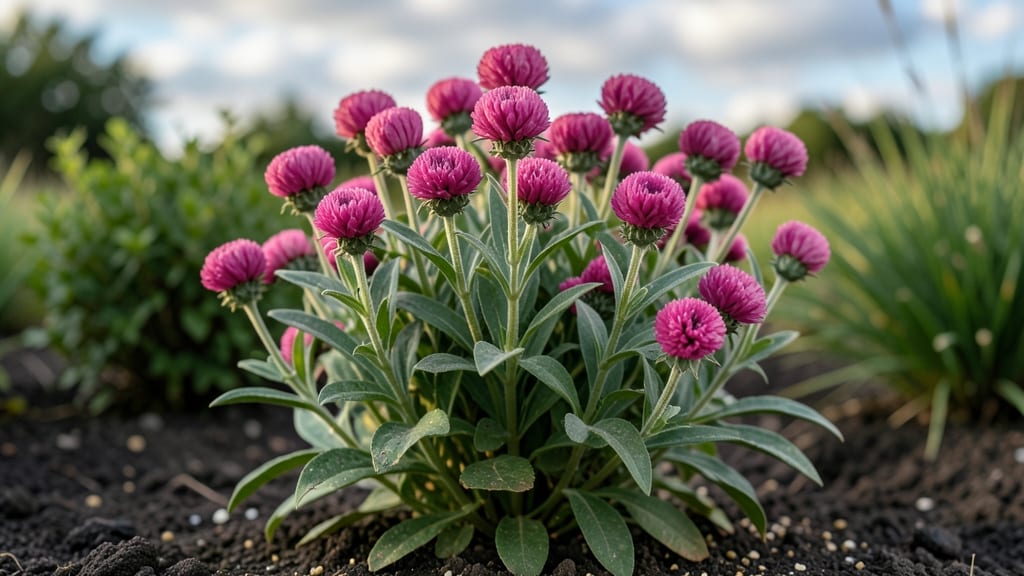
Gomphrena's flower season runs from midsummer until frost—those velvety purple blooms stay vibrant even when other flowers fade. 🌿 I still remember the first time I saw them holding their color through late August heatwaves, looking like they'd been dipped in ink.
The secret isn't just their heat tolerance—it's their ability to thrive in cooler evenings too, making them perfect for gardens that get hot days but chilly nights.
Start seeds indoors 6-8 weeks before your last frost, or sow directly after soil warms to 60°F. They bloom faster than you'd expect—8-10 weeks from seed—and keep producing flowers until frost.
The key is deadheading spent blooms to encourage more flowers, though they'll still look great even if you skip this step. I've grown them in full sun to partial shade, and they've never complained about the conditions.
What you'll love most is how low-maintenance they are. No fussy watering schedules, no constant fertilizing—they just grow. The flowers dry beautifully too, so you can cut stems for long-lasting bouquets that keep their color for weeks.
My neighbors always ask where I get those "purple pom-poms," and now I can tell them exactly how to grow their own.
For cooler climates, treat them as annuals—they won't survive winter. But in warmer zones, they might self-seed or even overwinter with protection. Either way, you'll have those bold blooms showing up reliably year after year with minimal effort. Here's how to make the most of their natural resilience.
📚 In This Guide
- What you need
- Instructions
- Tips and common mistakes
- Wrapping up and next steps
What you need
- ● Gomphrena seeds: Choose Gomphrena globosa (globe amaranth) for classic pom-pom blooms. Buy 1–2 packets (50–100 seeds each) for a full display.
- ● Well-draining potting mix: 1–2 bags (10–20 lbs) of a lightweight, sandy-loam blend (avoid heavy clay). Add perlite or vermiculite (1 part per 4 parts soil) for extra drainage.
- ● Containers or garden bed: For containers: 5–7-inch pots (1 per plant) or hanging baskets (3–4 plants per basket). Use drainage holes!
- ● For garden beds: Full sun (6+ hours/day) and loose, fertile soil (amend with compost if needed).
- ● Fertilizer: A balanced, slow-release granular fertilizer (10-10-10) or liquid bloom booster (follow label rates).
- ● Watering can or hose: With a fine mist nozzle to avoid disturbing seedlings.
- ● Gloves & hand trowel: For easy planting and soil prep.
- ● Seed-starting kit: If sowing indoors (includes trays, domes, and seedling heat mat).
- ● Mulch: Straw or shredded leaves to retain moisture and suppress weeds.
- ● Floral preservative: If harvesting for bouquets (e.g., Floralife or homemade sugar + bleach solution).
- ● Support stakes: For tall varieties (e.g., Gomphrena haageana)—use bamboo stakes or tomato cages.
- ● Pruning shears: For deadheading spent blooms and shaping plants.
- ● Hardiness: Gomphrena thrives in USDA Zones 2–11—perfect for cool climates! Direct-sow after last frost (when soil is 50°F+).
- ● Bloom season: Late spring to first frost (June–October in most regions).
- ● Chill tolerance: Seeds germinate best in 70–80°F soil; seedlings can handle light frosts (28°F+).
Step-by-Step guide for planting and caring for gomphrena in cool climates
Here’s how to grow these stunning purple blooms—tough, cheerful, and perfect for cooler seasons.
🌱 Step 1: Choose the Right Location and Planting Time
Gomphrena thrives in full sun—at least 6-8 hours daily—so pick a spot that gets morning light and afternoon warmth. These flowers handle cooler temperatures better than many tropical blooms, making them ideal for spring or fall planting in chillier zones. I’ve seen them bloom beautifully even when nights dip to 50°F.
Start seeds indoors 8-10 weeks before your last frost date or sow directly in the garden after all frost risk has passed. The soil should be 60-70°F for best germination. If planting in early spring, use black plastic mulch to warm the soil faster—it makes a noticeable difference in germination speed.
🪴 Step 2: Prepare Soil and Plant Seeds or Transplants
Gomphrena prefers well-draining soil with a slightly sandy texture—think of it as the opposite of heavy clay. Mix in 1-2 inches of compost to enrich the soil without making it too dense. These flowers hate soggy roots, so if your garden drains poorly, raise beds or plant in containers with drainage holes.
Sow seeds ¼ inch deep and 6 inches apart in rows 12 inches apart. If using transplants, space them 8-12 inches apart to give their compact forms room to spread. Water gently after planting—just enough to settle the soil around the seeds or roots. Overwatering here can cause the seeds to rot before they sprout.
☀️ Step 3: Water and Maintain for Continuous Blooms
Once established, gomphrena is remarkably drought-tolerant—water deeply once a week unless you’re seeing wilting leaves. The key is to let the top 1-2 inches of soil dry out between waterings. This encourages deeper roots and stronger stems. I’ve grown them through dry spells with almost no watering, and they still produced vibrant blooms.
Deadhead spent flowers regularly to keep the plant producing new buds. Simply pinch off the faded blooms with your fingers—no need for pruners. This simple step extends the flowering season by weeks. If you notice leaves turning yellow, it’s often a sign of overwatering or poor drainage, not a disease.
✂️ Step 4: Harvest and Preserve for Long-Lasting Color
Cut stems when half the flowers are open for the longest vase life. Place them in a bucket of water immediately after cutting to hydrate the stems before arranging. Gomphrena’s papery blooms last 1-2 weeks in a vase, making them perfect for dried arrangements too.
To dry gomphrena, bundle stems and hang them upside down in a dark, dry place for 2-3 weeks. The blooms will retain their color beautifully. I like to mix them with other dried flowers for long-lasting bouquets that stay vibrant for months.
Tips & tricks for perfect gomphrena blooms
Here's what I've learned after growing gomphrena for years in cooler climates—these little tricks make all the difference for vibrant, long-lasting flowers.
Location is Everything: While gomphrena loves full sun, I've found that morning sun with afternoon shade works better in hotter summer months. The key is to avoid the harsh afternoon sun in summer, which can scorch the delicate blooms while still giving them enough light to thrive. In Step 1, when choosing your location, consider this balance—especially if you're in a region with intense afternoon sun.
Soil Temperature Matters: The 60-70°F soil temperature range mentioned in Step 1 is crucial for germination. I've had the best success using a soil thermometer to monitor this—especially when planting in early spring. If your soil runs cooler, consider using black plastic mulch as suggested, or even a mini greenhouse setup for a few weeks to get those seeds sprouting faster. The faster germination means more time for blooms before fall!
Watering Wisdom: That once-a-week deep watering in Step 3 is perfect, but I've noticed gomphrena actually benefits from slightly less water in cooler months. The top 1-2 inches drying out between waterings helps prevent fungal issues that can occur in damp spring weather. If you're seeing yellow leaves, it's almost always overwatering—not a disease—so adjust your schedule accordingly.
Deadheading Pays Off: The deadheading tip in Step 3 is one of the most important for continuous blooms. I've seen plants produce flowers for weeks longer when I consistently pinch off spent blooms. For extra productivity, I like to do this every 3-4 days during peak bloom season—it takes just a minute but makes a huge difference in how long your plants keep flowering.
Pro Tips for Gomphrena Flower Season
- Here's what I've learned after growing gomphrena for years in cooler climates—these little tricks make all the difference for vibrant, long-lasting flowers.
- Location is Everything: While gomphrena loves full sun, I've found that morning sun with afternoon shade works better in hotter summer months.
- Soil Temperature Matters: The 60-70°F soil temperature range mentioned in Step 1 is crucial for germination.
Frequently asked questions
Got questions about gomphrena flower season? You’re not alone! Here are answers to the most common queries to help you grow these stunning blooms with confidence.
When is the best time to plant gomphrena for peak blooms?
Plant gomphrena seeds after the last frost when soil temps hit 60°F (15°C) or warmer. For cooler climates, start indoors 6–8 weeks before the last frost. In warmer zones, direct-sow in spring or early summer for continuous blooms until frost.
How long does it take for gomphrena to flower after planting?
Expect vibrant blooms 6–8 weeks after sowing seeds outdoors. If starting indoors, flowers may appear 4–6 weeks sooner. Deadhead spent blooms to encourage non-stop flowering all season!
Can gomphrena survive light frost or cold snaps?
Gomphrena is tender perennials that die in frost but often self-seed for next year. In cold climates, treat as an annual and replant yearly. Mulch or cover young plants if late frosts threaten.
What’s the best alternative to gomphrena for long-lasting color?
Try celosia (for fiery plumes), zinnia (bright, drought-tolerant blooms), or marigolds (heat-loving and pest-repelling). All thrive in similar conditions but offer different textures and hues.
Why aren’t my gomphrena flowers opening, or they’re turning brown?
Brown edges? Likely underwatering or high humidity. Leggy stems or few blooms? It’s overcrowded or needs more sun (6+ hours/day). Thin seedlings and pinch back leggy growth to boost bushiness.
Pro Tip:
Gomphrena’s drought tolerance makes it perfect for low-maintenance gardens. Once established, water only when soil is dry 1–2 inches down to prevent root rot.
Wrapping up and next steps
The gomphrena flower season brings vibrant bursts of color to gardens, proving that bold blooms can thrive even in cooler climates! Whether you're a seasoned gardener or a curious beginner, these hardy flowers offer low-maintenance beauty and striking visual appeal.
Their resilience and versatility make them a fantastic addition to any outdoor space.
Ready to bring some purple magic to your garden? Start planning your gomphrena patch today—your future blooms will thank you! 🌸