
Blooming
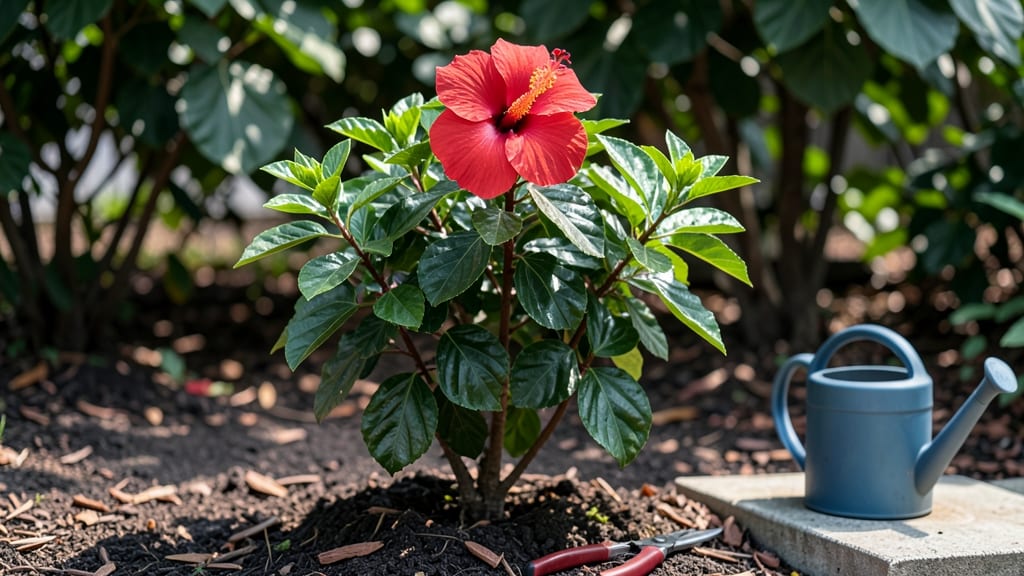
Hibiscus plants in cool climates surprise everyone with their bold crimson blooms—even when summer heat feels far away. 🌸 I planted mine last spring, expecting a late-season show, but the first flowers arrived in mid-July, defying expectations.
The key? Choosing hardy varieties like 'Dwarf Blue' or 'Lady Baltimore,' which thrive in zones 5-9 with proper care.
Sunlight and pruning make all the difference. My hibiscus needs at least 6 hours of direct sun daily, but afternoon shade helps in hotter zones. Prune back leggy stems in early spring to encourage bushier growth—this triggers more blooms by summer.
Fertilize lightly with a balanced formula (10-10-10) every 4-6 weeks, but avoid overfeeding, which can delay flowering.
Deadheading spent blooms keeps the plant focused on producing new flowers, not seeds. I snip them off just above a leaf node, and within weeks, fresh buds form. In cooler climates, mulch the base to protect roots from temperature swings, which can stress the plant and reduce blooms.
With these tweaks, my hibiscus flowers from mid-summer through early fall—longer than I ever imagined.
For those in colder zones, bring potted hibiscus indoors before frost or wrap outdoor plants in burlap for winter. Spring pruning and gradual reacclimation to outdoor light in May kickstarts another vibrant season.
The secret? Treat them like perennials, not annuals, and they’ll reward you with months of bold color every year.
📚 In This Guide
- What you need
- Instructions
- Tips and common mistakes
- Wrapping up and next steps
What you need
- ● Hibiscus Plant: 1–3 healthy hibiscus plants (varieties like Hibiscus rosa-sinensis or Hibiscus syriacus for cooler climates). Choose established plants (1–3 years old) for faster blooming.
- ● Well-Draining Soil: 5–10 gallons of loamy, slightly acidic soil (pH 6.1–6.5). Mix in compost (1 part compost to 3 parts soil) for nutrients.
- ● Fertilizer: Balanced fertilizer (10-10-10 or 20-20-20), 1 tbsp per plant every 4–6 weeks during growing season (spring–fall).
- ● Phosphorus-rich fertilizer (e.g., 5-10-10) 1 tbsp at planting time to boost blooms.
- ● Watering Supplies: Watering can or hose with a gentle spray nozzle (hibiscus hates soggy roots!).
- ○ Sunlight Access: Full sun exposure (6–8 hours/day) for optimal blooming. Use a sunlight meter (optional) to track light levels.
- ● Mulch: 2–3 inches of organic mulch (e.g., straw or wood chips) to retain moisture and regulate soil temperature.
- ● Pruning Shears: Sharp, clean shears for trimming dead blooms or shaping the plant (sterilize with rubbing alcohol between cuts!).
- ● Epsom Salt: 1 tbsp dissolved in 1 gallon of water every 2 months for magnesium boost (great for vibrant blooms!).
- ● Pest Control: Neem oil spray (for aphids or whiteflies).
- ● Yellow sticky traps (to monitor pests early).
- ● Support Stakes: 3–4 ft bamboo stakes or trellis if growing tall varieties (e.g., Hibiscus moscheutos).
Step-by-Step guide to encouraging vibrant hibiscus blooms in cool climates
Here's how I coax those bold crimson blooms—even when temperatures dip below 70°F.
🌿 Step 1: Prune for Strong Growth Before Spring
Start in late winter or early spring by cutting back last year's growth to 12-18 inches from the ground. This isn't about drastic pruning—think of it as shaping the plant to focus energy on new, vigorous growth. I make my cuts just above a leaf node or outward-facing bud to encourage branching.
Real talk: Don't skip this step. Overgrown stems produce fewer blooms because the plant wastes energy maintaining old wood. You'll see fresh green shoots within 3-4 weeks—that's your signal the plant is ready to bloom.
☀️ Step 2: Provide Strategic Sunlight and Shelter
Hibiscus thrives in full sun (6+ hours daily), but cool climates need a balance. Place your plant where it gets morning sun and afternoon shade if temperatures hit 85°F. I use a sheer curtain on hot afternoons to prevent leaf scorch while still letting light through.
Watch for leaves curling or yellowing—this means too much heat stress. If your hibiscus starts dropping buds, it's getting too much sun. Move it to a spot with 4-6 hours of direct sun instead.
💧 Step 3: Water Deeply and Feed Consistently
Water at the base 2-3 times weekly until 6 inches of soil feels moist. Hibiscus roots run deep, so shallow watering leads to weak stems and fewer blooms. I use a soaker hose to avoid wetting the leaves, which prevents fungal issues.
Feed with a balanced liquid fertilizer (10-10-10) every 2-3 weeks during growing season. When buds form, switch to a low-nitrogen, high-phosphorus fertilizer to support flowering. You'll notice buds forming 6-8 weeks after consistent feeding.
✂️ Step 4: Deadhead and Support Blooms
Remove spent blooms by cutting the stem ¼ inch above a leaf node. This encourages the plant to produce more flowers instead of setting seed. I deadhead every 2-3 days during peak bloom season to keep the plant focused on new growth.
Use a small stake or cage to support heavy blooms. Hibiscus flowers can weigh down stems, causing them to snap. You'll see flowers lasting 2-3 days longer when properly supported.
🌱 Step 5: Protect from Late Frost and Wind
Cover young plants with frost cloth if temperatures drop below 32°F. Even a light frost can damage new growth. I also tie stems loosely to stakes to prevent wind damage, which can tear delicate buds.
Watch for buds forming in late spring—this is your cue to start monitoring weather closely. A single hard frost can wipe out weeks of growth, so have your coverings ready.
Tips & tricks for vibrant hibiscus blooms
Between us, these little tweaks make all the difference when you're chasing those showstopping crimson blooms in cooler weather.
Pruning Precision: When you're cutting back those 12-18 inches in Step 1, look for the little leaf nodes—those tiny bumps where new growth emerges. I always make my cuts just above these, at about a 45-degree angle, to direct water away from the stem and prevent rot. This isn't just about length; it's about telling the plant where to focus its energy for next season's blooms.
Sunlight Strategy: That 6+ hours of sun in Step 2 is non-negotiable, but here's the thing about cool climates: morning sun is your golden ticket. Position your hibiscus where it catches those warm morning rays, then give it afternoon shade when temps creep toward 85°F. I've seen plants wilt dramatically when moved from full sun to shade—transition them gradually over a week if you're changing locations.
Fertilizer Timing: The switch to low-nitrogen, high-phosphorus fertilizer in Step 3 is what actually triggers those buds to form. But here's what nobody tells you—apply it right after a deep watering. The roots need to be hydrated to absorb the nutrients properly. I mix mine with water and apply it in the early morning so the plant can soak it up before the heat of the day.
Deadheading Discipline: Those 2-3 days between deadheadings in Step 4 might seem like overkill, but trust me on this. The moment you see a bloom start to fade, snip it off cleanly. This isn't just about looks—it's about redirecting the plant's energy toward new growth instead of seed production. I keep a small pair of pruners by my patio chair so I never miss a bloom.
Pro Tips for Hibiscus Plant Flowering Season
- Between us, these little tweaks make all the difference when you're chasing those showstopping crimson blooms in cooler weather.
- Pruning Precision: When you're cutting back those 12-18 inches in Step 1, look for the little leaf nodes—those tiny bumps where new growth emerges.
- Sunlight Strategy: That 6+ hours of sun in Step 2 is non-negotiable, but here's the thing about cool climates: morning sun is your golden ticket.
Frequently asked questions
Got questions about your hibiscus plant’s flowering season?
Here are answers to the most common ones—whether you’re a first-time grower or a seasoned gardener!
When is the best time to plant hibiscus for maximum blooms?
Plant hibiscus in early spring (after the last frost) for tropical varieties or late spring to early summer in cooler climates. Hardy hibiscus (like Hibiscus syriacus) can even handle fall planting in zones 5–9. Give roots 6–8 weeks to establish before expecting blooms!
Why isn’t my hibiscus flowering this season?
Common culprits include over-fertilizing with nitrogen (promotes leaves, not blooms), poor sunlight (6+ hours of direct sun daily), or stress from transplant shock. Prune leggy growth in late winter and feed with low-nitrogen, high-phosphorus fertilizer (like 5-10-10) to encourage flowers. Pro tip: Deadhead spent blooms to redirect energy!
Can I force hibiscus to bloom earlier than its natural season?
Not reliably—but you can extend the season! Prune lightly in early spring to stimulate new growth, and use slow-release blooming fertilizers (like those for roses). For tropical hibiscus, bring potted plants indoors before frost and place them near a south-facing window or under grow lights. Patience is key, though!
What’s the difference between tropical and hardy hibiscus flowering seasons?
| Type | Flowering Season | Climate Needs |
|---|---|---|
| Tropical hibiscus (e.g., Hibiscus rosa-sinensis) | Spring through fall (or year-round in frost-free zones) | USDA zones 9–11; needs winter protection in cooler areas |
| Hardy hibiscus (e.g., Hibiscus moscheutos) | Mid-to-late summer (July–September) | Zones 5–9; thrives in heat and humidity |
Hardy types often bloom later but tolerate colder temps—perfect for northern gardens!
What should I do if my hibiscus blooms drop suddenly?
Sudden bloom drop usually signals stress from overwatering, underwatering, or temperature swings (below 50°F/10°C). Check soil moisture—it should stay consistently moist but not soggy. Mulch around the base to stabilize temps, and avoid fertilizing during extreme heat. If pests (like aphids) are present, treat with neem oil.
Wrapping up and next steps
Watching your hibiscus plant burst into vibrant blooms during its flowering season is a rewarding experience—especially when you’ve nurtured it just right! 🌸 Whether you’re in a cooler climate or simply love the drama of deep crimson petals, remember that patience, proper care, and a little seasonal tweaking are key.
Now that you’re armed with tips on when and how to encourage those stunning flowers, it’s time to roll up your sleeves and give your hibiscus the love it deserves.
Ready to transform your garden or patio? Start by observing your plant’s cues—adjust pruning, sunlight, or watering as needed—and soon, you’ll be the envy of the neighborhood with a hibiscus that never stops blooming! 🌿