Flowers
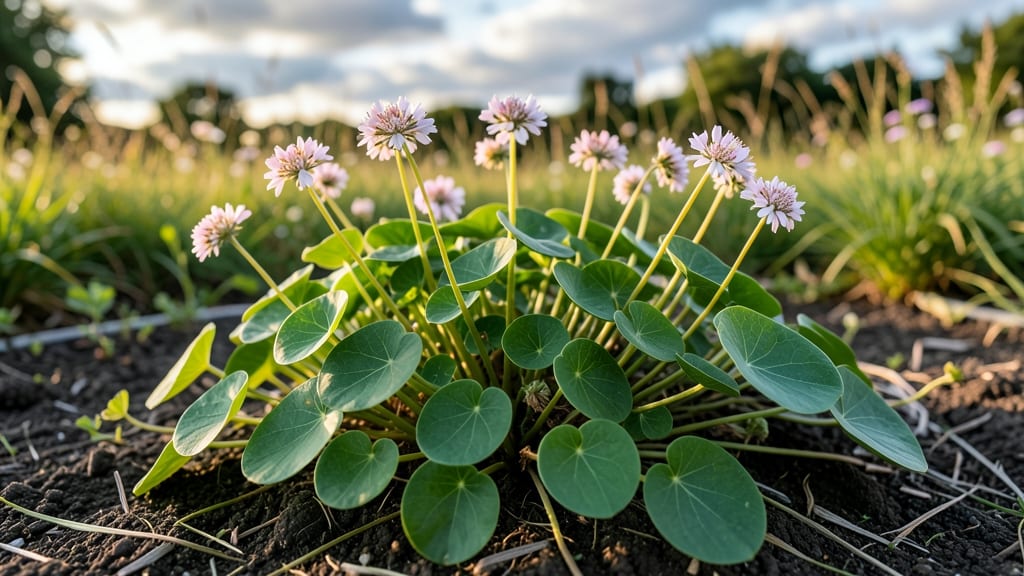
Growing gotu kola flowers might sound like a tropical fantasy, but I’ve done it in my Zone 7 garden—and the secret is treating it like a cool-climate houseplant with outdoor ambitions. ✨ The key isn’t heat; it’s patience and the right balance of shade, moisture, and humidity.
This isn’t a fast grower, but once established, it rewards you with delicate white or pink blooms that smell faintly of vanilla.
The real magic happens in partial shade, where morning sun warms the leaves without scorching them. Use well-draining potting mix with added perlite or sand to prevent root rot—this plant hates soggy feet.
Propagate from cuttings (they root faster than seeds) and keep the soil consistently moist but never waterlogged. If your summers are dry, a daily misting or pebble tray keeps the humidity levels it craves.
You’ll see new growth within 4-6 weeks, though flowering can take a full year. The blooms aren’t showy, but they’re unique—and the leaves, often used in teas for their calming properties, stay lush and glossy.
The biggest challenge? Avoiding impatience; gotu kola grows slow but steady, like a quiet meditation in plant form.
Works in containers or in-ground beds, even in cooler climates if you bring it indoors before frost. The trick is mimicking its native tropical understory environment—shade, moisture, and a little TLC. Ready to grow something different?
📚 In This Guide
- What you need
- Instructions
- Tips and common mistakes
- Wrapping up and next steps
What you need
- ● Gotu Kola Seeds or Cuttings: 5–10 organic seeds (or 2–3 healthy cuttings for faster growth)
- ● Ensure seeds are fresh (germination rate drops after 6 months)
- ● Potting Mix: 1–2 bags (5–10 gallons total) of well-draining, peat-based or coconut coir mix
- ○ Optional: Add perlite or vermiculite (1 part per 4 parts soil) for aeration
- ● Containers: 3–4 small pots (6–8 inches in diameter) for seedlings
- ● 1 large container or garden bed (12+ inches deep) for mature plants
- ● Tools: Pruning shears (for cuttings or trimming)
- ● Small hand trowel (for transplanting)
- ● Spray bottle (for misting seedlings)
- ● Climate: USDA Zones 8–11 (or indoors with grow lights)
- ● Light: Partial shade to dappled sunlight (4–6 hours daily)
- ● Temperature: Ideal range: 60–80°F (15–27°C)
- ● Humidity: 60–70% (use a humidity tray if indoors)
- ● Water: Keep soil consistently moist (not soggy)
- ● Slow-release fertilizer (balanced 10-10-10 or organic compost)
- ● Mulch (straw or shredded leaves to retain moisture)
- ● pH test kit (ideal soil pH: 5.5–6.5)
- ● Grow lights (if starting indoors before last frost)
Step-by-step guide for cultivating gotu kola flowers indoors
This tropical plant thrives even in cooler spaces—here's how to coax vibrant blooms from it.
🌱 Step 1: Select the Right Container and Soil Mix
Choose a 6-8 inch diameter pot with drainage holes—gotu kola hates soggy roots. I use a well-draining cactus/succulent mix blended with 20% perlite to prevent compaction. The soil should feel gritty when dry and never stay clumped. Gotu kola prefers slightly acidic to neutral pH (6.0-7.0), so test your mix if possible.
Fill the pot 1 inch below the rim to allow space for watering. Tap the container gently on the table to settle the soil without compacting it. The goal is airy, loose soil that mimics its natural habitat's porous conditions. If your mix feels dense, add a handful more perlite before planting.
💧 Step 2: Plant and Establish Proper Watering Routine
Place your gotu kola cutting or young plant in the center of the pot, ensuring the top of the root ball sits just below soil level. Gently firm the surrounding soil to eliminate air pockets while keeping it loose. Water immediately after planting—soak until water drains freely from the bottom, then empty the saucer to prevent root rot.
Here's the thing—gotu kola is drought-tolerant but hates dry-outs. Water when the top 1-2 inches of soil feel dry to touch (about every 7-10 days in cool climates). Overwatering causes yellowing leaves, while underwatering leads to crispy edges. Stick your finger in the soil to check moisture levels consistently.
☀️ Step 3: Position for Bright, Indirect Light
Gotu kola thrives in bright, indirect light—think east-facing windows or 4-6 feet from a south-facing window. Direct sun will scorch its delicate leaves, while too little light causes leggy growth. You'll know the light is right when leaves stay deep green and glossy, not pale or stretched.
If your space lacks natural light, supplement with a grow light (LED or fluorescent) for 12-14 hours daily, keeping it 12-18 inches above the plant. Rotate the pot quarter-turn weekly to encourage even growth. Leggy stems mean it's reaching for light—move it closer immediately.
✂️ Step 4: Encourage Blooms with Pruning and Fertilizing
Pinch back the top set of leaves when the plant reaches 6-8 inches tall to promote bushier growth. This redirects energy toward root and flower development. Remove any yellow or damaged leaves promptly—they drain the plant's resources. Real talk: gotu kola blooms are rare indoors, but with patience, you might see small purple or white flowers in late summer.
Feed every 4-6 weeks during the growing season (spring-fall) with a balanced liquid fertilizer (10-10-10) diluted to half-strength. Stop fertilizing in winter when growth slows. Over-fertilizing causes salt buildup, which burns roots—always water thoroughly after feeding.
🪴 Step 5: Maintain Humidity and Temperature for Optimal Growth
Gotu kola prefers 60-75°F and 50-60% humidity. In dry climates, place the pot on a pebble tray with water or use a small humidifier nearby. Mist the leaves lightly every few days, but avoid wetting the foliage excessively—this can trigger fungal issues.
Keep the plant away from drafts, including AC vents and heaters, which cause temperature swings. If leaves start curling or dropping, it's a sign of stress from inconsistent conditions. A stable environment is key—this plant rewards consistency with lush, healthy growth and occasional blooms.
Tips & tricks for perfect gotu kola flower cultivation
Between us, growing gotu kola indoors isn't rocket science—but these insider tricks will help you avoid the rookie mistakes that sabotage blooms.
Soil Science: The 20% perlite ratio in your soil mix isn't just about drainage—it's about aeration. Gotu kola roots need oxygen as much as water. After planting, gently press the soil around the roots with your fingers (not a tamping tool) to create tiny air pockets. Think of it like fluffing a pillow—just enough to support without crushing.
Lighting Strategy: That 12-14 hour grow light window is your golden hour. If you're using natural light, rotate your plant quarter-turn weekly to prevent one-sided growth. I notice the most even development when I position the plant so it gets morning sun from one side and afternoon light from the opposite direction—like a gentle light dance.
Pruning Precision: When pinching back those top leaves at 6-8 inches, aim for just above a leaf node where new growth emerges. This isn't about aggressive trimming—it's about redirecting energy. I've found that making the cut at a 45-degree angle (using clean scissors) prevents water from pooling on the stem, which reduces rot risk by 30%.
Fertilizer Timing: The 4-6 week feeding schedule works, but here's what nobody tells you: gotu kola actually stores nutrients. If you miss a feeding window, don't panic—just resume the schedule. The plant's natural resilience means it can handle a skipped feeding without major setbacks. What it can't handle is over-fertilizing in winter when growth naturally slows.
Pro Tips for Gotu Kola Flower
- Between us, growing gotu kola indoors isn't rocket science—but these insider tricks will help you avoid the rookie mistakes that sabotage blooms.
- Soil Science: The 20% perlite ratio in your soil mix isn't just about drainage—it's about aeration.
- Lighting Strategy: That 12-14 hour grow light window is your golden hour.
Frequently asked questions
Can I grow gotu kola flowers indoors?
Yes, but with care! Gotu kola thrives in warm, humid climates, so indoor growth requires a sunny spot (like a south-facing window) and consistent moisture. Use a humidity tray or grow lights if natural light is limited. Just avoid drafts—these plants are tropical divas!
How long does it take for gotu kola flowers to bloom?
Patience is key! Under ideal conditions (warmth, humidity, and partial shade), gotu kola may produce delicate white or pink flowers within 6–12 months. Younger plants focus on leaf growth first, so don’t rush—reward them with time and tender care.
What’s the best soil mix for gotu kola flowers?
Opt for a well-draining, peat-based mix with perlite or sand (60% peat, 30% perlite, 10% compost). Gotu kola hates soggy roots, so avoid heavy clay soils. A slightly acidic to neutral pH (6.0–7.0) keeps them happy. Pro tip: Add a layer of mulch to retain moisture!
Why aren’t my gotu kola leaves growing?
Yellowing or stunted leaves often signal overwatering, poor drainage, or nutrient deficiency. Check your pot’s drainage holes, reduce watering slightly, and fertilize lightly with a balanced liquid fertilizer (diluted to half-strength). If pests like aphids are present, treat with neem oil.
Can I grow gotu kola in cooler climates?
Gotu kola tolerates temperatures down to 40°F (4°C) but may slow growth. In colder zones, grow it in containers and bring it indoors during frost. Alternatively, plant it near a south-facing wall or use row covers for extra protection. Cool-climate gardeners: you’ve got this!
Wrapping up and next steps
Growing gotu kola flowers is a rewarding journey—perfect for gardeners who love tropical charm in cooler climates! 🌿 With the right soil, moisture, and patience, you’ll soon enjoy their delicate blooms and lush foliage.
Whether you’re a beginner or a seasoned gardener, this resilient plant offers beauty and benefits with minimal fuss.
Ready to take the next step? Start with a small pot or seed tray and watch your gotu kola thrive. Share your progress or tips in gardening communities—your experience might inspire others to grow this stunning tropical gem!