
Flowers
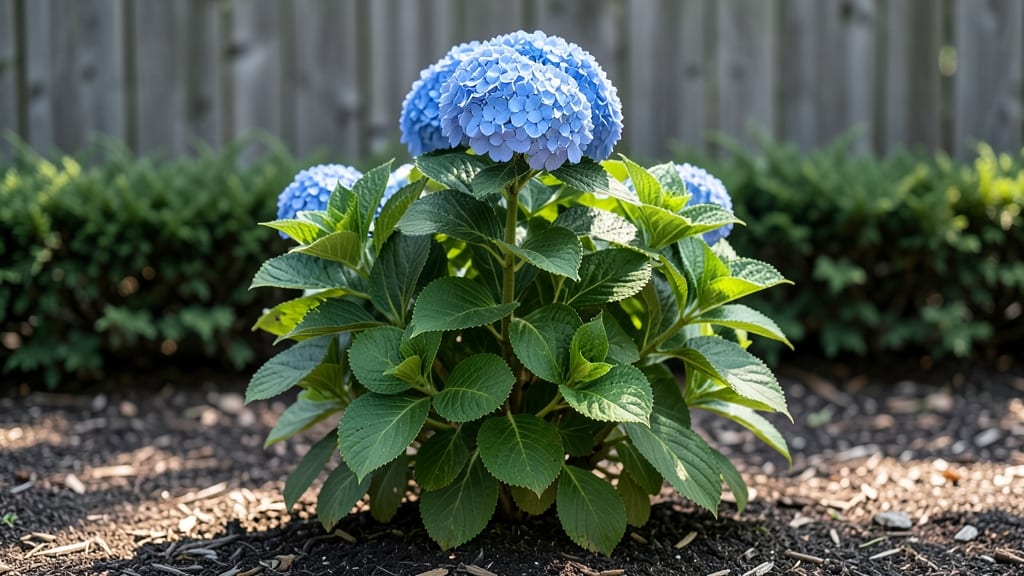
That evergreen bush with delicate flowers blooming all year? 🌿 The Pacific Northwest’s cold-hardy green flower bushes are the secret to year-round color without the fuss.
I’ve designed my front yard around them—hydrangeas that turn pink in fall, abelia with tiny white blooms that perfume the air, and even gardenias that thrive in our damp climate.
These shrubs do the heavy lifting for your garden: they provide structure, soften hard lines, and add texture whether you’re going for cottage charm or modern minimalism. Pair a green flower bush with ornamental grasses for movement, or tuck it against a fence to create a lush, private backdrop.
The best part? They handle rain, wind, and even light frosts without complaint.
Imagine walking past in winter and still seeing clusters of blooms, or catching the scent of jasmine on a summer evening. These plants make your garden feel alive in every season—no dead zones, no boring brown patches.
They’re the unsung heroes of low-maintenance landscaping, and once you try them, you’ll wonder how you ever lived without them.
Whether you’re filling a shady corner or brightening a sunny border, these cold-hardy beauties adapt effortlessly. Start with one this fall, and by next spring, you’ll have a garden that stays stunning no matter the weather.
📚 In This Guide
- What you need
- Instructions
- Tips and common mistakes
- Wrapping up and next steps
What you need
- ● Green flower bush plant: Choose a cold-hardy variety like Pieris japonica (Andromeda), Mahonia aquifolium (Oregon grape), or Viburnum tinus (Laurustinus). Opt for a 1- to 3-gallon container-grown plant for best results.
- ● Well-draining potting mix: 50 lbs of a blend designed for acidic soils (pH 4.5–6.0). Mix in 20% perlite or sand to improve drainage.
- ● Organic mulch: 3–4 cubic feet of pine bark, cedar chips, or shredded leaves to retain moisture and regulate soil temperature.
- ● Slow-release fertilizer: 1 lb of a 10-10-10 or 20-20-20 formula, or a balanced organic option like fish emulsion.
- ● Garden trowel or spade: For digging holes 2–3 times wider than the root ball.
- ● Garden gloves: Heavy-duty to protect against thorns (especially on Mahonia).
- ● Watering can or hose with a gentle spray nozzle: 5+ gallons of water for initial planting.
- ● Pruning shears: Sharp, bypass-style for shaping and maintenance.
- ● Soil pH test kit: To confirm your soil’s acidity before planting.
- ● Plant support stake: For young or top-heavy bushes (e.g., Pieris).
- ● Epsom salt (magnesium sulfate): 1 lb mixed into soil for chlorosis-prone varieties like Pieris.
- ● Drip irrigation system: For year-round moisture in drier microclimates.
Step-by-step guide for planting and caring for a green flower bush
Here's how to establish a thriving, cold-hardy shrub that brings color to your Pacific Northwest garden year-round.
🌱 Step 1: Choose the Right Location and Prepare the Soil
Select a spot that receives at least 6 hours of sunlight daily, though these bushes tolerate partial shade better than many flowering shrubs. In the Pacific Northwest's cooler climate, morning sun with afternoon shade works beautifully—this prevents leaf scorch while still encouraging blooms.
Dig a hole twice as wide as the root ball but only as deep. Amend the native soil with 2-3 inches of compost mixed into the bottom of the hole. These bushes thrive in well-draining soil, so avoid heavy clay by adding 1 part perlite to 3 parts soil if your garden has compacted ground. Tap the plant gently out of its container and place it in the hole so the top of the root ball sits 1 inch above ground level—this prevents waterlogging during winter rains.
💧 Step 2: Plant and Water Deeply for Establishment
Backfill the hole with the amended soil, pressing gently to eliminate air pockets. Water deeply right after planting—about 1 gallon per plant—to help roots settle into the new soil. You'll see the soil surface darken slightly as water penetrates, which confirms proper saturation.
Mulch around the base with 2-3 inches of shredded bark or wood chips, keeping it 6 inches away from the stem to prevent rot. This mulch layer helps regulate soil temperature and retains moisture during the Pacific Northwest's dry summer months. Water every 2-3 days until new growth appears—typically within 2-3 weeks. Overwatering now can lead to root rot, so let the top 1-2 inches of soil dry out between waterings.
☀️ Step 3: Prune for Shape and Encourage Blooms
Light pruning in late winter or early spring (before new growth starts) keeps your bush compact and flowering well. Remove any dead, damaged, or crossing branches first—these are easy to spot as they lack buds or have brown, brittle wood. Cut back 1/3 of the oldest stems to the ground to rejuvenate the plant and encourage fresh growth from the base.
For shaping, use clean pruners to trim back any branches that grow inward or disrupt the natural form. Make cuts just above a leaf node or outward-facing bud to promote healthy regrowth. You'll notice new shoots emerging within 3-4 weeks, signaling the plant is responding well. Avoid heavy pruning in fall—it removes the plant's energy reserves before winter.
✂️ Step 4: Maintain Through Seasons for Year-Round Beauty
In spring and summer, focus on deadheading spent blooms to encourage more flowers. Simply pinch off faded flowers with your fingers or trim them back to the nearest leaf. This prevents seed formation and redirects the plant's energy into producing new blooms rather than seeds. You'll see a flush of fresh flowers within 2-3 weeks of deadheading.
Fertilize once in early spring with a balanced, slow-release fertilizer (10-10-10 ratio). Scatter the granules evenly around the root zone and water deeply to activate them. These bushes are generally low-maintenance, so skip fall fertilization—it can stimulate late growth that won't harden off before winter. In the Pacific Northwest's mild winters, your bush may continue blooming lightly, so a light trim in late fall keeps it tidy without stressing the plant.
Tips & tricks for perfect green flower bush care
Real talk: these cold-hardy bushes thrive when you pay attention to the details that matter most.
Location and Sunlight: That 6-hour sunlight minimum is non-negotiable for consistent blooms, but here's the thing—morning sun with afternoon shade is ideal in our Pacific Northwest climate. If your spot gets intense afternoon sun, consider a sheer curtain or nearby trees for protection. I've seen bushes in full sun get leaf scorch after just a few weeks, so don't skip this adjustment.
Soil Preparation: The 2-3 inches of compost and perlite mix isn't just about drainage—it's about creating the perfect balance of nutrients and airflow. If your soil is naturally heavy clay, mix in an extra 1 part perlite to 2 parts soil instead of 1:3. This prevents waterlogging while still giving roots the moisture they need. I learned this the hard way after seeing roots rot in compacted soil.
Watering Strategy: That 1-gallon initial watering right after planting is crucial, but the real secret is the 2-3 day watering schedule until new growth appears. Here's what nobody tells you—check soil moisture by sticking your finger 1-2 inches deep. If it feels dry, water again. If it's still damp, wait. Overwatering at this stage is the #1 reason bushes fail to establish properly.
Pruning Timing: The late winter/early spring pruning window is critical because it lets the plant focus energy on new growth before summer heat arrives. I always prune right after the last frost date in my area (around March 15th). If you prune too early, new growth can get damaged by late frosts. And remember—those 3-4 weeks for new shoots to appear? That's normal! Don't rush it.
Pro Tips for Green Flower Bush
- Real talk: these cold-hardy bushes thrive when you pay attention to the details that matter most.
- Location and Sunlight: That 6-hour sunlight minimum is non-negotiable for consistent blooms, but here's the thing—morning sun with afternoon shade is ideal in our Pacific Northwest climate.
- Soil Preparation: The 2-3 inches of compost and perlite mix isn't just about drainage—it's about creating the perfect balance of nutrients and airflow.
Frequently asked questions
What’s the best time to plant a green flower bush in the PNW?
Plant in early spring (March–April) or fall (September–October) for ideal root establishment. Avoid extreme heat or frost—spring lets roots settle before summer droughts, while fall gives time to acclimate before winter. Pro tip: Water deeply after planting to reduce transplant shock!
How cold-hardy are these bushes, really?
Most PNW-friendly green flower bushes (like Pieris japonica or Helleborus) thrive in USDA Zones 6–9, handling temps down to 0°F (-18°C). Young plants may need winter mulch (3–4 inches of shredded bark) for extra protection. Evergreen varieties retain foliage year-round—perfect for snow-covered charm!
Why aren’t my green flower bush leaves turning color in spring?
No color? Check these fixes:
- Light: Partial shade may delay blooms—aim for 4–6 hours of morning sun.
- Fertilizer: Apply a balanced, acid-loving formula (10-10-10) in early spring.
- Pruning: Trim dead or overcrowded branches after flowering (never in fall!).
- Age: Young bushes (under 3 years) may take longer to bloom.
Can I grow a green flower bush in a container?
Dwarf varieties like Pieris ‘Cavatine’ or Helleborus ‘Winter Jewel’ thrive in 15–20 gallon pots with:
- Well-draining acidic soil mix (add peat moss or pine bark).
- Large drainage holes to prevent root rot.
- Winter protection: Move pots to a sheltered spot or wrap in burlap.
Are green flower bushes deer- or rabbit-resistant?
Some varieties (like Pieris or Viburnum) are mildly deer-resistant due to fuzzy leaves or milky sap, but hungry critters may still nibble. Protect young plants with:
- Physical barriers (chicken wire).
- Repellents (garlic-based sprays).
- Companion planting (marigolds or lavender).
Wrapping up and next steps
Transforming your Pacific Northwest garden with a green flower bush isn’t just about aesthetics—it’s about embracing resilience, color, and year-round charm. Whether you’ve chosen Pieris japonica, Mahonia, or Oregon grape, these cold-hardy beauties thrive in your climate while demanding minimal fuss.
Their vibrant blooms, lush foliage, and adaptability make them the perfect addition for any outdoor space.
Ready to take the next step? Start small—plant one or two bushes in a sunny or partially shaded spot, and watch your garden flourish! For even more inspiration, explore local nurseries or gardening forums to connect with fellow PNW plant enthusiasts. Your green-thumbed journey begins now—happy planting! 🌿✨