
Flowers
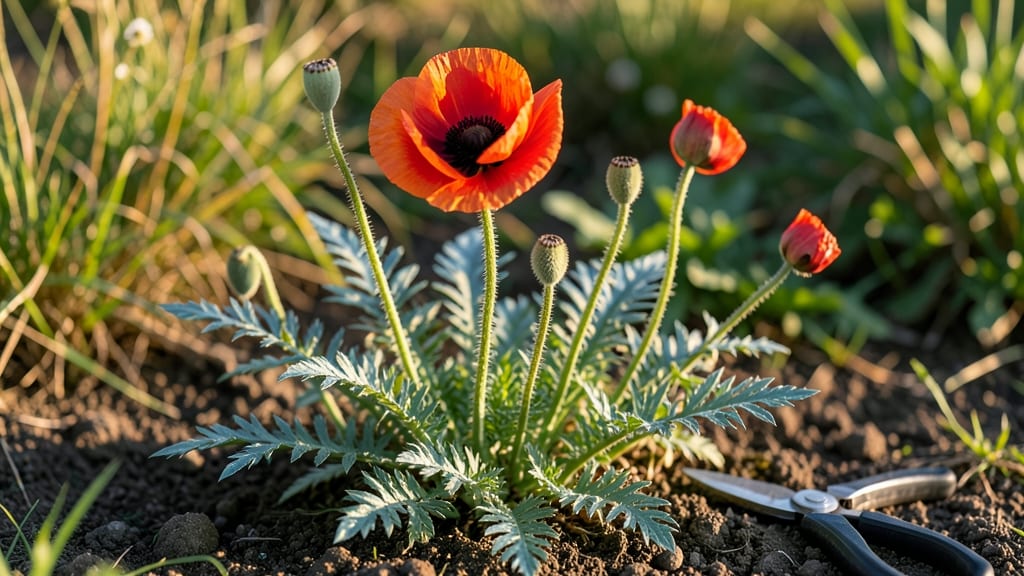
Growing poppy flowers from seed is simpler than you think—and the results are shockingly lush. 🌸 I’ve grown everything from delicate Papaver rhoeas to bold California poppies, and the secret lies in three key tricks that skip the guesswork.
Most gardeners overlook how poppies hate damp soil or how they time their blooms to outsmart weeds, but once you know these, they’re impossible to kill.
You’ll need well-draining soil (poppies despise soggy roots), a sunny spot with at least 6 hours of direct light daily, and patience—because germination can take 2-3 weeks if the soil stays too cold.
The right spacing (6–12 inches apart) prevents overcrowding, and a light layer of mulch keeps moisture consistent without smothering seedlings. Even beginners get it right with these basics.
By late spring, you’ll see those signature papery blooms popping up like confetti, often lasting 2-4 weeks before fading. The trade-off? They self-seed aggressively, so you’ll get free plants next year.
For year-round color, plant California poppies in fall (they bloom early) and oriental poppies in early spring—their timing ensures nonstop petals.
Works for containers, cottage gardens, or wildflower meadows—just avoid heavy clay soil. Here’s how to nail every step without the trial-and-error headaches.
📚 In This Guide
- What you need
- Instructions
- Tips and common mistakes
- Wrapping up and next steps
What you need
- ● Poppy seeds: Choose Papaver rhoeas (corn poppy) or Papaver somniferum (opium poppy—ensure it’s a legal, ornamental variety). Start with 1–2 packets (about 1,000–2,000 seeds) for a small garden.
- ● Well-draining soil: A mix of 50% garden soil and 50% perlite or coarse sand (poppies hate soggy roots!).
- ● Containers or garden bed: For containers: Use 6–12-inch deep pots with drainage holes (poppies dislike wet feet!).
- ● For in-ground planting: Choose a sunny, open spot with loose, rocky soil (they thrive in poor soil!).
- ● Watering can or hose: With a fine mist nozzle (poppy seedlings are delicate!).
- ● Garden gloves (to protect your hands from prickly stems).
- ● Trowel or small shovel (for planting seeds ¼–½ inch deep).
- ○ Mulch (straw or gravel) (optional, to retain moisture and deter weeds).
- ○ Fertilizer (low-nitrogen, balanced formula) (optional—poppies prefer lean soil! Use sparingly).
- ● Plant labels (to track varieties if growing multiple types).
- ● Pruning shears (for deadheading spent blooms to encourage more flowers).
- ● A sunny location (poppies need 6+ hours of direct sunlight daily).
- ● Patience! Poppies grow fast but short-lived—some varieties bloom in just 6–8 weeks.
- ● Cool-season timing: Best planted in early spring or fall (they tolerate light frost).
Step-by-step guide to cultivating poppy flowers
Here's how to coax vibrant blooms from delicate poppy seeds—no black magic, just patience.
🌱 Step 1: Prepare the Soil and Plant Seeds Directly
Poppy seeds despise transplanting, so sow them straight into the garden where they'll thrive. Work the soil to a depth of 6-8 inches, removing rocks and weeds. Poppies prefer well-draining soil with a slightly alkaline pH (aim for 6.5-7.5). I mix in a handful of coarse sand or perlite per square foot to improve drainage—this prevents the roots from sitting in soggy soil, which causes rot.
Scatter seeds thinly over the prepared soil—don't bury them. Poppy seeds need light to germinate, so press them lightly into the surface with your palm. A light sprinkle of soil or vermiculite (about ¼ inch) is all they need. Water gently with a fine mist to avoid displacing the seeds. You'll see the first green shoots in 7-14 days, but don't be surprised if germination takes longer in cooler weather.
☀️ Step 2: Provide Full Sun and Minimal Care
Poppies thrive in full sun, so choose a spot that gets at least 6-8 hours of direct sunlight daily. Once seedlings emerge, water only when the top 1-2 inches of soil feel dry. Overwatering is the fastest way to kill poppies—these plants are drought-tolerant once established. I water deeply but infrequently, letting the soil dry out between sessions. This encourages strong root growth and prevents weak, leggy stems.
Resist the urge to fertilize. Poppies grow best in lean soil, and too much nitrogen will produce lush foliage at the expense of blooms. If your soil is particularly poor, a light application of composted manure in early spring is enough. Mulch lightly with straw to suppress weeds, but keep it 2 inches away from the stems to prevent moisture buildup around the base.
✂️ Step 3: Deadhead and Extend the Blooming Season
Here's the trick to year-round blooms: deadhead spent flowers immediately. Use clean fingers or small pruners to snip off the faded blooms just above the first set of leaves. This redirects the plant's energy into producing new flowers instead of seed pods. I do this every morning—it takes less than a minute per plant, and the difference in bloom volume is dramatic.
Poppies self-seed prolifically, so if you want to encourage more blooms next season, leave a few seed heads on the plant. Otherwise, pull up volunteer seedlings in early spring to prevent overcrowding. The plants will naturally decline after blooming, so cut back the stems to 2-3 inches tall in late summer. This rejuvenates the roots and often triggers a second flush of smaller blooms in fall.
Tips & tricks for perfect poppy flower cultivation
Took me a while to figure these out, so here are the game-changers for growing poppies that'll keep blooming all season.
Soil Preparation Secret: The 6-8 inch soil depth prep isn't just about loosening soil—it's about creating a root-friendly environment. I've found that adding a handful of coarse sand or perlite per square foot works wonders for drainage. This prevents that dreaded root rot that kills poppies faster than overwatering. Think of it as building a drainage highway for those delicate roots.
Germination Timing: Those 7-14 days for germination can feel like an eternity, especially when you're eagerly waiting for green shoots. Here's what I've learned: cooler weather slows things down dramatically. If your area has chilly nights, consider using a clear plastic dome or row cover to create a mini greenhouse effect. Just remember to remove it during the day so seeds don't overheat.
Sunlight Strategy: The 6-8 hours of full sun requirement is non-negotiable, but here's the trick I use: position your poppies where they'll get morning sun and afternoon shade if you're in a particularly hot climate. This prevents the delicate petals from scorching while still giving them enough light to thrive. I've seen poppies wilt dramatically in intense afternoon sun, even when they had plenty of morning light.
Deadheading Discipline: I can't stress this enough—those morning deadheading sessions make all the difference. The key is consistency: don't let any flower head go to seed before you've removed it. I keep a small pair of clean pruners by my garden bench and spend just 5 minutes each morning snipping. This simple habit has extended my blooming season by nearly 3 months compared to when I was more lax about it.
Pro Tips for Growing Poppy Flowers
- Took me a while to figure these out, so here are the game-changers for growing poppies that'll keep blooming all season.
- Soil Preparation Secret: The 6-8 inch soil depth prep isn't just about loosening soil—it's about creating a root-friendly environment.
- Germination Timing: Those 7-14 days for germination can feel like an eternity, especially when you're eagerly waiting for green shoots.
Frequently asked questions
Got questions about growing poppy flowers? You’re not alone—these delicate blooms can be tricky to master! Here are answers to the most common concerns, from timing to troubleshooting, so you can grow stunning poppies with confidence.
When is the best time to plant poppy seeds for blooms?
Poppies thrive when planted in early spring (after the last frost) or late summer (6–8 weeks before your first frost). For year-round blooms, stagger plantings every 2–3 weeks. Pro tip: Cold stratification (chilling seeds for 2–4 weeks) mimics winter and boosts germination rates!
Why aren’t my poppy seeds germinating?
Poppy seeds need light to germinate—don’t bury them! Sprinkle them on top of moist soil and press lightly. Lack of moisture, poor drainage, or old seeds (over 2 years) can also stall growth. Try soaking seeds in warm water for 12 hours before planting if germination is slow.
Can I grow poppies indoors or in containers?
Yes! Use well-draining pots (at least 6 inches deep) with a mix of potting soil and perlite. Place them in a sunny window or under grow lights (12+ hours/day). Dwarf varieties like Papaver somniferum ‘Patty’s Gold’ work best for containers. Just avoid overwatering—they hate soggy roots!
Are poppies easy to care for, or do they need special attention?
Poppies are low-maintenance but hate competition. Thin seedlings to 6–12 inches apart and keep soil moist (not wet) until established. Once blooming, reduce watering—overwatering causes floppy stems. Deadhead spent blooms to encourage more flowers, but leave some seed pods for next year’s poppies!
What are some easy alternatives if poppies are too finicky?
If poppies seem high-maintenance, try these equally stunning but easier annuals:
- California poppies (Eschscholzia) – Drought-tolerant and self-seeding.
- Cornflowers (Centaurea cyanus) – Thrives in poor soil and attracts pollinators.
- Nasturtiums (Tropaeolum) – Edible, fast-growing, and pest-resistant.
Wrapping up and next steps
Growing poppy flowers is a rewarding journey that brings vibrant color and charm to your garden—no matter the season! 🌸 With the right soil, sunlight, and a few clever tricks (like biennial planning or container gardening), you’ll enjoy those delicate blooms year after year.
Start small, experiment with varieties, and soon you’ll be sharing your floral masterpiece with neighbors or even selling cut stems.
Ready to dive in? Pick your poppy seeds, grab your gloves, and plant your first batch today! Your garden (and future bouquets) will thank you. 🌱✨