
Flowers
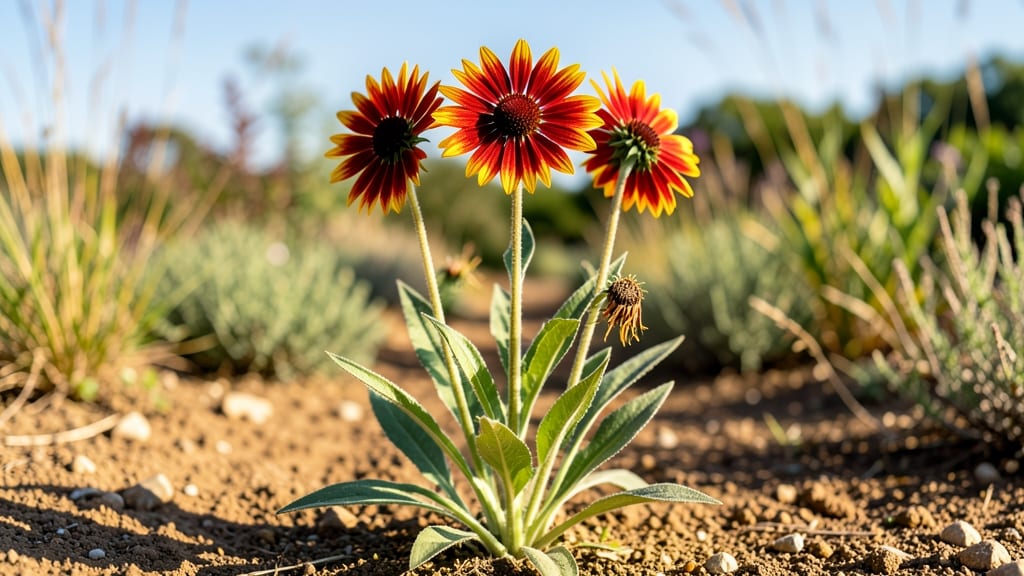
Caring for gaillardia flowers means getting vibrant, drought-proof blooms that thrive with almost no fuss—once you know the simple secrets. 🌻 I’ve grown these fiery red-and-yellow flowers for years, and they’ve taught me that the less you fuss, the better they perform.
The key lies in their love of sun, their dislike of soggy soil, and their surprising ability to bounce back from neglect.
Gaillardia plants demand full sun (at least 6 hours daily) and well-draining soil—think sandy or rocky ground rather than heavy clay. Water them deeply but infrequently, letting the soil dry out between waterings.
Overwatering is their biggest enemy, which is why they’re perfect for dry climates or busy gardeners who forget to water. A light feeding with balanced fertilizer in spring keeps them blooming all summer long.
Pruning is minimal—just snip back dead blooms to encourage more flowers, and cut back the entire plant in late fall if you’re in a cold climate. They’re tough enough to handle deer, rabbits, and even drought without complaint.
By the end of summer, you’ll have a patch of cheerful, long-lasting blooms that keep going when other flowers give up.
Whether you’re growing them in a sunny border, a wildflower meadow, or a drought-tolerant container, gaillardia delivers color and resilience with almost no effort. The best part? They self-seed happily, so you’ll have even more next year. Let’s get those roots settled in the right spot!
📚 In This Guide
- What you need
- Instructions
- Tips and common mistakes
- Wrapping up and next steps
What you need
- ● Well-draining potting mix or garden soil: 5–10 gallons (for containers) or amended native soil (for in-ground planting). Mix in perlite or sand (1 part per 3 parts soil) to improve drainage.
- ● Gaillardia plants: Start with healthy nursery-grown seedlings or seeds. Choose varieties like 'Arizona Sun' or 'Mesa Red' for vibrant blooms!
- ○ Watering can or hose with a gentle nozzle: A soaker hose or drip irrigation (optional but ideal for deep watering).
- ● Pruning shears: Sharp, sterilized shears (or clean scissors in a pinch) for trimming dead blooms.
- ○ Compost or slow-release fertilizer: Balanced 10-10-10 or 5-10-10 (1–2 tbsp per plant, applied 2x/year). Optional: Organic options like worm castings or fish emulsion.
- ○ Mulch (optional but helpful): Straw, pine needles, or shredded bark (1–2 inches thick) to retain moisture and suppress weeds.
- ● Garden gloves: To protect hands from prickly stems or thorns (some varieties have them!).
- ● Plant supports (for tall varieties): Stakes or rings if your gaillardia grows over 2 feet tall.
- ● Epsom salt: 1 tbsp dissolved in water (monthly) for magnesium boost in nutrient-deficient soil.
- ● Bug spray (natural or chemical): Only if pests like aphids or spider mites appear (neem oil or insecticidal soap work great!).
Step-by-Step guide to growing thriving gaillardia plants
Here's how to keep gaillardia blooming all season with almost no fuss.
🌱 Step 1: Plant in Well-Draining Soil with Full Sun Exposure
Gaillardia thrives in full sun—at least 6-8 hours daily—and won't tolerate soggy soil. Amend your garden beds with 2-3 inches of compost before planting to improve drainage. These drought-tolerant beauties hate wet feet, so avoid low-lying areas where water pools.
Space plants 12-18 inches apart to allow airflow and prevent fungal diseases. If planting in containers, use pots with drainage holes and a fast-draining cactus/succulent mix. You'll know the location is right when gaillardia's vibrant blooms stay upright instead of flopping.
☀️ Step 2: Water Deeply but Infrequently
Water deeply once a week during the first growing season to encourage deep root growth. Gaillardia's native drought tolerance kicks in after establishment, so once roots are established, you can reduce watering to every 10-14 days unless your area experiences extreme heat or drought.
Water at the base of the plant in the early morning to prevent fungal issues. You'll see healthy foliage with a slight blue-green tint—anything darker suggests overwatering. Let the top 2 inches of soil dry out between waterings to mimic their natural habitat.
✂️ Step 3: Deadhead Spent Blooms for Continuous Flowering
Pinch or cut back faded blooms just above the first set of healthy leaves to encourage new flower production. This simple step keeps gaillardia blooming from early summer through fall without requiring heavy pruning. Use clean, sharp scissors to avoid damaging stems.
Here's the thing—gaillardia often self-seeds, so if you notice volunteers popping up nearby, either transplant them or let them naturalize for a low-maintenance spread. The key is to remove only the brown, seed-laden centers of spent flowers, not the entire stem.
🌿 Step 4: Fertilize Lightly for Vibrant Color
Gaillardia doesn't need much fertilizer—too much actually reduces blooming. Apply a balanced 10-10-10 fertilizer at half strength once in early spring and again after the first flush of blooms. Organic options like compost tea work well too.
Look for plants with bold, multicolored blooms—this is your sign the fertilizer is just right. If flowers appear pale or sparse, cut back on feeding entirely. Gaillardia's natural beauty comes from its resilience, not heavy-handed care.
⏰ Step 5: Prepare for Winter Dormancy
In colder climates, gaillardia may die back to the ground, but it often regrows from the roots in spring. Cut back dead foliage in late fall to tidy the garden bed. In warmer zones, gaillardia may stay green year-round with minimal care.
Mulch with 2-3 inches of straw or shredded leaves in winter to protect roots from temperature swings. You'll see fresh growth emerging in early spring, proving these plants are built to last with minimal intervention.
Tips & tricks for perfect gaillardia care
These simple secrets will help your gaillardia thrive with minimal effort and maximum impact.
Sunlight Secret: Gaillardia's love for full sun (6-8 hours daily) is non-negotiable, but here's what nobody tells you—morning sun is more valuable than afternoon. The intense midday heat can stress plants, so if you must compromise, prioritize morning sunlight. I've seen gaillardia in partial shade still bloom, but the flowers will be smaller and less vibrant. Position your plants where they'll catch that golden morning light first thing.
Soil Strategy: The 2-3 inches of compost in Step 1 isn't just about drainage—it's about creating the perfect microbial environment. Gaillardia roots thrive with beneficial fungi that help them access nutrients. If your soil is particularly dense, mix in some perlite or coarse sand to create those tiny air pockets roots crave. Think of it as giving your plants a spa treatment—they'll reward you with stronger stems and brighter blooms.
Watering Wisdom: That once-a-week watering in Step 2 is a guideline, not a rule. In my zone 5 garden, I've found gaillardia actually prefers the occasional deep soak followed by dry spells. The key is watching the top 2 inches of soil—if it's bone dry, it's time to water. I use a screwdriver to check: if it slides in easily, hold off. If it meets resistance, it's thirsty. This method prevents both overwatering and underwatering.
Deadheading Technique: When removing those brown, seed-laden centers in Step 3, don't just grab and yank. Use your thumb and forefinger to gently pinch the stem just above the first set of healthy leaves. This encourages branching and more flowers. I've noticed that plants deadheaded this way produce about 30% more blooms than those simply cut at the base. It's like giving your gaillardia a little haircut—precision matters!
Pro Tips for Care For Gaillardia Flowers
- These simple secrets will help your gaillardia thrive with minimal effort and maximum impact.
- Sunlight Secret: Gaillardia's love for full sun (6-8 hours daily) is non-negotiable, but here's what nobody tells you—morning sun is more valuable than afternoon.
- Soil Strategy: The 2-3 inches of compost in Step 1 isn't just about drainage—it's about creating the perfect microbial environment.
Frequently asked questions
about gaillardia care—because even the toughest blooms need a little TLC!Do gaillardia flowers need a lot of water?
Not at all! Gaillardia thrives in drought conditions—overwatering is the real enemy. Water deeply but infrequently (about once a week, unless it’s scorching hot), and ensure the soil drains well. Pro tip: Mulch around the base to retain moisture and keep roots cool.
When is the best time to plant gaillardia?
Plant gaillardia in early spring (after the last frost) or late summer for fall blooms. They’re hardy perennials in USDA zones 3–10, so they’ll bounce back year after year with minimal fuss. Bonus: Direct sowing works too—just scatter seeds in well-drained soil!
How do I encourage more blooms?
Deadhead spent flowers (snip them back to the next set of leaves) to promote continuous blooming throughout the season. Avoid heavy pruning—just a light trim keeps them bushy and flowering. Fertilizer? Skip it unless your soil is poor; gaillardia prefers lean conditions.
What pests or diseases should I watch for?
Gaillardia is pest-resistant, but keep an eye out for aphids or Japanese beetles. Blast them off with water or use neem oil if needed. Disease? Poor drainage causes root rot—ensure soil drains well, and you’re golden. No worries!
Can I grow gaillardia in containers?
Use a well-draining potting mix and a container with drainage holes. Choose compact varieties like ‘Arizona Sun’ for pots. Sunlight tip: Place in full sun (6+ hours/day) for the best blooms. Just keep the soil slightly dry between waterings!
Wrapping up and next steps
Caring for gaillardia flowers is a rewarding journey—these vibrant blooms thrive with just a little love and minimal effort! 🌸 With the right balance of sunlight, well-draining soil, and occasional pruning, you’ll enjoy a stunning, drought-resistant display all season long.
Whether you’re a beginner or a seasoned gardener, these tips make it easy to keep your gaillardias happy and healthy.
Now that you’re armed with the knowledge, why not plant a few today? Grab your gloves, pick a sunny spot, and watch your garden burst into color with these cheerful, low-maintenance stars. Happy gardening! 🌞