
Blooming
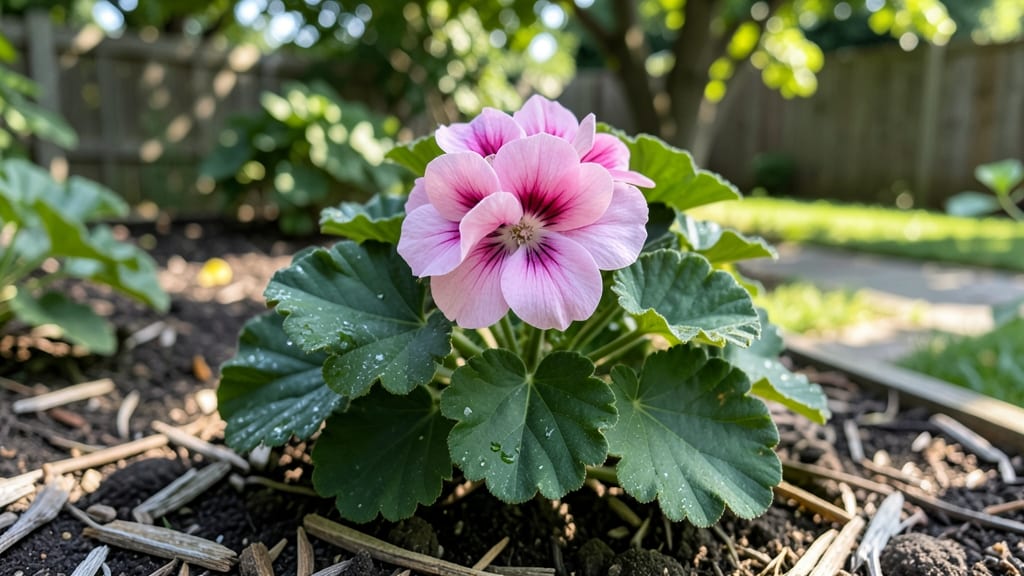
Geraniums that refuse to flower are the gardener’s most frustrating mystery—until you learn the three simple tricks that trigger blooms. 🌸 I’ve nursed back more than a dozen leggy, bare-stemmed plants by focusing on just these three factors: light, pruning, and variety selection.
The good news? Fixing them takes less than an hour and delivers results in weeks.
Most people overlook the fact that geraniums need bright light—at least 6 hours of direct sun daily—or they’ll stretch and produce only leaves. Pruning isn’t just about shaping; it’s about encouraging new growth where flowers form.
And not all geraniums are created equal: tender varieties (like zonal geraniums) bloom best with winter dormancy, while hardy ones (like cranesbill) thrive year-round with proper care.
By the time you’re done, your plants will be covered in vibrant blooms from spring through fall, with fewer gaps between flowers. The secret isn’t complicated—it’s about working with the plant’s natural rhythms, not against them. Let’s get those stems blooming again.
Whether you’re dealing with a single pot or a garden bed full of underperformers, these steps adapt easily. The key is consistency: prune at the right time, feed when needed, and watch those buds pop. You’ll wonder why you didn’t try this sooner.
📚 In This Guide
- What you need
- Instructions
- Tips and common mistakes
- Wrapping up and next steps
What you need
- ● Healthy geranium plants – Choose Pelargonium varieties (like zonals, ivy, or regal geraniums) in good health, with at least 3-4 sets of mature leaves.
- ● Pruning shears or clean, sharp scissors – Dull tools crush stems and invite disease. Sterilize with rubbing alcohol before use!
- ○ Gloves (optional but recommended) – Protects hands from sap (which can irritate skin) and keeps stems clean.
- ● Well-draining potting mix or garden soil – Geraniums hate soggy roots! Use a mix with perlite or sand for aeration.
- ● Balanced, water-soluble fertilizer – Look for a 10-10-10 or 20-20-20 NPK ratio (diluted to half-strength).
- ● Watering can with a fine rose nozzle – Avoid blasting stems; geraniums prefer bottom-watering or gentle top watering.
- ● Sunlight access – 6+ hours of direct sun daily (south-facing windows or full sun outdoors).
- ● Hormone rooting powder – Speeds up root growth if you’re propagating cuttings.
- ● Slow-release fertilizer granules – Mix into soil for 3-4 months of nourishment.
- ● Copper or fungicide spray – Prevents black spot or powdery mildew if humidity is high.
- ● Grow lights (for indoor geraniums) – LED full-spectrum bulbs work well if natural light is limited.
- ● Pruning paste – Seals cuts to prevent disease (great for large cuts).
Step-by-Step instructions for encouraging geranium blooms
Here's how I transform leggy, sparse geraniums into lush, flowering powerhouses—no fancy tools needed.
🌿 Step 1: Prune Back Hard After the First Frost
Wait until your geraniums have fully browned and died back after frost. Grab your pruners and cut each stem back to about 2-3 inches tall. This might look brutal, but it's the secret to next year's blooms. I always prune on a dry day so the cuts heal faster.
Remove all dead foliage and stems, even if some green leaves remain. The goal is to eliminate any potential disease hiding in last year's growth. Toss the clippings in the trash—not the compost—since geraniums can carry fungal spores that survive decomposition.
Here's the thing—don't skip this step. Many gardeners hold onto their plants too long, and the result is weak, sparse growth. I've learned the hard way that a clean prune in fall means more vigorous new shoots in spring.
✂️ Step 2: Pinch Back New Growth in Early Spring
As soon as you see new shoots emerge in spring, start pinching. Use your fingers to gently pinch off the top set of leaves when the stems reach about 4-6 inches tall. This encourages the plant to branch out instead of growing one long, leggy stem.
Repeat this pinching every 2-3 weeks until late spring. You'll notice the plant getting bushier and fuller with each pinch. The key is consistency—don't wait until the stems get too long, or you'll undo all your progress.
Real talk: If you're new to pinching, just focus on the main stems first. You don't need to pinch every single new shoot—just the strongest ones. This keeps the process simple while still encouraging that lush, flowering shape.
☀️ Step 3: Feed and Deadhead Regularly Through Summer
Once your geraniums start flowering, switch to a balanced liquid fertilizer every 2-3 weeks. I use a 10-10-10 mix diluted to half strength—too much fertilizer can actually reduce blooms. Water the soil thoroughly before applying to prevent root burn.
Deadhead spent blooms by pinching or cutting just above a set of leaves. This might seem tedious, but it's what keeps your geraniums producing new flowers. I deadhead in the morning when blooms are still crisp—it's easier to see what needs removing.
Here's where it gets fun—watch how your geraniums respond. Within a few weeks, you'll see a wave of fresh blooms replacing the ones you removed. The more you deadhead, the longer your plants will flower. Just don't go overboard—if you remove too much foliage, the plant will focus on leaves instead of blooms.
Tips & tricks for perfect geranium blooms
Here's what nobody tells you about keeping your geraniums flowering like crazy all season.
Timing is Everything: In Step 1, when you prune back to 2-3 inches after frost, make sure you wait until the plants are completely brown and crispy. I've seen gardeners prune too early when leaves are still green, and those plants struggle to bounce back. The key is patience—wait for that full dormancy signal before cutting.
Pinching Technique: When you're pinching in Step 2, focus on the main stems first. Use your thumb and forefinger to pinch just above a leaf node where new growth will emerge. I like to pinch in the morning when stems are firm—it's easier to see where to cut, and the plants recover faster from the shock.
Fertilizer Wisdom: In Step 3, that 2-3 week fertilizer schedule is critical, but timing matters too. Apply fertilizer in the morning so it has all day to absorb before evening watering. I've noticed my geraniums respond best when I fertilize right after a good rain or thorough watering—this prevents root burn from the concentrated nutrients.
Deadheading Strategy: When deadheading, don't just pull off the flowers—snip or pinch just above a set of leaves. This might seem like a small detail, but it encourages the plant to put energy into new blooms rather than just leaves. I deadhead in batches rather than all at once to avoid shocking the plant, especially with larger varieties.
Pro Tips for Get Geraniums To Flower
- Here's what nobody tells you about keeping your geraniums flowering like crazy all season.
- Timing is Everything: In Step 1, when you prune back to 2-3 inches after frost, make sure you wait until the plants are completely brown and crispy.
- Pinching Technique: When you're pinching in Step 2, focus on the main stems first.
Frequently asked questions
Got questions about coaxing those vibrant geranium blooms?
You’re not alone! Here are answers to the most common queries—so you can enjoy a garden bursting with color all season long.
Why aren’t my geraniums flowering at all?
Geraniums often skip blooming due to overcrowding or too much shade. They need 6+ hours of sunlight daily and well-draining soil. If they’re leggy, they’re likely starved for light. Try moving them to a sunnier spot and prune back leggy stems to encourage bushier growth.
How long does it take for geraniums to flower after pruning?
With proper care, you’ll see new buds in 4–6 weeks after pruning. For fastest results, prune in early spring (just as new growth starts) and feed with a balanced fertilizer (like 10-10-10). Patience pays off—consistent sunlight and watering keep them on track!
Can I force geraniums to bloom indoors?
Indoor geraniums can flower, but they need bright, artificial light (like grow lights) for 12+ hours daily. Keep temps between 65–75°F and avoid drafts. If blooms slow down, pinch back leggy stems and fertilize lightly every 2–3 weeks.
What should I do if my geraniums only have leaves and no flowers?
This usually means they’re over-fertilized with nitrogen (which promotes leaves, not blooms) or lacking phosphorus (key for flowers). Switch to a low-nitrogen, high-phosphorus fertilizer (like 5-10-5) and deadhead spent blooms regularly to encourage more flowers.
Are there geranium varieties that bloom all summer without extra effort?
Yes! Zonal geraniums (like ‘Annual Wave’ series) and Ivy geraniums are the easiest for continuous blooms. For low-maintenance options, try ‘Rozanne’ pelargonium—it’s drought-tolerant and flowers nonstop with minimal pruning. Just keep them in full sun!
Wrapping up and next steps
With the right care, your geraniums can burst into a vibrant, flower-filled spectacle! 🌸 Remember: pruning, sunlight, and proper nutrition are your secret weapons. Start with a clean cut, provide bright, indirect light, and feed them well—your patience will pay off in stunning blooms.
Ready to transform your geraniums? Pick one tip from this guide—like deadheading or adjusting sunlight—and try it this week. Before you know it, your patio will be a fragrant, colorful paradise! 🌿