Blooming
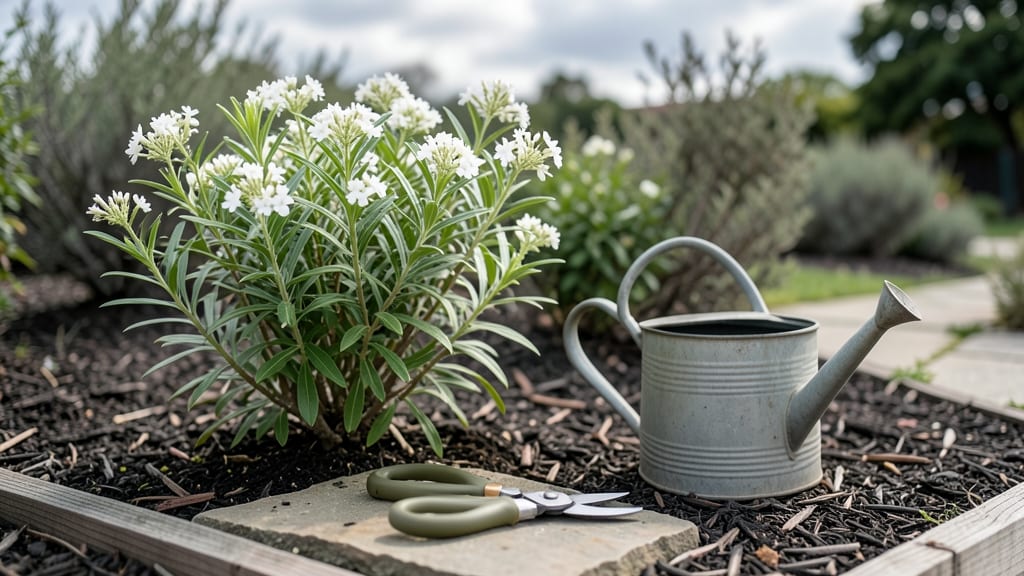
Getting your hebe to flower is all about sunlight, timing, and a little strategic pruning—trust me, I’ve turned stubborn non-flowering shrubs into blooming stars with these exact moves. 🌿 The key?
Hebes need 6+ hours of direct sun daily, but too much heat without water can stress them out, so balance is everything.
Most gardeners over-prune in spring, which sends all their energy into leaf growth instead of blooms. Instead, prune right after flowering in late summer—cut back about one-third of the oldest stems to encourage fresh growth and next year’s flowers.
A light feeding with low-phosphorus fertilizer (like 10-10-10) in early spring keeps them focused on blooms, not just foliage.
Within a season, you’ll see clusters of tiny tubular flowers—some pink, some purple, some white—dotting the stems like confetti. The fragrance? Lightly sweet, like a summer breeze through a cottage garden. And the best part? These blooms attract pollinators while keeping your hebe looking tidy all year.
Works for both in-ground shrubs and container hebes—just adjust pruning slightly for size. Here’s how to troubleshoot if yours still refuses to bloom, plus a few pro tips to guarantee success next season.
📚 In This Guide
- What you need
- Instructions
- Tips and common mistakes
- Wrapping up and next steps
What you need
- ● Hebe plant: Choose a healthy, mature plant (3+ years old) with at least 12–18 inches of growth. Dwarf varieties (like Hebe ‘Green Tippy’) or larger shrubs (like Hebe ‘Bressingham White’) both work!
- ● Well-draining potting mix: 3–5 gallons, depending on pot size. Use a blend of 50% peat-free compost, 30% perlite or pumice, and 20% coarse sand for optimal aeration.
- ● Containers (if not in-ground): For small varieties: 5–7 gallon pots with drainage holes.
- ● For larger shrubs: 10–15 gallon containers or in-ground planting.
- ● Balanced liquid fertilizer: 10-10-10 or 20-20-20 NPK ratio, diluted to half-strength (e.g., 1 tbsp per gallon of water). OR a slow-release granular fertilizer (e.g., Osmocote 14-14-14).
- ● Pruning shears: Sharp, bypass-style shears (avoid anvil shears to prevent crushing stems).
- ○ Gloves & safety glasses: Optional but recommended for thorny varieties (like Hebe ‘Honey Dew’).
- ● Sunlight: Full sun (6+ hours/day) for most varieties. Partial shade (3–4 hours) works for cooler climates or heat-sensitive types.
- ● Watering routine: Keep soil consistently moist but not soggy. Water at the base (avoid wetting foliage to prevent fungal issues).
- ● Hardiness zone: USDA Zones 7–9 (or grow in containers to overwinter indoors if in colder zones).
- ● Dormancy period: Cool winter temps (40–50°F) trigger blooming hormones—critical for spring flowers!
- ● Acid-loving plant fertilizer: Iron chelate or sulfur-coated urea if your soil is alkaline (test with a pH kit).
- ● Mulch: 2–3 inches of pine bark or wood chips to retain moisture and regulate soil temp.
- ● Growth regulator: Paclobutrazol (e.g., B-Nine) to encourage compact growth (use sparingly, per label).
- ● Flowering stimulant: Seaweed extract (kelp meal) for a gentle nutrient boost.
Step-by-step guide to encouraging hebe blooms
Master these three key adjustments and your hebe will reward you with vibrant, continuous flowers.
💧 Step 1: Optimize Watering for Stress-Free Growth
Hebe thrives when watered deeply but infrequently. Aim for 1-2 inches of water per week, delivered directly to the root zone rather than overhead. The soil should dry out between waterings—stick your finger 1-2 inches deep; if it feels dry, it's time to water. Overwatering causes root rot, while underwatering triggers stress blooms that fade quickly.
Here's the thing—hebes hate soggy feet. I always check the pot's drainage holes before watering; if water pools at the bottom, I wait another day. Mulch with 1-2 inches of organic mulch (like shredded bark) to retain moisture while preventing soil compaction. This keeps roots cool and encourages robust flowering stems.
☀️ Step 2: Provide Strategic Light Exposure
Full sun is non-negotiable for hebe blooms. Position your plant in 6+ hours of direct sunlight daily, preferably morning sun with afternoon shade in hot climates. You'll notice leggy growth if light is insufficient—this means the plant stretches toward any available light source, weakening stems and reducing flower production.
I rotate my hebe pots quarter-turn weekly to ensure even light exposure. If you notice new growth leaning toward one side, your plant needs to be repositioned. For container-grown hebes, a south-facing window or a spot under a patio awning works best. In low-light conditions, supplement with a grow light positioned 12-18 inches away for 12-14 hours daily.
✂️ Step 3: Prune for Shape and Flower Stimulation
Pruning isn't just about aesthetics—it's how you trigger more blooms. After the first flush of flowers fades, cut back 1/3 of the oldest stems to the nearest leaf node. This encourages new growth from the base, which produces stronger flowering shoots. Always use clean, sharp pruners to avoid tearing stems.
Real talk: I used to prune too late in the season, and my hebe would only produce a few sad blooms. Now I prune twice yearly—once after spring blooms and again in early summer. Avoid heavy pruning after mid-August; new growth won't have time to harden off before winter. Deadhead spent flowers regularly to redirect the plant's energy into fresh blooms.
🌿 Step 4: Feed with Precision for Continuous Blooms
Hebe responds best to a balanced, slow-release fertilizer applied in early spring. Use a 10-10-10 or 20-20-20 formula at half-strength to avoid burning roots. I mix mine with the top 2 inches of soil around the plant's drip line, then water thoroughly to distribute nutrients evenly.
For container-grown hebes, I switch to a low-nitrogen, high-phosphorus fertilizer (like 5-10-5) during the blooming season to encourage more flowers. Feed every 4-6 weeks from late spring through summer, then taper off in fall. Over-fertilizing leads to lush foliage but few blooms—a common mistake that frustrates gardeners.
Tips & tricks for encouraging hebe blooms
These subtle adjustments can transform your hebe from a foliage plant to a continuous flowering powerhouse.
Watering Wisdom: The 1-2 inches of water per week is a guideline, but timing matters just as much. Water in the morning so foliage dries completely by evening—this prevents fungal issues that stress plants and reduce blooming. I've seen hebes with perfect watering schedules still struggle because they were watered at night. Think of it like a spa day for your plant: morning hydration followed by afternoon relaxation.
Light Positioning: That quarter-turn weekly rotation isn't just about aesthetics—it's a growth hack. Hebe stems grow toward light, so rotating prevents lopsided growth that weakens flowering potential. For container hebes, I've found placing them on a lazy Susan makes this rotation effortless. And if your south-facing window isn't cutting it, consider adding a small LED grow light for those 12-14 hours daily—it's the difference between sporadic blooms and continuous color.
Pruning Precision: When cutting back those 1/3 of oldest stems, look for where the leaves grow in a circular pattern around the stem—that's your leaf node target. Cut just above it at a 45-degree angle to prevent water pooling. I keep a small notebook by my pruners to track when I last pruned each plant; that mid-August cutoff is serious business. New growth after that date won't have time to mature before winter, and you'll be left with bare stems come spring.
Fertilizer Strategy: The 10-10-10 at half-strength in spring is your foundation, but here's the secret: mix that fertilizer with compost. The organic matter improves soil structure while the balanced nutrients feed root development. For container plants, I make a "bloom boost" tea by steeping fish emulsion (high in phosphorus) in water for 24 hours, then using it as my 4-6 week feeding solution during peak blooming season. The fish scent disappears after watering, but the results don't.
Pro Tips for Get Hebe To Flower
- These subtle adjustments can transform your hebe from a foliage plant to a continuous flowering powerhouse.
- Watering Wisdom: The 1-2 inches of water per week is a guideline, but timing matters just as much.
- Light Positioning: That quarter-turn weekly rotation isn't just about aesthetics—it's a growth hack.
Frequently asked questions
about encouraging your Hebe to flower—because even the best gardeners have questions!Why isn’t my Hebe flowering at all?
If your Hebe is healthy but still refuses to bloom, it may need more sunlight (6+ hours of direct light is ideal) or a winter chill period (below 50°F/10°C). Over-fertilizing with high-nitrogen feed can also delay flowers—switch to a balanced or low-nitrogen fertilizer in early spring instead.
How long does it take for Hebe to flower after pruning?
With proper care, you’ll often see buds forming within 6–8 weeks after pruning (especially after a late-winter or early-spring trim). However, first-time bloomers may take 1–2 years to establish. Patience pays off—consistent light, water, and pruning keep them on track!
Can I force Hebe to flower indoors?
While Hebe thrives outdoors, you can try indoor blooming with bright artificial grow lights (12+ hours/day) and a cool winter dormancy (50–60°F/10–15°C). However, most varieties need outdoor conditions for reliable flowers. If indoor blooms fail, consider a sunny windowsill or greenhouse instead.
Should I prune Hebe before or after it flowers?
Prune right after flowering (late spring/early summer) to shape the plant and encourage next year’s blooms. Avoid heavy pruning in fall/winter—this is when Hebe sets buds for the following season. A light trim to remove dead wood in late winter is fine, but save major cuts for post-bloom!
What’s the best fertilizer for flowering Hebe?
Use a balanced, slow-release fertilizer (e.g., 10-10-10 or 12-12-12) in early spring, then switch to a low-nitrogen, high-phosphorus formula (e.g., 5-10-10) when buds form. Avoid synthetic fertilizers in winter—they can stress the plant. Organic options like composted manure or fish emulsion work too!
Wrapping up and next steps
Getting your Hebe to flower is all about patience, consistency, and a little extra care! By mastering the right balance of light exposure, pruning techniques, and nutrient-rich feeding, you’ll unlock those stunning blooms year after year.
Remember, every plant has its rhythm—trust the process, and soon your garden will be bursting with color! 🌸
Ready to take the next step? Monitor your Hebe’s progress and adjust your care routine as needed—whether it’s tweaking sunlight spots or fine-tuning your fertilizer mix. Happy gardening, and enjoy the rewards of your hard work! 🌿✨