
Pests
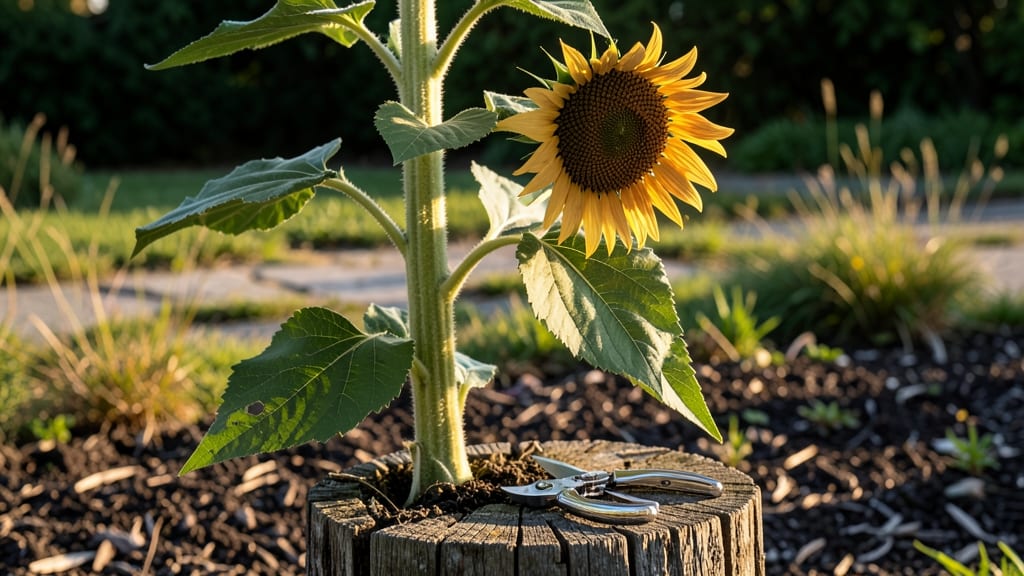
To get sunflower seeds that grow into those towering, sun-drenched blooms, start with quality seeds from trusted sources—whether you buy them or harvest your own.
I’ve learned the hard way that store-bought seeds from questionable places often sprout weakly, while heirloom varieties from seed banks produce plants that reach 10 feet tall with rich, deep centers. The key is knowing where to look and what to avoid.
Your best bets are reputable online seed retailers like Baker Creek or Burpee, local garden centers with fresh stock, or even saving seeds from mature sunflowers you grow yourself. Organic seeds cost more but yield healthier plants, while hybrids offer uniform blooms—though they won’t produce viable seeds for next year.
If you’re harvesting your own, wait until the back of the flower head turns brown and papery before collecting.
Once you’ve got your seeds, store them in a cool, dry place—like a sealed jar in the fridge—to keep them viable for up to two years. Properly stored seeds will sprout faster and stronger, giving you those iconic sunflowers that turn heads and attract pollinators all summer long.
The first step to sky-high blooms is making sure your seeds are ready to grow.
Whether you’re a beginner or a seasoned gardener, this is where the magic starts. Sunflowers are one of the easiest plants to grow, but the right seeds make all the difference. Let’s get you growing those golden giants!
📚 In This Guide
- What you need
- Instructions
- Tips and common mistakes
- Wrapping up and next steps
What you need
- ● Sunflower seeds: For sprouting: 1–2 tbsp of raw, organic sunflower seeds (unsalted, unroasted)
- ● For planting: 1–2 lbs of sunflower seeds (choose a variety like Mammoth or Russian Giant for best results)
- ● For harvesting: Mature sunflower heads (or store-bought seeds if you’re not growing from scratch!)
- ● Growing medium: For sprouting: 1–2 paper towels or a sprouting jar with a lid
- ● For planting: Well-draining potting mix or garden soil (amended with compost for nutrients)
- ● Containers: For sprouting: A small jar (8–16 oz) or a sprouting tray
- ● For planting: Individual pots (3–4 inches deep) or a garden bed (6+ inches deep)
- ● Watering tools: A spray bottle (for sprouting)
- ● A watering can or hose (for outdoor plants)
- ● Sunlight access: For sprouting: A sunny windowsill (6+ hours of light/day) or a grow light
- ● For planting: A full-sun location (6–8+ hours of direct sunlight)
- ● A seedling heat mat (if starting indoors in cool weather)
- ● Plant labels or markers (to track varieties)
- ● Organic fertilizer (like fish emulsion or compost tea for faster growth)
- ● A pruning shears (for harvesting mature seed heads)
- ● Drying rack or paper towels (to dry harvested seeds before storage)
- ● Storage containers (airtight jars or bags for saving seeds long-term)
Step-by-step instructions for growing sunflower seeds at home
Ready to grow your own towering sunflowers? Here's the straightforward method I've used to coax seeds into sky-reaching giants.
🌱 Step 1: Choose and Prepare Your Sunflower Seeds
Start with large, plump seeds—those are the ones with the best germination rates. I like to soak them overnight in lukewarm water to soften the outer shell and speed up sprouting. This isn't mandatory, but it does cut down on waiting time, especially if your home runs cooler than 70°F.
After soaking, drain the seeds and let them sit in a paper towel for a few hours until they're slightly damp but not dripping. This keeps them ready to push through the soil as soon as they're planted. Here's the thing—don't skip this step if you're impatient. Those soaked seeds will sprout faster, and you'll see little green hooks breaking through the soil in just 3-5 days.
☀️ Step 2: Plant in Well-Drained Soil and Full Sun
Sunflowers need 6+ hours of direct sunlight daily, so pick a spot where they won't be shaded by trees or buildings. I dig holes about 1 inch deep—that's roughly the length of your pinky finger—and place one seed in each hole. Planting too deep slows germination because the seedling has to work harder to reach the surface.
Cover the seeds with soil and water gently to settle it around the seeds. Don't drown them—just enough to moisten the soil to a depth of 1 inch. You'll know it's right when the surface looks slightly damp but not glistening. After planting, I like to add a thin layer of mulch to keep the soil moist and suppress weeds, which can compete with your sunflowers for nutrients.
💧 Step 3: Water Consistently and Monitor Growth
Keep the soil evenly moist but not soggy, especially in the first 2-3 weeks while the seedlings establish their roots. Water deeply once a week if it hasn't rained, aiming for about 1 inch of water per week. You'll see the first true leaves appear in about 7-10 days, and that's your signal everything is on track.
Once the seedlings are about 6 inches tall, thin them so each plant has at least 18 inches of space around it. This prevents overcrowding, which can lead to weak stems and fewer blooms. If you're growing 4 sunflowers, space them evenly in a row or cluster. Real talk: Thinning can be tough, but trust me—your sunflowers will thank you with stronger, taller stems.
✂️ Step 4: Support and Maintain for Maximum Height
As your sunflowers grow, their stems will need support, especially if they're reaching for the sky. I stake mine with 3-foot bamboo stakes placed gently beside the stem and tie them loosely with soft twine. This prevents wind from snapping the stems, which can happen quickly if they grow too tall too fast.
Watch for pests like aphids or beetles, which can munch on the leaves and stems. A quick spray of soapy water usually does the trick. Also, keep an eye out for yellowing leaves—this often means the plant needs more water or nutrients. If you notice this, give it a boost with a balanced fertilizer and water deeply to revive it.
🌿 Step 5: Harvest and Save Seeds for Next Year
When the flower heads turn brown and the back of the bloom looks dry, it's time to harvest. Cut the entire head off the stem and hang it upside down in a dry, well-ventilated spot. This lets the seeds fully mature and dry out. You'll know they're ready when they rattle inside the dried bloom—this usually takes about 2-3 weeks.
Once dry, rub the head between your hands to release the seeds. Store them in a cool, dry place, like a jar in your pantry, until you're ready to plant them again next year. Here's where it gets fun—those seeds you grew will produce even bigger blooms if you save and replant them, creating your own sunflower legacy.
Tips & tricks for perfect sunflower seed growth
Here's what I've learned after growing sunflowers that reached record heights in my garden—these tricks make all the difference.
Seed Selection Matters: Those large, plump sunflower seeds with firm shells are your secret weapon. I always check for seeds that feel heavy in my hand—lightweight ones often have lower germination rates. If you're buying seeds, look for varieties labeled "gigantic" or "tall" for the most impressive results. The variety you choose determines your final height, so don't settle for anything less than 8 feet if you want sky-high blooms!
Soaking Strategy: The overnight soak in lukewarm water isn't just a suggestion—it's a game-changer for cooler climates. If your home stays below 70°F, this step cuts your waiting time by nearly half. After soaking, I always pat the seeds dry with a paper towel before planting. This prevents mold and ensures they'll push through the soil quickly. You'll see those first green hooks in just 3-5 days when you follow this method.
Planting Depth Secret: That 1-inch planting depth isn't arbitrary—it's the perfect balance between protection and accessibility. Planting too deep forces seedlings to work harder to reach sunlight, while shallow planting can expose them to temperature swings. I use my pinky finger as a guide because it's always handy when I'm in the garden. For container growing, use slightly shallower holes—about 3/4 inch deep—to accommodate the smaller root zone.
Sunlight Check: The 6+ hours of direct sunlight requirement is non-negotiable, but here's how to maximize it: If your garden gets afternoon shade, plant your sunflowers closer to the morning sun. Their stems grow toward the light, so positioning them correctly can actually help them reach higher. I've seen sunflowers grow an extra foot just by adjusting their planting location to capture more morning sunlight.
Pro Tips for Get Sunflower Seeds
- Here's what I've learned after growing sunflowers that reached record heights in my garden—these tricks make all the difference.
- Seed Selection Matters: Those large, plump sunflower seeds with firm shells are your secret weapon.
- Soaking Strategy: The overnight soak in lukewarm water isn't just a suggestion—it's a game-changer for cooler climates.
Frequently asked questions
Got questions about harvesting sunflower seeds? You’re not alone! Here are some of the most common queries—and their simple solutions—to help you crush the process like a pro.
When is the best time to harvest sunflower seeds?
Harvest seeds when the sunflower heads turn brown and the back of the seed shell (the hull) is black or gray. This usually happens 8–12 weeks after planting, depending on the variety. Wait too long, and birds might beat you to the feast!
What if my sunflower heads get rained on before harvesting?
No worries! Light rain won’t hurt your seeds—just avoid harvesting if the heads are soaking wet, as moisture can speed up mold or spoilage. Let them dry in a shady, well-ventilated spot for 1–2 days before processing. Think of it as nature’s drying rack!
How do I keep birds from eating my sunflower seeds?
Birds love sunflower seeds, but you can outsmart them! Use bird netting over the heads once they’re mature, or harvest seeds early in the morning when birds are less active. For extra security, try decorative (non-edible) sunflowers as a distraction.
Can I save sunflower seeds for next year’s planting?
Store seeds in a cool, dry place (like a jar or paper bag) for up to 3–5 years. Just make sure they’re completely dry before storing—moisture is the enemy! Pro tip: Label them with the harvest year to track freshness.
What if my sunflower seeds don’t open naturally?
Some varieties (like giant sunflowers) need a little help! Once the heads are fully brown, cut them down and hang them upside down in a dry, dark place for 1–2 weeks. The seeds will loosen and fall out—no manual cracking required!
Wrapping up and next steps
You’ve now got all the tools to unlock the magic of sunflower seeds—whether you’re growing them for their stunning blooms 🌻, crunchy snacks, or even pest control! Remember, patience and care are key, but the rewards are worth it.
Start small, experiment with varieties, and soon you’ll be enjoying the full-circle joy of harvesting your own seeds.
Ready to take the next step? Plant your first seeds today! Or, if you’re feeling inspired, share your sunflower journey with fellow gardeners—your tips could help someone else bloom beautifully. 🌱