
Planting
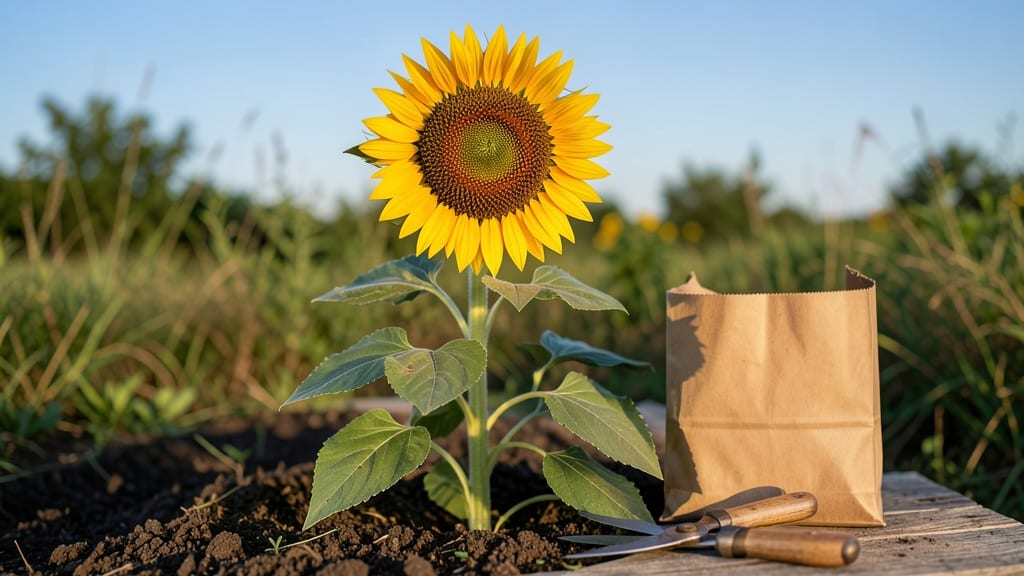
Learn how to save sunflower seeds to plant next year—and you’ll never miss the joy of growing from heirloom varieties again. 🌻 I learned the hard way—skipping this step means losing out on those towering, golden blooms. seeds you’ve nurtured yourself.
The process starts with healthy, disease-free sunflowers—pick varieties with sturdy stems and watch for fully mature seed heads. Once harvested, proper drying and storage are key to beating mold and pests.
My first batch nearly failed because I rushed the drying process, but now I’ve perfected a simple method that keeps seeds viable for years.
By following these steps, you’ll end up with plump, dark seeds ready to sprout into next season’s towering beauties. The smell of fresh soil mixed with sunflower sprouts is unmatched—nothing beats growing from seeds you saved with your own hands.
Whether you’re a first-time seed saver or looking to refine your technique, this method works for any sunflower variety. Let’s get those seeds ready for planting!
📚 In This Guide
- What you need
- Instructions
- Tips and common mistakes
- Wrapping up and next steps
What you need
- ● Mature sunflower heads: Choose fully browned, dry heads from healthy plants (harvest when seeds easily pop out when squeezed). Aim for at least 10-15 heads for a good yield.
- ● Paper bags or breathable fabric sacks: 1-2 bags per sunflower head (avoid plastic—it traps moisture!). Use kraft paper or cotton bags (12"x15" size works well).
- ● Scissors or pruning shears: For cleanly cutting stems (sterilize with rubbing alcohol if reusing).
- ● Drying surface: A clean, dry tray, cardboard, or mesh screen (place in a well-ventilated, shaded area with temps between 60–80°F (15–27°C)).
- ● Air-tight storage containers: Glass jars with lids (e.g., 1-pint mason jars), plastic bins with tight seals, or vacuum-sealed bags. Label each container with the variety and year!
- ○ Desiccant packets (optional but helpful): 1-2 silica gel packets per container to absorb excess moisture.
- ○ Fine-mesh sieve or colander: For separating seeds from chaff (optional but saves time).
- ● Notebook & pen: To track drying dates, storage conditions, and germination tests.
- ● Seed viability test kit: Or a simple paper towel + plastic bag setup for quick germination checks.
- ● Food dehydrator: If your climate is humid, speed up drying with low heat (95°F/35°C for 2–4 hours).
- ● Humidity monitor: To keep storage areas below 40% humidity (ideal for long-term seed life).
- ● Seed catalog or reference book: For cross-referencing sunflower varieties and traits.
Step-by-step guide to harvesting and storing sunflower seeds
Here’s how to turn this year’s sunflowers into next year’s garden stars.
🌿 Step 1: Select and Harvest Mature Heads
Wait until the sunflower heads turn completely brown and the petals drop off—this signals the seeds are fully mature. I like to harvest on a dry morning when dew has evaporated, as moisture can speed up spoilage. Use clean, sharp pruning shears to cut the entire head about 6 inches below the base.
Lay the harvested heads on a clean tarp or newspaper in a dry, shaded spot. Avoid direct sunlight, which can overheat the seeds and reduce viability. If you’re in a humid climate, spread them out even more to prevent mold. You’ll know they’re ready for processing when the back of the head feels dry and papery to the touch.
🌱 Step 2: Dry and Remove Seeds from Heads
Once the heads are completely dry, rub the back of the head with your hands or a gloved finger to loosen the seeds. I prefer wearing thin gardening gloves—it’s faster and keeps the process tidy. Place the heads in a paper bag and shake gently to release the seeds. The seeds will fall out easily once fully dry.
Spread the seeds in a single layer on a clean, dry surface like a baking sheet or tray. Let them dry for an additional 3-5 days in a warm, well-ventilated area. They’re ready when the seed coats feel hard and dry to the touch—no moisture should remain. If you’re in a damp climate, use a fan on low to speed up drying and prevent mold.
💧 Step 3: Clean and Store Seeds Properly
Remove any debris, chaff, or empty seed pods by hand or with a fine-mesh sieve. I use a small kitchen strainer for this—it’s quick and keeps the seeds from getting lost. Store the cleaned seeds in an airtight container like a glass jar or sealed plastic bag with a desiccant packet to absorb moisture.
Label the container with the sunflower variety and the harvest date. Store in a cool, dark place like a pantry or refrigerator. Sunflower seeds can last 3-5 years when stored properly, but viability drops after the first year, so plan to plant them as soon as possible. Check for moisture or mold every few months—if you see any, discard the seeds immediately.
☀️ Step 4: Test Viability Before Planting Next Year
Before planting, test seed viability by placing 10 seeds in a glass of water. Viable seeds will sink to the bottom within 15 minutes, while non-viable ones will float. If fewer than 80% sink, your seeds may need to be replanted or treated to improve germination. I’ve found that older seeds often need a 24-hour soak in warm water before planting to encourage sprouting.
Plant the viable seeds in well-draining soil at a depth of 1 inch, spacing them 6 inches apart. Water lightly after planting, and keep the soil consistently moist until germination, which typically occurs in 7-14 days**. If you notice slow germination, try covering the seeds with a thin layer of mulch to retain warmth and moisture.
Tips & tricks for perfect sunflower seed preservation
Here's what I've learned from years of saving seeds—and how to avoid my early mistakes.
Harvesting Timing: The 6-inch cut below the base isn't just arbitrary—it helps prevent rot by keeping moisture away from the stem. I've ruined batches by cutting too close, so take your time here. Also, harvest on a dry morning when dew has evaporated; even slight moisture speeds up spoilage during storage.
Drying Strategy: That 3-5 day drying period is crucial, but don't rush it. I learned the hard way that damp seeds develop mold within days. In humid climates, use a fan on low to circulate air without creating drafts that could scatter seeds. Spread them in a single layer—they need airflow on all sides to dry properly.
Storage Wisdom: Glass jars with desiccant packets are your best friends for long-term storage. I've found that even small amounts of moisture can reduce viability by 30% within months. Label containers with both the variety and harvest date—this helps you prioritize planting the freshest seeds first when viability starts dropping after year one.
Pro Tips for Save Sunflower Seeds To Plant Next Year
- Here's what I've learned from years of saving seeds—and how to avoid my early mistakes.
- Harvesting Timing: The 6-inch cut below the base isn't just arbitrary—it helps prevent rot by keeping moisture away from the stem.
- Drying Strategy: That 3-5 day drying period is crucial, but don't rush it.
Frequently asked questions
Got questions about saving sunflower seeds?
You’re not alone! Here are answers to the most common concerns—so you can harvest, store, and replant with confidence.
When is the best time to harvest sunflower seeds for replanting?
Harvest seeds when the sunflower heads turn brown and the back of the seed (the "cap") is dry and papery. This usually happens 8–12 weeks after flowering. Wait too long, and seeds may scatter or lose viability. For extra assurance, check for plump, firm seeds—if they dent when pressed, they’re ready!
How long can I store sunflower seeds before planting?
Properly dried and stored seeds stay viable for 2–5 years in cool, dark conditions (ideally 32–40°F). Test germination annually by planting a few seeds—if they sprout within 10–14 days, the rest are still good. Freezing seeds can extend their lifespan even further!
What if my sunflower seeds don’t sprout after storing?
Low germination? Try these fixes:
- Check moisture: Seeds may be too dry—soak them in warm water for 12–24 hours before planting.
- Test viability: Cut open a seed—if the inside is hard and white, it’s likely dead.
- Adjust conditions: Sunflowers need warm soil (60–70°F) and full sun to germinate.
Can I save seeds from hybrid sunflowers?
Hybrid sunflower seeds (often labeled "F1") may not grow true to type—meaning your saved seeds could produce smaller, weaker, or oddly colored plants. For consistent results, stick to heirloom or open-pollinated varieties. If you’re experimenting, plant a few seeds to compare!
Do I need special containers to store sunflower seeds?
Not at all! Use airtight containers like:
- Mason jars with silica gel packets
- Zip-top bags with a desiccant (like rice or cat litter)
- Vacuum-sealed bags
Pro Tip:
Tag your sunflower heads with toothpicks and labels before harvesting to track varieties. This saves headaches later and helps you replicate your favorite types year after year!
Wrapping up and next steps
Saving sunflower seeds for next year’s garden is simpler than you think—and it’s a rewarding way to cut costs and grow heirloom varieties!
With just a little patience and the right storage tricks, you’ll have healthy, viable seeds ready to sprout come spring. Now’s the perfect time to take that next step: grab your dried seeds, label them, and tuck them into a cool, dark spot.
Before you know it, you’ll be watching your sunflowers bloom again—all from seeds you saved yourself! 🌻✨