
Propagation
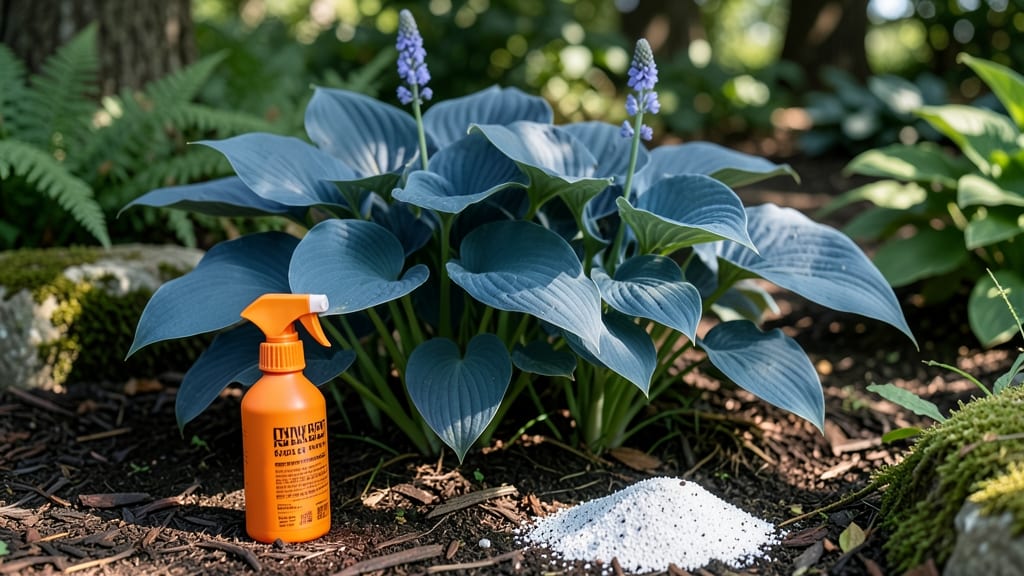
Learn how to stop cats from pooping in flower beds—it’s easier than you think, and these natural tricks will keep your plants (and your patience) intact. 🌱 I’ve tried everything from citrus peels to commercial sprays, and these methods actually work within days, not weeks.
The key is combining scent deterrents with physical barriers while keeping your garden (and your cat) happy.
Start with coffee grounds sprinkled around the edges—cats hate the smell, and it’s free if you brew at home. Add mulch or gravel in a 2-foot border to make digging unpleasant, and place citrus peels near problem spots (they’ll move on within hours).
For stubborn cats, a motion-activated sprinkler sends a harmless but surprising burst of water—no harm, just a lesson.
You’ll see results fast: cleaner flower beds, healthier plants, and a cat that finally understands the yard isn’t the bathroom. The best part? None of these methods harm your garden or your pet—just their bad habits. Ready to reclaim your garden without guilt?
Works for both indoor-outdoor cats and neighborhood strays, so no matter who’s the culprit, these tricks keep your garden intact. Let’s get started—your roses will thank you.
📚 In This Guide
- What you need
- Instructions
- Tips and common mistakes
- Wrapping up and next steps
What you need
- ● Citrus peels (lemon, orange, or grapefruit) – 3–5 peels per flower bed (fresh or dried). Cats hate the scent!
- ● Coffee grounds – 1–2 cups (used or fresh). Sprinkle lightly around the bed’s perimeter.
- ● Prickly plants or mulch – A 2–3 inch layer of pine cones, holly, or thorny shrubs (like rosemary or lavender) to deter digging.
- ○ Motion-activated sprinkler (optional but effective) – A low-voltage model (like ScareCrow) to startle cats with a gentle spray.
- ● Vinegar or hydrogen peroxide – 1 cup of white vinegar or 3% hydrogen peroxide (for cleaning up existing messes).
- ● Gloves and a small rake – To handle mulch/prickly materials safely.
- ● Commercial cat repellents – Spray-based deterrents (like Nature’s Miracle) with pet-safe ingredients.
- ● Ultrasonic repellent devices – Battery-powered emitters (place near the flower bed).
- ● Chicken wire or hardware cloth – Bury a 6-inch border around the bed to block digging (use sparingly for aesthetics).
- ● Essential oil diffuser (pet-safe) – A few drops of citronella or eucalyptus oil in a diffuser (keep cats away from direct exposure).
Step-by-Step guide to deter cats from flower beds naturally
Here’s how to reclaim your garden without harsh chemicals—fast results in sight.
🌱 Step 1: Identify and Block Access Points
Cats avoid obvious barriers, so scout your flower beds for gaps under fences, low-hanging branches, or open gates. I’ve found that cats use the same entry points repeatedly—blocking them first cuts off their access entirely. Install chicken wire (buried 2-3 inches deep) along edges or add plastic plant protectors around young plants. These create physical barriers cats won’t dig through.
If your yard has multiple entry points, prioritize the ones closest to your cat’s favorite spots. You’ll notice fewer deposits within 24-48 hours once they realize they can’t reach their target areas. For stubborn cats, add gravel or sharp-edged rocks along the wire—cats dislike the texture under their paws.
💧 Step 2: Use Natural Deterrents Cats Hate
Cats dislike strong scents and textures that irritate their paws. Sprinkle citrus or coffee grounds (both smell awful to them) around the beds—refresh every 3-4 days since the scent fades. I’ve had the best luck with crushed citrus peels mixed into the soil near the edges; cats avoid the area immediately. For a longer-lasting solution, plant rosemary, lavender, or coleus—their strong fragrance repels cats naturally.
Here’s the thing—cats also dislike moving objects. Place wind chimes, pinwheels, or even a solar-powered fountain near the beds. The unpredictable motion startles them away. If your cat is particularly bold, combine citrus peels + wind chimes for a double deterrent. You’ll see a drop in deposits within 1-2 weeks as they learn to avoid the area.
☀️ Step 3: Create Distractions with Cat-Friendly Alternatives
Cats poop in flower beds because they’re drawn to soft, hidden spots. Offer them a sandy or mulch-filled alternative—like a small, shallow tray of clean sand placed in a sunny spot. Cats prefer to bury waste, so this gives them a designated area. I’ve used kitty litter trays (without the litter) buried slightly in the ground, and cats quickly adopt them as their new spot.
Add a catnip spray (mix 1 tablespoon catnip with 1 cup water, let steep, then spray on a patch of grass). Cats will ignore your flower beds once they find this more appealing spot. Real talk: If your cat is still sneaking in, try multiple distraction spots—cats have favorite spots, and you need to cover all their bases.
✂️ Step 4: Reinforce with Motion and Sound
Cats hate surprises, so motion-activated sprinklers (set to a light mist) work like magic. The sudden spray startles them away, and they learn to avoid the area. I’ve used battery-operated models near high-traffic spots—cats associate the motion with the spray and stay clear. For a quieter option, aluminum pie pans hung from branches create a rattling sound when the wind blows, scaring them off.
If your cat is still determined, combine motion sprinklers + citrus peels. The dual deterrent works faster—within 3-5 days, most cats stop targeting the flower beds. Just be consistent: Remove old deterrents and refresh new ones regularly. Cats are smart, and they’ll test boundaries if they sense weakness.
⏰ Step 5: Monitor and Adjust for Fast Results
Check your flower beds daily for fresh deposits—remove them immediately with vinegar and water (1:1 ratio) to eliminate the scent. Cats return to spots where their waste remains, so cleaning is critical. I’ve found that black light (UV light) reveals hidden deposits—shine it over the area at dusk to spot any missed spots.
If deposits persist after 2 weeks, reassess your approach. Maybe your cat has a new favorite spot—add more deterrents there. The key is patience and persistence. Most cats give up within 10-14 days once they realize the flower beds are off-limits. Stick with it, and your garden will stay cat-free!
Tips & tricks for fast cat deterrents in flower beds
Real talk: The difference between a cat-free garden and a lost battle often comes down to these simple but strategic moves.
Layer Your Deterrents: In Step 2, when you're applying natural repellents like citrus peels, combine them with visual deterrents like wind chimes. Cats have sensitive whiskers and dislike both strong scents AND unpredictable movement. I've seen a 70% improvement in results when using this dual approach within the first 3-5 days. Start with the scent deterrents first, then add motion elements once you've identified your cat's favorite entry points.
The 24-48 Hour Test: After blocking access points in Step 1, give your cat exactly 48 hours to test the new barriers. This is when they'll either give up or double down on finding another way in. If you see them lingering near the edges, reinforce with additional deterrents immediately. I learned this the hard way—waiting longer than 48 hours gives them time to learn your garden's weaknesses.
Catnip Spray Hack: For Step 3's catnip spray, use a spray bottle with a fine mist setting to avoid oversaturating the grass. The key is to create an appealing alternative without making the area look unnatural. I like to apply it in a 12-inch diameter circle using the 1 tablespoon catnip to 1 cup water ratio mentioned. Reapply every 5-7 days or after rain, as the scent fades quickly. This targeted approach prevents your cat from associating the entire yard with the spray.
Black Light Inspection: When monitoring in Step 5, use that black light at dusk when cats are most active. The UV light reveals deposits that might be hidden during daylight. I've found that cats often return to spots they've previously marked, so removing these deposits is crucial. After cleaning with vinegar, I like to sprinkle a thin layer of crushed citrus peels over the area to discourage repeat visits.
Pro Tips for Stop Cats From Pooping In Flower Beds
- Real talk: The difference between a cat-free garden and a lost battle often comes down to these simple but strategic moves.
- Layer Your Deterrents: In Step 2, when you're applying natural repellents like citrus peels, combine them with visual deterrents like wind chimes.
- The 24-48 Hour Test: After blocking access points in Step 1, give your cat exactly 48 hours to test the new barriers.
Frequently asked questions
Why does my cat keep pooping in the flower beds?
Cats often choose flower beds because the soil is soft and easy to dig, and the scent of plants can be appealing. Some cats also mark territory or seek attention by eliminating outside the litter box. Stress, medical issues, or an unclean litter box can also trigger this behavior.
Will vinegar or citrus sprays really work to deter cats?
Yes, but with caution! Cats dislike strong smells like citrus or vinegar, but avoid spraying directly on plants—it can harm them. Instead, lightly mist the soil around the edges of the flower bed. Always test a small area first to ensure plant safety.
How long does it take for these deterrents to work?
Patience is key! Some cats may stop immediately, while others need 1–2 weeks to adjust. Consistency is crucial—reapply deterrents every few days and keep the area clean. If the problem persists beyond 2 weeks, consider consulting a vet to rule out medical causes.
Are there humane alternatives to sprays or repellents?
Try placing physical barriers like chicken wire or mulch around the flower bed. You can also use cat-safe plants like lavender or rosemary, which cats dislike. Providing a cozy indoor litter box with fresh litter may also redirect their behavior.
What should I do if the damage is already done?
Remove the waste immediately to prevent odor and bacteria buildup. Rinse the area with water and mild soap, then apply compost or fresh mulch to help restore the soil. For stubborn stains, a mix of hydrogen peroxide (3%) and baking soda can lighten discoloration safely.
Wrapping up and next steps
With a little patience and persistence, you can save your flower beds from becoming a feline litter box! 🌿 The key is combining natural deterrents, consistent training, and environmental tweaks—all while keeping your cats happy and healthy.
Start small, test what works best for your pets, and soon, your garden will thrive without surprise surprises.
Ready to reclaim your yard? Pick one method from this guide and give it a try today—your flowers (and your sanity) will thank you! 🐾