
Aphids
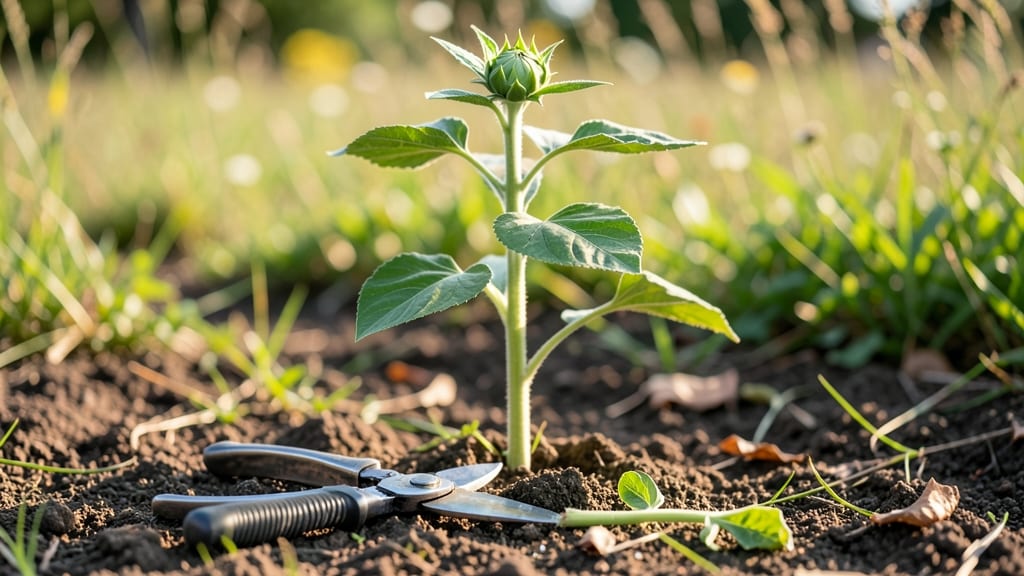
Pinch out sunflowers early, and those lanky stems will thicken into sturdy, aphid-repelling bushes—just ask my first crop, which toppled like toothpicks in the first storm. 🌻 The fix is simpler than it sounds: just a quick snip at the right time, and you’ll get multiple stems, stronger plants, and fewer pests.
The best time to pinch is when sunflowers hit 12 inches tall, usually 3-4 weeks after germination. You’ll need clean pruners or even your fingers—no fancy tools required.
Simply squeeze the stem just above a leaf node (where leaves meet the stem), and the plant will send out new side shoots. This works for most varieties, though giant sunflowers may need extra support later.
Within 2-3 weeks, you’ll see bushier growth with 3-5 stems instead of one. The plants stay sturdy, resist lodging, and aphids struggle to overwhelm multiple blooms.
Plus, the extra stems mean more cut flowers or seeds for next year. It’s the one trick that turns sunflowers from high-maintenance divas into low-effort showstoppers.
Fair warning: Over-pruning back too much can stress the plant, so stick to one pinch per stem. And if you miss the window, don’t worry—sunflowers are forgiving. The key is acting before they get too tall. Ready to give it a try?
📚 In This Guide
- What you need
- Instructions
- Tips and common mistakes
- Wrapping up and next steps
What you need
- ● Healthy sunflower plants (preferably 12–18 inches tall with visible buds or small flowers).
- ● Clean, sharp pruning shears or scissors (sterilize with rubbing alcohol to prevent disease).
- ○ Gloves (optional but recommended for hygiene and protection).
- ○ Neem oil or insecticidal soap (1–2 tbsp per quart of water, optional for post-pinch treatment).
- ○ Garden twine or small clips (optional, to secure stems if needed).
- ● Hand lens or magnifying glass (to inspect for hidden aphids before pinching).
- ● Pruning sealant (for larger stems to prevent sap loss).
- ● Spray bottle (for applying neem oil or water if stems are dusty).
- ● Notebook & pen (to track growth progress and aphid activity).
How to pinch out sunflowers for stronger stems and more blooms
Here's the simple trick I use to keep my sunflowers healthy and productive all season.
🌱 Step 1: Identify the Right Time to Pinch
Wait until your sunflowers reach 4-6 inches tall—this is when they have 4-5 true leaves (not just the first baby leaves). You'll notice the main stem is sturdy but still flexible, and the plant looks like it's ready to grow fast. This is the sweet spot because pinching too early stresses the plant, while waiting too long reduces the benefit.
Real talk: Don't pinch if your sunflowers are already flowering. You'll just be cutting off potential blooms. The goal is to encourage bushier growth before the plant puts all its energy into making flowers. I always check the stem's thickness—if it's pencil-sized, it's ready.
✂️ Step 2: Pinch Out the Top Growth Correctly
Use clean, sharp scissors or your fingers to pinch off the very top ½ inch above a set of leaves. You're targeting the growing tip, which is where the plant concentrates its energy. Look for where the stem splits into multiple smaller stems—this is your target zone. A clean pinch prevents disease from entering the plant.
Here's the thing—don't worry about being perfect. If you accidentally pinch below a leaf node, the plant will still grow, just with slightly fewer branches. The key is to remove that top growth completely, not just crush it. I like to make the cut at a slight angle so water runs off instead of pooling.
☀️ Step 3: Monitor and Repeat for Bushier Growth
After pinching, your sunflower should start producing 2-3 side branches within 7-10 days. You'll see new growth emerging from the leaf nodes where you made your cut. This is the plant redirecting its energy to create a fuller structure. Keep an eye out for new growth points—these are where you might need to pinch again if they get too leggy.
If you notice aphids clustering at the pinch points, wipe them off with a damp cloth immediately. These little pests love fresh growth. For extra insurance, I spray the area with water to dislodge any hidden aphids. Repeat the pinching process once more when those side branches reach 3-4 inches tall, but only if they're growing vertically instead of spreading out.
Tips & tricks for pinching out sunflowers
Common pitfalls—and how to sidestep every one—when you're working with sunflowers. These simple tricks will help you avoid stressing your plants and maximize those beautiful blooms.
Timing is Everything: In Step 1, when you're checking for that 4-6 inch height with 4-5 true leaves, look for the plant to feel sturdy but still bend slightly at the base. This flexibility shows it's ready for pinching. I've learned the hard way—pinching too early can stunt growth, while waiting too long means you're not encouraging that bushier structure before flowering begins.
Clean Cuts Prevent Problems: In Step 2, using clean scissors or fingers is crucial, but here's what nobody tells you—sterilize your tools first with rubbing alcohol. I've seen pinch points get infected when using dirty scissors, leading to blackened stems. Also, that ½ inch above a set of leaves is your target, but if you miss, don't panic! The plant will still recover, just with slightly fewer branches. The key is complete removal, not a crushed tip.
Monitor for Aphids: After pinching in Step 3, keep an eye out for aphids clustering at the new growth points. These pests love fresh growth and can quickly become a problem. I've found that spraying with water first thing in the morning dislodges them before they become established. If you notice them, wipe them off immediately with a damp cloth—this prevents them from spreading to other parts of the plant.
Second Pinch Strategy: When those side branches reach 3-4 inches tall and are growing vertically, it's time for your optional second pinch. This encourages even more bushiness, but only do it if the branches are still growing upward. I've seen gardeners skip this step and still get great blooms, but those who do it get noticeably fuller plants. The key is to wait until you see those new growth points actively reaching for the sky.
Pro Tips for Pinch Out Sunflowers
- Common pitfalls—and how to sidestep every one—when you're working with sunflowers.
- Timing is Everything: In Step 1, when you're checking for that 4-6 inch height with 4-5 true leaves, look for the plant to feel sturdy but still bend slightly at the base.
- Clean Cuts Prevent Problems: In Step 2, using clean scissors or fingers is crucial, but here's what nobody tells you—sterilize your tools first with rubbing alcohol.
Frequently asked questions
Got questions about pinching out sunflowers to control aphids and encourage bigger blooms? You’re not alone! Here are some of the most common concerns—and straightforward answers to help you grow like a pro.
When is the best time to pinch out sunflower buds?
Pinch out the main bud (the one at the very top) when it’s about 1–2 inches tall and the plant has at least 4–6 true leaves. This usually happens 4–6 weeks after germination, depending on your climate. Early pinching redirects energy to side buds, leading to bushier, fuller plants with more blooms!
Will pinching out sunflowers hurt my plant?
Not at all! Sunflowers are hardy and designed to branch out naturally. Pinching is like giving your plant a little "nudge" to grow stronger. Just avoid over-pruning—stick to removing only the top bud unless you’re dealing with severe aphid damage. Your sunflower will thank you with bigger, healthier blooms!
How does pinching help with aphids?
Pinching out aphid-infested buds removes their food source and forces the plant to grow new, healthier growth. Plus, a bushier sunflower dries out faster after rain, making it less appealing to aphids. For extra protection, spray with neem oil or soapy water after pinching to deter pests.
What if my sunflower is already too tall to pinch?
No worries! If your sunflower has already bolted (grown its main stem), pinching may not work as well. Instead, focus on removing aphid-ridden leaves and treating the plant with insecticidal soap. For future plants, start pinching earlier—the sooner, the better!
Will pinching reduce the size of my sunflower?
Pinching won’t shrink your sunflower’s height, but it will change its shape—expect a wider, bushier plant with multiple smaller blooms instead of one giant flower. If you prefer taller, single-stem sunflowers, skip pinching and let the main bud grow naturally!
Wrapping up and next steps
Pinching out sunflowers is a game-changer for healthier plants and stunning blooms! By removing those early side buds, you’ll ditch aphids, save energy, and encourage bigger, happier flowers—all with just a few snips. 🌻✨
Ready to give it a try? Grab your shears and head to your garden—your sunflowers (and your future bouquets!) will thank you. Now go forth and pinch like a pro!