Flowers
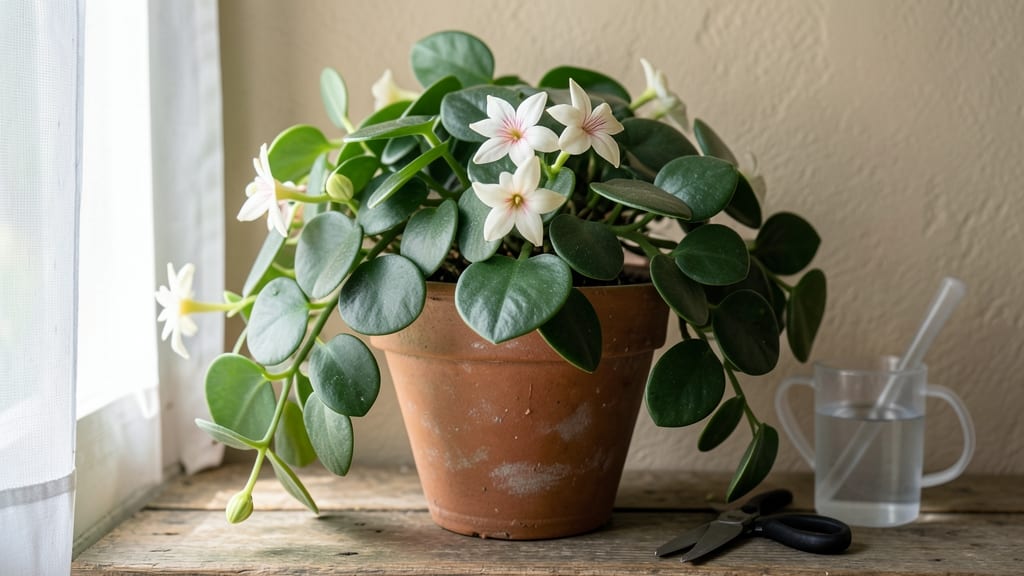
Growing the Hoya porcelain flower—with its striking waxy leaves and bold striped blooms—feels like nurturing a tiny tropical treasure. 🌿 I fell for this plant the first time I saw its deep green foliage framed by delicate pink stripes, and now it’s become my go-to houseplant for instant drama.
The secret to its success isn’t complicated: it thrives on neglect, just as long as you get the basics right.
This hoya loves bright, indirect light—think east-facing windows or a few feet from a south window—but it’ll forgive a little shade. Water only when the top inch of soil feels dry, and use well-draining soil mixed with perlite to keep roots happy.
Too much water is the fastest way to kill it, but don’t worry—even if you forget, this plant bounces back like a champ.
You’ll start seeing those signature porcelain-like blooms within a year if you keep conditions steady, and the scent? Subtle but intoxicating, like a whisper of sweetness. Prune leggy stems in spring to encourage bushier growth, and propagate cuttings in water or soil—it’s easier than you’d think.
Once you’ve got one, you’ll want a dozen.
Common mistakes like overwatering or low humidity can slow things down, but troubleshooting is simple: adjust your routine, and this hoya will reward you with months of effortless beauty. Perfect for busy gardeners who want drama without the fuss—let’s get yours thriving.
📚 In This Guide
- What you need
- Instructions
- Tips and common mistakes
- Wrapping up and next steps
What you need
- ● Hoya Porcelain Flower Plant: 1 healthy cutting or mature plant (ensure it has at least 2-3 leaves for stability).
- ● Well-draining potting mix: 1 bag (1-2 quarts) of a cactus/succulent blend or a mix of 60% inorganic material (perlite, pumice) and 40% organic (orchid bark, coconut coir).
- ● Pot with drainage holes: 1 container (4-6 inches in diameter) made of terracotta, ceramic, or fabric (avoid plastic to prevent root rot).
- ● Gravel or pebbles: Small handful (½ cup) for the pot’s drainage layer.
- ● Watering can with a narrow spout: 1 (to avoid overwatering).
- ○ Fertilizer (optional but recommended): 1 bottle of balanced liquid fertilizer (e.g., 10-10-10 or 20-20-20), diluted to half-strength.
- ● Pruning shears or sharp scissors: 1 pair (sterilized with rubbing alcohol).
- ○ Gloves (optional): 1 pair (to protect hands from sap or soil).
- ● Bright, indirect light source: A south- or east-facing window, or a grow light (12-14 hours/day).
- ○ Humidity tray or pebble tray (optional): 1 (if your home is dry; add water + pebbles beneath the pot).
- ○ Support structure (optional): A small trellis, moss pole, or spike for vining varieties.
Step-by-step instructions for cultivating hoya porcelain flower indoors
Here’s how to coax those striking waxy blooms from your new hoya plant.
🪴 Step 1: Choose the Right Pot and Soil Mix
Select a 6-8 inch pot with drainage holes—Hoya porcelain flower hates soggy roots. I use a well-draining cactus/succulent mix blended with 30% perlite for extra airflow. This combo prevents root rot while keeping moisture just right for the plant’s tropical roots.
Fill the pot ¾ full with the mix, leaving room for growth. Tap the container gently to settle the soil—you want it firm enough to support the plant but still loose for roots to spread. The first sign your soil is right? It should crumble easily when you squeeze it, but not fall apart completely.
☀️ Step 2: Position for Bright, Indirect Light
Place your hoya in bright, indirect light—think east or west-facing window or 6-10 feet from a south window. Direct sun will scorch those gorgeous striped leaves, while too little light means weak growth and no flowers. You’ll know it’s happy when leaves stay deep green with vibrant stripes and new growth appears regularly.
If your space is low-light, supplement with a grow light for 12-14 hours daily. Keep it 12-18 inches away—too close will burn leaves, and too far means leggy growth. Rotate the pot quarter-turn weekly so the plant grows evenly toward the light.
💧 Step 3: Water When Soil is Completely Dry
Water only when the top 2-3 inches of soil feel dry—stick your finger in to check. Overwatering is the #1 killer of hoyas. When you water, soak thoroughly until water runs out the drainage hole, then empty the saucer. This ensures roots get a deep drink without sitting in moisture.
In winter, reduce watering to every 3-4 weeks—the plant’s growth slows, and overwatering causes rot. You’ll notice the leaves shrink slightly when thirsty (normal!) but perk up after a good drink. Mist the leaves monthly to mimic humidity, but avoid letting water pool in the crown.
✂️ Step 4: Encourage Blooms with Pruning and Fertilizing
Pinch back new growth tips in early spring to encourage bushier growth and more flower stems. Use clean, sharp scissors to snip just above a leaf node—this redirects energy toward flowering. The plant will send out new shoots from those nodes, creating a fuller shape.
Feed with a balanced liquid fertilizer (10-10-10) diluted to ½ strength every 4-6 weeks in spring and summer. Stop fertilizing in fall and winter—too much food then leads to weak, non-flowering growth. You’ll know it’s getting enough nutrients when leaves stay bright green with no yellowing and new growth appears vigorous and striped.
🌿 Step 5: Support Flower Stems and Handle Blooms
When flower spikes emerge, tie them to a small stake with soft floral wire or twine. Hoyas can get top-heavy, and unsupported stems may snap. Gently wrap the wire around the stem and stake, leaving room to grow—never wrap too tight. This keeps blooms upright and visible.
Once flowers fade, snip the spent stem just above a leaf node. Don’t leave it—it drains energy from the plant. New flower spikes often form from the same node, so you’ll get repeat blooms with proper care. The first blooms may take 1-2 years, but with patience, your hoya will reward you with clusters of waxy, striped flowers that last weeks.
Tips & tricks for perfect hoya porcelain flower cultivation
Here's what I've learned after watching my own hoya porcelain flower transform from a struggling plant to a blooming beauty.
Soil Mixing Secret: When blending your cactus/succulent mix with 30% perlite, add a handful of orchid bark for extra structure. This creates tiny air pockets that prevent compaction over time. I also recommend sifting the mix before adding it to the pot—this removes any large chunks that could block drainage. The soil should feel like damp sand when squeezed, not sticky or gritty.
Light Positioning: If you're using a grow light for 12-14 hours daily, consider using a timer to automate the cycle. This ensures consistent light exposure without you having to remember. Place the light at the 12-18 inch mark and adjust as your plant grows—you'll notice leaves stretching toward the light if it needs to move closer. The goal is to mimic natural daylight patterns without burning those delicate striped leaves.
Watering Test: For that "top 2-3 inches dry" check, I use a wooden skewer instead of my finger. Push it into the soil—if it comes out clean, it's time to water. This method gives you a more consistent reading than finger tests, especially for plants with thick leaves that might absorb moisture differently. In winter, I mark the 2-3 inch depth with a pencil on the pot rim to make checking easier during those less frequent waterings.
Fertilizing Calendar: Create a simple chart to track your 4-6 week fertilizing schedule. Mark spring and summer months with reminders, and highlight when to stop in fall and winter. I add a note to check leaf color and growth vigor before each feeding—if leaves are already bright green and new growth is striped, that's your cue to hold off. This visual reminder prevents over-fertilizing, which can actually prevent those coveted blooms.
Pro Tips for Hoya Porcelain Flower
- Here's what I've learned after watching my own hoya porcelain flower transform from a struggling plant to a blooming beauty.
- Soil Mixing Secret: When blending your cactus/succulent mix with 30% perlite, add a handful of orchid bark for extra structure.
- Light Positioning: If you're using a grow light for 12-14 hours daily, consider using a timer to automate the cycle.
Frequently asked questions
Got questions about caring for your Hoya porcelain flower? You’re not alone—this striking plant has unique needs! Here are answers to the most common queries to help you keep those bold striped blooms thriving indoors.
How often should I water my Hoya porcelain flower?
Water your Hoya carnosa ‘Porcelain Flower’ only when the top 1-2 inches of soil are completely dry—usually every 2-4 weeks, depending on humidity and light. Overwatering is the #1 killer! Pro tip: Stick your finger in the soil to check moisture before watering.
When will my Hoya porcelain flower bloom?
With proper care, this hoya typically blooms in spring or summer, but it can take 1-3 years for mature plants to flower indoors. Ensure it gets bright, indirect light and a cool nighttime temperature (60–70°F) to encourage blooms. Patience pays off—those waxy, striped flowers are worth the wait!
Can I grow Hoya porcelain flower in low light?
While it can survive in low light, it won’t thrive—growth slows, and blooms may never appear. Place it near an east-facing window or under grow lights (12–14 hours/day) for best results. Yellowing leaves? That’s a sign it’s begging for more light!
Why are my Hoya porcelain flower leaves curling or sticky?
Curling leaves often mean underwatering or low humidity, while stickiness signals pests like mealybugs or aphids. Wipe leaves with a damp cloth, and treat pests with neem oil or insecticidal soap. Increase humidity (aim for 40–60%) with a pebble tray or humidifier.
What’s the best soil mix for Hoya porcelain flower?
A well-draining mix is key! Use a blend of 50% cactus/succulent soil, 30% perlite or pumice, and 20% orchid bark or charcoal. Avoid heavy garden soil—root rot is a real risk. Repot every 2–3 years to refresh the mix.
Wrapping up and next steps
Growing Hoya Porcelain Flower is a rewarding journey that brings bold, striped beauty into your indoor space! 🌿 With the right care—bright indirect light, well-draining soil, and occasional watering—you’ll enjoy its stunning blooms and lush foliage for years.
Whether you’re a seasoned plant parent or just starting, this striking succulent is a fantastic choice for adding drama to your collection.
Ready to dive in? Start with a healthy cutting or plant, set up its ideal environment, and watch it flourish. Before you know it, your home will be filled with the fresh, fragrant charm of Hoya porcelain blooms! 🌸