Flowers
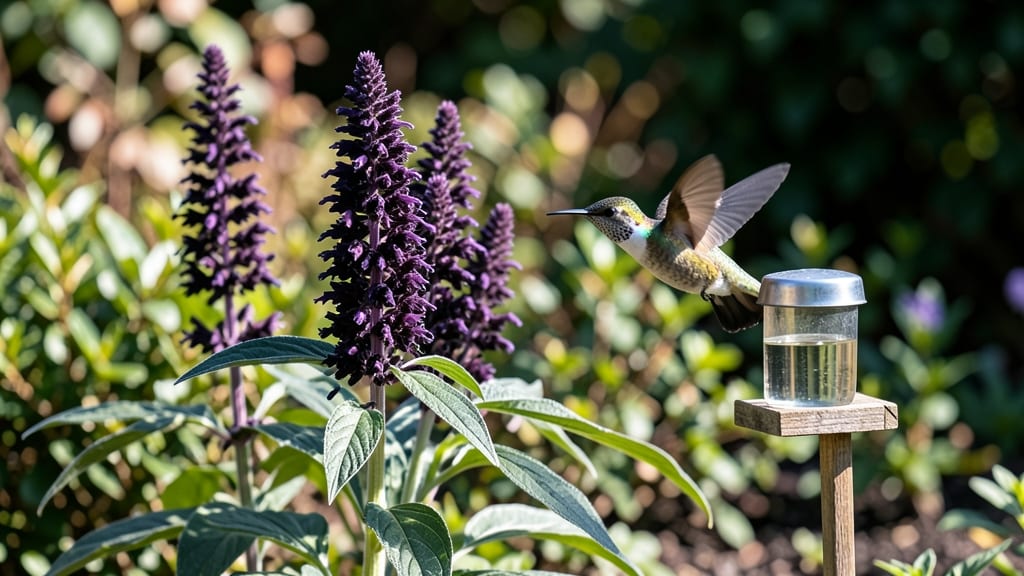
Mastering hummingbird flower attraction isn’t just about planting flowers—it’s about creating a vibrant, nectar-packed runway that makes them feel at home. 🌸 I’ve watched these iridescent jewels dart through my yard, and the secret lies in the right mix. of blooms: trumpet vines that hum with activity, salvias that glow like rubies, and fuchsias that sway in the breeze.
The key isn’t just the flowers, though—it’s how you arrange them to turn your garden into a nonstop buffet.
Start with reds, pinks, and purples, the colors that scream "dinner’s served" to hummingbirds. Cluster plants in groups of three or more so they stand out against the sky, and place them near feeders or along flight paths where birds can zip from bloom to bloom without wasted energy.
Bee balm and cardinal flower are my go-tos because they bloom from early summer through fall, giving hummers a reason to stick around as long as possible.
You’ll see the difference almost immediately—hummingbirds will start visiting within days of planting the right flowers. The garden becomes alive with their high-pitched chatter and the flash of their wings as they hover, feeding, and defending their favorite spots.
The best part? These same blooms attract pollinators all season, making your garden a thriving ecosystem.
Works for any yard size, from city balconies to country acres—just adjust the scale. The magic happens when you let the birds lead the way, showing you exactly where they love to linger. Ready to turn your space into their favorite stopover?
📚 In This Guide
- What you need
- Instructions
- Tips and common mistakes
- Wrapping up and next steps
What you need
- ● Nectar-rich flowers: 3–5 plants per variety (e.g., Salvia, Bee Balm, Fuchsia, or Trumpet Vine). Choose tubular, red, or orange blooms (hummingbirds love these colors!).
- ● Hummingbird feeders: 1–2 feeders (preferably red, 12–16 oz capacity). Opt for glass or plastic with a built-in ant moat.
- ● Hummingbird nectar: 4 cups of water + 1 cup granulated white sugar (no dye or honey!). Boil water, mix, and cool before filling feeders.
- ● Pruners or shears: Sharp, clean pair to trim dead blooms and encourage new growth.
- ● Garden soil: Well-draining potting mix (for potted plants) or native soil amended with compost.
- ● Water source: Shallow dish or mister (hummingbirds need water for bathing!).
- ● Native plants: Research local hummingbird favorites (e.g., Penstemon or Columbine) for year-round appeal.
- ● Perches: Thin branches or feeder attachments for resting birds.
- ● Solar-powered feeder: Keeps nectar fresh without electricity.
- ● Insect spray: Mild, bird-safe option to deter pests from flowers.
- ● Camera or binoculars: For up-close hummingbird watching! 📸
How to design a hummingbird-friendly flower garden
Here's the foolproof way to turn your yard into a hummingbird hotspot—no fancy tricks, just the right plants and placement.
🌱 Step 1: Choose the Right Nectar-Rich Blooms
Start with flowers that produce abundant nectar and have tubular shapes hummingbirds love. My top picks are bee balm, salvia, columbine, and fuchsia—all of which thrive in full sun to partial shade. These plants aren't just pretty; they're hummingbird magnets. Plant them in clusters rather than scattered, as birds prefer dense patches where they can hover efficiently.
Look for colors in the red, orange, and pink spectrum—these hues are most visible to hummingbirds. Avoid white or yellow flowers unless they're paired with red accents, as these colors are harder for them to spot. I always include at least one coral honeysuckle vine for vertical interest; its trumpet-shaped blooms are irresistible.
☀️ Step 2: Position Flowers for Maximum Visibility and Access
Place your nectar-rich blooms where hummingbirds can spot them easily—near fences, trellises, or windows. These locations provide perching spots and shelter from predators. Avoid planting near strong winds; hummingbirds prefer calm areas where they can feed without expending extra energy.
Vary the heights of your plants to create a layered garden. Tall salvia or cardinal flower in the back, mid-height bee balm in the middle, and trailing fuchsia or lobelia at the front ensures birds have multiple feeding levels. I also add a small water feature nearby—a shallow dish with fresh water or a dripping faucet—because hummingbirds need water as much as nectar.
💧 Step 3: Maintain Blooms for Continuous Nectar Production
Deadhead spent flowers regularly to encourage continuous blooming. Hummingbirds rely on fresh nectar, so removing faded blooms signals the plant to produce more. I check my garden every 3-4 days in peak season and trim back leggy stems to promote bushier growth.
Water deeply but infrequently—once a week unless your area experiences extreme heat. Overwatering can dilute nectar, and underwatering stresses plants, reducing their ability to produce food for visitors. Mulch around the base with 2-3 inches of organic mulch to retain moisture and keep roots cool.
✂️ Step 4: Add Perches and Shelter for Safety
Hummingbirds need places to rest and observe their surroundings. Install small branches, lattice, or even a simple wooden perch near your flowers. I like to place a few bare branches from a small shrub in the garden—birds use them to watch for predators while they feed.
Avoid using pesticides or herbicides, as these can harm hummingbirds and their food sources. If you have cats, keep them indoors during hummingbird season (spring through fall) to prevent accidental harm. A well-placed birdbath on a pole (at least 4 feet off the ground) gives them a safe place to drink and bathe.
🌿 Step 5: Extend the Season with Strategic Planting
To keep hummingbirds visiting all season, plant a mix of early, mid, and late-blooming flowers. Start with columbine in spring, transition to bee balm in summer, and end with asters in fall. This ensures a steady nectar supply and encourages birds to stay in your garden longer.
In colder climates, consider evergreen shrubs like pieris or inkberry holly for winter shelter. Even if they don’t produce nectar, their structure provides cover. I also leave some seed heads from perennials like coneflower—they offer late-season food for insects, which hummingbirds eat occasionally.
Tips & tricks for perfect hummingbird flower attraction
Real talk: The difference between a garden that hummingbirds visit occasionally and one they can't resist often comes down to these small but crucial details.
Color Selection Matters: While red, orange, and pink flowers are the most visible to hummingbirds, don't overlook coral honeysuckle—its trumpet-shaped blooms are irresistible. I've noticed that hummingbirds will even visit pink or white flowers if they're paired with red accents, like the centers of some bee balm varieties. Plant these strategically near your main nectar sources to create visual pathways for the birds.
Layering Creates a Feeding Buffet: The layered approach in Step 2 isn't just for looks—it mimics natural ecosystems where hummingbirds can feed at different heights. Tall salvia in the back provides shelter while shorter lobelia at the front offers easy access. I've seen birds dart between levels in seconds, so create this vertical diversity to keep them engaged longer.
Water Features Are Non-Negotiable: Hummingbirds need water daily, not just for drinking but for bathing to keep their feathers clean. The shallow dish or dripping faucet mentioned in Step 2 should be placed near—but not directly under—your flowering plants. I've had the best success with a simple birdbath on a pole at least 4 feet high, which keeps predators away while giving birds a safe vantage point.
Seasonal Rotation Prevents Lulls: The early/mid/late blooming strategy in Step 5 works because hummingbirds are migratory and need consistent food sources. I've seen birds linger into fall when I've included asters and goldenrod—both of which provide nectar when many other flowers have faded. This creates a "staycation" effect that keeps them around longer.
Pro Tips for Hummingbird Flower Attraction
- Real talk: The difference between a garden that hummingbirds visit occasionally and one they can't resist often comes down to these small but crucial details.
- Color Selection Matters: While red, orange, and pink flowers are the most visible to hummingbirds, don't overlook coral honeysuckle—its trumpet-shaped blooms are irresistible.
- Layering Creates a Feeding Buffet: The layered approach in Step 2 isn't just for looks—it mimics natural ecosystems where hummingbirds can feed at different heights.
Frequently asked questions
Got questions about attracting hummingbirds with flowers? You’re in the right place! Here are some of the most common queries—plus quick, actionable answers to help you create a hummingbird haven in your garden.
Which flowers attract hummingbirds the best?
Hummingbirds love bright, tubular flowers with high nectar content. Top picks include red salvia, bee balm, trumpet vine, and fuchsia. Native plants like columbine and penstemon are also irresistible. Pro tip: Red and orange hues work best—these birds see these colors vividly!
When is the best time to plant hummingbird flowers?
Plant in early spring (after the last frost) or early fall for a head start. If you’re adding annuals, sow seeds 2-3 weeks before your last frost date. For perennials, give them time to establish roots before summer heat. Bonus: Some flowers, like bee balm, self-seed, so they’ll return year after year!
Do I need to add sugar water if I have the right flowers?
Not always! Nectar-rich flowers provide natural fuel, but sugar water feeders can be a lifesaver during droughts or early spring when blooms are scarce. If using feeders, mix 1 part sugar to 4 parts water (no dye!) and refresh every 3-5 days. Never use honey—it can harm the birds.
Will hummingbirds ignore my flowers if bees are around?
Hummingbirds and bees often coexist peacefully—both love nectar! However, if bees dominate, try planting later-blooming flowers (like cardinal flower) or placing feeders away from hives. Hummingbirds are faster than bees and can outcompete them for nectar. Fun fact: They can visit 1,000+ flowers a day!
What should I do if hummingbirds aren’t visiting?
First, check for bright colors and tubular shapes—hummingbirds have poor night vision but spot red/orange easily. Ensure flowers are in full sun (6+ hours/day) and well-watered. If using feeders, place them 10-15 feet from cover (like shrubs) so birds feel safe. Patience is key! It may take 1-2 weeks for them to discover your garden.
Are there hummingbird-friendly flowers for shady gardens?
Yes! While most hummingbirds prefer sun, try shade-tolerant options like foxglove, lobelia, or impatiens. For partial shade, coral bells (Heuchera) or astilbe can work. Tip: Pair them with sun-loving feeders to maximize appeal. Even a little nectar goes a long way!
Wrapping up and next steps
Attracting hummingbirds to your garden is simpler—and more rewarding—than you might think!
By choosing bright, tubular, nectar-rich flowers like bee balm, fuchsia, or salvia, you’ll create a vibrant haven these tiny pollinators adore. 🌸 Plus, with a few strategic plants, placement, and maintenance tips, you’ll turn your yard into a year-round hummingbird hotspot.
Ready to take the next step? Start small—plant a few favorites in a sunny spot, add a shallow water source, and watch as these dazzling birds bring life to your garden. Happy planting! 🌿