
Flowers
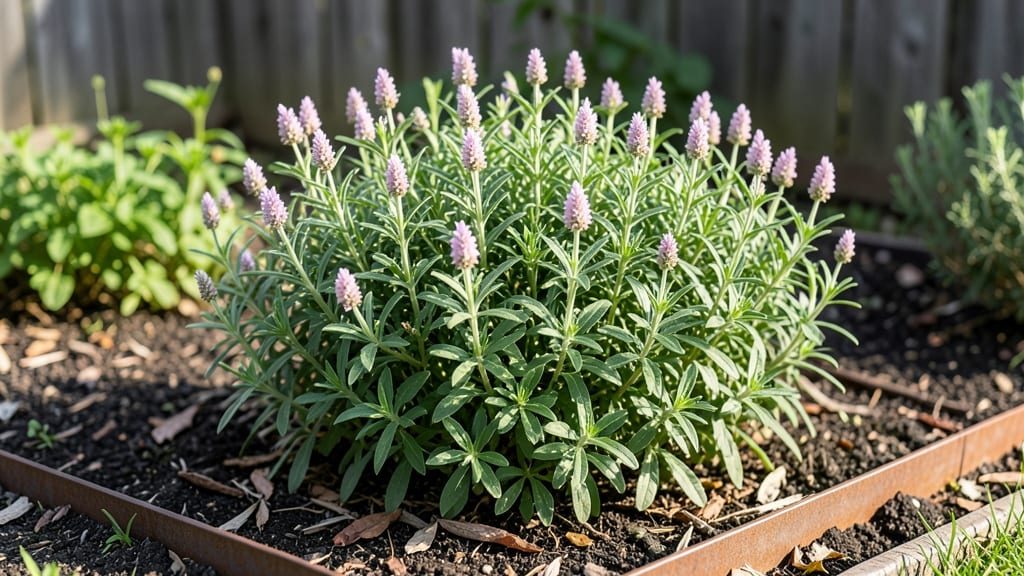
Italian oregano flowers transform your garden into a fragrant kitchen garden—harvesting those delicate blooms for tea, cooking, and garnishes is easier than you think. 🌿 I’ve grown this variety for years, and once you learn the timing and care, you’ll have more flowers than you know what to do with.
The key? Pruning at the right time and giving it just enough sun to thrive without burning.
These flowers appear in late spring to early summer, with a second flush in fall if you live in a mild climate. Italian oregano loves full sun—at least 6-8 hours daily—and well-draining soil.
Overwatering is the biggest mistake; let the soil dry slightly between waterings to prevent root rot. A light pinch of blooms encourages more growth, so don’t hesitate to harvest.
You’ll end up with clusters of tiny, pale lavender flowers that add a subtle anise-like flavor to dishes. Dry them for tea blends or sprinkle fresh petals over salads and pasta.
The flowers also attract pollinators, making your garden more vibrant. Just watch for spider mites—dry conditions invite them, so keep an eye out for webbing.
Once you master the basics, you can experiment with companion planting—oregano pairs well with tomatoes and peppers. Start with a small pot or two, and soon you’ll have enough flowers to share. The more you harvest, the bushier your plant grows, so don’t be shy with the shears.
📚 In This Guide
- What you need
- Instructions
- Tips and common mistakes
- Wrapping up and next steps
What you need
- ● Italian oregano flowers: 1–2 tablespoons (fresh) or 1 teaspoon (dried). Look for vibrant purple or pink blooms—the fresher, the better!
- ● Fresh Italian oregano leaves: ¼ cup (for pairing with flowers). Opt for organic if possible.
- ● Water: 1 cup (filtered or spring water for the best flavor).
- ○ Honey or agave syrup: 1 tablespoon (optional, for sweetening teas or infusions).
- ● Olive oil or coconut oil: 2 tablespoons (for culinary uses like dressings or marinades).
- ● Chef’s knife and cutting board (for harvesting or chopping).
- ● Small saucepan (for infusions or teas).
- ● Fine-mesh strainer (to separate flowers from liquids).
- ○ Mortar and pestle (optional, for crushing dried flowers for stronger flavor).
- ● Glass jar (with lid, for storing dried flowers or infused oils).
- ● Teapot or French press (for brewing floral teas).
- ● Dried Italian oregano flowers (if fresh aren’t available—store-bought works too!).
- ● Citrus zest (lemon/lime) or vanilla bean (to complement floral notes).
- ● Herb garden (if growing your own—Italian oregano thrives in sunny spots!).
How to grow and harvest Italian oregano flowers for culinary use
Here's how I grow vibrant, fragrant Italian oregano blooms that elevate teas and dishes—no fancy tools required.
🌱 Step 1: Start with Healthy Oregano Plants
Choose established Italian oregano plants (not seeds) from a nursery or your own garden. Look for sturdy stems with deep green, aromatic leaves—these are your best bet for robust flowering. I always pick plants labeled "Italian oregano" (or Origanum vulgare 'Compactum') since they produce the most flavorful blooms.
If starting from cuttings, take 4-inch stem sections with at least two leaf nodes. Remove the lower leaves, dip the cut end in rooting hormone (optional), and plant in well-draining potting mix. Keep the soil consistently moist until roots form, which takes about 3-4 weeks. You'll know it's ready when new leaves appear along the stem.
☀️ Step 2: Provide Ideal Growing Conditions
Italian oregano thrives in full sun (6+ hours daily), so place your plants in the sunniest spot possible. A south-facing window or balcony works for containers, but outdoor garden beds give the best results. The more sunlight, the more intense the flavor and the more abundant the blooms.
Use well-draining soil—oregano hates soggy roots. If planting in the ground, mix in compost or aged manure to enrich the soil without compacting it. Water when the top inch of soil feels dry, but avoid wetting the leaves to prevent fungal diseases. A mulch layer (1-2 inches) helps retain moisture and keep roots cool.
✂️ Step 3: Encourage Blooming with Pruning
To maximize flower production, pinch back the tips of new growth when stems reach 4-6 inches tall. This redirects energy from leaf growth to flowering. Use clean, sharp scissors to snip just above a leaf node—never tear the stem. You'll see new side shoots form within 2-3 weeks, and those will produce the most vibrant blooms.
Deadhead spent flowers regularly by snipping the entire flower stalk down to the next set of leaves. This prevents the plant from wasting energy on seed production and encourages more blooms. Harvest flowers in the morning after the dew dries but before the sun gets too intense—this preserves their flavor and fragrance.
🌿 Step 4: Harvest and Preserve Flowers
Pick flowers when they're fully open but before they turn brown. Gently twist or snip the stems just above a leaf node to avoid damaging the plant. A single plant can yield enough flowers for 4-6 servings of tea or garnishes. Spread the harvested blooms on a clean, dry towel in a single layer to dry for 1-2 days in a warm, dry place away from direct sunlight.
Once completely dry, store the flowers in an airtight container away from light. They'll keep their flavor for up to 6 months. For immediate use, add fresh blooms to salads, marinades, or herbal teas. I like to blend dried flowers into olive oil for a fragrant cooking oil—just steep a handful in warm oil for 2-3 days before straining and using.
Tips & tricks for perfect Italian oregano flowers
Here's how I've learned to coax the most vibrant, fragrant blooms from my oregano plants—without any fancy equipment.
Plant Selection Matters: When choosing Italian oregano plants, look for those with the most intense aroma when you crush a leaf between your fingers. The stronger the scent, the more flavorful the flowers will be. I've found that nursery-grown plants labeled "Compactum" produce the most abundant blooms. Confession: I skipped this step for years and wondered why my flowers never smelled amazing!
Rooting Hack: For cuttings, I've had the most success with 4-inch stem sections that include two leaf nodes. The key is to remove the lower leaves before planting—this prevents them from rotting in the moist soil. I dip the cut end in rooting hormone (though it's optional), then plant in well-draining potting mix. Pro tip: Use a clear plastic bag to create a mini greenhouse effect while roots form—just remove it once you see new growth.
Sunlight Strategy: While 6+ hours of sun is ideal, I've noticed that plants on south-facing windowsills actually produce slightly more flowers than those in garden beds. This is because the intense midday sun triggers more frequent blooming cycles. If you're growing indoors, rotate your plants every few days so they don't lean toward the light.
Harvest Timing: The morning after dew dries but before noon is the absolute best time to harvest. I've learned this the hard way after picking flowers that had lost their vibrant color by afternoon. For drying, I spread them on a clean kitchen towel in my oven with the light on (door propped open) for that 1-2 day drying period—it's faster than air drying and preserves more of the fragrance.
Pro Tips for Italian Oregano Flowers
- Here's how I've learned to coax the most vibrant, fragrant blooms from my oregano plants—without any fancy equipment.
- Plant Selection Matters: When choosing Italian oregano plants, look for those with the most intense aroma when you crush a leaf between your fingers.
- Rooting Hack: For cuttings, I've had the most success with 4-inch stem sections that include two leaf nodes.
Frequently asked questions
Got questions about using Italian oregano flowers? You’re not alone! Here are some of the most common queries—and their answers—to help you make the most of these fragrant blooms in your kitchen or tea blends.
How do I harvest Italian oregano flowers for cooking?
Harvest flowers in the morning after the dew has dried, when they’re fully open and vibrant. Use clean scissors to snip clusters just above a leaf node. Avoid over-harvesting—leave at least half the plant to ensure regrowth. For best flavor, harvest when the flowers are pale purple or white, not fully dried or browned.
When is the best time to pick Italian oregano flowers?
The ideal time is late spring to early summer, when the plant is in full bloom. Mornings are best because the essential oils (which carry flavor) are most concentrated. Avoid harvesting after rain, as moisture can dilute the aroma. Pro tip: Freeze fresh flowers in ice cube trays with water or olive oil for later use!
Can I substitute Italian oregano flowers for dried oregano in recipes?
Yes! Use them 1:1 with dried oregano, but adjust to taste—they’re more potent. For example, if a recipe calls for 1 tsp dried oregano, start with ½ tsp flowers (or 5-6 fresh blooms). They’re perfect for pesto, marinades, or infused oils, but remove them before serving if you dislike texture.
How do I store Italian oregano flowers to preserve their flavor?
Store flowers in an airtight container in a cool, dark place (like your pantry) for up to 3 months. For longer storage, freeze them or dry them at 95°F (35°C) for 1-2 hours. Avoid plastic bags—moisture ruins the flavor! Bonus: Toss a few dried flowers into sugar or salt for a fragrant twist.
Why do my Italian oregano flowers taste bitter?
Bitterness usually means the flowers are overripe or dried out. Harvest when they’re fresh and vibrant, and store them properly. If using dried flowers, check for discoloration or a musty smell—discard those! For a milder flavor, infuse flowers in hot (not boiling) water for tea or use them sparingly in dishes.
What’s the difference between Italian oregano flowers and regular oregano flowers?
Italian oregano (Origanum vulgare hirtum) has larger, more fragrant flowers and a sweeter, slightly citrusy note compared to Greek oregano. Its blooms are often pale purple or white, while Greek oregano flowers tend to be pink or darker. Italian oregano’s flowers are prized for culinary uses, while Greek oregano flowers are more common in herbal remedies.
Wrapping up and next steps
Italian oregano flowers aren’t just a pretty addition to your garden—they’re a versatile, flavor-packed treasure for teas, cooking, and even homemade remedies! 🌿 Whether you’re drying them for later use, infusing oils, or brewing a soothing herbal tea, these fragrant blooms bring a burst of Mediterranean charm to any dish or cup.
Now that you’re armed with the know-how, why not experiment with a recipe today? Start small—try a sprinkle in your marinara sauce or a steeping batch of tea—and let your creativity bloom!