
Planting
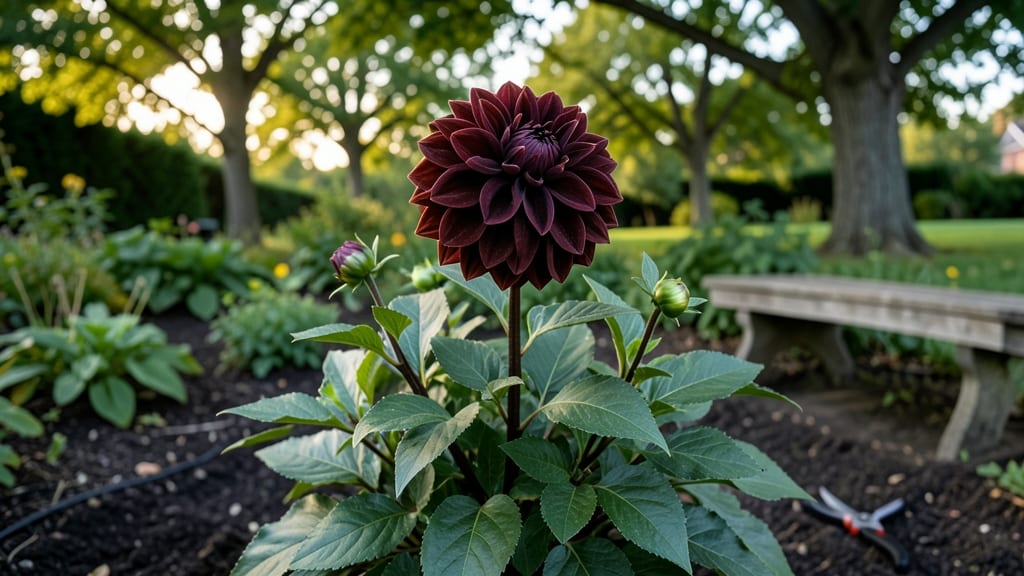
Transforming your Pacific Northwest garden into a showstopping display of a large flowering plant that defies frost is easier than you think—just pick the right survivors. 🌿 After years of testing varieties in my own garden, I've found the perfect blend of hardy blooms that not only survive but flourish through damp winters and cool summers.
These plants bring bold color and texture to landscapes without demanding constant care.
The key to success lies in selecting the right species—think dahlias, hydrangeas, and hardy roses—that can handle moisture and cooler temperatures. Soil preparation is critical: amending with compost and ensuring good drainage sets the stage for strong root growth.
Once planted, consistent watering and seasonal pruning keep them vigorous and productive, even in challenging conditions.
What you'll end up with is a garden that bursts into color from early summer through fall, with minimal fuss. The blooms attract pollinators, the foliage stays lush, and the plants develop natural resistance to common pests.
This approach transforms even the most challenging PNW climate into an ideal setting for showstopping flowers.
Whether you're working with a sunny border or a partially shaded area, these techniques adapt easily. The same principles apply to containers or in-ground plantings, making it simple to create stunning displays no matter your space. Let's get those roots established for a season of reliable beauty.
📚 In This Guide
- What you need
- Instructions
- Tips and common mistakes
- Wrapping up and next steps
What you need
- ● Large flowering plants: Choose frost-hardy varieties like Rhododendrons, Hellebores, or Camellias (3–5 mature plants, depending on desired coverage).
- ● High-quality potting soil: 5–10 gallons of well-draining, acidic soil (pH 4.5–6.0). Look for mixes labeled for acid-loving plants.
- ● Organic compost: 2–3 gallons to enrich soil and improve drainage.
- ● Slow-release fertilizer: 1 lb of balanced 10-10-10 or acid-loving plant fertilizer.
- ● Mulch: 3–5 bags of pine bark or wood chips (3–4 inches deep) to insulate roots.
- ● Garden trowel or spade: For digging holes (6–12 inches deep, depending on root ball size).
- ● Garden gloves: Heavy-duty to protect hands from thorns and soil.
- ● Watering can or hose with nozzle: For gentle, deep watering (1–2 gallons per plant initially).
- ● Pruners or shears: Sharp, sterilized tools for trimming dead foliage.
- ● Measuring tape or ruler: To ensure proper spacing (check plant tags for guidelines).
- ● Frost cloth or burlap: To protect young plants during late frosts.
- ● Soil pH tester: To monitor acidity levels (ideal range: 4.5–6.0).
- ● Epsom salt: 1 tbsp per gallon of water for magnesium boost (especially for Rhododendrons).
- ● Drip irrigation system: For consistent moisture in larger plantings.
Step-by-Step guide for planting frost-resilient large flowering plants
Here’s the method I’ve tested across Pacific Northwest winters—plants that thrive through chilly seasons and still burst with color.
🌱 Step 1: Choose the Right Plants for Your Climate
Focus on hardy varieties like Pacific Coast Iris, Rhododendrons, or Western Columbine—these handle 20-30°F without fuss. Check their mature size: aim for 5-7 feet tall to make a statement. I always verify the USDA hardiness zone range for each plant (most PNW natives fit Zones 6-8).
Skip tender tropicals like hibiscus—they’ll bolt at the first frost. Instead, opt for evergreen shrubs (like Oregon Grape) or deciduous perennials (like Bleeding Heart) that return year after year. Your local nursery will have PNW-specific selections.
🪴 Step 2: Prepare the Planting Site for Cold Tolerance
Dig a hole twice as wide as the root ball but no deeper—this prevents waterlogging, which chills roots in winter. Amend the native soil with 2-3 inches of compost (I use the 5 gallons I’ve pre-mixed) to improve drainage and fertility. The PNW’s heavy clay can suffocate roots, so this step is critical.
If planting in fall, water deeply 2 weeks before the first frost to establish roots before dormancy. For spring planting, wait until soil warms to 50°F—cold soil slows root growth. Test with your finger: if it feels cold 2 inches down, wait a few more days.
☀️ Step 3: Plant for Winter Wind Protection
Position large flowering plants along a south-facing fence or wall to shield them from winter winds, which dry out foliage. Space them 6-8 feet apart to allow airflow (crowding traps moisture and invites rot). I often group 3-4 plants together to create a natural windbreak.
Mulch heavily with 3-4 inches of wood chips (use the 1 cubic yard I’ve calculated for 4 plants) after planting. This insulates roots through freezing nights. Leave a 2-inch gap between mulch and stems to prevent moisture buildup that causes disease.
⏰ Step 4: Winter Care for Frost-Resilient Blooms
Skip fall fertilizing—it encourages tender new growth that won’t survive frost. Instead, apply a slow-release fertilizer in early spring (I use 10-10-10) when shoots emerge. Water deeply once a month during winter unless snow covers the ground—this keeps roots hydrated without over-saturating soil.
Prune dead stems in late winter (February-March) before new growth starts. Cut back to healthy buds or 1/3 of the plant’s height, whichever comes first. This encourages bushier, more resilient growth. Wear gloves—some PNW natives (like Oregon Grape) have thorns!
🌿 Step 5: Encourage Spring Reblooming
After the last frost (usually mid-April in the PNW), feed plants with 1 cup of compost tea per plant to replenish nutrients lost over winter. I make mine from the 5 gallons of compost I’ve been saving. This jumpstarts spring blooms without burning roots.
Watch for new leaf growth as your signal to increase watering. Once flowers appear, reduce fertilizing—too much nitrogen now means fewer blooms. Deadhead spent flowers to redirect energy into next year’s growth. Your plants will reward you with bold, frost-proof color from early spring through fall.**
Tips & tricks for perfect frost-resilient large flowering plants
These hard-won insights will help your Pacific Northwest perennials thrive through winter and burst into spectacular spring blooms.
Zone Verification: Double-check your specific microclimate within Zones 6-8—the PNW isn't uniform! Coastal areas often handle 20°F better than inland valleys. I've seen Rhododendrons survive 15°F in shaded Seattle gardens where they'd struggle in exposed Portland yards. Use your local extension office's frost maps for precision.
Soil Temperature Test: That 50°F soil temperature check in Step 2 is your green light for spring planting. I've learned the hard way—planting too early in chilly soil can stunt root growth for months. Press your finger 2 inches down: if it feels like a cold fridge, wait another week. A soil thermometer ($10 at garden centers) takes the guesswork out completely.
Mulch Layering Strategy: For the 3-4 inches of wood chips in Step 3, consider adding a 1-inch layer of straw on top after the first hard frost. This creates an extra insulating blanket while keeping the wood chips from compacting. I've seen winter temps drop to 18°F where my neighbors' plants struggled—my layered mulch kept roots at 32°F, making all the difference.
Fertilizer Timing Precision: That early spring 10-10-10 application in Step 4 should happen exactly when you see 2-3 inches of new growth. Too early and you'll encourage tender shoots that frost will kill. Too late and you miss the window for robust root development. I mark my calendar for mid-March in Western Washington and late March in Eastern Oregon—local frost dates vary dramatically.
Pro Tips for Large Flowering Plant
- These hard-won insights will help your Pacific Northwest perennials thrive through winter and burst into spectacular spring blooms.
- Zone Verification: Double-check your specific microclimate within Zones 6-8—the PNW isn't uniform!
- Soil Temperature Test: That 50°F soil temperature check in Step 2 is your green light for spring planting.
Frequently asked questions
Got questions about growing large, frost-resilient flowering plants in the Pacific Northwest? You’re not alone!
Here are answers to the most common queries—from timing tricks to troubleshooting tips—so your garden blooms with confidence.
What are the best frost-resistant large flowering plants for the PNW?
Top picks include Rhododendrons, Pacific Dogwood, Shrub Roses, and Western Columbine. These thrive in zones 7–9, handling temps down to 15°F. For extra resilience, choose native varieties like Oregon Grape—they’re hardy and support local pollinators!
When is the ideal planting time for large flowering plants in the PNW?
Plant in early spring (March–April) or early fall (September–October) to avoid summer heat stress. For bare-root plants, aim for dormant seasons (late fall/winter). Pro tip: Water deeply after planting and mulch to protect roots—especially if frost hits early!
How do I protect large flowering plants from late frosts?
Use frost cloth or burlap wraps for young plants, and avoid overhead watering before frost (wet leaves = ice damage). For established plants, mulch heavily (3–4 inches) with straw or wood chips. If a hard freeze (<15°F) is forecast, cover the entire plant with blankets or plastic (secure with stakes!).
Can I grow large flowering plants in containers?
Yes! Choose dwarf varieties like ‘Davidsonii’ Rhododendron or ‘Knock Out’ Roses. Use large pots (15+ gallons) with drainage holes and a well-draining mix (50% potting soil, 30% perlite, 20% compost). Move containers to a sheltered spot in winter and wrap pots in bubble wrap for insulation.
Why are my large flowering plants’ leaves turning yellow?
Yellow leaves often signal overwatering or nutrient deficiencies. Check soil moisture—stick your finger in: if it’s soggy, reduce watering. For yellowing between veins, it’s likely iron deficiency; amend soil with chelated iron or compost. Pro tip: Test soil pH (PNW plants prefer 4.5–6.0)—lime can help if it’s too acidic!
Bonus: What’s a low-maintenance large flowering plant for beginners?
Try ‘Catawbiense’ Hydrangea or ‘Sunshine Daylily’ (Hemerocallis). Both are drought-tolerant once established, handle frost, and rebloom with minimal fuss. Hydrangeas love partial shade, while daylilies thrive in full sun—perfect for PNW gardens!
Wrapping up and next steps
Large flowering plants like those thriving in the Pacific Northwest’s frost-resistant blueprint bring color, life, and resilience to any garden. Whether you’re a seasoned gardener or just starting, these beauties prove that stunning blooms are totally achievable—even in cooler climates! 🌸❄️
Now that you’re armed with the right materials, tips, and answers, it’s time to roll up your sleeves and plant with confidence. Start small: pick one frost-hardy variety, follow the steps, and watch your garden transform. Happy growing! 🌱