
Flowers
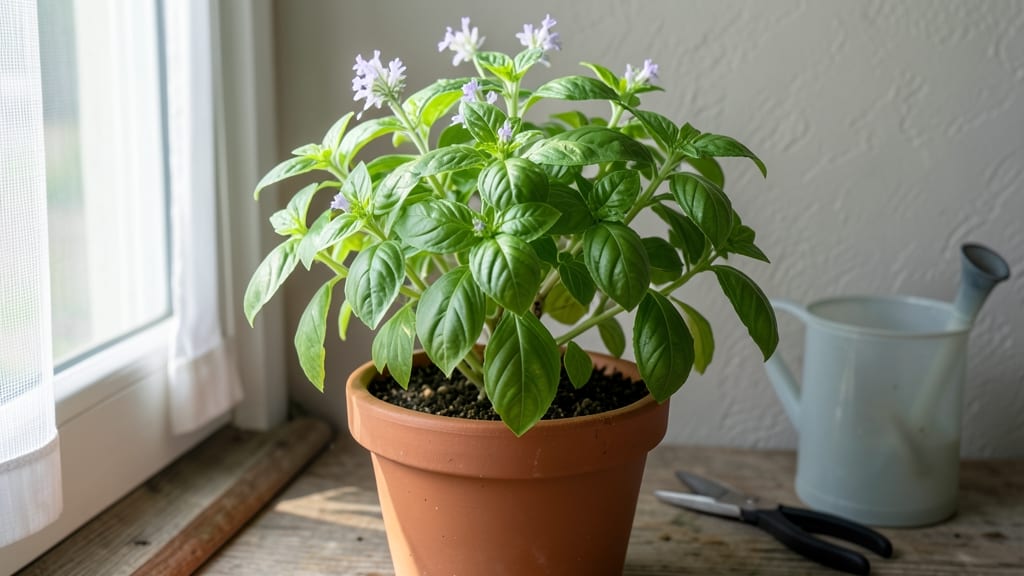
When your lemon basil sends up those delicate white flowers, you're not just seeing pretty blooms—you're holding a fragrant edible treasure. 🌸 I remember my first time harvesting lemon basil flowers for tea, and the citrusy aroma completely transformed my afternoon ritual.
These aren't just decorative; they're a culinary upgrade waiting to happen.
The key to getting those fragrant blooms—and keeping your plant productive—starts with sunlight. Place your lemon basil in at least 6 hours of morning sun, and watch those flower stalks appear within 6-8 weeks of planting.
Too much shade delays blooming, while too much afternoon sun can make the leaves bitter. Water consistently but avoid soggy soil, which stresses the plant and triggers early flowering.
Here's the trade-off: flowers mean fewer leaves, but with the right pruning, you can have both. Snip off flower stalks at the base when they first appear, and your plant will focus on leaf production.
Those blooms you do let stay? Harvest them early in the morning for the strongest flavor—perfect for garnishes, infusions, or even homemade lemon basil honey.
Troubleshooting is simple: if your plant bolts too early (sending up flowers before you're ready), it's usually from stress—either too much heat or inconsistent watering. Move it to partial shade and keep the soil evenly moist, and you'll delay flowering long enough to enjoy those lush, lemon-scented leaves.
The best part? Even the flowers taste like sunshine.
📚 In This Guide
- What you need
- Instructions
- Tips and common mistakes
- Wrapping up and next steps
What you need
- ● Lemon basil plants: 2–3 healthy plants (ensure they’re organic if possible for edible use).
- ● Well-draining potting mix: 1–2 gallons (use a blend of coconut coir, perlite, and compost for optimal drainage).
- ● Containers or garden bed: Option 1: 6–8" pots with drainage holes (1–2 plants per container).
- ● Option 2: A sunny garden bed (6+ hours of sunlight daily).
- ● Slow-release fertilizer: 1–2 tbsp (5–10g) per plant (look for organic options like fish emulsion or compost tea).
- ● Watering can or spray bottle: With a fine rose nozzle for gentle hydration.
- ● Pruning shears: Sharp, clean pair (sterilize with rubbing alcohol between uses).
- ○ Glove (optional): To protect hands from prickly stems or soil.
- ● Food-grade spray bottle: For misting flowers if humidity is low (1–2 sprays per day in dry climates).
- ○ Decorative plate or tray: For displaying harvested blooms (optional but fun!).
- ● Patience: Lemon basil flowers take 4–6 weeks to bloom after planting from seed or transplanting.
- ● Sunlight access: Confirm your growing spot gets 6+ hours of direct sunlight daily.
- ● Temperature range: Ideal growing conditions: 70–85°F (21–29°C).
- ● Knowledge of edible flowers: Familiarize yourself with lemon basil’s mild citrusy flavor to avoid mixing it with toxic look-alikes.
Step-by-Step guide to encouraging lemon basil flowers
Here’s how to coax those fragrant, edible blooms from your lemon basil plants.
🌱 Step 1: Start with Healthy, Sun-Kissed Plants
Lemon basil needs full sun (6-8 hours daily) to produce flowers, so place your plants in the brightest spot possible. If indoors, position them within 2-3 inches of a south-facing window or under grow lights (12-14 hours/day). You’ll know they’re getting enough light when leaves stay bright green and compact—no leggy stems or pale yellowing.
Pinch off any flowers that appear early in the season. This might seem counterintuitive, but it redirects the plant’s energy into leaf growth rather than seed production. Wait until the plant is at least 6 inches tall before letting it flower naturally. This ensures stronger stems and more robust blooms later.
☀️ Step 2: Balance Sun and Pruning for Blooms
Once your lemon basil hits 8-10 inches tall, it’s ready to flower. Let it go! The more sunlight it gets, the faster and more abundant the blooms will be. However, prune lightly after flowering to encourage a second round. Cut back stems by one-third, just above a leaf node. This keeps the plant bushy and productive.
Watch for small white or pale pink buds forming in the leaf axils. These are your first signs of impending flowers. If your basil starts looking overcrowded or leggy, it’s time to prune. Never cut more than one-third at a time, or you’ll shock the plant and delay blooming.
💧 Step 3: Water and Feed for Fragrant Flowers
Keep the soil evenly moist but not soggy—lemon basil hates wet feet. Water when the top inch feels dry to the touch, and avoid wetting the leaves to prevent fungal issues. Overwatering stresses the plant and can stunt flower production, so let the topsoil dry slightly between waterings.
Feed your basil with a balanced liquid fertilizer (10-10-10) every 2-3 weeks once flowers appear. This gives it the nutrients to sustain blooms and keep leaves flavorful. Stop fertilizing 2 weeks before harvest to avoid bitter tastes in the flowers.
✂️ Step 4: Harvest Flowers at Peak Perfection
Pick flowers in the morning after the dew dries for the best flavor and fragrance. Use clean scissors or fingers to snip entire stems or individual blooms. Harvesting encourages more flowers to form, so don’t wait too long—once buds open fully, they’ll start to fade.
Use flowers immediately in cooking or dry them for later. To dry, tie small bunches with twine and hang upside down in a dark, well-ventilated spot for 1-2 weeks. Store dried flowers in an airtight jar away from light. You’ll know they’re ready when petals crumble slightly between your fingers.
Tips & tricks for perfect lemon basil flowers
Real talk: Growing edible lemon basil flowers takes patience, but these little tricks make all the difference between a handful of blooms and a full garden of fragrant edible decor.
Light is Everything: Those 6-8 hours of daily sunlight are non-negotiable for flower production. If your basil starts stretching toward the light (leggy stems), it’s not getting enough. For indoor growers, supplement with grow lights—place them just 6 inches above the plants for those critical 12-14 hours. I’ve seen basil double its flower production when given proper light. The key is consistency: move plants gradually if you adjust light sources.
Pruning Strategy: When you see those first tiny buds in Step 2, resist the urge to pinch them! Let them develop into flowers, but after harvesting, cut back stems by one-third to encourage bushier growth. I always prune just above a leaf node—this is where new growth will sprout. Think of it like giving your plant a haircut: you want to shape it, not shave it bald. Over-pruning stresses the plant and delays future blooms.
Harvesting Hack: For the most fragrant flowers, harvest in the morning when essential oils are at their peak. Use clean scissors to avoid crushing stems, and cut at a 45-degree angle just above a leaf node. This encourages more flowers to form from that same spot. Pro tip: If you’re drying flowers, harvest when buds are just starting to open—they’ll be more vibrant and flavorful than fully bloomed flowers.
Pro Tips for Lemon Basil Flower
- Real talk: Growing edible lemon basil flowers takes patience, but these little tricks make all the difference between a handful of blooms and a full garden of fragrant edible decor.
- Light is Everything: Those 6-8 hours of daily sunlight are non-negotiable for flower production.
- Pruning Strategy: When you see those first tiny buds in Step 2, resist the urge to pinch them!
Frequently asked questions
Got questions about growing and using lemon basil flowers? Here are some of the most common ones—plus quick answers to help you make the most of these fragrant blooms!
Can I eat lemon basil flowers?
These delicate, citrus-scented blooms are edible and add a bright, floral-citrus note to dishes. Use them fresh in salads, garnishes, or infused oils. Just avoid pesticides if growing outdoors—always rinse thoroughly before eating.
How long does it take for lemon basil to flower?
With proper care, lemon basil typically blooms 6–8 weeks after planting. For faster flowers, pinch back the plant early to encourage bushier growth. If your basil bolts (sends up tall stems), it’s a sign it’s ready to flower soon!
What should I do if my lemon basil flowers don’t open?
If buds form but don’t open, check for these issues:
- Lack of sunlight: Move to a sunnier spot (6+ hours/day).
- Overcrowding: Thin plants for better airflow.
- Temperature stress: Basil prefers warmth (60–75°F).
Are there alternatives to lemon basil flowers for cooking?
Yes! Try these fragrant, edible flowers for similar citrus or floral notes:
- Nasturtiums (peppery, tangy)
- Borage flowers (cucumber-like, slightly minty)
- Calendula (mild, slightly spicy)
- Citrus-scented geranium petals (use sparingly!)
How do I preserve lemon basil flowers for later use?
Preserve their beauty and flavor with these methods:
- Drying: Hang small bunches upside down in a dark, dry place for 1–2 weeks.
- Freezing: Blanch in boiling water for 30 seconds, then freeze in ice cube trays with water or oil.
- Infused oils: Gently heat flowers in olive oil (low and slow) for 1–2 hours, then strain.
Wrapping up and next steps
Discovering the lemon basil flower opens up a world of fragrant possibilities—whether you're elevating dishes, crafting natural remedies, or simply adding beauty to your space. These delicate blooms are a versatile gem, blending culinary flair with aromatic charm. 🌸
Ready to dive deeper? Start by growing your own lemon basil plant—it’s easier than you think! Experiment with recipes, share your creations with friends, or even gift a bouquet of these edible flowers. The kitchen (and your senses) will thank you!