Size
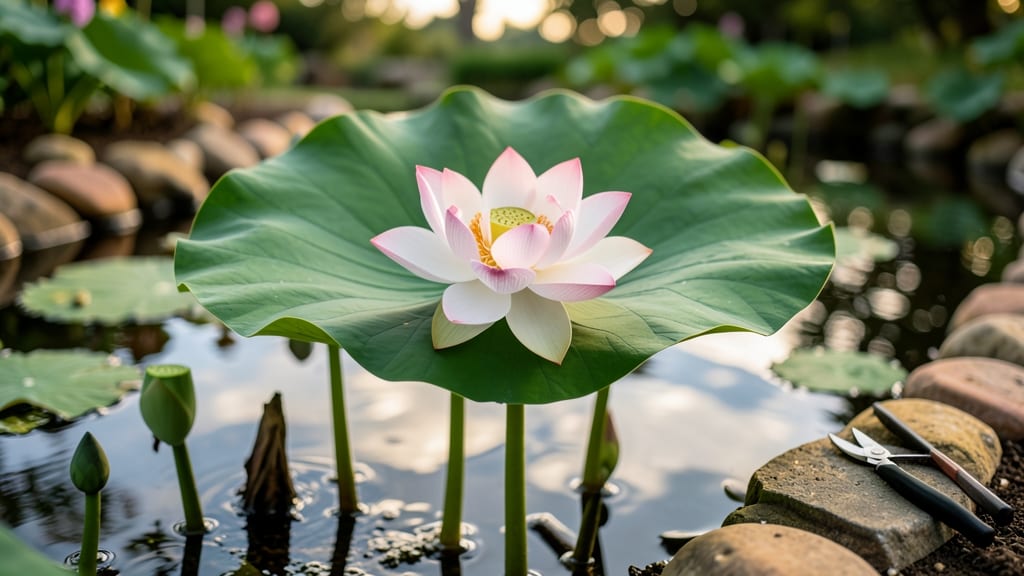
Growing lotus flowers in your garden unlocks a serene, almost magical transformation that most backyard spaces never see. 🌸 These majestic blooms aren't just beautiful—they thrive in ponds, containers, or even traditional beds with the right care, turning your yard into a tropical retreat.
I've grown them for years, and the first time I watched a bud unfurl above the water's surface, I knew this was different from ordinary gardening.
The secret starts with 6-12 inches of rich, organic soil mixed with sand for drainage—lotuses hate soggy roots. Plant rhizomes just below the surface in warm water (70-85°F) or moist soil, spacing them 12-18 inches apart for dramatic blooms.
Sunlight is non-negotiable: 6+ hours daily of full sun is what makes those velvety petals pop. Most beginners underestimate how much water they need—think "swampy but not drowned," especially in summer.
By mid-summer, you'll see those iconic blooms rising like golden lily pads, each lasting just 3-5 days but leaving behind a fragrant, velvety legacy. The roots spread slowly at first, but once established, they multiply like clockwork—doubling in size every few years.
Even in colder zones, they survive winters in 4-6 inches of water or buried soil, ready to burst back to life when temperatures rise.
Here's where it gets interesting—lotuses are low-maintenance once planted, but they do have quirks. Aphids love the new shoots, so I spray with neem oil at the first sign of sticky leaves.
And if growth stalls? Check your water—too cold or too deep can stall blooming. The payoff? A garden that feels like a secret tropical paradise, right in your own space.
📚 In This Guide
- What you need
- Instructions
- Tips and common mistakes
- Wrapping up and next steps
What you need
- ● Lotus rhizomes or tubers: 3–5 healthy, plump rhizomes (choose from Nelumbo nucifera for pink/white or Nelumbo lutea for yellow blooms).
- ● Container or pond: For containers: 1–2 large pots (18–24" diameter, 12" deep) with drainage holes.
- ● For ponds: Minimum 18" depth (lotuses need space to grow!).
- ● Pond soil or aquatic substrate: 6–8 inches of clay, loam, or pre-mixed pond soil (avoid sandy soil—it drains too fast!).
- ● Water source: A garden hose, faucet, or natural water feature (lotuses thrive in 2–3" of standing water).
- ● Garden trowel or shovel (for planting rhizomes).
- ○ Gravel or pebbles (1–2 inches) to cover rhizomes (optional but helps prevent rot).
- ● Fertilizer: Slow-release aquatic plant fertilizer or compost (1–2 tbsp per plant, spring/fall).
- ○ Water plants (optional):strong> Water hyacinth or water lilies (to share space and deter algae).
- ● Floating plants like duckweed (natural pond cleaner!).
- ● Pond net or shade cloth (to protect blooms from strong sun/wind if needed).
- ● Sunlight: Full sun (6+ hours daily)—lotuses are sun-worshippers! 🌞
- ● Climate: USDA Zones 4–11 (hardy lotuses can survive winter with mulch or in containers).
- ● Space: At least 3 feet between plants (or containers) for mature growth.
- ● Water quality: Stagnant or slow-moving water (avoid chlorinated tap water—let it sit for 24 hours first!).
Step-by-step guide to cultivating lotus flowers in your garden
Transform your garden into a serene sanctuary with these elegant aquatic blooms—here’s how to grow them successfully.
🪴 Step 1: Select the Perfect Water Feature
Lotus flowers thrive in at least 18 inches of water depth, so choose a pond, container, or water garden with a minimum 2-foot depth. A sunny location receiving 6-8 hours of direct light daily is non-negotiable—these plants are sun-worshippers. I opt for a pre-formed pond liner or a large, heavy container (like a 5-gallon bucket) with drainage holes sealed to prevent leaks.
If using a container, ensure it’s wide enough to accommodate the plant’s sprawling rhizomes—at least 12 inches in diameter for a single plant. Fill the container 3/4 full with water before planting, allowing room for roots to expand. Avoid stagnant water—install a small water pump or fountain to keep it circulating and oxygenated.
🌱 Step 2: Plant Rhizomes Correctly for Strong Growth
Purchase healthy, dormant rhizomes from a reputable supplier—look for firm, plump tubers with no soft spots or mold. Plant them in late spring or early summer, once water temperatures reach at least 70°F. I bury rhizomes horizontally in the pond or container, 2-3 inches below the soil surface, with the eyes (growth points) facing upward.
Use the 3 gallons of pond soil provided to cover the rhizomes, pressing gently to secure them. Space multiple rhizomes 12-18 inches apart to allow room for foliage to spread. Avoid overcrowding—this leads to weak stems and fewer blooms. Once planted, maintain 2-3 inches of water above the soil to keep rhizomes submerged but not drowned.
☀️ Step 3: Provide Optimal Sun and Nutrients
Lotus flowers demand full sun—if your garden lacks a sunny spot, supplement with a submersible grow light during shorter days. Without enough light, stems grow leggy, and blooms fail to open. I’ve seen firsthand how morning sun paired with afternoon shade can still produce blooms, but full sun yields the most vibrant flowers.
Feed your lotus plants monthly with aquatic plant fertilizer (like the 10-10-10 liquid fertilizer in the supplies) during the growing season. Apply half the recommended dose—lotuses are heavy feeders but can suffer from over-fertilization. Avoid fertilizing in winter when growth slows. Watch for new leaves emerging from the rhizomes—this signals healthy, active growth.
💧 Step 4: Maintain Water Quality and Prune Thoughtfully
Stagnant or murky water invites pests and disease, so change 10-20% of the water weekly during warm months. Use a net to remove debris before refilling—lotus leaves act as natural filters, but they can’t handle excessive algae. If you notice yellowing leaves or black spots, it’s a sign of poor water quality or nutrient imbalance. Adjust fertilizing or increase water circulation immediately.
Prune spent blooms and damaged foliage by cutting stems 1 inch above a leaf node with clean, sharp scissors. This encourages new growth and more flowers. I also trim overly long stems to maintain a balanced shape—never cut more than 1/3 of the plant at once. In late fall, reduce water levels to 6-8 inches to protect rhizomes from freezing in colder climates.
⏰ Step 5: Overwintering for Year-Round Blooms
In USDA Zones 7-10, lotus rhizomes can overwinter in the pond if water doesn’t freeze solid. For colder regions, dig up rhizomes in late fall, trim foliage to 2 inches, and store them in a cool, dark place (like a garage) with damp peat moss to keep them dormant. Check monthly for rot—discard any mushy or moldy rhizomes. In spring, replant once water temperatures hit 70°F and new growth appears.
Real talk: Patience is key—lotuses take 2-3 years to mature and bloom fully. But once they do, the pink, white, or blue blooms are worth the wait. Watch for buds forming in early summer—this is your first sign of success. With the right setup, your lotus garden will become the centerpiece of your water feature for decades.
Tips & tricks for perfect lotus flower cultivation
Here's what I've learned from years of growing these stunning aquatic beauties—tricks that'll help you avoid common pitfalls and get those blooms thriving.
Water Depth and Container Selection: The 18-inch minimum depth requirement isn't just about the roots—it's about creating the right microclimate for rhizome development. I've found that adding a 6-inch layer of gravel at the bottom of containers helps prevent rot by improving drainage while still keeping rhizomes submerged. For containers, I recommend using UV-stabilized plastic or fiberglass buckets—they won't degrade in water like untreated wood might.
Timing Secret for Planting: The instructions mention planting when water temperatures reach 70°F, but I've learned to wait until the water stays consistently above 75°F for at least 3 days before planting. This warmer start gives your rhizomes the energy boost they need to establish quickly. Also, if you're in a cooler climate, consider using a submersible heater during early planting to maintain that ideal temperature.
Sunlight Strategy for Shady Gardens: While lotuses demand full sun, I've had success with a two-light system for shadier spots: place a submersible grow light near the surface for 12 hours daily during spring and fall when daylight is limited. Pair this with a reflective pond liner on the bottom to maximize light penetration. The key is to mimic natural sunlight patterns—aim for 6-8 hours of direct light equivalent, even if it's artificial.
Rhizome Inspection and Preparation: Before planting, I always soak the rhizomes in lukewarm water for 24 hours to rehydrate them. Then I inspect each one closely—discard any with soft spots, holes, or foul odors, as these can spread disease. For extra insurance against rot, I treat healthy rhizomes with a 10-minute soak in hydrogen peroxide solution (1 part 3% peroxide to 9 parts water) before planting. This simple step has dramatically reduced my rhizome loss over the years.
Pro Tips for Lotus Flower Grow A Garden
- Here's what I've learned from years of growing these stunning aquatic beauties—tricks that'll help you avoid common pitfalls and get those blooms thriving.
- Water Depth and Container Selection: The 18-inch minimum depth requirement isn't just about the roots—it's about creating the right microclimate for rhizome development.
- Timing Secret for Planting: The instructions mention planting when water temperatures reach 70°F, but I've learned to wait until the water stays consistently above 75°F for at least 3 days before planting.
Frequently asked questions
Got questions about growing lotus flowers in your garden? You're not alone! Here are some of the most common queries—and their answers—to help you cultivate these stunning aquatic beauties with confidence.
How long does it take for a lotus flower to bloom after planting?
A lotus flower typically takes 3 to 5 months to bloom after planting rhizomes or tubers in the right conditions. Patience is key—ensure your pond or container has at least 18 inches of water depth and full sun (6+ hours daily). Some varieties, like the hardy Nelumbo nucifera, may bloom sooner in warm climates.
Can I grow lotus flowers in a small pond or even a bucket?
Yes! Lotus flowers thrive in containers as small as 12-18 inches wide (for dwarf varieties) or 24+ inches for standard types. Use a heavy, non-toxic container (like a plastic barrel or ceramic pot) with drainage holes covered by mesh. Ensure it’s anchored securely—lotus roots can be heavy, and wind may tip shallow setups.
Why aren’t my lotus leaves or flowers emerging? Troubleshooting tips
If your lotus isn’t sprouting, check these common issues:
- Water temperature: Lotus rhizomes need warm water (70°F+). Use a pond heater in cooler climates.
- Light exposure: They require full sun—move to a sunnier spot if leaves appear weak or yellow.
- Rhizome depth: Plant rhizomes just below the water’s surface (not buried deep).
- Patience: Some varieties (like Nelumbo lutea) bloom later—wait until mid-summer.
If problems persist, your rhizome may be rotten. Try replanting a fresh one!
Do lotus flowers attract pests or mosquitoes?
Lotus flowers are pest-resistant and do not attract mosquitoes—their broad leaves actually block breeding sites for mosquito larvae. However, watch for aphids or lotus beetles (rare). Spray with neem oil or introduce beneficial insects like ladybugs if needed. Their natural beauty makes them a low-maintenance, eco-friendly addition!
What’s the best alternative if I don’t have a pond?
If a pond isn’t an option, try these lotus-like alternatives for your garden:
- Water lilies: Classic aquatic plants with floating leaves (e.g., Nymphaea species).
- Blue lotus (Nymphaea caerulea): A hardy, drought-tolerant perennial for containers.
- Canna lilies: Tropical ground covers with bold foliage (great for bog gardens).
- Water hyacinth: Fast-growing but invasive—best for large ponds only.
For a true lotus look, opt for dwarf lotus varieties (like Nelumbo ‘Rosy Red’) in large pots!
Wrapping up and next steps
Growing a lotus flower garden is a rewarding journey that brings serene beauty and natural elegance to your space. With the right materials, patience, and care, you can cultivate these stunning blooms year-round—even in cooler climates!
Whether you’re drawn to their spiritual symbolism or simply love their striking petals, your garden will soon become a tranquil oasis. 🌸
Now that you’re armed with knowledge, take the next step: start small! Begin with a single pond or container, monitor your lotus’s progress, and soon, you’ll be expanding your garden like a pro. Happy growing—your future blooms will thank you! 🌱✨