
Flowers
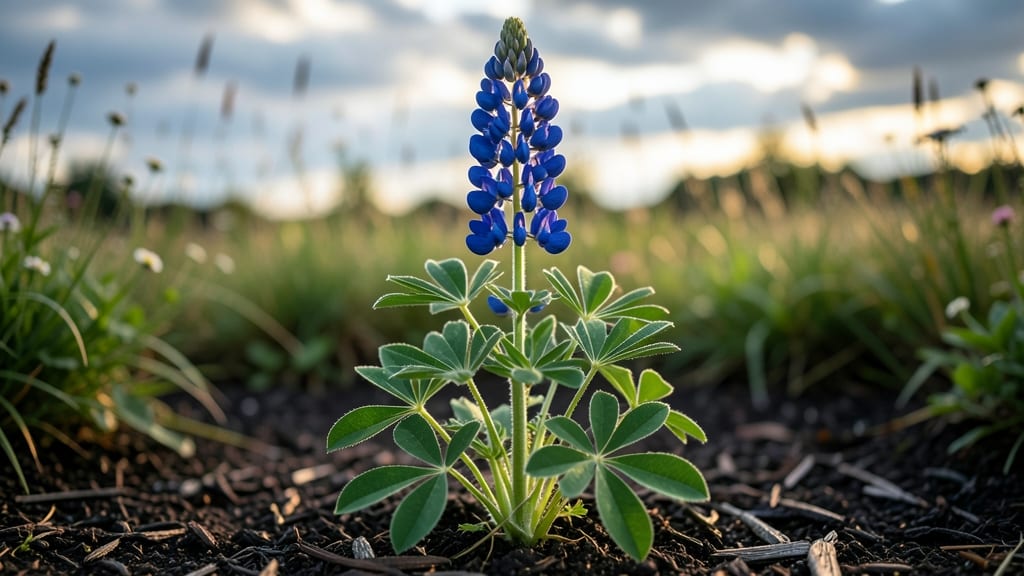
Lupin pictures flower might look like something out of a fairy tale, with their towering spikes of velvety purple that sway in the breeze like nature’s own chandeliers. 🌿 I first fell for them in a Pacific Northwest garden where they stood taller than me, their delicate petals drawing clouds of bees and butterflies.
These aren’t just pretty faces—they’re the backbone of pollinator-friendly landscapes, thriving where others falter.
Their bold colors range from deep royal purple to soft lavender, making them the star of cottage gardens, wildflower meadows, or even modern borders.
Pair them with silver foliage like lamb’s ear or golden yarrow to create a striking contrast, or let them mingle with native grasses for a soft, natural look. Lupins bloom in late spring to early summer, giving you weeks of drama before their seed pods add texture to winter arrangements.
What makes them truly special is how they transform a space—adding height, movement, and a magnet for pollinators. Imagine a border where lupins tower over low-growing salvias or a cottage garden where their spikes frame the path like a living archway.
They’re low-maintenance, too, once established, and their deep roots help break up heavy soil.
Whether you’re designing a pollinator paradise or just want to add dramatic height to your garden, lupins deliver. They’re the kind of plant that makes neighbors stop and ask, “What are those?”—and then you get to say, “Nature’s masterpiece.” Ready to bring this magic to your yard?
📚 In This Guide
- What you need
- Instructions
- Tips and common mistakes
- Wrapping up and next steps
What you need
- ● Lupin seeds: Choose Lupinus polyphyllus (Garden Lupine) or Lupinus nootkatensis (Nootka Lupine) for PNW-friendly varieties. Buy 10–20 seeds per plant (they’re often sold in packets of 50–100).
- ● Well-draining soil: Mix 2 parts garden soil with 1 part compost or perlite (lupines hate soggy roots!). Aim for a pH of 6.0–7.0.
- ● Sunlight: A full-sun to partial-shade spot (6+ hours of sunlight daily). Lupines thrive in USDA Zones 3–9.
- ● Water: Keep soil moist but not waterlogged (especially for seedlings). A spray bottle or watering can with a fine rose works best.
- ● Garden gloves (to protect hands from prickly stems).
- ● Hand trowel or transplanting spade (for digging and spacing seedlings 12–18 inches apart).
- ○ Mulch (optional): Use 2–3 inches of straw or wood chips to retain moisture and suppress weeds.
- ○ Fertilizer (optional): A low-phosphorus, balanced fertilizer (5-5-5) applied once in spring (lupines fix nitrogen naturally!).
- ○ Pest control (optional):
- ● Neem oil spray (for aphids or caterpillars).
- ● Row covers (to deter slugs or rabbits).
- ● 💡 Start seeds indoors 8–10 weeks before the last frost for earlier blooms.
- ● 🌡️ Lupines love cool weather—plant in early spring or late summer to avoid summer heat stress.
- ● 🎯 Deadhead spent blooms to encourage more flowers (but leave some seed pods for pollinators!).
How to grow stunning lupin flowers for Pacific Northwest gardens
Here’s my foolproof method for cultivating these striking pollinator magnets—just follow these steps.
🌱 Step 1: Choose the Right Lupin Variety and Planting Time
Lupins thrive in the Pacific Northwest’s cool, moist climate, so select hardy perennial varieties like Lupinus polyphyllus or Lupinus nootkatensis for reliable blooms. Plant seeds in early spring (March-April) or late summer (August)—this avoids the heat stress that can delay germination.
I always start seeds indoors 6-8 weeks before the last frost (around late February for most PNW zones). The reason? Lupin seeds need stratification—a cold period—to break dormancy. If you plant directly outdoors, sow seeds in fall (October-November) so they experience winter chilling naturally.
🌿 Step 2: Prepare Well-Draining Soil and Plant Seeds Properly
Lupins despise soggy roots, so amend your soil with sand or grit if it’s heavy clay—a common PNW issue. Mix in compost for fertility, but avoid fresh manure, which can burn tender lupin roots. The ideal soil pH is 6.0-7.0—test yours with a simple kit if unsure.
Sow seeds ½ inch deep in full sun (6+ hours daily). Space them 12-18 inches apart—lupins grow tall (3-5 feet) and need room to avoid competition. Water gently after planting, but don’t oversaturate. Lupin seeds germinate slowly (2-4 weeks), so patience is key.
☀️ Step 3: Provide Consistent Moisture and Full Sun for Strong Stems
Once seedlings emerge, keep the soil evenly moist but never waterlogged. Lupins are drought-tolerant once established, but young plants need 1 inch of water weekly during dry spells. I use a soaker hose to water at the base—this prevents fungal issues from overhead moisture.
Here’s the thing—lupins love sun but can scorch in intense PNW summer heat. If your garden gets afternoon sun, provide light shade (30-50% coverage) during peak heat (July-August). You’ll see stronger stems and fewer floppy blooms if you do this.
✂️ Step 4: Deadhead and Support for Long-Lasting Blooms
When your lupins burst into bold purple, pink, or white spikes (usually late spring to early summer), snip spent blooms just below the flower head to encourage more blooms. This is called deadheading, and it keeps your plants flowering for 6-8 weeks instead of just a few weeks.
Tall lupin stems often need support, especially in windy PNW gardens. Install sturdy stakes (6 feet tall) at planting and loosely tie stems with soft garden twine as they grow. Avoid tight binding—lupins need airflow to prevent mildew.
🪴 Step 5: Overwinter and Divide for Next Year’s Display
After blooming, cut back stems to 4-6 inches tall in late fall (October). Lupins are hardy to USDA Zone 4, but a thick layer of mulch (3-4 inches) protects roots in harsh winters. I use straw mulch—it insulates well and breaks down slowly.
Every 3-4 years, divide mature clumps in early spring to rejuvenate growth. Dig up the root ball, separate sections with a sharp knife, and replant. This prevents overcrowding and ensures vibrant blooms year after year. Lupins self-seed readily, but I pull volunteers to control spread.
Tips & tricks for perfect lupin pictures flower cultivation
These game-changing insights will help you transform your Pacific Northwest garden into a lupin paradise—just follow these pro secrets.
Variety Selection Matters: While Lupinus polyphyllus and Lupinus nootkatensis are your best bets for PNW gardens, consider Lupinus arboreus for shorter stature (2-3 feet) if space is limited. The key difference? Arboreus blooms earlier in spring and handles urban heat better. For dramatic height, stick with the classic varieties—they'll reach 4-5 feet and create stunning vertical impact.
Stratification Shortcut: If you're impatient for those 6-8 weeks of indoor stratification before last frost, try this trick: Place seeds in a plastic bag with slightly damp peat moss, seal it, and refrigerate for 4-6 weeks. This mimics winter chilling naturally. Just remember—once stratified, plant immediately to avoid mold growth. The cold treatment breaks dormancy, but seeds need to be active when they hit warm soil.
Soil Test Tip: That ideal 6.0-7.0 pH range isn't just a suggestion—lupins are particularly sensitive to soil acidity. If your soil tests lower than 6.0, add pulverized limestone gradually (½ cup per plant) and retest in 3 months. I've seen lupins struggle in slightly acidic soils, producing fewer blooms. The right pH makes all the difference between lackluster and showstopping displays.
Deadheading Discipline: The 6-8 week flowering extension from deadheading only works if you're consistent. Set a reminder for every 7-10 days during bloom season—lupins produce flowers along their entire stem, so check each spike. Use clean, sharp scissors to snip just below the flower head. This prevents seed formation and redirects energy to new blooms. I've seen gardens double their flowering time simply by making this weekly commitment.
Pro Tips for Lupin Pictures Flower
- These game-changing insights will help you transform your Pacific Northwest garden into a lupin paradise—just follow these pro secrets.
- Variety Selection Matters: While Lupinus polyphyllus and Lupinus nootkatensis are your best bets for PNW gardens, consider Lupinus arboreus for shorter stature (2-3 feet) if space is limited.
- This mimics winter chilling naturally.
Frequently asked questions
Got questions about Lupin Pictures Flower? You’re not alone! Here are some of the most common queries—plus quick, helpful answers to keep your garden buzzing with pollinators.
What’s the best time to plant Lupin Pictures Flower for maximum blooms?
For Lupinus ‘Pictures’, aim to plant seeds in early spring (after the last frost) or late summer. This variety thrives in cool climates, so avoid planting in hot, dry spells. If starting from seed, expect blooms in the second year—patience pays off with vibrant purple spikes!
Are Lupin Pictures Flowers really great for pollinators like bees and butterflies?
This lupin is a pollinator magnet—its dense flower clusters are packed with nectar and pollen, attracting bees, hummingbirds, and even butterflies. For extra buzz, plant near Echinacea or Salvia to create a pollinator paradise.
Why aren’t my Lupin Pictures Flowers blooming this year?
No blooms? Check these fixes:
- Over-fertilizing: Lupins hate rich soil—use low-phosphorus fertilizer or none at all.
- Crowded roots: Thin seedlings to 12–18 inches apart for better airflow.
- Too much shade: They need full sun (6+ hours/day) to thrive.
Give them time—they’re biennials, so blooms may appear in year two!
Can I grow Lupin Pictures Flower in containers? What’s the best setup?
Yes! Use a large container (12+ inches deep) with well-draining soil and add gravel at the bottom to prevent rot. Choose a sunny spot and water deeply but infrequently—drought tolerance is a lupin superpower. Just avoid soggy soil!
How do I keep Lupin Pictures Flowers looking neat without sacrificing their wild charm?
Deadhead spent blooms to encourage more flowers, but leave some seed pods for visual texture and birdseed. For a tidy look, trim back foliage in early spring. Pro tip: Their fuzzy seed pods add whimsy—embrace the garden’s natural quirks!
Do Lupin Pictures Flowers survive winter in the Pacific Northwest?
Yes! This hardy lupin tolerates USDA Zones 3–9, making it perfect for PNW winters. Mulch lightly in late fall to protect roots, but avoid smothering the crown. Come spring, you’ll be rewarded with bold purple returns.
Wrapping up and next steps
The lupin flower isn’t just a stunning addition to the Pacific Northwest’s landscapes—it’s a powerhouse for pollinators and a symbol of resilience. With its bold purple blooms and low-maintenance charm, this beauty thrives in gardens while supporting bees, butterflies, and hummingbirds.
Whether you’re a seasoned gardener or just starting, adding lupins to your space is a rewarding way to boost biodiversity and enjoy nature’s artistry.
Ready to plant your own pollinator paradise? 🌱 Start small—grab seeds or seedlings, prep your soil, and let these hardy flowers do the rest. Your garden (and the bees!) will thank you.