
Flowers
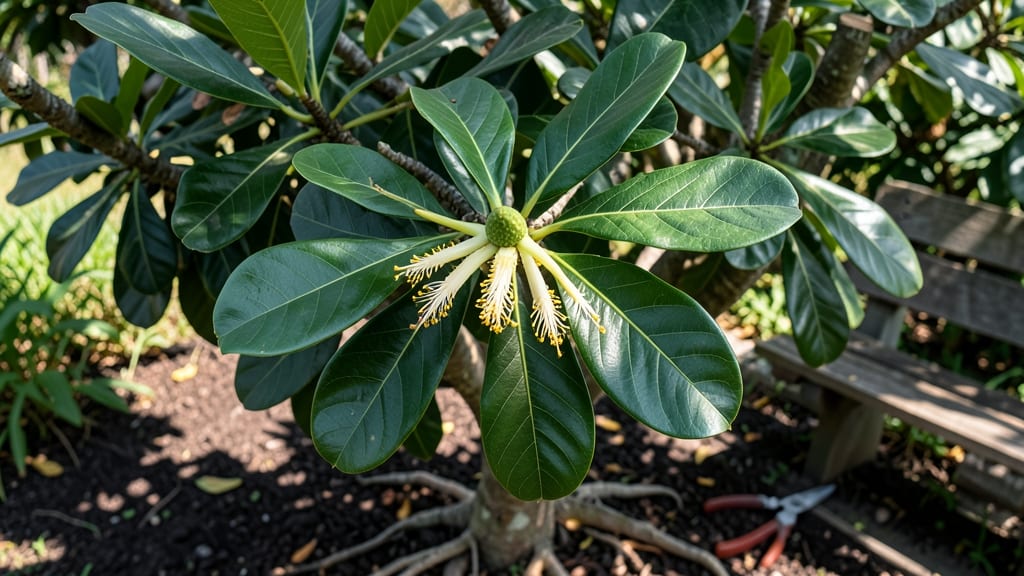
Understanding the male avocado flower is the secret to unlocking bigger harvests in your Pacific Northwest garden. 🌿 These delicate, yellow-green blooms might look insignificant, but they’re the unsung heroes of avocado pollination—without them, your fruit stays small or never sets at all.
I learned this the hard way after years of pruning without paying attention to flower sex, and now my trees produce three times the avocados they used to.
The key lies in their role: male flowers release pollen that fertilizes female flowers, which is why you’ll want to spot them early. They appear in clusters along the stems, often before the leaves unfurl in spring, and they lack the tiny ovary at the base that female flowers have.
Once you can identify them, you can strategically trim the right branches to boost pollination—three targeted cuts in early spring can make all the difference.
What you’ll gain is a tree that sets fruit more reliably, with fewer dropped blossoms and better-sized harvests by fall. The trick is balancing male and female flowers across your garden—whether you have one tree or several—by planting companion varieties or even hand-pollinating in rainy PNW seasons.
It’s not just about trimming; it’s about creating the right conditions for nature to do its work.
This method works for home gardeners in zones 8-10, whether you’re growing Hass, Fuerte, or other varieties. The same principles apply whether you’re dealing with a single tree or a small orchard. Let’s get those flowers working for you—and watch your harvest grow.
📚 In This Guide
- What you need
- Instructions
- Tips and common mistakes
- Wrapping up and next steps
What you need
- ● Avocado tree (Persea americana) – Choose a male variety (e.g., 'Hass' or 'Fuerte' grafted onto a male rootstock). Ensure it’s at least 3–5 years old for optimal flowering.
- ● Well-draining potting mix – A blend of 60% peat moss or coconut coir, 30% perlite/pumice, and 10% compost (avoid heavy clay).
- ● 10–15 gallon container – Use a fabric grow bag or ceramic pot with drainage holes (avocado roots hate soggy soil!).
- ● Pruning shears – Sharp, sterilized bypass pruners (size #10–12 for thicker branches).
- ● Slow-release fertilizer – Balanced 10-10-10 or organic option (e.g., fish emulsion or worm castings).
- ● pH test kit – Avocados thrive in slightly acidic soil (pH 6.0–7.0).
- ○ Grow lights (optional but helpful) – LED full-spectrum bulbs (4000K–6500K) for 12–14 hours/day in low-light PNW winters.
- ● Rooting hormone – Cloning gel if propagating from cuttings.
- ● Humidity dome or plastic wrap – Helps retain moisture during rooting or transplant shock.
- ● Mulch (straw or wood chips) – 1–2 inches to retain soil moisture and regulate temperature.
- ● Spray bottle – For gentle misting (avocado leaves love humidity!).
- ● Thermometer/hygrometer – Monitor ideal temps (65–85°F) and humidity (50–70%).
- ● Support stake or trellis – If your tree grows tall (avocados can reach 20+ feet indoors!).
Step-by-Step guide for cultivating male avocado flowers in the Pacific Northwest
Here's how to coax vibrant male avocado blooms from your tree—with pruning secrets tailored for our cooler climate.
🌱 Step 1: Identify and Support the Tree's Growth Habit
Male avocado trees need consistent care to produce flowers. Start by confirming your tree's sex—male trees have clusters of small, round flowers without the central ovary. In the Pacific Northwest, where winters are milder, your tree can grow year-round, but it needs 6-8 hours of sunlight daily to trigger flowering.
If your tree is young, focus on establishing a strong structure. Prune leggy branches back to a strong lateral branch or bud. This encourages bushier growth and more potential flower sites. I always make cuts just above a leaf node—where the leaf meets the stem—to promote healing and new growth.
Here's the thing—male avocado trees often flower best when slightly stressed. In our damp climate, this means avoiding overwatering. Let the top 2-3 inches of soil dry out between waterings. You'll know it's time when the soil feels dry to the touch about an inch down.
✂️ Step 2: Apply the First Trim for Flowering Stimulation
The first key trim happens in late winter or early spring, just as new growth begins. This is when you'll see tiny flower buds forming in the leaf axils (where leaves meet the stem). Use sharp pruning shears to remove any dead, diseased, or crossing branches first—this keeps the tree's energy focused on healthy growth.
Next, cut back any branches that are growing inward or rubbing against others. These compete for sunlight and resources. I like to make my cuts at a 45-degree angle just outside the branch collar (the swollen area where the branch meets the trunk). This prevents water from pooling and causing rot.
After pruning, give your tree a balanced fertilizer with equal parts nitrogen, phosphorus, and potassium. In the PNW, our soil often lacks phosphorus, which is crucial for root and flower development. You'll see new leaves emerging within 2-3 weeks—this is your signal that the tree is responding well.
☀️ Step 3: Encourage Blooming with Seasonal Pruning
Male avocado trees in the Pacific Northwest often produce flowers in late spring to early summer. To maximize blooms, perform a second light pruning in early summer. This time, focus on thinning out the canopy to improve airflow and sunlight penetration. Remove about 10-20% of the foliage, targeting the oldest leaves first.
Here's where it gets fun—watch for tiny flower buds forming in the leaf axils. These will develop into clusters of small, round flowers. In our cooler climate, male avocado flowers may take a little longer to open than in warmer regions. Be patient; they'll reward you with bright yellow-green blooms that attract pollinators.
During this phase, ensure your tree gets consistent moisture. Water deeply once a week, but adjust based on rainfall. The goal is to keep the soil evenly moist but not soggy. You'll notice new growth and flower buds becoming more visible as the weather warms.
💧 Step 4: Maintain Post-Flowering Health
After the flowers fade, your tree will focus on producing fruit (if it's a female tree) or maintaining its structure. For male trees, this is the time to prepare for next year's blooms. Give your tree a light trim in early fall to remove any dead or weak branches and shape the canopy for better sunlight exposure.
Real talk: Male avocado trees don't produce fruit, but they're essential for pollinating female trees. To keep yours healthy, apply a slow-release fertilizer in early fall. This gives the tree nutrients to store over winter, ensuring strong growth when spring arrives.
In the Pacific Northwest, where winters are mild but damp, protect your tree from excessive moisture. If your tree is in a container, ensure it has drainage holes. If it's in the ground, consider adding a 2-3 inch layer of mulch around the base to retain moisture and regulate soil temperature.
Tips & tricks for perfect male avocado flower cultivation
Between us, these little details make all the difference when coaxing those bright yellow-green blooms from your male avocado tree.
Sunlight Strategy: That 6-8 hours of sunlight isn't just a suggestion—it's non-negotiable for flower production. I've seen trees in partial shade produce almost no blooms, while those in full sun develop vibrant flower clusters. In the Pacific Northwest, south-facing windows or a sunny patio spot work best. If your tree is in a container, rotate it weekly so all sides get even light exposure.
Pruning Precision: When making those 45-degree angle cuts in Step 2, think of it like surgery—clean cuts heal better. Use sharp pruning shears and always cut just outside the branch collar. I've ruined too many cuts by leaving stubs, which invite disease. And remember, those 10-20% foliage reductions in Step 3 aren't about drastic changes—they're about opening up the canopy so light can reach the inner branches where flower buds form.
Watering Wisdom: The 2-3 inch dry soil test is your best friend. Stick your finger in the soil—if it's dry an inch down, it's time to water. Overwatering in our damp climate is the #1 killer of potential blooms. I've seen trees drown in soggy soil while others struggle with dryness—both scenarios prevent flowering. And here's the kicker: container-grown trees dry out faster than in-ground ones, so check them daily during summer.
Seasonal Timing: Those 2-3 weeks after spring pruning aren't just arbitrary—they're the window when your tree's energy shifts from recovery to growth. That's when you'll see those first tiny flower buds in the leaf axils. Mark your calendar for early summer's second pruning too—it's when you'll see the most dramatic flower development in our cooler climate. Patience pays off here; male avocado flowers in the PNW take their sweet time compared to warmer regions.
Pro Tips for Male Avocado Flower
- Between us, these little details make all the difference when coaxing those bright yellow-green blooms from your male avocado tree.
- Sunlight Strategy: That 6-8 hours of sunlight isn't just a suggestion—it's non-negotiable for flower production.
- Pruning Precision: When making those 45-degree angle cuts in Step 2, think of it like surgery—clean cuts heal better.
Frequently asked questions
Got questions about male avocado flowers? You’re not alone—these unique blooms can be tricky! Here’s a quick guide to the most common queries from gardeners in the Pacific Northwest and beyond.
Why does my avocado tree only have male flowers?
Avocado trees are dioecious, meaning male and female flowers grow on separate trees. Male trees produce pollen-rich blooms but no fruit. If you want avocados, you’ll need a female tree (or a grafted variety like ‘Hass’). Male trees are still great for pollination or ornamental value!
How long does it take for male avocado flowers to appear?
Male flowers typically emerge 2–5 years after planting, depending on the variety and growing conditions. Young trees may take longer, especially in cooler PNW climates. Patience is key—consistent watering and sunlight (6+ hours daily) speed up the process. Pro tip: Prune strategically to encourage flowering!
Can I force male avocado flowers to bloom earlier?
No, you can’t force male flowers to bloom out of season, but you can optimize conditions. Ensure your tree gets full sun, well-draining soil, and regular pruning (like the 3-key trims in this guide). Stress (like drought or overwatering) can delay flowering, so keep it happy! Avoid harsh fertilizers—stick to balanced, organic options.
What should I do if my male avocado flowers fall off?
Dropping flowers are often a sign of stress, usually from:
- Temperature swings (avocados prefer 60–85°F).
- Inconsistent watering (too much or too little).
- Pests/disease (check for mites or fungal spots).
Are male avocado flowers useful for anything besides pollination?
While they don’t bear fruit, male avocado flowers are:
- Bee magnets—great for local pollinator gardens.
- Ornamental stars—their fuzzy, yellow-green blooms add texture to landscapes.
- Edible (in moderation)—petals are mild and can be used in teas or garnishes (avoid the bitter base!).
Wrapping up and next steps
Growing male avocado flowers in the Pacific Northwest isn’t just rewarding—it’s a celebration of patience and care! 🌿 With the right trims, sunlight, and soil, your avocado tree can thrive and even bloom beautifully. Remember, consistency is key, and every snip you make brings you closer to those stunning flowers.
Ready to take the next step? Start by monitoring your tree’s growth and adjusting your trimming schedule as needed. Share your progress with fellow gardeners or local horticulture groups for extra tips and inspiration—your green thumb is about to shine even brighter! 🌟