
Propagation
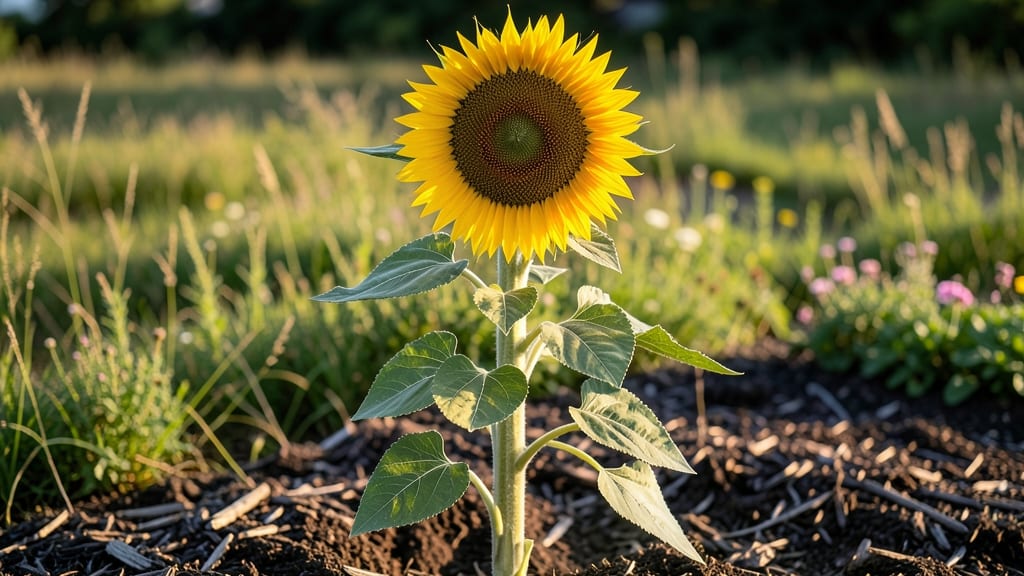
Growing Mammoth Russian sunflower seeds feels like planting a sunbeam in your garden—these giants reach 12-15 feet tall with blooms as wide as dinner plates. 🌻 I remember the first time I watched one sprout in my backyard; it grew so fast I could track its progress by the hour.
The key isn’t just patience—it’s knowing exactly when, where, and how to plant them for that dramatic, sun-soaked show.
You’ll need rich, well-draining soil mixed with compost, a sunny spot with at least 6-8 hours of direct light, and a deep planting hole—1-2 inches deep, with seeds spaced 6-12 inches apart in rows.
These sunflowers thrive when planted after the last frost, typically in late spring, and they’ll reward you with towering stems that become the backbone of your summer garden. The secret? Consistent moisture without waterlogging, especially during their first few weeks.
By midsummer, you’ll have sunflowers that command attention—blooms up to 16 inches wide and stems sturdy enough to support their own weight. They’ll attract pollinators, provide shade, and even serve as a natural windbreak.
Just watch for weak stems (stake them early!) and pests like aphids, which can be deterred with neem oil or a strong spray of water. With the right care, these giants will stand tall until frost.
Perfect for anchoring borders, adding height to cut flower arrangements, or simply making neighbors do a double-take. Once you’ve grown one, you’ll never go back to small sunflowers again. Let’s get those seeds in the ground!
📚 In This Guide
- What you need
- Instructions
- Tips and common mistakes
- Wrapping up and next steps
What you need
- ● Mammoth Russian Sunflower Seeds – 5–10 seeds (or more, depending on desired spacing). Look for Helianthus annuus varieties labeled "Mammoth" or "Russian Giant."
- ● Well-draining potting soil – A high-quality, nutrient-rich mix (e.g., Miracle-Gro All Purpose Garden Soil or a 60% topsoil, 30% compost, 10% perlite blend).
- ● Seed-starting trays or biodegradable pots – 2–3 inches deep, with drainage holes (or Jiffy-7 Pellets for easy transplanting).
- ● Grow lights or a sunny windowsill – A full-spectrum LED grow light (e.g., SPRYDRAN 18W) or a south-facing window (6+ hours of sunlight daily).
- ● Watering can or spray bottle – With a fine mist setting to avoid disturbing seeds.
- ● Fertilizer – A balanced 5-5-5 or 10-10-10 NPK fertilizer (or fish emulsion for organic growth). Dilute to half-strength for seedlings.
- ● Garden twine or stakes – 6–8 feet tall (e.g., bamboo stakes or metal rebar) for support as plants mature.
- ● Outdoor garden space or large containers – At least 3–4 feet of spacing between plants (they grow 10+ feet tall!). Containers should be 18+ inches deep with drainage.
- ● Mulch – Straw, wood chips, or black plastic mulch to retain moisture and suppress weeds.
- ● Seedling heat mat – Speeds up germination (especially in cooler climates).
- ● pH test kit – Ideal soil pH: 6.0–7.5 (sunflowers prefer slightly acidic to neutral).
- ● Compost or worm castings – Boosts soil fertility for taller, healthier stems.
- ● Pruning shears – For trimming lower leaves to encourage upward growth.
- ● Bird netting – Protects seeds from squirrels or birds (these giants are a magnet for wildlife!).
Step-by-Step guide to growing towering Mammoth Russian sunflowers
Here’s how to coax those jaw-dropping 10-12 foot giants from seed—with sturdy stems and vibrant blooms.
🌱 Step 1: Start Seeds Indoors for a Head Start
Plant Mammoth Russian sunflower seeds indoors 6-8 weeks before your last frost date—these giants need time to establish deep roots. Use biodegradable pots (3-4 inches deep) filled with sterile seed-starting mix to avoid damping-off. Press one seed per pot just ½ inch deep, since deep planting delays germination.
Keep the soil consistently moist (not soggy) at 70-75°F—a seedling heat mat speeds things up. Germination takes 7-14 days—watch for cotyledons (first true leaves) before moving outdoors. If you miss the indoor window, direct-sow after frost, but expect smaller blooms.
🪴 Step 2: Harden Off and Transplant for Maximum Strength
Two weeks before transplanting, harden off seedlings by placing them outside in partial shade for 1-2 hours daily, gradually increasing exposure. Mammoth Russians need full sun but hate sudden heat stress—transplant on a cool, overcast afternoon to reduce shock.
Dig holes twice as wide as the root ball and 1 inch deeper to encourage root expansion. Space plants 2-3 feet apart—their massive blooms need elbow room. Bury stems slightly deeper than in the pot to stabilize them against wind. Water deeply right after transplanting to settle soil around roots.
☀️ Step 3: Provide Support and Deep Watering
Mammoth Russians require staking—their stems can’t support those 12-pound blooms without help. Install 8-foot stakes or heavy-duty cages at planting, driving them 6 inches deep for stability. Tie stems loosely with soft garden twine every 2-3 feet as they grow, adjusting as needed.
Water deeply 2-3 times per week, soaking the root zone to 12 inches down. Let the top 2 inches of soil dry between waterings—overhead watering promotes mildew. Mulch with 2-3 inches of straw to retain moisture and suppress weeds. Fertilize lightly with balanced 10-10-10 at planting and again when stems reach 3 feet tall—too much nitrogen makes stems weak.
✂️ Step 4: Deadhead and Monitor for Pests
Remove spent blooms after they fade to redirect energy to new growth. Check stems weekly for sunflower moth larvae—handpick or spray with neem oil if you spot chewed leaves. Birds love the seeds, so cover heads with netting once they form to preserve some for you.
Watch for powdery mildew in humid climates—space plants wider if airflow is poor. If stems lean, re-stake immediately before blooms form. The first frost signals harvest time—cut stems at the base and dry upside-down in a well-ventilated, dark space for 2-3 weeks before threshing seeds.
Tips & tricks for perfect Mammoth Russian sunflower growth
Real talk: These towering beauties need precision to reach their full potential. Here’s how to avoid common pitfalls and give your sunflowers the best shot at becoming your garden’s centerpiece.
Seedling Heat Secret: That 70-75°F soil temperature range isn’t just a suggestion—it’s critical for germination. I’ve seen seeds sit for weeks in cooler soil before finally sprouting. If your home runs cooler, place pots on a seedling heat mat or near a sunny window with a clear plastic cover to trap warmth. For extra insurance, soak seeds overnight before planting to kickstart hydration.
Transplanting Timing: The 1-2 hour daily hardening-off period in Step 2 can’t be rushed. Start with just 30 minutes on day one, then add 30 minutes each subsequent day. Watch for wilting—if leaves droop, they’re not ready for more sun. And that cool, overcast afternoon for transplanting? I’ve learned this the hard way: hot afternoons can scorch tender seedlings before they’ve had time to establish roots.
Staking Strategy: Those 8-foot stakes need to be installed at planting, not after the sunflowers are already leaning. Bury them 6 inches deep and drive them in at a slight angle toward the prevailing wind direction. I use bamboo stakes because they’re sturdy yet flexible enough to adjust as the plant grows. For extra stability, tie the stems at three points: near the base, mid-stem, and just below the flower head.
Watering Wisdom: The 2-3 inches of straw mulch isn’t just for looks—it’s a game-changer for moisture retention. In my first attempt, I skipped mulching and ended up watering daily. Now, I water deeply every other day in summer, letting the top 2 inches dry between sessions. The mulch also keeps soil temps cooler, which prevents stress on those developing roots.
Pro Tips for Mammoth Russian Sunflower Seeds
- Real talk: These towering beauties need precision to reach their full potential.
- Seedling Heat Secret: That 70-75°F soil temperature range isn’t just a suggestion—it’s critical for germination.
- Transplanting Timing: The 1-2 hour daily hardening-off period in Step 2 can’t be rushed.
Frequently asked questions
Got questions about growing Mammoth Russian sunflower seeds? You’re not alone! These giants bring drama to any garden, but they do come with unique quirks. Below, we tackle the most common curiosities—from planting to troubleshooting—so you can grow with confidence.
When is the best time to plant Mammoth Russian sunflower seeds?
Plant these seeds after the last frost when soil temps hit at least 50°F (10°C). For most U.S. zones, that’s mid-to-late spring. Direct sowing is best—they hate transplanting! If you’re in a short season, opt for early-maturing varieties (like ‘Russian Giant’) to avoid winter’s chill.
How long do Mammoth Russian sunflowers take to grow?
From seed to towering bloom, expect 80–120 days, depending on the variety. Dwarf types (6–8 ft) mature faster, while true giants (10–14 ft) take longer. Pro tip: Check your seed packet for exact days-to-maturity—some need 100+ frost-free days!
Why aren’t my Mammoth Russian sunflowers growing tall?
Stunted growth usually means poor soil, lack of water, or overcrowding. These sunflowers are heavy drinkers—give them 1–2 inches of water weekly (more in droughts). Amend soil with compost before planting, and space seeds 12–18 inches apart. If stems are weak, add a light support stake early.
Can I grow Mammoth Russian sunflowers in containers?
Yes, but only the dwarf varieties (under 8 ft). Use a large pot (20+ gallons) with drainage holes and fill it with well-draining potting mix. Place in full sun and rotate the pot weekly for even growth. Warning: Giants need deep roots—containers limit their height!
Are Mammoth Russian sunflowers good for pollinators?
Their massive blooms attract bees, butterflies, and birds like a buffet. For extra pollinator love, plant native companion flowers (like coneflowers) nearby. Just avoid pesticides—these giants are a pollinator paradise!
Wrapping up and next steps
Growing Mammoth Russian Sunflower Seeds is a rewarding adventure that brings towering beauty and joy to your garden! 🌻 With their striking blooms and easy-care nature, these giants are perfect for adding drama and height to any outdoor space.
Whether you're a seasoned gardener or just starting out, their resilience and stunning presence make them a must-have.
Ready to plant your seeds of success? Start by gathering your supplies, following the steps with confidence, and watch your garden transform into a sunflower sanctuary. Now’s the time—get those seeds in the soil and let the magic begin! 🌱✨