
Flowers
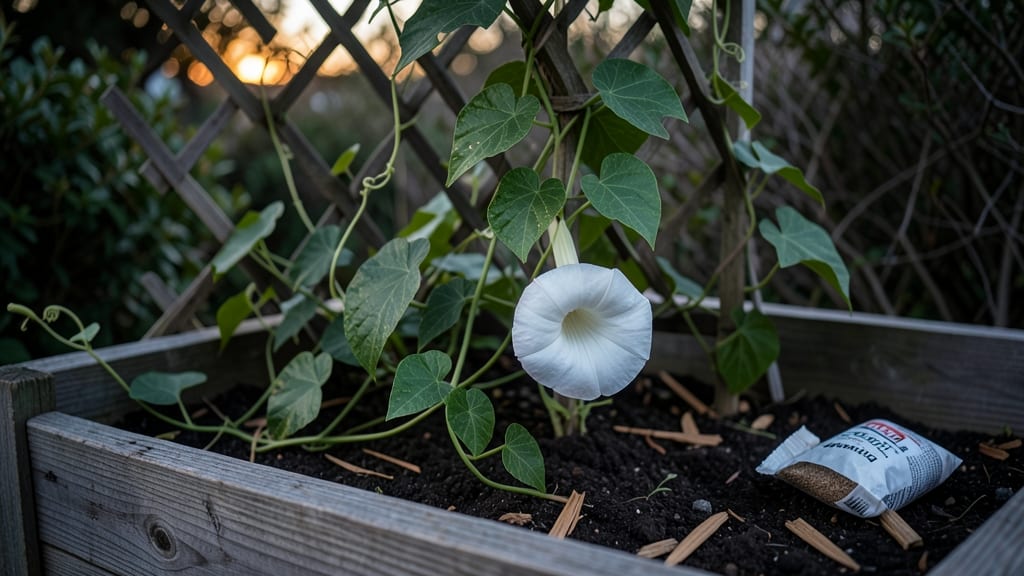
This moon flower leaf—thick, velvety, and heart-shaped—is the star behind those iconic white blooms, thriving in the Pacific Northwest once you master its care. 🌿 I’ve grown them for years here, and the difference between vibrant foliage and sad, yellowing leaves comes down to three things: soil that drains but holds moisture, a balance of sun and shade, and knowing when to prune without stressing the plant.
The first time I saw a moonflower vine covered in glossy new leaves by midsummer, I knew I’d cracked the code.
The secret isn’t complicated—just counterintuitive for our damp climate. Moonflowers hate soggy roots but love humidity, so well-draining soil mixed with compost is non-negotiable. A morning sun, afternoon shade spot works best in PNW’s mild summers, and mulching keeps roots cool.
Prune back leggy growth in early spring to encourage bushier, healthier leaves—just don’t cut into old wood, or you’ll stunt next year’s blooms. With the right care, those leaves stay deep green and waxy all season, even through our rainy stretches.
You’ll notice the difference within weeks: fewer brown edges, no mysterious holes from pests, and leaves that stay plump and vibrant instead of thin and weak. The key is staying ahead of issues—like powdery mildew in shady spots or aphids on new growth—by inspecting leaves weekly.
Once you hit that sweet spot, your moonflower won’t just survive the PNW’s wet winters; it’ll thrive, with leaves so lush they’ll make neighbors ask what your secret is.
Works for containers, trellises, or sprawling along fences—just adjust watering for the setup. Let’s get those leaves looking their best before the first blooms even appear.
📚 In This Guide
- What you need
- Instructions
- Tips and common mistakes
- Wrapping up and next steps
What you need
- ● Moon flower seeds – 5–10 seeds (organic, non-GMO preferred for best results).
- ● Well-draining potting mix – 2–3 gallons (look for a blend with perlite or coconut coir for aeration).
- ● Growing containers – 1–2 small pots (4–6 inches deep) for seedlings, or a garden bed with loose, fertile soil.
- ● Watering can or spray bottle – For gentle hydration (avoid soaking the soil).
- ○ Plant labels – To track growth stages (optional but helpful!).
- ● Garden trowel or small shovel – For transplanting seedlings.
- ○ Gloves (optional) – To protect hands from soil and thorns.
- ● Sunlight access – A spot with partial shade (4–6 hours of indirect light daily).
- ○ Mulch (optional) – 1–2 inches of straw or wood chips to retain moisture.
- ● Fertilizer (balanced, 10-10-10 or compost tea) – 1 application every 4–6 weeks during growing season.
Step-by-step instructions for cultivating moon flower leaves in the Pacific Northwest
Here's how to grow this striking perennial with minimal fuss—perfect for PNW climates.
🌱 Step 1: Select the Ideal Planting Location
Moon flower thrives in partial shade to full sun but handles PNW's cooler summers beautifully. Choose a spot with morning sun and afternoon shade—this balances heat tolerance while protecting delicate leaves from harsh afternoon rays. Test your site by observing how many hours of direct sun it gets daily; aim for 4-6 hours maximum during summer months.
Check soil drainage by digging a 6-inch deep hole and filling it with water. If it drains within 30 minutes, the area is ideal. If water pools after an hour, amend the soil with 2-3 inches of compost to improve drainage. Moon flower roots hate soggy conditions, which can lead to rot.
🌿 Step 2: Prepare Soil and Plant with Care
Mix the existing soil with 2-3 inches of organic matter (like compost or well-rotted manure) to create loose, fertile ground. Moon flower prefers slightly acidic to neutral soil (pH 6.0-7.0)—test your soil with a kit if unsure. If your PNW soil tends toward acidity, add a handful of garden lime per planting hole to balance it.
Dig a hole twice as wide as the root ball and just as deep. Gently remove the plant from its container, loosen any circling roots with your fingers, and place it in the hole so the top of the root ball sits level with the surrounding soil. This prevents water from pooling around the stem, which can cause disease.
💧 Step 3: Water Deeply and Establish a Routine
Water deeply right after planting—soak the soil until it’s 6 inches down, then let it dry slightly before watering again. Moon flower leaves are drought-tolerant once established, but young plants need consistent moisture for the first 4-6 weeks. You’ll know it’s time to water when the top 2 inches of soil feel dry to the touch.
In the PNW’s damp climate, avoid overhead watering, which can encourage fungal issues. Instead, use a soaker hose or drip irrigation placed at the base of the plant. Water in the early morning to allow foliage to dry before evening humidity sets in.
☀️ Step 4: Provide Support and Prune for Health
Moon flower vines can grow 6-10 feet tall, so install a trellis or sturdy support at planting time. Secure the main stem loosely with soft ties to guide growth upward—this prevents wind damage common in PNW gardens. Watch for new shoots emerging from the base; these are natural runners and can be redirected to fill gaps or shared with fellow gardeners.
Prune lightly in early spring to remove any dead or damaged leaves and shape the plant. Cut back overly leggy growth by one-third to encourage bushier foliage. Avoid heavy pruning in late summer, as new growth won’t have time to harden off before PNW’s cooler autumn.
⏰ Step 5: Overwinter and Protect for Next Season
Moon flower is hardy to USDA Zone 5, but PNW winters can still stress young plants. Once foliage dies back in late fall, cut stems down to 2-3 inches above the ground. Mulch heavily with 3-4 inches of straw or shredded leaves to insulate roots from freezing temperatures. Remove mulch in early spring as new growth appears.
Fertilize lightly in early spring with a balanced organic fertilizer (10-10-10) to support new growth. Avoid heavy feeding, as moon flower prefers leaner soil. Monitor for aphids or spider mites, which can thrive in PNW’s humid summers. Spray affected leaves with neem oil as needed to keep pests at bay.
Tips & tricks for perfect moon flower leaf cultivation
These practical insights will help you cultivate thriving moon flower leaves with minimal effort—especially in the PNW's unique climate.
Location Strategy: When selecting your planting spot, pay close attention to the 4-6 hours of morning sun guideline. The afternoon shade requirement is critical—harsh late-day sunlight can scorch delicate leaves. I've found that positioning near a north-facing wall or under a deciduous tree provides ideal conditions. In coastal PNW areas, even 5 hours of sun can work if you're near the ocean breeze, but inland sites should stick strictly to the 4-6 hour maximum.
Soil Preparation: The 2-3 inches of organic matter recommendation is non-negotiable for PNW gardeners. Local soils often contain high organic content naturally, so you might need less compost than the instructions suggest. Test your amended soil by squeezing a handful—it should crumble easily without sticking to your fingers. If it feels too dense, add another inch of compost. For acid-loving plants nearby, create a separate planting area to avoid pH conflicts.
Watering Wisdom: The 6 inches deep watering requirement might seem excessive, but it's essential for establishing strong roots. In the PNW's damp climate, you'll likely need to water less frequently than in drier regions. Use a moisture meter to verify when the top 2 inches are dry—this prevents both underwatering and overwatering. I've seen moon flowers thrive with watering every 5-7 days once established, depending on rainfall patterns.
Support System: Don't underestimate the importance of installing your trellis or support structure at planting time. The vines grow surprisingly quickly in PNW's mild summers, and without proper support, they'll flop dramatically. Use 3-4 sturdy stakes for each plant to create a triangular support system that can handle our region's frequent wind gusts. For particularly exposed sites, consider adding a windbreak barrier made from burlap or evergreen branches.
Pro Tips for Moon Flower Leaf
- These practical insights will help you cultivate thriving moon flower leaves with minimal effort—especially in the PNW's unique climate.
- Location Strategy: When selecting your planting spot, pay close attention to the 4-6 hours of morning sun guideline.
- Soil Preparation: The 2-3 inches of organic matter recommendation is non-negotiable for PNW gardeners.
Frequently asked questions
Got questions about growing moon flower leaves in the Pacific Northwest? You’re not alone! Here are some of the most common queries—and their answers—to help you cultivate this stunning perennial with confidence.
What’s the best time to plant moon flower leaves in the PNW?
Plant your moon flower leaves in early spring (March–April) or late summer (August–September). This gives roots time to establish before winter’s chill. Avoid planting in fall—tender roots may struggle with wet soil. For container growing, you can plant anytime the soil isn’t frozen!
How do I protect moon flower leaves from PNW rain and wind?
Moon flower leaves thrive in partial shade, which shields them from harsh winds. If planted in exposed areas, use a lightweight trellis or windbreak (like a lattice) to support vines. Mulch the base with 3–4 inches of organic matter (straw or wood chips) to retain moisture and insulate roots during rainy seasons.
How long does it take for moon flower leaves to grow and bloom?
Expect 60–90 days from planting to first blooms, depending on conditions. With proper care (sunlight, water, and soil), your moon flower will reward you with bi-monthly blooms from summer through early fall. Pro tip: Deadhead spent flowers to encourage more blooms!
Can I grow moon flower leaves in containers? What pot size do I need?
Use a 5-gallon pot or larger with drainage holes. Moon flower vines can sprawl 10+ feet, so opt for a tall, narrow container with a trellis. Ensure the pot has well-draining soil (mix potting soil with perlite) and place it where it gets morning sun + afternoon shade.
What pests should I watch for with moon flower leaves?
Keep an eye out for aphids, spider mites, and Japanese beetles, which love tender leaves. Spray infestations with neem oil or insecticidal soap. Prevention tip: Encourage ladybugs and lacewings by planting companion flowers like marigolds nearby. Healthy plants (with balanced water/nutrients) resist pests better!
How do I overwinter moon flower leaves in cold PNW winters?
Moon flower is hardy to USDA Zone 5, but young plants may need extra care. Cut back vines to 6 inches, mulch heavily (6+ inches), and wrap containers in burlap or bubble wrap for insulation. In extreme cold (<10°F), move potted plants to an unheated garage or shed.
Wrapping up and next steps
Growing moon flower leaf (Ipomoea alba) in the Pacific Northwest is a rewarding journey—whether you’re drawn to its silvery foliage, fragrant blooms, or low-maintenance charm.
With the right soil, sunlight, and a little patience, you can cultivate this stunning perennial that thrives in your region’s climate. Remember: prune regularly, protect from pests, and enjoy the beauty it brings to your garden year after year!
Ready to take the next step? Start by planting a few cuttings or seeds this season and watch your moon flower leaf transform your space into a serene, moonlit oasis. 🌙✨