
Lawn
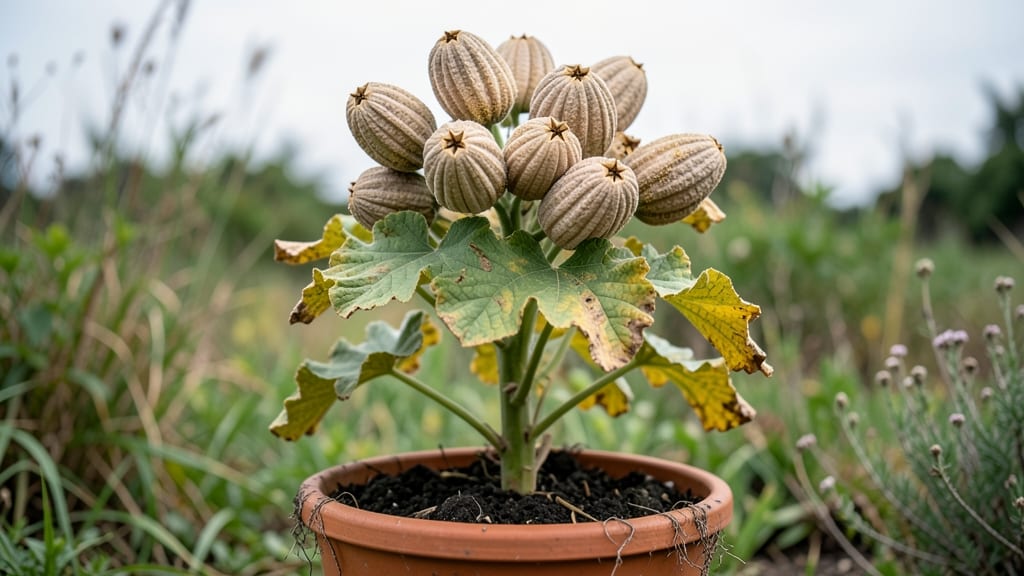
Moonflower datura seed pods are nature’s most dramatic gardening reward—spiky, lantern-like containers of the next generation’s toxic beauty. 🌿 I’ve harvested hundreds of them, and the key to success lies in timing: wait until the pods turn from green to a dry, papery brown before harvesting, or the seeds inside won’t germinate.
One wrong move and you’ll end up with a pile of worthless husks.
You’ll need basic tools—a pair of pruning shears, a paper bag for collecting pods, and thick gloves (the sap can irritate skin). Work on a dry day when the pods are fully mature but haven’t split open yet.
The process takes about 30 minutes per plant, and the payoff is a stash of seeds that’ll produce moonflowers blooming under moonlight for years to come.
Once dried, the pods split open on their own, revealing seeds that look like tiny black beans. Store them in an envelope labeled with the harvest year—these seeds stay viable for 3-5 years if kept dry.
Germination is easy: scatter them on top of soil in spring and water lightly. Within weeks, you’ll see the first signs of those signature trumpet-shaped blooms.
Climate matters here: in warm zones, pods ripen faster, while cooler areas may need extra time. And remember—every part of the plant is toxic, so keep it away from pets and kids. With the right care, your moonflower patch will become a mesmerizing nighttime spectacle that neighbors will envy.
📚 In This Guide
- What you need
- Instructions
- Tips and common mistakes
- Wrapping up and next steps
What you need
- ● Moonflower datura plants (Datura metel or Datura stramonium) – Ensure they’re healthy, mature, and producing seed pods.
- ● Sharp pruning shears or scissors – Sterilized to prevent disease spread (1 pair).
- ● Gloves (nitrile or garden gloves) – Thick, long-sleeved for handling toxic plants (1 pair).
- ● Brown paper bags or breathable mesh sacks – For collecting seed pods (2–5 bags, depending on yield).
- ● Newspaper or cardboard – To line drying trays (1–2 sheets).
- ● Small wooden sticks or toothpicks – For propping open pods (5–10 sticks).
- ● Air-tight glass jars or seed envelopes – For long-term seed storage (2–4 jars/envelopes).
- ● Hand lens or magnifying glass – To inspect seeds for viability.
- ○ Pruning sealant (optional) – For treating cuts on the plant post-pruning.
- ● Spray bottle with water – To lightly mist drying pods and prevent mold.
- ● Labeling tags and marker – To track seed varieties and harvest dates.
- ● Safety goggles – Extra protection if working near dusty or dry pods.
Step-by-Step guide to pruning and propagating moonflower datura
Here’s how to keep your datura thriving while collecting those iconic seed pods safely.
🌿 Step 1: Prune for Health and Shape
Start pruning when plants reach 12-18 inches tall—this encourages bushier growth and prevents leggy stems. Use clean, sharp pruning shears to cut just above leaf nodes (where new growth emerges). I always snip 1-2 inches above the leaf to avoid leaving stubs that invite disease.
Remove any yellowed or damaged leaves immediately—they sap energy from the plant. If a stem looks weak or diseased, cut it back completely to the main stem. Here’s the thing: datura grows fast, so prune every 2-3 weeks during peak summer growth to maintain shape and encourage more flowering.
✂️ Step 2: Harvest Seed Pods at Peak Ripeness
Moonflower seed pods turn from green to tan or brown when ready—this usually happens 8-10 weeks after flowering. Wait until they’re fully dry and slightly papery before harvesting. If you pick them too early, the seeds won’t be viable.
Gently twist the pods off the stem (they’ll release easily when ripe) and place them in a paper bag to dry completely. I like to leave them on a mesh screen in a dry, shaded spot for 1-2 weeks—this prevents mold while ensuring seeds mature fully. Never store them in plastic; moisture will ruin the seeds.
🌱 Step 3: Propagate from Seed or Cuttings
For seeds, sow them ¼ inch deep in well-draining soil (datura hates soggy roots). Keep the soil warm (70-75°F) and moist until germination, which takes 10-21 days. I’ve found that covering the tray with plastic wrap speeds up sprouting by trapping humidity.
For cuttings, take 4-6 inch tips from healthy stems in early summer. Dip the cut end in rooting hormone (optional but helpful) and plant in sandy soil. Keep the cuttings in bright, indirect light and mist daily until roots form (4-6 weeks). Real talk: datura cuttings root easily, but they’re finicky about overwatering—let the soil dry slightly between waterings.
☀️ Step 4: Position for Optimal Growth
Moonflowers need full sun (6+ hours daily) to thrive, but they tolerate partial shade in hot climates. If grown in containers, place them where they get morning sun and afternoon shade—this prevents leaf scorch. I’ve seen datura wilt dramatically in afternoon heat, so a little shade goes a long way.
If your plants look leggy or sparse, they’re not getting enough light. Move them closer to a south-facing window or supplement with a grow light for 12-14 hours daily. The goal is compact, bushy growth—not tall, weak stems that flop over.
Tips & tricks for perfect moonflower datura care
Keeping your moonflower datura thriving—and safely harvesting those iconic seed pods—requires a few key tricks I've learned the hard way.
Pruning Precision: When you're pruning every 2-3 weeks as recommended in Step 1, focus on removing just the top sets of leaves rather than cutting back entire stems. This maintains the plant's natural shape while encouraging new growth from those leaf nodes. I've found that using a small pair of scissors for delicate trimming prevents accidental damage to the main stems, which can weaken the plant over time.
Harvesting Hack: For those seed pods in Step 2, here's what nobody tells you—give them a gentle shake before twisting them off. If they rattle when shaken, they're ready for harvest. This simple test saves you from picking pods too early and ensures you get the most viable seeds. Place your paper bags in a warm, dry spot (around 75°F) to speed up the drying process while preventing mold.
Propagation Secrets: In Step 3, when starting seeds, I've had the best luck using a mix of coconut coir and perlite instead of regular potting soil. This improves drainage and prevents the soggy roots datura hates. For cuttings, take your 4-6 inch tips in the morning when the stems are most hydrated—this gives them the best chance to root successfully within those 4-6 weeks.
Lighting Solution: If your datura looks leggy despite getting full sun, try rotating your containers 180 degrees every few days. This ensures even growth toward the light source and prevents the plant from stretching toward one direction. For indoor growers, place your plants near a south-facing window during the 12-14 hours of grow light time mentioned in Step 4—this mimics natural sunlight patterns.
Pro Tips for Moonflower Datura Seed Pods
- Keeping your moonflower datura thriving—and safely harvesting those iconic seed pods—requires a few key tricks I've learned the hard way.
- Pruning Precision: When you're pruning every 2-3 weeks as recommended in Step 1, focus on removing just the top sets of leaves rather than cutting back entire stems.
- Harvesting Hack: For those seed pods in Step 2, here's what nobody tells you—give them a gentle shake before twisting them off.
Frequently asked questions
about moonflower datura seed pods—because safety, timing, and troubleshooting matter! Here’s what you really need to know before diving in.Are moonflower datura seed pods toxic to pets or kids?
Yes! All parts of moonflower datura (including seed pods) contain toxic alkaloids like scopolamine and atropine. Keep them out of reach of pets, children, and curious wildlife. If ingestion occurs, contact a vet or poison control immediately.
When is the best time to harvest moonflower datura seed pods?
Harvest pods when they turn brown and papery (usually late summer to fall). Wait until they’re fully dry but before they split open—this ensures maximum seed viability. Morning harvests work best when dew is light.
Can I grow moonflower datura from seed pods without buying seeds?
Clean seeds from mature pods, let them dry for 24 hours, then plant them ½ inch deep in well-draining soil. Germination takes 10–20 days in warm conditions (70°F+). Pro tip: Soak seeds overnight in warm water to speed up sprouting.
Why aren’t my moonflower datura seed pods forming?
Check these common issues:
- Lack of pollinators: Moonflowers rely on moths/bats. Hand-pollinate with a brush if needed.
- Over-fertilizing: Too much nitrogen = leafy growth, fewer flowers. Use a low-nitrogen fertilizer.
- Cool temps: Pods form best in warm climates (Zones 8–11) or with greenhouse support.
How do I store moonflower datura seeds for next season?
Store seeds in a cool, dry place (like a paper envelope in the fridge) for up to 2 years. Avoid plastic bags—moisture causes mold. Label them clearly (and remind yourself they’re toxic!).
Wrapping up and next steps
Moonflower datura seed pods may dazzle with their ethereal beauty, but handling them requires caution and care. Whether you’re pruning for safety, propagating new plants, or simply admiring their unique charm, remember to prioritize protection—gloves, long sleeves, and proper disposal are non-negotiable. 🌙✨
Now that you’re equipped with the knowledge, why not put it to use? Start by transforming your garden into a safer, more stunning space—one moonflower at a time! Share your progress with fellow gardeners or explore other low-maintenance yet striking plants to diversify your outdoor haven.