Shrubs
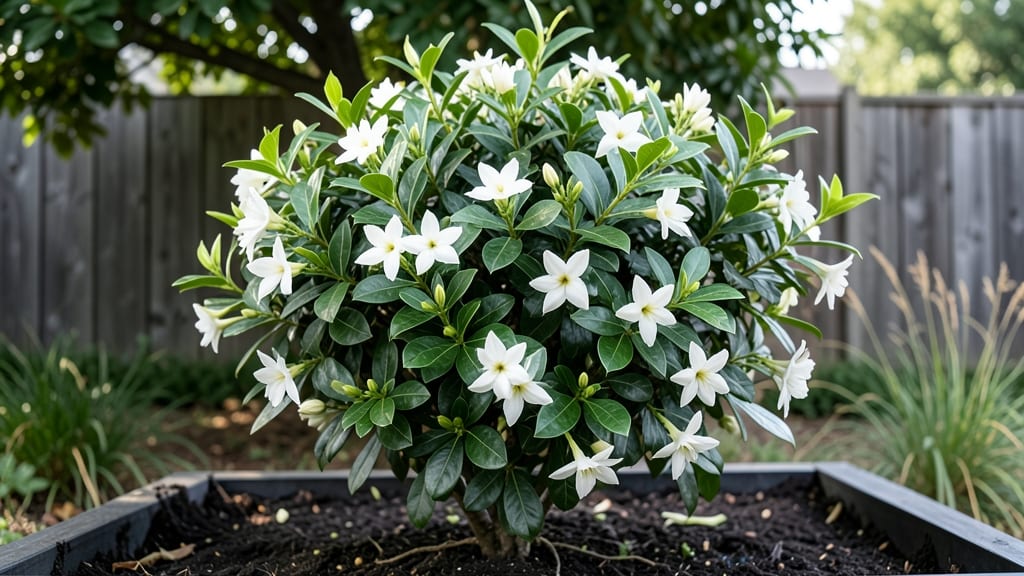
Night-flowering jasmine (Cestrum nocturnum) turns your garden into a moonlit perfume factory—its intoxicating scent kicks in after sunset, when most flowers have called it quits. 🌙 I’ve grown mine for years, and the first time I stepped outside at dusk to find the air thick with vanilla and jasmine, I was hooked.
This isn’t your typical daytime showstopper; it’s the plant that transforms night into magic.
The secret to its success lies in three simple needs: warm climates (or protected containers in cooler zones), well-draining soil, and a spot where it can sprawl—think trellises, fences, or even large pots.
It thrives in full sun to partial shade, and while it’s drought-tolerant once established, a little extra water during blooming season keeps those fragrant flowers coming. Propagation is a breeze too—just take cuttings in spring or summer, and you’ll have new plants rooting in weeks.
By summer’s end, you’ll be rewarded with clusters of star-shaped white blooms that open at dusk and stay fragrant until dawn. The scent isn’t just lovely—it’s a natural nighttime attractor for pollinators, turning your garden into a nocturnal hotspot.
Prune lightly after blooming to encourage bushier growth, and watch it rebound with even more vigor next season.
Even in colder regions, you can enjoy it by growing it in containers and bringing it indoors before frost. The key is patience—it takes a season or two to really establish itself, but once it does, you’ll never want to live without that moonlit perfume.
Ready to make your evenings unforgettable?
📚 In This Guide
- What you need
- Instructions
- Tips and common mistakes
- Wrapping up and next steps
What you need
- ● Night flowering jasmine plant: 1 healthy nursery-grown sapling (ensure it’s disease-free).
- ● Well-draining potting mix: 5–10 gallons (for containers) or amended garden soil (for in-ground planting). Mix with perlite or sand for aeration.
- ○ Container (optional but recommended for beginners): 1 large pot (12–18 inches in diameter) with drainage holes.
- ● OR a raised bed if planting outdoors.
- ● Fertilizer: Balanced, slow-release granular fertilizer (10-10-10) or organic compost (1 cup per plant).
- ● Gloves: 1 pair (to protect hands from thorns).
- ● Pruning shears: Sharp, sterilized pair for trimming.
- ● Watering can or hose: With a gentle spray nozzle for hydration.
- ○ Stakes or trellis (optional): 2–4 wooden stakes or a metal trellis (4–6 feet tall) to support climbing vines.
- ○ Mulch (optional): 2–3 inches of organic mulch (e.g., shredded bark) to retain moisture.
- ● Sunlight access: Full sun to partial shade (6+ hours of sunlight daily).
- ● Warm climate preference: Night jasmine thrives in USDA Zones 9–11. Use a greenhouse or bring indoors in colder regions.
Step-by-step instructions for cultivating night-blooming jasmine vines
Here's how to coax those intoxicating nighttime blossoms from your own backyard.
🌱 Step 1: Choose the Perfect Planting Spot
Night-blooming jasmine thrives in partial shade to full sun—but not the harsh afternoon sun of summer. Look for a location that gets morning sunlight and dappled shade in the afternoon, especially in hotter climates. A spot near a patio or bedroom window lets you enjoy the fragrance at night while protecting the plant from intense midday rays.
I always test a spot by observing how much sun it gets over a week. If leaves start curling or turning yellow, that's a sign it's getting too much direct sun. The ideal location will have 6-8 hours of light but with some afternoon relief. East-facing walls or areas under large trees work beautifully.
🪴 Step 2: Prepare the Soil and Plant
Night-blooming jasmine prefers well-draining, slightly acidic soil with a pH between 6.0 and 7.0. If your garden soil is heavy clay or alkaline, mix in 2-3 inches of compost and a handful of perlite to improve drainage and aeration. This helps prevent root rot, which is a common issue with these vines.
Dig a hole twice as wide as the root ball but only as deep. Place the plant so the top of the root ball sits level with the surrounding soil. Gently backfill with native soil mixed with compost, pressing lightly to remove air pockets. Water deeply right after planting to settle the soil around the roots.
☀️ Step 3: Train and Support the Vine
Night-blooming jasmine is a vigorous climber, so install a trellis, arbor, or fence within 6-12 inches of the planting site before you put the plant in. I use a 6-foot tall wooden trellis for mine, which gives the vine plenty of room to grow vertically. If you're planting near a structure, make sure the surface is sturdy—these vines can get quite heavy.
As the vine grows, gently weave the stems through the trellis or tie them loosely with soft plant ties every 6-8 inches. Avoid wrapping the ties too tightly, as the stems can become damaged. You'll see new growth emerge within 4-6 weeks, and that's when you'll want to start guiding it upward.
💧 Step 4: Water and Fertilize for Optimal Growth
Water deeply once a week during the first growing season, allowing the top 2 inches of soil to dry out between waterings. Overwatering is the fastest way to kill night-blooming jasmine, so always check the soil moisture before adding more water. In the second year, the plant will be more established and can tolerate slightly drier conditions.
Feed the plant with a balanced, slow-release fertilizer in early spring, just as new growth begins. I use a 10-10-10 fertilizer applied at half strength to avoid burning the roots. Stop fertilizing in late summer to encourage the plant to focus on blooming rather than leafy growth. You'll notice the most fragrant flowers appear in late summer to early fall.
✂️ Step 5: Prune and Maintain for Year-Round Blooms
Prune night-blooming jasmine right after flowering in late spring or early summer. Cut back any dead or damaged branches first, then trim the remaining stems by one-third to encourage bushier growth. This also helps the plant produce more flowers the following season. Always use clean, sharp pruners to make clean cuts just above a leaf node.
Remove any spent flowers as they fade to redirect the plant's energy into new blooms. I also like to give the vine a light trim in early spring to shape it and remove any crossing branches. With proper pruning, your night-blooming jasmine will reward you with fragrant, moonlit blooms for years to come.
Tips & tricks for perfect night flowering jasmine cultivation
These little-known details make all the difference when growing fragrant night-blooming jasmine that thrives year after year.
Location Testing: Before committing to a spot, observe how sunlight moves across your yard for a full week. The ideal location gets 6-8 hours of morning sun but with afternoon shade—this is crucial for preventing leaf burn while still providing enough light for flowering. I test spots by placing a white plate where the vine will go and marking sun shadows throughout the day.
Soil Prep Secret: Don't just amend the planting hole—mix 2-3 inches of compost into the surrounding soil too, creating a nutrient-rich zone that extends beyond the root ball. For clay-heavy soils, add perlite not just to the hole but throughout the planting area to prevent waterlogging. The goal is to create a well-aerated, slightly acidic environment (pH 6.0-7.0) that mimics the vine's natural habitat.
Support System: Install your trellis or support structure before planting—this prevents transplant shock from moving an established plant later. For heavy vines, use a 6-foot wooden trellis with wide slats (at least 4 inches apart) to accommodate the vine's rapid growth. I've seen jasmine vines reach 15 feet in a single season with proper support!
Watering Wisdom: The key to watering is consistency. During the first year, aim for once-weekly deep waterings that penetrate 6-8 inches into the soil. Use your finger to check moisture—if the top 2 inches feel dry, it's time to water. In hot climates, you might need to water every 5-6 days instead, especially during summer droughts.
Pro Tips for Night Flowering Jasmine
- These little-known details make all the difference when growing fragrant night-blooming jasmine that thrives year after year.
- Location Testing: Before committing to a spot, observe how sunlight moves across your yard for a full week.
- Soil Prep Secret: Don't just amend the planting hole—mix 2-3 inches of compost into the surrounding soil too, creating a nutrient-rich zone that extends beyond the root ball.
Frequently asked questions
Got questions about growing and enjoying your night flowering jasmine? Here are some common ones—and their answers—to help you nurture fragrant blooms that light up the night!
When is the best time to plant night flowering jasmine?
Plant your night flowering jasmine in early spring or fall when temperatures are mild (50–70°F). Avoid extreme heat or frost, as young plants are sensitive. If planting in containers, you can adjust timing slightly—just ensure it has 6+ hours of indirect light daily. Pro tip: Water deeply after planting to reduce transplant shock!
Why isn’t my night flowering jasmine blooming?
Night blooms thrive on warm nights and cool days—if temps stay above 80°F, flowers may skip opening. Prune leggy growth in late winter to encourage bushier, healthier vines. Also, check for pests (like spider mites) or over-fertilizing with nitrogen, which can delay blooms. Try this: A light application of phosphate-rich fertilizer in early spring can boost flowering!
Can night flowering jasmine grow in containers?
Use a large pot (15+ gallons) with drainage holes and a well-draining potting mix. Choose a fast-growing variety like Jasminum sambac for containers. Place it where vines can climb a trellis or cascade over the edge. Remember: Container plants dry out faster—water when the top inch of soil feels dry!
How do I keep pests away from my night flowering jasmine?
Common pests include aphids, spider mites, and whiteflies. Spray plants with neem oil or insecticidal soap for mild infestations. Encourage beneficial insects like ladybugs by planting marigolds nearby. Prune affected leaves immediately to prevent spread. Prevention tip: Keep your jasmine well-watered—stress attracts pests!
What’s a good alternative if I can’t grow night flowering jasmine?
If your climate is too harsh, try Arabian jasmine (Jasminum sambac) (day-blooming but fragrant) or night-scented stock (Matthiola longipetala) for evening fragrance. For climbers, cestrum (Cestrum nocturnum) also blooms at night and attracts pollinators. Bonus: Many of these thrive in similar conditions!
Wrapping up and next steps
Growing night flowering jasmine is a rewarding journey that fills your garden with intoxicating fragrance under the moonlight. 🌙 With the right care—sunlight, well-draining soil, and a little patience—you’ll soon enjoy its stunning blooms and sweet aroma.
Whether you’re a seasoned gardener or just starting, this fragrant vine is a fantastic addition to any outdoor space.
Ready to transform your garden? Start with a healthy plant and follow the steps above. Before you know it, your evenings will be alive with the magic of night-blooming jasmine! 🌸