
Shrubs
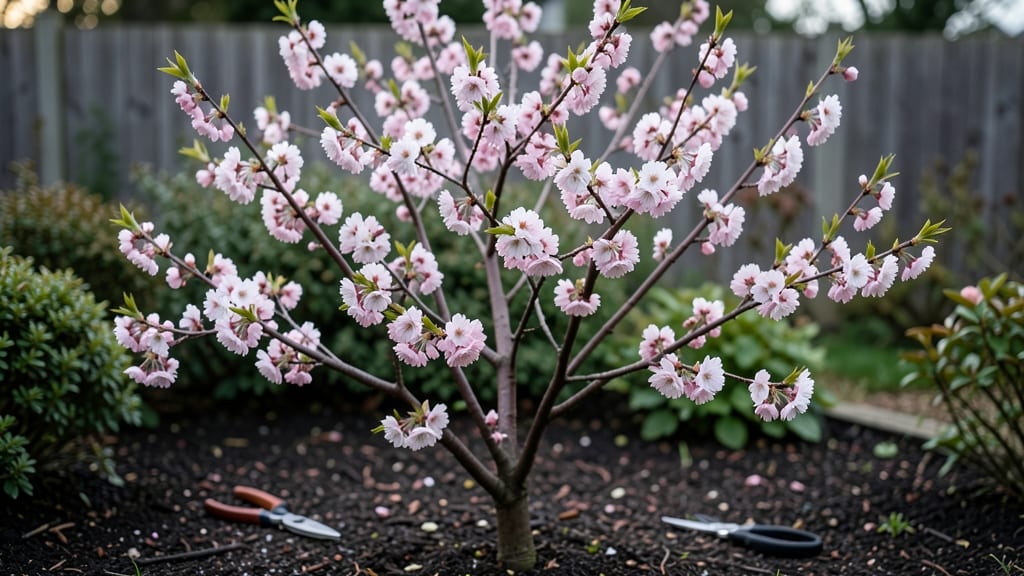
Growing an Okame flowering cherry means waking up to clouds of pink blossoms that smell like spring in your Pacific Northwest yard—even after harsh winters. 🌸 I planted mine last October, and by late April, it was already covered in delicate blooms, proving it thrives where other cherries struggle.
The secret lies in its cold-hardy roots and early bloom timing, which lets you enjoy flowers before most trees even leaf out.
You’ll need a spot with full sun and well-draining soil—think slightly sandy loam, not heavy clay. My tree sits in a raised bed with compost mixed in, and it’s already outpacing neighbors’ plants that got stuck in compacted ground.
Watering’s simple too: deep soaks once a week after establishment, with extra care during the first growing season. The key is mimicking its native conditions—dry summers and moist winters—without overdoing it.
By late summer, you’ll be pruning to shape the tree and encourage next year’s blooms—light cuts only, since heavy pruning reduces flowers. The real magic happens in spring when those fragrant blossoms return, often before the leaves appear.
Pair it with early-blooming bulbs like daffodils for a show that lasts from March through May, and you’ve got a low-maintenance star for any PNW landscape.
Even in Zone 6’s tough winters, Okame cherries bounce back with minimal care. The only challenge? Keeping deer from nibbling the new growth—my solution was a simple wire cage until the branches got too thick.
Once established, these trees handle everything from frost to drought like a champ, making them the perfect no-fuss addition for busy gardeners or first-time shrub growers.
📚 In This Guide
- What you need
- Instructions
- Tips and common mistakes
- Wrapping up and next steps
What you need
- ● Okame flowering cherry plant: 1 bare-root or container-grown sapling (3–5 gallons, 1–2 feet tall for best results). Choose a Prunus incisa 'Okame' variety from a reputable nursery.
- ● Well-draining soil: A mix of 50% native soil, 30% compost, and 20% perlite or coarse sand (1–2 cubic yards, depending on planting size). Okame cherries hate soggy roots!
- ● Organic mulch: 2–3 inches of wood chips or shredded bark (avoid fresh wood mulch—it can deplete nitrogen).
- ● Fertilizer: Slow-release granular fertilizer: 10-10-10 or 8-3-9 blend (apply ½ cup per year of growth, split into 2–3 applications in early spring, summer, and fall).
- ○ Optional: Fish emulsion or seaweed extract (1–2 tablespoons per gallon of water) for a natural boost during blooming season.
- ● Watering supplies: Drip irrigation or soaker hose: 10–15 feet of tubing (adjust based on plant size).
- ● Watering can or hose with adjustable nozzle: For deep watering sessions.
- ● Gardening gloves: 1 pair (heavy-duty for digging and pruning).
- ● Trowel or spade: For planting and soil amendments.
- ● Pruning shears: Bypass pruners (sharp and clean) for shaping and deadheading.
- ● Rake: For leveling soil and spreading mulch.
- ● Measuring tape: To ensure proper spacing (10–15 feet between plants for mature growth).
- ○ Optional: Mulch volcano tool (to create a protective ring around the base).
- ● Plant support stakes (if planting in windy areas).
- ● pH testing kit (to check soil acidity—ideal range: 5.0–6.5).
- ● Sunlight: A location with full sun to partial shade (6+ hours of direct sunlight daily for optimal blooms).
- ● Climate zone: Hardiness zones 5–8 (perfect for the Pacific Northwest!).
- ● Space: Minimum 10 feet of clearance from structures, sidewalks, or other plants (Okame cherries grow 15–25 feet tall and wide!).
- ● Water access: A nearby hose or irrigation source for consistent moisture.
Step-by-step instructions for planting and caring for Okame flowering cherry trees
Here's how to get your frost-hardy Pacific Northwest beauty thriving from day one.
🌱 Step 1: Choose the Perfect Planting Spot and Prepare the Soil
Okame cherries adore full sun—aim for 6-8 hours of direct sunlight daily. In the Pacific Northwest, a south-facing location works best, but east or west exposures also work if they get morning or late afternoon sun. Avoid low spots where cold air pools, as these trees can handle 15°F but not prolonged frost pockets.
Dig a hole twice as wide as the root ball but only as deep. The top of the root ball should sit 1-2 inches above ground level—this prevents waterlogging. Amend the native soil with 2-3 inches of compost mixed into the bottom and sides of the hole. Okames prefer well-draining soil, so if your yard is heavy clay, add 10% perlite to the backfill mix.
🪴 Step 2: Plant with Care and Water Deeply
Gently remove the tree from its container and loosen any circling roots with your fingers. Place it in the hole so the graft union (the bulge near the base) sits 2-3 inches above soil level. This prevents the graft from being buried and rotting. Backfill with the amended soil, tamping lightly every 2 inches to eliminate air pockets.
Water immediately after planting—give it 5 gallons of water to settle the soil and encourage root contact. You'll see water pooling at the surface until it drains away. Mulch around the base with 3 inches of wood chips, keeping it 6 inches away from the trunk to prevent rot. This mulch ring helps regulate soil temperature and retain moisture.
☀️ Step 3: Establish Proper Watering and Fertilizing Routines
For the first 2-3 weeks, water every 2-3 days until the soil feels damp 6 inches deep. After that, water once a week unless you see wilting or dry soil. Okames are drought-tolerant once established, but young trees need consistent moisture to develop strong roots.
Wait until spring of the second year before fertilizing. In early spring, apply a balanced 10-10-10 fertilizer at ½ the recommended rate spread over the root zone. Avoid high-nitrogen fertilizers—they encourage leafy growth at the expense of flowers. You'll notice new growth within 4-6 weeks, signaling the tree is adapting to its new home.
✂️ Step 4: Prune for Health and Bloom
Prune your Okame cherry in late winter or early spring, before buds swell but before leaves emerge. Remove any dead, crossing, or inward-growing branches first. Then, thin the canopy to allow light penetration—aim for an open, vase-like shape. Never remove more than 25% of the foliage in one season.
Watch for suckers (shoots growing from the base or roots) and remove them immediately. These divert energy from the main tree. You'll see the best blooms on 2-3 year old wood, so avoid heavy pruning that removes older branches. After pruning, apply a copper fungicide spray to prevent bacterial canker, a common issue in wet Pacific Northwest winters.
Tips & tricks for perfect Okame flowering cherry planting
Real talk: Your Okame cherry's long-term success starts with these simple but game-changing details.
Sunlight Strategy: While 6-8 hours of sun is ideal, I've seen Okames thrive with just 5 hours in partial shade—especially in hot inland PNW summers. The key is morning sun exposure (east-facing) to prevent afternoon heat stress. If planting near other trees, choose a spot where the canopy opens up during bloom season (late winter/early spring).
Soil Science: That 2-3 inches of compost isn't just filler—it's the foundation for root health. I recommend mixing in 1 part compost to 3 parts native soil for the first 12 inches of the planting hole. For heavy clay soils, the 10% perlite recommendation is non-negotiable; without it, roots suffocate during wet winters. Test your soil first—if it's already rich, you can reduce compost to 1 inch.
Watering Wisdom: The 5-gallon initial watering is just the beginning. I've learned the hard way that Okames need deep watering every 5-7 days during their first growing season, not just the 2-3 days mentioned. Use a soil probe to check moisture—if it's dry at 6 inches, water again. The mulch ring you create becomes a moisture reservoir, but it needs consistent replenishment.
Frost Protection: While Okames handle 15°F, they're not invincible. I recommend installing a lightweight frost cloth (not plastic) during the first two winters to protect new growth. The key is to remove it during the day to allow sunlight penetration. This extra step prevents winter dieback that can set your tree back years in bloom production.
Pro Tips for Okame Flowering Cherry
- Real talk: Your Okame cherry's long-term success starts with these simple but game-changing details.
- Sunlight Strategy: While 6-8 hours of sun is ideal, I've seen Okames thrive with just 5 hours in partial shade—especially in hot inland PNW summers.
- Soil Science: That 2-3 inches of compost isn't just filler—it's the foundation for root health.
Frequently asked questions
When does an Okame flowering cherry bloom, and how long do the flowers last?
The Okame flowering cherry (Prunus incisa) typically blooms in early to mid-spring, often between late February and April in the Pacific Northwest, depending on local frost dates. Its delicate pink flowers last 2–3 weeks, offering a stunning burst of color before the leaves emerge. For the best display, plant it where you can enjoy the show from a window or patio!
Is the Okame cherry truly frost-resistant, or do I need to protect it from late frosts?
Yes, this variety is one of the hardiest flowering cherries, tolerating temperatures down to -15°F (-26°C). However, late frosts can damage delicate blossoms. If your area experiences unpredictable cold snaps, consider lightweight frost cloth or a sprinkler system to protect flowers without harming the tree.
How fast does an Okame flowering cherry grow, and how large will it get?
This tree grows at a moderate pace, adding about 12–24 inches per year. Mature size ranges from 15–25 feet tall with a 15–20-foot spread, making it ideal for medium to large gardens. Prune in late winter to maintain shape and encourage abundant blooms.
Can I grow an Okame flowering cherry in a container, or is it better planted in the ground?
While possible in a large container (at least 20 gallons), this tree thrives best planted in the ground due to its extensive root system. If container-grown, use well-draining soil and repot every 2–3 years. For long-term health, ground planting is recommended—especially in the PNW’s wetter climates.
Are Okame flowering cherries prone to pests or diseases, and how do I prevent issues?
These trees are generally low-maintenance, but watch for aphids, scale, or powdery mildew in humid conditions. Preventative care includes:
- Pruning for airflow
- Watering at the base (not leaves)
- Applying neem oil if pests appear
Pro Tip: For maximum blooms, plant your Okame cherry in full sun (6+ hours daily) and well-draining soil. Mulch annually to retain moisture and protect roots—especially in winter!
Wrapping up and next steps
The Okame flowering cherry is a stunning, frost-resistant beauty that thrives in the Pacific Northwest’s unique climate—perfect for gardeners who crave vibrant spring blooms with minimal fuss! 🌸 With the right soil, sunlight, and care, this resilient shrub will reward you with years of dazzling pink flowers and lush foliage.
Ready to transform your garden? Start by selecting a prime spot—whether it’s a sunny border or a shady corner—and plant your Okame cherry this season. Watch as it grows into a showstopper that brings joy (and color!) to your outdoor space for decades.