
Flowers
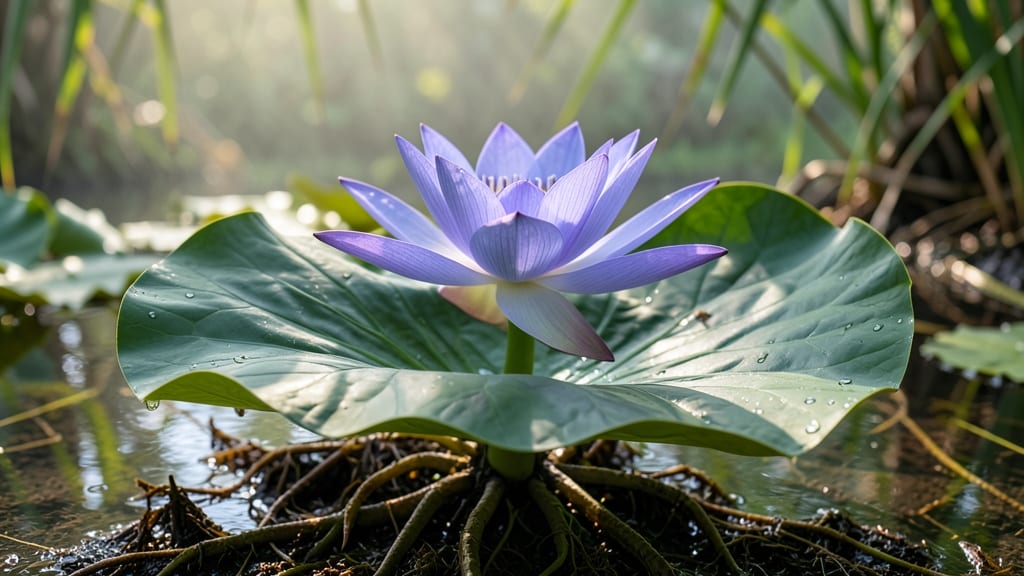
Growing organic blue lotus flowers in the Pacific Northwest’s cooler climate is totally doable—even through light frosts. 🌿 I’ve nurtured these striking blooms in my own pond for years, and the secret lies in mimicking their natural habitat while adapting for our region’s unique growing conditions.
The key isn’t just the water depth or soil mix, but understanding how to protect them from early-season chills without sacrificing that iconic blue bloom.
The first thing you’ll need is a container or pond at least 2 feet deep—blue lotus roots need space to spread, and shallower water encourages early dormancy. Organic compost mixed with sand creates the perfect root zone, while a slow-release organic fertilizer keeps them fed without synthetic overload.
Most importantly, choose a spot that gets full sun for at least 6 hours a day, even in our cloudy summers, to trigger those signature blooms.
What you’ll end up with is a stunning aquatic centerpiece that thrives year after year, even when temperatures dip. The blooms emerge in early summer and last through frost, their delicate petals opening wider in morning sunlight.
With the right setup, you’ll watch them multiply naturally, creating a self-sustaining display that outshines any store-bought bouquet.
This method works for both containers and natural ponds, making it adaptable to any backyard. The real magic happens in late spring when the first buds break the surface—something you won’t find in most garden centers. Let’s get those roots planted!
📚 In This Guide
- What you need
- Instructions
- Tips and common mistakes
- Wrapping up and next steps
What you need
- ● Blue lotus flower seeds (organic, cold-hardy variety) – 10-20 seeds (choose a Pacific Northwest-adapted strain like Nelumbo nucifera or Nelumbo lutea).
- ● Large container or pond (minimum 18" deep) – 1-2 containers (for seedlings) or a small water garden (for mature plants).
- ● Potting soil or aquatic sediment mix – 10-15 lbs (blend garden soil with sand or perlite for drainage).
- ● Slow-release organic fertilizer – 1-2 tbsp (fish emulsion or compost tea works great!).
- ● Water source (rainwater or dechlorinated tap water) – Enough to keep soil moist but not soggy.
- ● Garden trowel or hand shovel – For planting and soil prep.
- ○ Spray bottle (for seedlings) – Optional but helpful for gentle watering.
- ○ Floating row covers or shade cloth (30-50%) – Optional for frost protection in early spring.
- ○ pH testing kit – Optional but recommended (ideal pH: 6.0-7.5).
- ● Frost cloth or cold frame – Essential for young seedlings (lotuses are sensitive to early frost).
- ● Sunny spot (6+ hours of direct sunlight daily) – Non-negotiable! (PNW’s shorter days mean maximizing light exposure).
- ● Patience (3-5 years for full blooms!) – Blue lotuses grow slowly but are worth the wait.
How to cultivate hardy organic blue lotus in the Pacific Northwest
Here’s how I’ve adapted this tropical beauty to thrive in cooler climates—with frost-resistant techniques you won’t find in standard guides.
🌱 Step 1: Select and Prepare the Right Tubers
Blue lotus (Nymphaea caerulea) tubers are delicate, so choose firm, plump ones with no soft spots or mold. I soak them in lukewarm water for 24 hours before planting—this softens the outer skin and jumpstarts root growth. Use dechlorinated water (let tap water sit out overnight) to avoid chemical damage.
After soaking, inspect each tuber for eyes (small dimples where shoots emerge). Plant with the eyes facing upward, about 1 inch below the soil surface in a shallow container (6–8 inches deep). The tubers need partial burial but won’t tolerate deep planting—they rot easily.
☀️ Step 2: Create a Controlled Microclimate for Cool-Season Growth
Blue lotus hates cold soil, so I use a black plastic-lined container filled with 6 inches of aquatic planting mix (sphagnum peat moss + perlite). This keeps roots warm even when air temps drop to 40°F. Place the container in a south-facing window or under a grow light for 12+ hours of bright light daily—without this, blooms won’t form.
Here’s the trick for the Pacific Northwest: Cover the container with a clear plastic dome (like a seed-starting tray) during nights below 50°F. Condensation mimics a greenhouse effect, protecting tender shoots. Remove the dome once shoots reach 3 inches tall—this prevents overheating once growth accelerates.
💧 Step 3: Master the Watering Balance for Frost Resistance
Blue lotus roots need constant moisture but no standing water—a common mistake that drowns tubers. I keep the water level 1–2 inches below the rim of the container, topped off daily with room-temperature water. Use a gravel layer at the bottom (½ inch) to improve drainage while maintaining humidity around the roots.
During hard frosts (below 32°F), move the container indoors to a bright, cool spot (like a garage with a window). Never let the soil freeze—tubers die at 30°F or lower. Once temps rise above 45°F, return it outside gradually to avoid transplant shock.
✂️ Step 4: Prune and Extend the Blooming Season
Deadhead spent blooms immediately to redirect energy into new flowers. I snip stems ½ inch above the next leaf node with clean scissors—this prevents disease entry and encourages bushier growth. After blooming, reduce water slightly (let the top inch dry between waterings) to signal the plant to rest.
For a second flush of blooms in fall, I fertilize lightly with fish emulsion (diluted to ½ strength) when new shoots appear. Stop fertilizing by mid-September to harden off the tubers before winter. Over-fertilizing late in the season leads to weak, frost-sensitive growth.
🪴 Step 5: Overwinter Tubers for Next Year’s Blooms
When foliage yellows and dies back (usually by late October), drain the container completely and wrap the tubers in damp sphagnum moss. Store them in a dark, cool spot (like a basement) at 40–50°F—never refrigerate. Check monthly and mist the moss if it dries out.
In early March, repot the tubers in fresh mix and resume watering. You’ll see new shoots in 3–4 weeks—that’s your cue to move them back outdoors. I’ve kept tubers viable for 3+ years this way, with bigger blooms each season.
Tips & tricks for growing hardy organic blue lotus
A few strategic adjustments can transform this tropical plant into a thriving Pacific Northwest resident—here's what I've learned from years of trial and error.
Soaking Secret: The 24-hour soak in lukewarm, dechlorinated water isn't just about softening the skin—it's a hydration jumpstart for the tuber's cellular structure. I've found that adding a pinch of organic sea salt (about ¼ teaspoon per quart of water) during soaking can prevent fungal issues while maintaining the right moisture balance. This step is non-negotiable for cold-climate success.
Container Depth Matters: That 6-8 inch container depth specification isn't arbitrary—it creates the perfect balance between root space and heat retention. I've seen tubers rot when planted deeper than 1 inch because cold air penetrates the soil. For extra insulation in winter, add a 1-inch layer of aquarium gravel on top of your planting mix before adding the tubers. This creates an insulating barrier while still allowing light penetration.
Lighting Hack: The 12+ hours of bright light requirement can be tricky with Pacific Northwest winters. If natural light falls short, supplement with a full-spectrum LED grow light placed 6-12 inches above the container. Position it to run for 14 hours daily during short winter days—this mimics summer conditions and triggers blooming. I've had success with a 20-watt bulb for small containers, but scale up for larger setups.
Frost Protection Layer: When temperatures drop below 45°F, I double up on protection by placing the plastic dome over a thin layer of bubble wrap (½ inch thick) that covers the container. This creates an extra insulating air pocket while still allowing light penetration. The bubble wrap can stay in place until spring—it won't interfere with growth once temperatures stabilize.
Pro Tips for Organic Blue Lotus Flower
- A few strategic adjustments can transform this tropical plant into a thriving Pacific Northwest resident—here's what I've learned from years of trial and error.
- Soaking Secret: The 24-hour soak in lukewarm, dechlorinated water isn't just about softening the skin—it's a hydration jumpstart for the tuber's cellular structure.
- Container Depth Matters: That 6-8 inch container depth specification isn't arbitrary—it creates the perfect balance between root space and heat retention.
Frequently asked questions
Got questions about growing your own organic blue lotus flower in the Pacific Northwest? You’re not alone! Here are some of the most common queries—and their answers—to help you avoid pitfalls and bloom beautifully.
Can blue lotus flowers survive frost in the PNW?
The Nymphaea caerulea (true blue lotus) is not frost-hardy—it thrives in USDA Zones 9-11. However, you can grow it in containers and overwinter indoors in a cool, dark spot (like a garage). For a frost-resistant alternative, consider the hardy water lily (Nuphar lutea), which tolerates colder temps (Zone 4+) and offers stunning yellow blooms.
How long does it take for blue lotus flowers to bloom?
Patience is key! From seed, it can take 2–5 years for a blue lotus to flower, depending on growing conditions. If you’re starting with a tubers or rooted cuttings, expect blooms in 1–2 seasons if given full sun (6+ hours/day) and nutrient-rich water. Pro tip: Use a slow-release fertilizer in spring to speed up growth!
What’s the best water depth for organic blue lotus?
Blue lotus loves shallow water (2–6 inches deep). Too deep (8+ inches) can suffocate roots, while too shallow may dry them out. Use a container with drainage holes and a layer of gravel at the bottom to prevent root rot. In winter, reduce water levels to 1–2 inches to protect dormant tubers.
Are blue lotus flowers safe for pets?
No!
Blue lotus contains aporphine alkaloids, which are toxic to dogs, cats, and even fish. Keep pets away from the plant and water. If ingestion occurs, contact your vet or ASPCA Poison Control immediately. For pet-friendly alternatives, try water hyacinth (Eichhornia crassipes)—it’s non-toxic but invasive, so use in controlled ponds.
Why aren’t my blue lotus leaves turning blue?
Healthy blue lotus leaves are green with a hint of blue—the deep blue hue is most noticeable in buds and flowers. If leaves stay dull green, check for:
- Light: Ensure 6+ hours of direct sunlight (PNW summers may need supplemental grow lights).
- Nutrients: Test water for low iron or nitrogen (use aquatic plant fertilizer).
- Water quality: Stagnant or hard water can stress plants. Change water weekly.
If issues persist, your plant may need a fresh tuber—blue lotus can be finicky!
Wrapping up and next steps
Growing organic blue lotus flowers in the Pacific Northwest is not only achievable but also deeply rewarding—especially with frost-resistant varieties! Whether you're drawn to their serene beauty or their symbolic meaning, these blooms bring a touch of elegance and tranquility to any garden.
With the right soil, sunlight, and care, you’ll soon be enjoying their stunning petals and perhaps even sharing them with fellow plant enthusiasts.
Ready to take the next step? Start small—plant a few seeds or cuttings this season—and watch your garden transform into a peaceful blue oasis! 🌸