Flowers
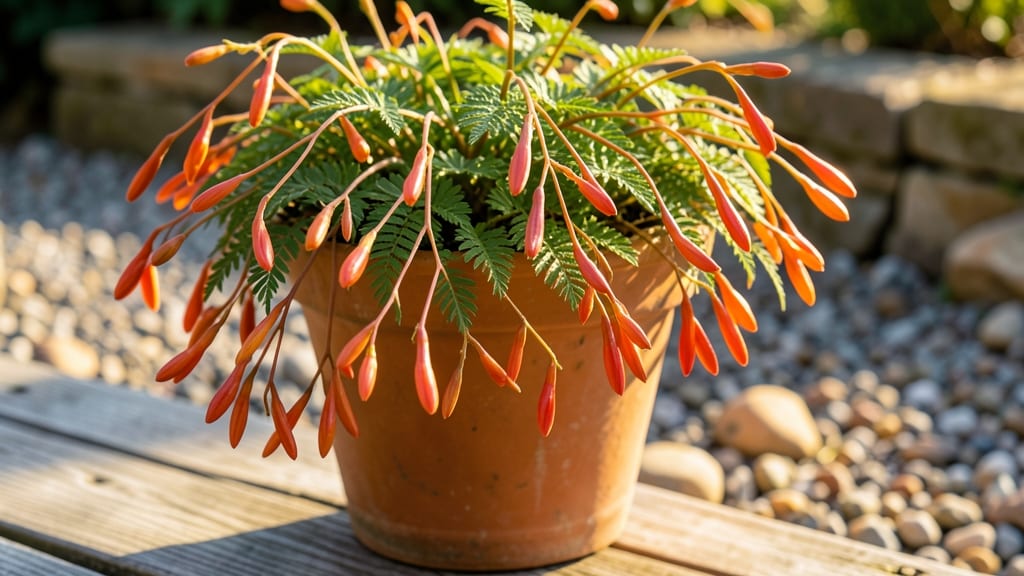
Growing parrot's beak flowers delivers vibrant vertical drama that turns any garden into a showstopper. 🌿 These striking blooms—with their unique curved shapes and bold colors—thrive where others falter, making them perfect for gardeners who want impact without fuss.
My first batch surprised me by blooming twice in a single season, proving they’re tougher than they look.
The secret lies in their love of well-draining soil and full sun, plus a little winter protection in colder zones. You’ll need a sturdy trellis or fence since their vines can climb 8-10 feet, creating a living curtain of color.
Watering is simple: keep the soil moist but never soggy, and prune spent blooms to encourage more flowers.
By midsummer, you’ll have foot-long spikes of parrot-like blooms in shades of red, orange, or pink, depending on the variety. These flowers attract hummingbirds and add year-round interest—even the seed pods are decorative. The best part? They’re drought-tolerant once established, so maintenance stays light.
Whether you’re planting in containers for a balcony or training them along a pergola, these flowers deliver high-impact results with minimal effort. Let’s get yours growing strong—your garden’s vertical transformation starts here.
📚 In This Guide
- What you need
- Instructions
- Tips and common mistakes
- Wrapping up and next steps
What you need
- ● Seeds or young plants: 3–5 Parrot's Beak Flower seeds (or 1–2 nursery-grown plants for faster results). Choose organic or heirloom seeds if possible!
- ● Well-draining potting mix: 1–2 bags (10–20 lbs) of high-quality cactus/succulent mix or a blend of 60% potting soil + 40% perlite/pumice.
- ● Containers or garden space: Containers: 5–7-inch pots (for seedlings) or 12+ inch pots (for mature plants). Use terracotta or fabric pots for better drainage.
- ● Garden beds: Full sun (6+ hours/day) with loose, rocky soil. Amend clay soil with compost and grit.
- ● Gravel or pebbles: 1–2 lbs for drainage layers (¼ inch deep at the bottom of pots).
- ● Slow-release fertilizer: 1 packet (10–12 oz) of balanced 10-10-10 or low-nitrogen fertilizer (e.g., for succulents).
- ● Basic gardening tools: Trowel or small shovel
- ● Pruning shears (for trimming dead blooms)
- ● Spray bottle (for misting seedlings)
- ○ Optional (but helpful!): Grow lights (for indoor seedlings)
- ● Trellis or vertical garden frame (to encourage upward growth)
- ● pH tester (ideal soil pH: 6.0–7.0)
- ● Mulch (gravel or pebbles to retain moisture)
Step-by-step guide for cultivating parrot's beak flowers
Here's how to coax those vibrant, cascading blooms into your garden—no matter the season.
🌱 Step 1: Select the Perfect Planting Site
Parrot's beak (Lotus berthelotii) thrives in partial shade to full sun, but the key is morning sun and afternoon shade—especially in warmer climates. I always choose a spot with dappled light where leaves stay cool but get enough brightness to fuel those dramatic flower spikes. A north-facing wall or the eastern edge of a patio works beautifully.
Check your site's moisture retention by digging down 6 inches—if the soil stays damp for more than a day after rain, amend it with 1 part perlite to 3 parts soil to improve drainage. Parrot's beak despises soggy roots, which can lead to root rot and lost blooms. Test the soil pH too; aim for 6.0-7.0—neutral to slightly acidic. If your soil runs alkaline, add a handful of sulfur per square foot and mix it in.
🪴 Step 2: Plant with Proper Spacing and Support
For 4 plants, space them 18-24 inches apart in well-draining soil. Dig a hole twice as wide as the root ball but only as deep—burying too deep suffocates the plant. Gently loosen the roots if they're circling and place the plant so the crown sits just above soil level. This prevents water from pooling around the stem.
Install 3-foot tall trellises or obelisks immediately—parrot's beak flowers are vining climbers that need vertical support to showcase their best. I use coconut fiber twine to loosely tie the stems as they grow, adjusting as the vines thicken. Avoid tight binding; the stems should have room to breathe. Mulch around the base with 2 inches of organic mulch (like shredded bark) to retain moisture and suppress weeds.
☀️ Step 3: Water and Fertilize for Continuous Blooms
Water deeply once a week in the first month, then every 5-7 days once established—adjust based on rainfall. The soil should feel dry 1-2 inches down before watering again. Overwatering causes the leaves to yellow, while underwatering makes them crisp. I use a soaker hose to deliver moisture directly to the roots without wetting the foliage, which reduces fungal risks.
Feed with a balanced liquid fertilizer (10-10-10) every 4-6 weeks during the growing season (spring through fall). When you see the first flower buds forming, switch to a low-phosphorus fertilizer (5-10-10) to encourage more blooms over foliage. Deadhead spent flowers by pinching them off just above the next set of leaves—this redirects the plant’s energy into producing fresh blooms instead of seed pods.
✂️ Step 4: Prune and Train for Longer Blooming Seasons
Prune back leggy stems in early spring to encourage bushier growth. Cut just above a set of leaves or a bud, using clean, sharp shears. This step is crucial for compact plants that produce more flowers. If your parrot's beak starts to look woody or overgrown by mid-summer, give it a light trim to rejuvenate. Never cut more than one-third of the plant at once—this can stress the roots.
Train new growth along the trellis by gently weaving the vines through the supports. If a vine strays too far, tie it loosely to keep it growing upward. In late fall, after the first frost, cut back all stems to 6 inches above the ground. This encourages fresh, vigorous growth in spring. Parrot's beak is surprisingly cold-hardy—it can survive down to 10°F with proper mulching, making it a year-round performer in many climates.
Tips & tricks for perfect parrot's beak flower cultivation
Here's what I've learned over years of growing these stunning vertical bloomers—tricks that'll help you avoid common pitfalls and get the most dramatic display possible.
Soil Preparation Secret: Before planting, mix in 1 part perlite to 3 parts soil if your native soil drains poorly. I've seen soggy roots kill plants within weeks—parrot's beak flowers need that perfect balance of moisture retention and drainage. Test your soil's pH with a simple kit; if it's above 7.0, add a handful of sulfur per square foot and mix thoroughly. The right pH prevents nutrient deficiencies that cause weak stems and sparse blooms.
Support System Strategy: Install those 3-foot trellises or obelisks immediately after planting—don't wait until vines appear. I've watched plants struggle to climb when their supports arrive late, leading to tangled growth and broken stems. Use coconut fiber twine because it's gentle on the vines and allows them to thicken naturally. The key is loose tying—vines should have room to breathe as they grow.
Watering Wisdom: The 5-7 day watering schedule works best when you check soil moisture before watering. Stick your finger 1-2 inches down—if it feels dry, water deeply until moisture reaches 6 inches down. I've learned the hard way that surface watering leads to shallow roots. Use a soaker hose to deliver water directly to the roots without wetting foliage, which prevents fungal diseases that can ruin your plants.
Pruning Precision: When pruning in early spring, cut just above a set of leaves or a bud—never cut into old wood. I've made the mistake of cutting too close to old growth, which left my plants looking bare for weeks. For the late fall pruning, cut back to 6 inches above ground level to encourage fresh growth in spring. This dramatic cut might seem scary, but it's what gives these plants their vigorous second season.
Pro Tips for Parrot'S Beak Flower
- Here's what I've learned over years of growing these stunning vertical bloomers—tricks that'll help you avoid common pitfalls and get the most dramatic display possible.
- Soil Preparation Secret: Before planting, mix in 1 part perlite to 3 parts soil if your native soil drains poorly.
- Support System Strategy: Install those 3-foot trellises or obelisks immediately after planting—don't wait until vines appear.
Frequently asked questions
Got questions about growing parrot's beak flowers? You're not alone! Here are some of the most common queries—plus straightforward answers to help you cultivate these stunning vertical blooms with confidence.
How long does it take for parrot's beak flowers to bloom after planting?
With proper care, you can expect Lotus berthelotii (the most popular parrot's beak variety) to produce its first blooms 6–12 months after planting. Young plants may take longer, but well-established ones often reward patience with vibrant flowers year-round in mild climates. Pro tip: Prune spent blooms to encourage continuous flowering!
Do parrot's beak flowers need full sun, or can they grow in partial shade?
While they thrive in full sun (6+ hours daily), parrot's beak flowers tolerate partial shade (4–6 hours), especially in hotter climates. In shadier spots, expect slower growth and fewer blooms. If growing indoors, place near a south- or west-facing window for optimal light. Watch out: Leggy growth is a sign of insufficient light!
Can I grow parrot's beak flowers in containers, or do they need a garden bed?
These plants adapt well to containers—just use pots at least 12 inches deep with drainage holes. Choose a well-draining potting mix (like a cactus/succulent blend) to prevent root rot. Bonus: Container growing makes them perfect for patios, balconies, or even as striking houseplants in bright rooms!
How do I protect parrot's beak flowers from frost or cold weather?
Native to USDA zones 9–11, parrot's beak flowers are not frost-tolerant. If temperatures drop below 30°F (-1°C), move potted plants to a sheltered, unheated garage or indoor space. For in-ground plants, mulch heavily and cover with frost cloth. Spring prep: Wait until after the last frost to replant outdoors!
What pests commonly attack parrot's beak flowers, and how do I get rid of them?
These hardy plants are pest-resistant, but you might spot aphids, mealybugs, or spider mites in dry conditions. Fix it: Spray infested areas with neem oil or insecticidal soap, or rinse off pests with water. Prevent pests: Keep soil moist and avoid overcrowding for healthier growth!
Are there any toxic look-alikes I should avoid mistaking for parrot's beak?
While parrot's beak flowers are non-toxic and pet-safe, some similar-looking plants (like foxglove or lily of the valley) are toxic to humans and pets. Always verify plant ID before handling. Quick check: Parrot's beak has distinctive tubular blooms and hairy leaves—unlike smooth, bell-shaped flowers!
Wrapping up and next steps
The Parrot’s Beak flower is a stunning, low-maintenance plant that brings vibrant color and vertical charm to any garden—whether you’re a seasoned gardener or just starting out! 🌸 With its drought tolerance, easy propagation, and long bloom season, it’s the perfect choice for adding drama without the fuss.
Whether you’re growing it in containers, borders, or as a striking focal point, this flower rewards effort with breathtaking results.
Ready to transform your space? Start small—plant a few seeds or cuttings this season, and watch your garden come alive with bold, cheerful blooms. Which variety will you try first? 🌿