
Light Requirements
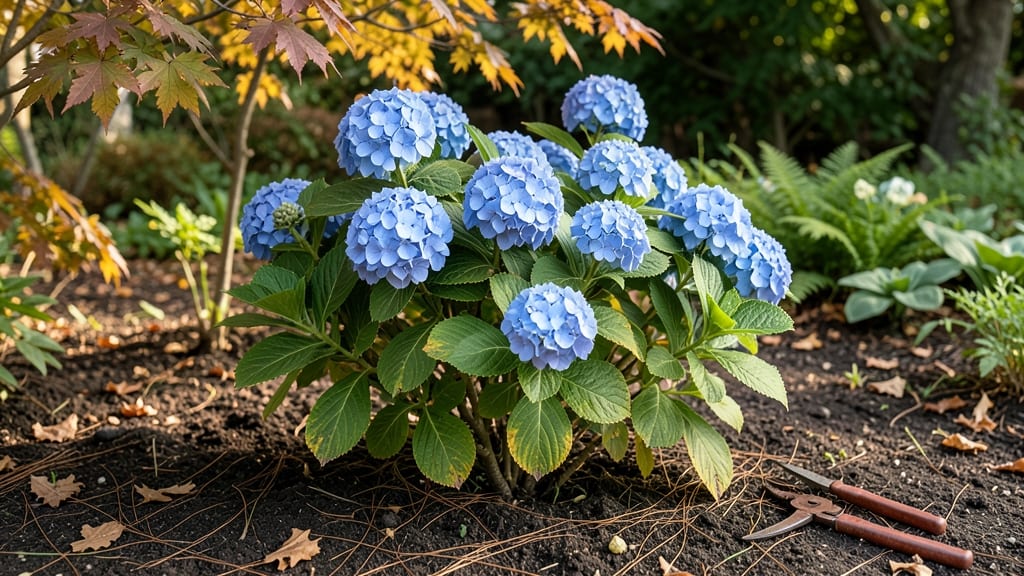
Part-shade flowering shrubs are the unsung heroes of garden design—delivering bold color and structure where sun-loving plants struggle. I remember my first attempt at a shady border: I planted sun-hungry hydrangeas, and they turned into sad, leggy shadows.
That’s when I discovered the right shrubs for part shade can outperform their full-sun cousins with vibrant blooms and year-round interest without demanding constant care.
These shrubs thrive in 3–6 hours of dappled sunlight, making them perfect for woodland edges, north-facing borders, or under tall trees.
Think hydrangeas with their lush clusters, azaleas bursting with spring color, or pieris with delicate winter blooms—each adds texture and height while filling gaps other plants can’t. The best part?
They handle moist, well-draining soil and need minimal pruning once established, so you spend less time fussing and more time admiring.
Picture a garden where spring’s pink azaleas fade into summer’s lavender hydrangeas, then transition to golden fall foliage on shrubs like fothergilla, all while evergreen like inkberry holly keeps the scene lively in winter.
Layer them with ferns, hostas, and shade-loving perennials for depth, and you’ve got a low-maintenance, high-impact design that blooms from March to November—no fuss, just color.
Whether you’re framing a patio, softening a fence line, or creating a privacy screen, these shrubs adapt effortlessly. Start with 3–5 plants spaced 3–5 feet apart (depending on mature size) and watch them fill in over time.
The key? Group odd numbers for natural flow and mix heights—tall deutzia in back, mid-height spirea in the middle, and low-growing dwarf fothergilla at the front. Your shade garden will thank you.
📚 In This Guide
- What you need
- Instructions
- Tips and common mistakes
- Wrapping up and next steps
What you need
- ● Part-shade flowering shrubs: Choose 3–5 varieties (e.g., Hydrangea, Azalea, Camellia, or Pieris), depending on your space. Opt for nursery-grown plants (1–3 gallons in size) for easier establishment.
- ● Well-draining potting mix: 1–2 bags (18–24 qt each) of a high-quality blend (e.g., Miracle-Gro or FoxFarm) for planting or container use.
- ● Organic mulch: 2–3 cubic feet of shredded bark or pine needles to retain moisture and suppress weeds.
- ● Slow-release fertilizer: 10–20 lbs of a balanced (10-10-10) or acid-loving plant formula (e.g., Osmocote) for nutrient-rich soil.
- ● Watering can or hose with a gentle spray nozzle: For deep, even hydration (aim for 1–1.5 gallons per plant weekly).
- ● Garden gloves: A pair to protect your hands from thorns or rough bark.
- ● Hand trowel or transplant spade: For digging holes (6" wider and deeper than the root ball).
- ● Pruning shears: Sharp, bypass-style shears (e.g., Fiskars) for shaping and deadheading.
- ○ Optional: Soil pH test kit ($10–$15) to check acidity (ideal: 5.0–6.5 for most part-shade shrubs).
- ● Container pots (15–20 gallons) if planting in raised beds or urban spaces.
- ● Epsom salt (1 lb) for magnesium boosts if leaves show yellowing between veins.
- ● Location scouting: Identify spots with 3–6 hours of dappled sunlight (e.g., under trees or near north-facing walls). Avoid soggy soil—ensure good drainage!
- ● Season timing: Plant in early spring or fall (avoid extreme heat or frost) for optimal root growth.
- ● Neighborhood prep: Clear weeds, rocks, or debris from planting areas to reduce competition.
Step-by-Step guide to planting and maintaining part-shade flowering shrubs
Here's how to create a vibrant, low-maintenance garden that thrives in filtered light.
🌿 Step 1: Select and Prepare the Planting Site
Choose a location that receives 3-6 hours of dappled sunlight daily—this is the sweet spot for part-shade shrubs. Avoid spots with deep shade or harsh afternoon sun, which can stress plants. Test your site by observing sunlight patterns for a week before planting. Morning sun with afternoon shade works best for most varieties like hydrangeas, azaleas, and pieris.
Amend the soil with 2-3 inches of organic compost to improve drainage and fertility. Part-shade plants often struggle in heavy, compacted soil. Work the compost into the top 12 inches of soil and rake the surface smooth. This ensures roots have access to both moisture and air, preventing common issues like root rot or nutrient deficiencies.
🪴 Step 2: Plant Shrubs at the Right Depth and Spacing
Dig holes twice as wide as the root ball but only as deep as the container's base. This prevents burying the stem too deeply, which can cause stem rot. Gently remove the shrub from its container and loosen any circling roots with your fingers. Place the plant in the hole so the top of the root ball sits level with the surrounding soil—never deeper.
Space shrubs according to their mature size: 3-5 feet apart for compact varieties like daphnes, and 6-8 feet apart for larger shrubs like hydrangeas. Fill the hole with soil, pressing lightly to eliminate air pockets. Water deeply to settle the soil and encourage root contact. Mulch with 2-3 inches of shredded bark around the base, keeping it 3 inches away from the stem to prevent moisture buildup.
☀️ Step 3: Water and Fertilize for Strong Establishment
Water newly planted shrubs deeply once a week for the first 4-6 weeks, ensuring moisture reaches 6-8 inches down. Check soil moisture by inserting your finger—if the top 2 inches feel dry, it's time to water. Overwatering is a common mistake; part-shade shrubs prefer consistently moist but well-drained soil. Avoid wetting the foliage to reduce disease risk.
Apply a slow-release, balanced fertilizer (10-10-10) at planting time, following label instructions. In early spring, top-dress with 1-2 inches of compost to replenish nutrients. Part-shade shrubs benefit from moderate feeding—too much fertilizer can lead to excessive foliage growth at the expense of flowers. Always water after fertilizing to prevent root burn.
✂️ Step 4: Prune for Shape and Seasonal Interest
Prune immediately after flowering in late spring or early summer to shape the shrub and encourage next year's blooms. Remove dead, diseased, or crossing branches first, cutting back to a healthy bud or lateral branch. For hydrangeas, trim back 1/3 of the oldest stems to the first set of leaves to promote new growth. Avoid heavy pruning in fall or winter, as this can stimulate tender new growth that won't survive cold temperatures.
In late winter or early spring, perform a light cleanup prune to remove any remaining dead wood and improve air circulation. This is also the time to check for signs of pests or diseases, such as holes in leaves or black spots. Early intervention prevents small issues from becoming major problems. Use sterilized pruners and clean them with rubbing alcohol between cuts to avoid spreading pathogens.
Tips & tricks for perfect part-shade flowering shrubs
Creating a thriving part-shade garden starts with understanding the subtle details that make all the difference. Here's what I've learned after years of trial and error with these delicate plants.
Site Selection Nuance: The 3-6 hours of dappled sunlight mentioned is crucial, but don't overlook the quality of that light. East-facing locations with morning sun and afternoon shade work best for most varieties. I've found that north-facing sites with filtered light through tree canopies create ideal conditions for azaleas and pieris. Use a light meter app for a week to track your garden's actual light patterns before planting—this prevents the disappointment of shrubs struggling in what you thought was perfect shade.
Soil Preparation Secret: When amending with 2-3 inches of organic compost, I recommend mixing in a handful of perlite or coarse sand into that top 12 inches of soil. This creates tiny air pockets that improve drainage without compromising moisture retention. Part-shade plants are particularly sensitive to soggy roots, and this simple addition can prevent the most common failure point—root rot. The key is to work these amendments into the existing soil, not just lay them on top.
Planting Depth Watch: That level-with-the-surrounding-soil guideline in Step 2 is more important than most gardeners realize. I've seen too many new gardeners bury the root ball too deeply, which can suffocate the stem and lead to stem rot. A quick trick: After placing your shrub in the hole, gently press the soil around the edges and check the depth by comparing the root ball's top to the surrounding soil line. If you're unsure, it's better to plant slightly shallower and top up later than to bury too deeply.
Watering Wisdom: The once-weekly deep watering for the first 4-6 weeks is perfect, but timing matters just as much as quantity. I've found that watering in the early morning—between 6 and 9 AM—gives the roots time to absorb moisture before the heat of the day. This simple adjustment can double your water's effectiveness. Also, use a moisture meter to verify that water reaches those 6-8 inches down; many gardeners think they're watering deeply when they're only wetting the surface.
Pro Tips for Part Shade Flowering Shrubs
- Creating a thriving part-shade garden starts with understanding the subtle details that make all the difference.
- Site Selection Nuance: The 3-6 hours of dappled sunlight mentioned is crucial, but don't overlook the quality of that light.
- Soil Preparation Secret: When amending with 2-3 inches of organic compost, I recommend mixing in a handful of perlite or coarse sand into that top 12 inches of soil.
Frequently asked questions
Got questions about part-shade flowering shrubs?
You’re not alone! Here are answers to the most common ones to help you pick and care for the perfect plants for your garden.
What’s the difference between part shade and full shade?
Part shade means 3–6 hours of direct sunlight daily, while full shade gets less than 3 hours. Many flowering shrubs thrive in part shade—like hydrangeas and azaleas—but avoid full shade unless you choose shade-tolerant varieties (e.g., Pieris japonica). Check your garden’s microclimate—morning sun with afternoon shade is ideal!
When is the best time to plant part-shade shrubs?
Plant in early spring or fall for the best root establishment. Avoid extreme heat or frost, which can stress young plants. Spring planting gives roots time to settle before summer, while fall allows growth before winter dormancy. Pro tip: Water deeply after planting and mulch to retain moisture!
Can I grow flowering shrubs in part shade indoors?
Most flowering shrubs need outdoor conditions, but compact varieties like dwarf gardenias or some fuchsias can thrive in bright, indirect light near east- or north-facing windows. Use grow lights if natural light is limited, and ensure good airflow to prevent pests. Note: Expect fewer blooms indoors compared to outdoor exposure.
Why aren’t my part-shade shrubs flowering?
Lack of blooms often stems from too little light (aim for 4+ hours of dappled sun), over-fertilizing with nitrogen (which promotes foliage, not flowers), or pruning at the wrong time. Try moving the plant to a sunnier spot, use a balanced bloom-boosting fertilizer, and prune after flowering for next year’s blooms.
What’s a low-maintenance alternative to high-need shrubs?
Opt for drought-tolerant, self-cleaning varieties like Abelia (long blooms, deer-resistant) or Weigela (vibrant flowers, minimal pruning). Camellias (for winter color) and Spirea (hardy and prolific) also require little fuss. Choose native plants—they’re adapted to your climate and often need less water!
Wrapping up and next steps
Transforming your garden into a year-round blooming paradise doesn’t require full sun—or endless effort! Part-shade flowering shrubs like hydrangeas, azaleas, and fothergilla bring effortless beauty with minimal fuss.
Whether you’re a seasoned gardener or just starting, these resilient plants thrive in dappled light, offering vibrant blooms, lush foliage, and seasonal interest with little maintenance.
Ready to elevate your outdoor space? Start small—pick one shrub to test your shade spot, then expand your collection as you fall in love with their charm! 🌿✨ (Pro tip: Pair them with native plants for even more low-maintenance magic!)