
Shrubs
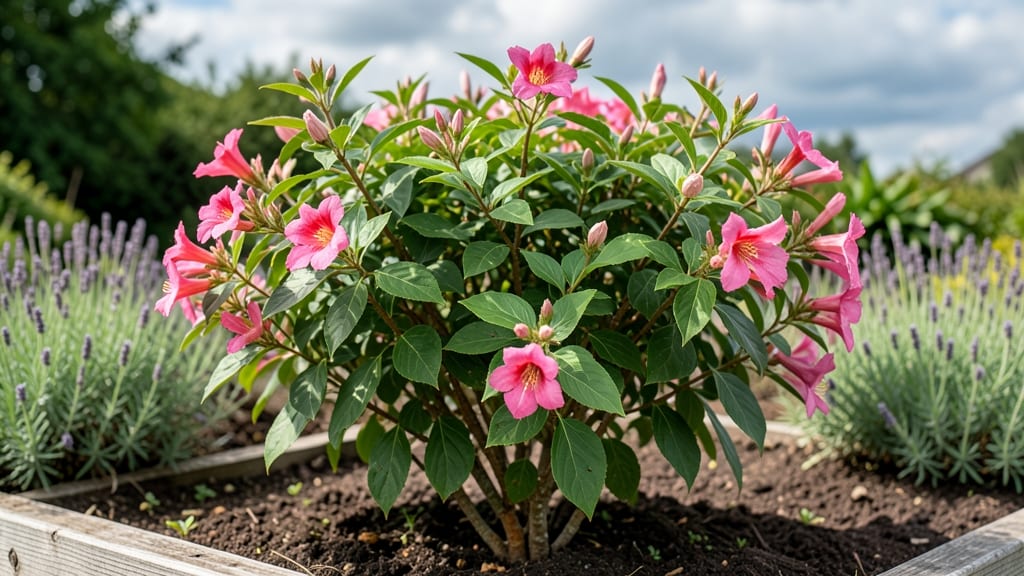
Part-sun flowering shrubs transform your Pacific Northwest garden into a year-round color show—even when sunlight is shy. 🌿 I’ve tested these varieties through our damp winters and cloudy summers, and they deliver blooms that make neighbors stop and stare.
The key is choosing plants that thrive in 3-6 hours of sunlight while handling shade the rest of the day.
These shrubs aren’t just pretty—they’re tough. Think vibrant hydrangeas that change color with soil pH, camellias that bloom in winter when everything else sleeps, and weigelas that attract hummingbirds with their trumpet-shaped flowers. They handle our region’s moisture and mild summers better than full-sun plants that struggle in the shade.
You’ll end up with a garden that looks alive all season—spring’s pink azaleas, summer’s lavender spirea, and fall’s golden ninebark. The best part?
They fit seamlessly into borders, foundation plantings, or even containers on patios. Pair them with ferns or hostas for contrast, and you’ve got a low-maintenance masterpiece.
No need for fancy setups—just the right plants in the right spots. These varieties prove that part-sun gardens can be just as stunning as full-sun ones, with less fuss. Let’s get your garden blooming beautifully, rain or shine.
📚 In This Guide
- What you need
- Instructions
- Tips and common mistakes
- Wrapping up and next steps
What you need
- ● Part-sun flowering shrubs: Choose Pacific Northwest-tested varieties like Weigela, Spirea, or Hydrangea (3-5 plants, depending on desired coverage).
- ● High-quality potting soil: 1-2 bags (1.5–2 cubic feet each) of well-draining, organic-rich soil (e.g., Miracle-Gro Premium or FoxFarm Ocean Forest).
- ● Mulch: 2–3 cubic feet of wood chips or bark mulch (to retain moisture and regulate soil temp).
- ● Organic fertilizer: A slow-release granular fertilizer (e.g., 10-10-10 or 5-10-10) or compost (1–2 lbs per plant).
- ● Watering can or hose with a gentle spray nozzle: For deep but gentle watering (1–2 gallons per plant, 2–3 times per week).
- ● Garden gloves: A pair of durable, breathable gloves (e.g., Workrite or Fiskars).
- ● Hand trowel or small shovel: For planting and amending soil.
- ● Pruning shears: Bypass pruners (e.g., Felco) for shaping and maintenance.
- ● Measuring tape or ruler: To ensure proper spacing (most shrubs need 3–6 feet apart).
- ○ Optional: Soil pH test kit (to check acidity/alkalinity; PNW soil is often acidic).
- ● Drip irrigation system (for low-maintenance watering).
- ● Epsom salt (for magnesium boost, especially for hydrangeas).
Step-by-step guide for planting and maintaining part-sun flowering shrubs
Here's how to establish vibrant shrubs that thrive in filtered light.
🌱 Step 1: Choose and Prepare the Planting Site
Select a location that receives 3-6 hours of direct sunlight daily, with dappled shade the rest of the day. Test the soil by digging a 6-inch deep hole—ideal soil should drain well but retain moisture. Amend heavy clay with 2-3 inches of compost mixed into the top 6 inches of soil to improve aeration and fertility.
I always check soil moisture before planting by squeezing a handful—if it forms a loose ball but crumbles when tapped, it's perfect. For containers, ensure pots have drainage holes and use a well-draining potting mix to prevent root rot. Pacific Northwest soil often stays damp, so prioritize drainage above all.
🪴 Step 2: Plant Shrubs at the Correct Depth and Spacing
Dig a hole twice as wide as the root ball but no deeper—planting too deep suffocates roots and encourages disease. Gently loosen the root ball if roots are circling, then place the shrub in the hole so the top of the root ball sits level with the surrounding soil. This prevents crown rot from sitting water.
Space shrubs according to their mature size: 3-5 feet apart for compact varieties like Spiraea or Weigela, and 6-8 feet apart for larger shrubs like Hydrangea or Rhododendron. Fill the hole with soil, tamping lightly every 2 inches to eliminate air pockets. Water deeply to settle the soil around roots—you'll know it's right when water drains freely from the bottom of the hole.
☀️ Step 3: Water and Mulch for Establishment
Water immediately after planting to encourage root spread, then maintain 1 inch of water weekly during the first growing season. Pacific Northwest summers can be dry, so monitor soil moisture by sticking your finger 2 inches deep—if it feels dry, water again. Avoid overhead watering, which can spread fungal diseases; instead, water at the base.
Apply 2-3 inches of mulch (like bark or shredded leaves) around the base, keeping it 2 inches away from the stem to prevent rot. Mulch conserves moisture, regulates soil temperature, and suppresses weeds. Replenish mulch annually, as it breaks down over time. You'll notice healthier foliage and fewer weeds within the first month.
✂️ Step 4: Prune for Shape and Bloom Encouragement
Prune late winter or early spring before new growth begins, removing dead, crossing, or weak branches first. For flowering shrubs, cut back old wood (last year's growth) by ⅓ to ½ to encourage fresh blooms. I always prune just above a bud or leaf node, angling the cut slightly to prevent water pooling.
Avoid heavy pruning in fall, as new growth won’t harden off before winter. Shape the shrub gradually over 2-3 years to avoid shocking the plant. After pruning, apply a balanced fertilizer (like 10-10-10) to support regrowth. You'll see stronger stems and more abundant flowers by the following season.
Tips & tricks for perfect part-sun flowering shrubs
Here's what nobody tells you about keeping these beauties thriving in the Pacific Northwest's tricky light conditions.
Soil Test First: Before amending that 6-inch layer of soil with 2-3 inches of compost, grab a handful and squeeze it—if it holds together but crumbles when tapped, you're golden. For containers, I can't stress enough how critical those drainage holes are; I've seen root rot destroy perfectly healthy shrubs just because the pot didn't breathe. The Pacific Northwest's damp climate makes this an absolute must.
Root Ball Level Matters: When planting, that top of the root ball needs to sit exactly level with the surrounding soil—not buried, not exposed. I learned this the hard way when my first hydrangea struggled for years because I planted it too deep. Use a level tool if you're unsure, and always check after backfilling. Those 2 inches of spacing around the stem for mulch? That's your insurance policy against crown rot.
Watering Wisdom: That 1-inch weekly watering guideline assumes average conditions, but Pacific Northwest summers can be deceptive. Stick your finger 2 inches deep—if it feels dry, water again. I've seen shrubs wilt dramatically in what felt like adequate moisture because the top layer was dry while deeper soil stayed damp. Morning watering gives foliage time to dry, reducing fungal risks.
Pruning Precision: When you're cutting back that old wood by ⅓ to ½ in late winter, always make your cuts just above a bud or leaf node at a slight angle. This isn't just about aesthetics—it's about directing growth. I've noticed shrubs pruned this way bloom more vigorously the following season. And remember: those 2-3 years of gradual shaping? That's how you build a sturdy framework without shocking the plant.
Pro Tips for Part Sun Flowering Shrubs
- Here's what nobody tells you about keeping these beauties thriving in the Pacific Northwest's tricky light conditions.
- Soil Test First: Before amending that 6-inch layer of soil with 2-3 inches of compost, grab a handful and squeeze it—if it holds together but crumbles when tapped, you're golden.
- Root Ball Level Matters: When planting, that top of the root ball needs to sit exactly level with the surrounding soil—not buried, not exposed.
Frequently asked questions
Got questions about part-sun flowering shrubs? You’re not alone! Here are some of the most common concerns—plus expert answers to help you grow with confidence.
What does "part sun" really mean for my shrubs?
"Part sun" typically means 3–6 hours of direct sunlight daily. In the Pacific Northwest’s mild climate, this can vary—morning sun with afternoon shade often works best. Avoid harsh afternoon rays, which can scorch delicate blooms. Pro tip: Observe your yard’s sunlight patterns for a few days to map the "golden hours."
When is the best time to plant part-sun flowering shrubs?
Plant in early spring or fall for optimal root establishment. Spring (March–April) gives shrubs time to settle before summer heat, while fall (September–October) allows roots to grow before winter dormancy. Avoid planting in extreme heat or frost—both stress young plants. Bonus: Water deeply after planting to reduce transplant shock!
Which part-sun shrubs bloom the longest in PNW conditions?
For year-round color, prioritize these PNW-tested winners:
- Camellia (winter–spring blooms)
- Hydrangea macrophylla (summer–fall, with reblooming varieties)
- Pieris japonica (early spring flowers)
- Abelia x grandiflora (summer–fall, heat-tolerant)
Why aren’t my part-sun shrubs flowering this year?
Common culprits include over-fertilizing with high nitrogen (promotes foliage over blooms), poor sunlight (check your "part sun" hours), or stress from transplant shock. Prune spent blooms in early spring to encourage new growth. If soil is compacted, amend with compost—fluffy soil = happier roots!
Can I grow part-sun shrubs in containers?
Shrubs like Dwarf Fothergilla or Compact Hydrangea thrive in containers with well-draining soil and regular watering. Use a 12–18" pot (minimum) and repot every 2–3 years. Key tip: Move containers to sunnier spots in winter if blooms fade—some shrubs need extra light for spring flowers.
What’s a low-maintenance alternative to high-care part-sun shrubs?
Try Cotoneaster (drought-tolerant, berries + flowers) or Spirea (reblooms all season with minimal fuss). Both handle 3–4 hours of sun and PNW’s wet winters. Plus: They’re deer-resistant—win-win!
Wrapping up and next steps
Ready to transform your Pacific Northwest garden into a year-round burst of color? Part-sun flowering shrubs are your secret weapon—low-maintenance, resilient, and packed with charm!
From the delicate blooms of Pieris japonica to the bold hues of Weigela, these varieties thrive with minimal fuss, making them perfect for busy gardeners or beginners. 🌸
Now that you’re armed with the best options, take the next step: sketch a simple layout for your garden beds, grouping shrubs by height and color for maximum impact. Then, grab your gloves and get planting—your future blooms will thank you! 🌿✨