
Flowers
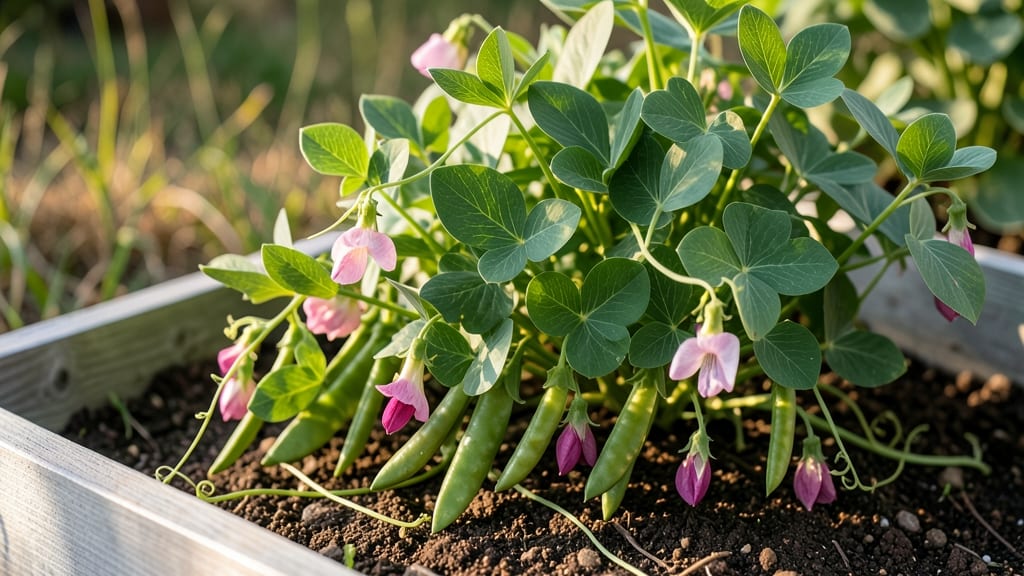
The pea flower pink blooms you’ve been dreaming of—soft, fragrant, and impossible to resist—can transform any garden into a pollinator paradise. 🌸 I remember the first time I planted them: the way they tumbled over a trellis like a waterfall of blush-colored silk, drawing bees and butterflies in waves.
These aren’t just pretty faces; they’re the unsung heroes of cottage gardens, adding romance and movement where other flowers stand still.
Pair them with lavender for a dreamy purple-pink contrast, or let them climb alongside clematis for a vertical explosion of color. Their sweet pea cousins (yes, they’re related!) bring the same charm but in bolder hues—perfect for mixing in containers or along fences.
The key? Plant them early in spring for continuous blooms from May through frost, and watch your garden become a magnet for hummingbirds and honeybees.
You’ll end up with swaths of delicate pink that feel like a secret—soft enough to touch, fragrant enough to linger in the air long after you’ve passed.
They’re the kind of flowers that make neighbors pause and say, “How do you make your garden look so alive?” The trick is in the placement: train them to spill over borders, weave them through shrubs, or let them climb a simple trellis for instant vertical drama.
Works in full sun to partial shade, so they’re versatile enough for sunny borders or dappled woodland edges. Whether you’re going for whimsical cottage charm or a structured pollinator garden, these pink pea flowers deliver effortless elegance with minimal fuss. Let’s make your garden the talk of the neighborhood!
📚 In This Guide
- What you need
- Instructions
- Tips and common mistakes
- Wrapping up and next steps
What you need
- ● Pea Flower Pink Seeds: 20-50 seeds (depending on desired coverage; opt for heirloom or pollinator-friendly varieties like Lathyrus odoratus or Sweet Pea mixes).
- ● Garden Soil: Well-draining, fertile soil with a pH of 6.0–7.5. Amend with compost (2–3 inches mixed into the top 6 inches of soil).
- ● Support Structures: Trellis, fence, or obelisk (6–8 feet tall for climbing varieties).
- ● Or, use a sturdy wire cage (for bushier types).
- ● Watering Can or Hose: With a gentle spray nozzle for consistent moisture.
- ● Fertilizer: Balanced, organic fertilizer (e.g., 10-10-10 or compost tea) for planting and mid-season.
- ● Garden Gloves: To protect hands while handling soil and seeds.
- ● Trowel or Hand Fork: For planting seeds 1 inch deep and spacing them 2–4 inches apart.
- ● Pruning Shears: For trimming dead blooms and shaping vines.
- ● Sunlight Access: Full sun (6+ hours daily) or partial shade (4–6 hours).
- ○ Mulch (Optional but Recommended): Straw or shredded leaves to retain moisture and suppress weeds.
- ○ Pest Deterrents (Optional): Neem oil spray for aphids.
- ● Row covers to protect seedlings from pests.
Step-by-step guide to cultivating pink pea flowers for season-long pollinator appeal
Here's how to coax those sweet, fragrant pink blooms into thriving all season.
🌱 Step 1: Select and Prepare Your Planting Site
Pink pea flowers (Lathyrus odoratus) thrive in well-draining soil with a slightly acidic to neutral pH (6.0-7.0). Choose a location that receives full sun (6-8 hours daily)—they'll reward you with more blooms when basking in morning sunlight. If your site has heavy clay, amend with 2-3 inches of compost mixed into the top 12 inches of soil to improve drainage and fertility.
I always test my soil first with a simple pH kit—pink peas can get leggy if nutrients are lacking. If your soil is too alkaline, work in 1-2 pounds of peat moss per 100 square feet to lower the pH naturally. Avoid fresh manure, which can burn tender roots during germination.
🌱 Step 2: Sow Seeds at the Right Time and Depth
Sow seeds ½ inch deep in early spring, 2-3 weeks before your last frost date, or directly in fall for spring blooms in colder climates. Pink pea seeds need consistent soil temperatures above 50°F to germinate reliably. I plant mine in rows 12-18 inches apart, spacing seeds 2-3 inches within rows—this gives them room to climb without crowding.
Water gently after planting to settle the soil but avoid oversaturating. The seeds will sprout in 10-14 days if conditions are ideal. If your spring is cool, consider starting seeds indoors 4-6 weeks before transplanting—just be sure to harden off seedlings for 10 days before moving them outside.
☀️ Step 3: Provide Support and Encourage Vertical Growth
Pink pea flowers are vigorous climbers that need 5-6 foot tall trellises or sturdy stakes to reach their full potential. Install supports immediately after planting—once vines start winding, they're stubborn to redirect. I use powder-coated metal trellises because they resist rust and last for years, but bamboo stakes work too if you replace them every season.
Pinch back the top 2-3 inches of new growth when plants reach 12 inches tall to encourage bushier growth and more blooms. This is where many gardeners make mistakes—waiting too long to prune results in sparse flowering. You'll know it's working when you see multiple side shoots forming within 3-4 weeks of pinching.
💧 Step 4: Water and Fertilize for Continuous Blooms
Keep soil evenly moist but never soggy—pink peas hate wet feet. Water at the base of plants in the morning to allow foliage to dry before evening, which prevents fungal diseases like powdery mildew. During hot, dry spells, I increase watering to 1-1.5 inches per week, but always check the top 2 inches of soil first—if it's dry, that's your signal to water.
Feed plants with a balanced, water-soluble fertilizer (10-10-10) every 4-6 weeks during the growing season. Too much nitrogen will produce lush foliage but few flowers—cut back to ½-strength fertilizer once buds appear. I also sprinkle 1 tablespoon of bone meal around each plant at planting time for steady phosphorus, which strengthens root development and encourages blooming.
✂️ Step 5: Deadhead and Extend the Blooming Season
Deadhead spent blooms regularly by snipping stems just above the first set of leaves below the flower cluster. This redirects the plant's energy into producing new buds rather than seed pods. I make it a habit to deadhead every 7-10 days—you'll see a noticeable increase in fresh blooms within 2 weeks of consistent maintenance.
To extend the season, cut back one-third of the oldest stems after the first flush of blooms fades. This encourages a second flush of flowers in late summer. In fall, leave the plants standing for 2-3 weeks after flowering to allow seeds to form—these can be saved for next year's garden. If frost threatens before seeds mature, cut the stems and hang them in a dry, dark place to finish ripening.
Tips & tricks for cultivating vibrant pink pea flowers
These simple yet powerful strategies will help you transform your garden into a pollinator paradise with stunning pink blooms.
Soil Preparation Secret: Don't just amend the top layer—dig those 2-3 inches of compost down to 12 inches for roots to establish properly. I've seen pink pea flowers struggle when soil stays compacted below the surface. Use a broadfork to loosen clay soil before adding compost, and mix in 1 tablespoon of bone meal at planting for that extra phosphorus boost that encourages flowering. The difference in bloom quantity is dramatic.
Timing That Makes All the Difference: Those 10-14 days for germination can feel like an eternity, but patience pays off. If your spring is particularly cool, create a mini greenhouse effect by covering seeds with clear plastic until soil warms above 50°F. For indoor starts, use seedling heat mats to maintain consistent warmth—this can cut your germination time by half. Just remember, those 4-6 weeks indoors need proper hardening off to avoid transplant shock.
Support System Strategy: Install your 5-6 foot trellises before planting—trust me, you won't want to move established vines later. I've used powder-coated metal trellises for years because they last, but for smaller gardens, try tomato cages or even sturdy garden stakes. The key is getting supports in place immediately after planting so vines can climb without struggling. And when you see those first tendrils, they'll curl around anything they can find—don't let them grab onto weak supports!
Deadheading Discipline: The 7-10 day deadheading schedule might seem frequent, but it's what keeps your plants producing blooms continuously. Use clean, sharp pruners and cut at a 45-degree angle just above the first set of leaves below the flower cluster. This encourages new growth from that node. I've found that deadheading right after morning dew dries (around 9-10am) gives plants time to recover before evening moisture sets in.
Pro Tips for Pea Flower Pink
- These simple yet powerful strategies will help you transform your garden into a pollinator paradise with stunning pink blooms.
- Soil Preparation Secret: Don't just amend the top layer—dig those 2-3 inches of compost down to 12 inches for roots to establish properly.
- Timing That Makes All the Difference: Those 10-14 days for germination can feel like an eternity, but patience pays off.
Frequently asked questions
Got questions about growing or caring for Pea Flower Pink? You're not alone!
Here are some of the most common queries—and their answers—to help you cultivate these charming blooms with confidence.
How do I encourage more pink pea flowers to bloom?
Pink pea flowers (like Lathyrus odoratus) thrive with consistent care. Prune spent blooms regularly to promote new growth, and fertilize lightly with a balanced, phosphorus-rich formula every 4–6 weeks. Ensure they get 6+ hours of sunlight daily and well-draining soil. Avoid overwatering—let the top inch of soil dry between waterings. Pro tip: A light pinch of Epsom salt (1 tbsp/gallon) monthly can boost blooms!
When is the best time to plant pink pea flowers?
For most climates, plant seeds 4–6 weeks before your last frost date in spring or directly sow after the soil warms to 60°F (15°C). In warmer zones, you can also plant in fall (8–10 weeks before frost) for winter blooms. If starting indoors, sow seeds 6–8 weeks before transplanting. Fun fact: Pink pea flowers are annuals but self-seed easily—save seeds for next year!
Can pink pea flowers grow in containers?
Choose a container at least 12 inches deep with drainage holes to prevent root rot. Use a lightweight potting mix and a trellis or stakes for climbing varieties. Water consistently, as containers dry out faster. Dwarf varieties (like 'Tom Thumb') work well in smaller pots (8–10 inches). Just ensure they get enough sunlight—containers can get too hot in direct afternoon sun.
Why aren’t bees visiting my pink pea flowers?
Pink pea flowers are pollinator magnets, but a few issues might deter bees: Pesticides (even natural ones) can harm them—skip sprays while blooms are open. Ensure flowers are fully unfurled (bees prefer open blooms). Plant companion flowers like lavender or marigolds nearby to attract diverse pollinators. If flowers aren’t opening, check for overcrowding or poor sunlight—both stress plants and reduce blooming.
What are some pink pea flower alternatives for cut arrangements?
If you love the Pea Flower Pink look but want variety, try these long-lasting cut flowers with similar soft hues:
For low-maintenance options, Zinnias or Cosmos in soft pinks are pollinator-friendly and easy to grow!
Wrapping up and next steps
Embracing pea flower pink in your garden isn’t just about aesthetics—it’s a vibrant invitation to nature’s helpers! These delicate blooms don’t just steal the show; they feed the ecosystem by luring bees, butterflies, and hummingbirds all season long.
Whether you’re a seasoned gardener or a curious beginner, adding these pollinator magnets will transform your outdoor space into a thriving, buzzing paradise. 🌸
Ready to take the next step? Start small—try planting a few pea flower pink varieties in a sunny spot and watch your garden come alive! Check out our planting guide for tips on nurturing these beauties to their fullest potential.