Flowers
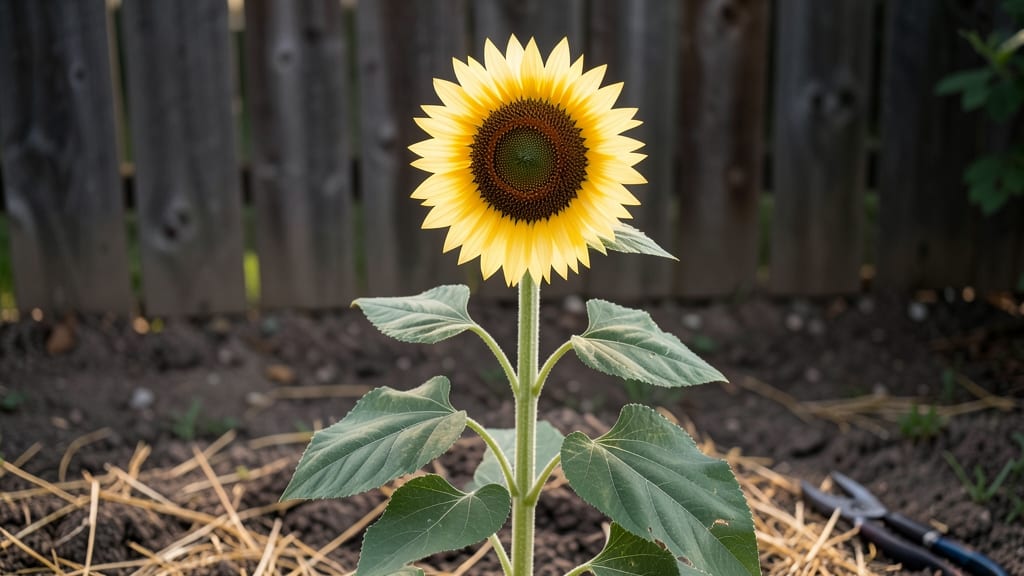
Growing perennial sunflowers like Helianthus means bold, sun-loving plants that return every year with towering stems and cheerful blooms—even in cold zones where annuals freeze. 🌻 I’ve watched mine push through snowmelt in early spring, their deep roots anchoring them through harsh winters.
These aren’t your childhood sunflower seeds; they’re hardy, long-lived workhorses that thrive where others fail.
The secret to their success lies in well-draining soil and full sun (at least 6 hours daily), but they’re forgiving about the rest. Varieties like Helianthus maximiliani (giant sunflower) or H. salicifolius (willowleaf sunflower) bring different heights and textures, while native species support pollinators year-round.
Start with divisions or seeds—either way, they reward patience with sturdy stems reaching 6–12 feet and golden-yellow blooms that last from midsummer into fall.
Once established, these sunflowers need minimal fuss: water deeply once a week in dry spells, and cut back dead stems in late winter to encourage fresh growth. They handle pests like deer and rabbits better than most perennials, though aphids might visit—just hose them off.
The real magic? Their late-season blooms feed bees when few flowers remain, and their dried seed heads add winter interest to the garden.
Perfect for prairie-style gardens, cottage borders, or wildflower meadows, perennial sunflowers adapt to rocky soil, poor drainage (once rooted), and even urban heat islands. Whether you’re filling a large space or adding vertical drama to a small yard, these sun-lovers deliver effortless beauty with almost no trade-offs.
Ready to plant one and watch it grow for years?
📚 In This Guide
- What you need
- Instructions
- Tips and common mistakes
- Wrapping up and next steps
What you need
- ● Perennial sunflower seeds (Helianthus spp.) – Choose cold-hardy varieties like Helianthus maximiliani or Helianthus salicifolius. Aim for 3–5 seeds per plant (they have a high germination rate).
- ○ Well-draining potting mix – A blend of 60% garden soil, 30% compost, and 10% perlite/sand (for aeration). Optional: Add a slow-release fertilizer (10-10-10 ratio) for extra nutrients.
- ● Containers or garden bed – For seedlings: 4–6-inch pots (3–5 plants per pot if sowing densely).
- ● For transplanting: 12–18-inch-deep holes (spaced 2–3 feet apart for mature plants).
- ● Mulch – 2–3 inches of straw or shredded leaves to retain moisture and protect roots in cold snaps.
- ● Garden trowel or hand shovel – For digging and transplanting.
- ● Watering can or hose with a gentle spray nozzle – Sunflowers love moisture but hate soggy roots!
- ● Pruners or shears – For trimming dead foliage or shaping plants.
- ○ Gloves (optional) – Protects hands from thorny stems (some varieties have them!).
- ● Sunlight: Full sun (6+ hours daily)—perennial sunflowers thrive in bright, open spaces.
- ● Climate: USDA Zones 3–9 (cold-hardy but may need winter mulch in Zone 3).
- ● Soil pH: Slightly acidic to neutral (6.0–7.5). Test your soil if unsure!
- ● Patience: Germination takes 7–21 days—stay consistent with watering!
Step-by-step guide to planting and cultivating perennial sunflower Helianthus
Here's how to establish these hardy, long-lived beauties in your landscape.
🌱 Step 1: Choose the Perfect Planting Site
Perennial sunflowers thrive in full sun—at least 6-8 hours daily. Pick a spot with well-draining soil; they tolerate poor conditions but won’t reach their full 6-10 foot height if crowded or waterlogged. I always test drainage by digging a 12-inch deep hole and filling it with water—if it drains within 2 hours, the site is safe.
These plants have deep taproots, so avoid areas where heavy machinery or foot traffic might disturb the soil later. If your soil is clay-heavy, amend it with 2-3 inches of compost mixed into the top 12 inches to improve aeration. The roots will thank you for this head start.
🪴 Step 2: Plant at the Right Time and Depth
Spring is ideal for planting perennial sunflowers, once soil temperatures reach 55°F and all frost danger has passed. Dig holes twice as wide as the root ball but only as deep as the container’s base—planting too deep suffocates the crown. Gently tease the roots outward if they’re circling in the container, then backfill with native soil.
Space plants 4-6 feet apart for full growth potential. I always plant in clusters of three to create a natural, drifts-like appearance—this mimics their wild counterparts and ensures better pollinator attraction. Water deeply right after planting to settle the soil and eliminate air pockets around the roots.
☀️ Step 3: Provide Low-Maintenance Care for Rapid Growth
Perennial sunflowers are drought-tolerant once established, but young plants need consistent moisture. Water 1-2 inches per week during the first growing season, focusing on the root zone rather than overhead spraying. You’ll know they’re getting enough water when the soil feels damp 2-3 inches down but not soggy.
Fertilize lightly in early spring with a balanced 10-10-10 formula—these plants don’t need heavy feeding. Too much nitrogen produces lush foliage at the expense of those iconic 3-5 foot tall flower stalks. Mulch with 2-3 inches of organic mulch (like shredded bark) to retain moisture and suppress weeds, but keep it 6 inches away from the stem to prevent rot.
✂️ Step 4: Prune and Maintain for Long-Term Health
Cut back dead flower stalks in late fall to redirect energy into root growth for next season. I always leave 2-3 inches of stem above the crown to protect the plant from cold snaps. These sunflowers are cold-hardy down to -20°F, but a little extra insulation helps in marginal zones.
In early spring, remove any damaged or crossing stems to improve air circulation. This prevents fungal issues like powdery mildew, which can weaken the plant’s vigor. Watch for Japanese beetles—they love these flowers. Handpick them early in the morning when they’re sluggish, or use neem oil as a preventive spray.
Tips & tricks for perfect perennial sunflower cultivation
These hardy plants reward patience with stunning height and resilience—here's how to maximize their potential without the guesswork.
Sunlight Strategy: While the instructions emphasize 6-8 hours of daily sun, I've found that morning sun paired with afternoon shade in hot climates actually preserves moisture and prevents leaf scorch. If you're planting in Zone 7 or hotter, consider locating your sunflowers where they receive direct morning sun but filtered afternoon light—this mimics their native prairie habitat where they often grow under taller grasses.
Soil Preparation Secret: The 2-3 inches of compost recommendation is solid, but don't stop there. For clay-heavy soils, I mix in 1 part perlite to 3 parts compost by volume when amending the top 12 inches. This creates ideal pore space for those deep taproots while maintaining moisture retention. The perlite breaks down over time, so you're not adding permanent structure—just giving those roots their best start.
Planting Depth Visual: When checking planting depth, I use the "knuckle rule"—the base of the plant should sit at the same level as your knuckles when you make a fist around the root ball. This matches the "as deep as the container's base" guideline perfectly. Too shallow and the crown dries out; too deep and the plant struggles to emerge. The knuckle method works for all container sizes without needing a ruler.
Winter Protection Hack: While these sunflowers handle -20°F just fine, I've found that adding 3-4 inches of straw mulch around the base in late fall provides extra insulation without smothering the plant. Remove it in early spring before new growth appears. This works particularly well in marginal zones where temperatures might dip lower than -20°F occasionally—it's like giving your sunflowers a cozy blanket without the risk of rot that comes with thick organic mulch.
Pro Tips for Perennial Sunflower Helianthus
- These hardy plants reward patience with stunning height and resilience—here's how to maximize their potential without the guesswork.
- Sunlight Strategy: While the instructions emphasize 6-8 hours of daily sun, I've found that morning sun paired with afternoon shade in hot climates actually preserves moisture and prevents leaf scorch.
- Soil Preparation Secret: The 2-3 inches of compost recommendation is solid, but don't stop there.
Frequently asked questions
How cold can perennial sunflowers tolerate?
Most Helianthus varieties thrive in USDA Zones 3–9, surviving winter temperatures as low as -20°F (-29°C) once established. Young plants may need winter protection in colder zones, but mature roots are remarkably resilient. Choose native species like Helianthus tuberosus (Jerusalem artichoke) for extra hardiness!
When is the best time to plant perennial sunflowers?
Plant in early spring (after the last frost) or late summer/fall for root establishment before winter. Container-grown plants can be transplanted year-round in mild climates. Pro tip: If planting in fall, water deeply before the first hard freeze to prevent drought stress.
Do perennial sunflowers spread aggressively?
Some varieties, like Helianthus decapetalus, spread via rhizomes and can become invasive in ideal conditions. To control spread:
- Plant in containers or raised beds if space is limited.
- Divide clumps every 3–4 years to manage growth.
- Choose non-invasive cultivars like Helianthus ‘Lemon Queen’ for milder spread.
Are perennial sunflowers good for pollinators?
Absolutely! These sunflowers are magnets for bees, butterflies, and birds, especially when in bloom from summer to early fall. Opt for Helianthus annuus (common sunflower) or Helianthus maximiliani for maximum pollinator appeal. Bonus: Their seeds provide food for finches and goldfinches in winter!
Why aren’t my perennial sunflowers blooming?
Common culprits include:
- Insufficient sunlight (they need 6+ hours of direct sun).
- Over-fertilizing (too much nitrogen = leafy growth, fewer blooms).
- Crowded roots (divide mature plants if they’re overgrown).
- Improper pruning (cut back dead stems in early spring to encourage new growth).
Can I grow perennial sunflowers in containers?
Yes! Choose dwarf varieties like Helianthus ‘Becky’ (3–4 ft tall) or Helianthus ‘Little Becki’ (2–3 ft). Use a 5-gallon pot or larger with well-draining soil and ensure it gets full sun. Repot every 2–3 years to refresh nutrients.
Wrapping up and next steps
Ready to bring bold, sun-driven beauty to your garden without the fuss? Perennial sunflowers (Helianthus) are the perfect choice—hardy, low-maintenance, and packed with charm. Whether you’re drawn to their towering heights, vibrant blooms, or wildlife-friendly appeal, these plants prove that cold climates don’t have to mean dull landscapes.
Start small with a single variety, experiment with pollinator-friendly pairings, or even share cuttings with fellow gardeners. Your next garden masterpiece is just a seed away! 🌱✨