
Flowers
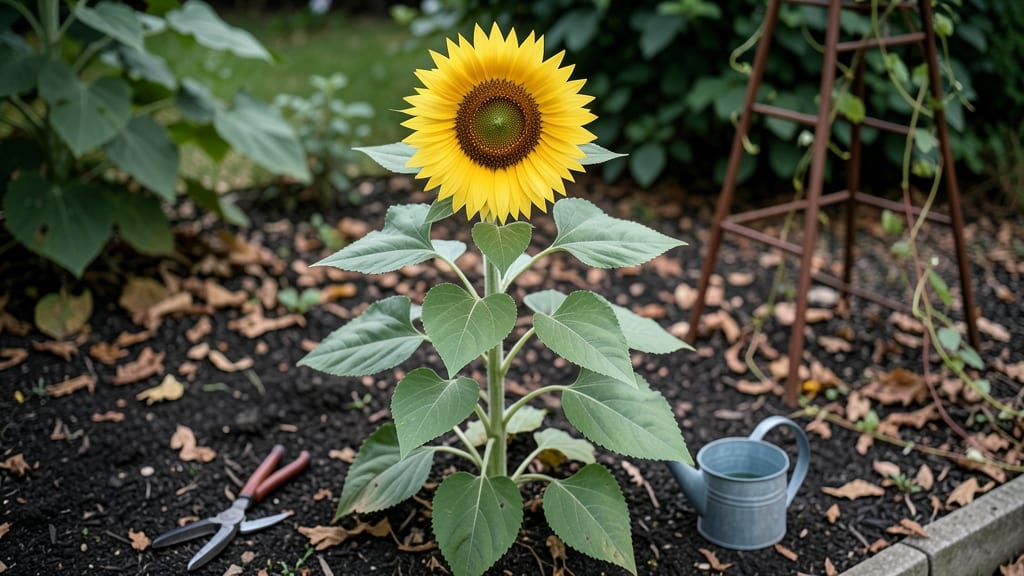
Those towering stems in my neighbor’s yard—where I’d later find pictures of perennial sunflowers in bloom—made me fall in love with their 10-foot grace from the first swaying glimpse. 🌻 the breeze while bees and butterflies swarmed its golden blooms.
These aren’t your annual sunflowers; they’re the dramatic, long-lived stars that turn ordinary borders into showstoppers.
What makes them special? Height, texture, and color—some varieties boast deep burgundy petals, while others stay classic yellow but with woolly stems that add winter interest. They thrive in full sun, tolerate poor soil, and multiply over years, making them the low-maintenance diva of perennials.
Pair them with black-eyed Susans or coneflowers for a prairie-inspired look, or let them stand alone as a focal point near patios.
Imagine this: a sea of sunflowers stretching from your fence to the street, their rustling leaves whispering in the wind while hummingbirds dart between blooms. The best part? They self-seed reliably, so you’ll get free plants every year—just thin them in spring.
Whether you’re designing a cutting garden or a wildflower meadow, these giants bring effortless drama that lasts until the first snow.
Ready to transform a corner of your yard? Start with one or two plants in a sunny spot—your garden (and pollinators) will thank you. We’ll cover placement tricks, companion plants, and how to keep them looking their best all season long.
📚 In This Guide
- What you need
- Instructions
- Tips and common mistakes
- Wrapping up and next steps
What you need
- ● Perennial sunflower seeds or plants: Choose varieties like Helianthus (e.g., Helianthus annuus ‘Lemon Queen’ or Helianthus maximiliani for tall, drought-tolerant types). Start with 3–5 plants for a small garden or 10+ for a bold statement.
- ● Well-draining soil: Mix 1 part native soil with 1 part compost (or use pre-mixed garden soil with 20–30% organic matter). Test pH (ideal range: 6.0–7.0).
- ● Sunlight: A full-sun location (6+ hours/day)—perennial sunflowers thrive in open, sunny spots!
- ● Watering can or hose: With a gentle spray nozzle to avoid disturbing seedlings.
- ○ Garden gloves: (Optional but helpful for handling soil and seeds without irritation.)
- ● Stakes or trellis: (For tall varieties like Helianthus giganteus, use 5–6 ft bamboo stakes or a lightweight trellis to support stems.)
- ● Mulch: 2–3 inches of straw or wood chips to retain moisture and suppress weeds.
- ● Fertilizer: A balanced, slow-release fertilizer (10-10-10) or compost tea for nutrient boosts (apply once in spring).
- ● Pollinator-friendly companions: Plant bee balm, coneflowers, or lavender nearby to attract even more wildlife!
- ● Pruners: For trimming dead blooms or shaping plants in late fall.
How to create a stunning perennial sunflower display for pollinators
Here's how I design a showstopping perennial sunflower garden that thrives year after year.
🌱 Step 1: Choose the Right Perennial Sunflower Varieties
Most gardeners mistakenly think all sunflowers are annuals, but perennial varieties like Helianthus species actually return each season. Start with Helianthus maximiliani (Maximilian sunflower) for towering 6-10 foot stems, or Helianthus 'Lemon Queen' for cheerful 4-5 foot blooms. These varieties handle cold winters in zones 3-9 once established.
I always plant at least three types for continuous bloom times—early bloomers like Helianthus 'Solar Eclipse' (June), mid-season Helianthus 'Lemon Queen' (July-August), and late-season Helianthus 'Little Becka' (September). This ensures pollinators have food from early summer through fall. Check your local nursery for native Helianthus species—they're tougher and better for wildlife.
☀️ Step 2: Select the Perfect Sunny Location
Perennial sunflowers demand full sun—at least 6-8 hours of direct sunlight daily. I scout locations where other plants have struggled because of intense heat. The key is well-draining soil; these plants hate soggy roots. If your soil stays wet after rain, amend with 2-3 inches of compost or plant on a slight mound.
Watch for microclimates in your yard—south-facing slopes get the most sun, while north-facing areas may need supplemental light. I've seen Helianthus thrive in 90°F+ temperatures once established, but young plants need protection from intense afternoon sun during their first summer. A temporary shade cloth (30-50% coverage) helps during heatwaves.
🪴 Step 3: Plant at the Right Depth and Spacing
Dig holes twice as wide as the root ball but only as deep as the container. Perennial sunflowers have deep taproots, so disturbing them too much stresses the plant. I like to loosen the sides of the root ball with my fingers before placing it in the hole—this encourages roots to spread outward immediately.
Space plants 3-5 feet apart for full-size varieties and 2-3 feet apart for dwarf types. Crowding leads to weak stems that flop over, especially after rain. The first year, you'll see slower growth as the plant establishes its root system. Don't be tempted to fertilize heavily—these plants prefer lean soil and become leggy with too much nitrogen.
💧 Step 4: Water Deeply but Infrequently
Newly planted perennial sunflowers need 1 inch of water weekly for the first growing season. I water deeply in the morning so the soil has time to dry out during the day. Overwatering causes root rot, which is especially deadly in heavy clay soils. You'll know you're watering correctly when the top 2-3 inches of soil feel dry to touch between waterings.
Once established (after 2-3 years), these plants become extremely drought-tolerant. I've seen Helianthus survive on natural rainfall alone in zone 5 summers. The key is deep watering—aim for 1-2 inches per week during dry spells, but let the soil dry completely between soakings. Mulch with 2-3 inches of straw to retain moisture and suppress weeds.
✂️ Step 5: Prune for Health and Structure
Deadhead spent blooms by cutting stems back to the nearest set of healthy leaves. This encourages more flowering and prevents the plant from putting energy into seed production. I always use clean, sharp pruners to avoid spreading disease. Prune in the morning when stems are dry to reduce bacterial growth.
In late winter or early spring, cut back the previous year's growth by one-third to promote bushier growth. This is especially important for Helianthus maximiliani, which can get top-heavy. After pruning, fertilize lightly with 5-10-10 fertilizer to support new growth. Never prune into old wood—always leave some green growth to sustain the plant through dormancy.
Tips & tricks for stunning perennial sunflower displays
Transforming your garden into a pollinator paradise starts with these expert strategies for perennial sunflowers.
Variety Layering: The secret to continuous bloom lies in planting varieties with staggered bloom times. I've found that pairing Helianthus 'Solar Eclipse' (June) with Helianthus 'Lemon Queen' (July-August) creates a seamless transition. For maximum impact, add Helianthus 'Little Becka' (September) to extend the season. This layered approach ensures pollinators always have fresh nectar while creating visual interest throughout summer and fall.
Soil Preparation Strategy: Before planting, conduct a simple soil test to check drainage—perennial sunflowers despise soggy conditions. If your soil stays wet after rain, create raised beds with 2-3 inches of compost mixed into the top 12 inches of soil. I've seen dramatic improvements in plant health by amending heavy clay with sand and perlite to improve aeration. The key is mimicking their natural prairie habitat where water drains quickly.
Heatwave Protection: While established plants handle 90°F+ temperatures beautifully, young sunflowers need special care during heatwaves. I recommend installing temporary shade cloth (30-50% coverage) over new plantings during the hottest afternoon hours. This prevents leaf scorch while still allowing plenty of light for photosynthesis. Remove the shade after 2-3 weeks as plants build resilience—you'll notice stronger stems and more vibrant foliage.
Pollinator Magnet Design: Create intentional pathways through your sunflower display by spacing plants 3-5 feet apart for full-size varieties. This open structure allows bees and butterflies to navigate easily while providing landing platforms on the broad leaves. I've observed that adding a few native wildflowers (like coneflowers) between sunflowers creates a more diverse foraging experience that keeps pollinators lingering longer in your garden.
Pro Tips for Pictures Of Perennial Sunflowers
- Transforming your garden into a pollinator paradise starts with these expert strategies for perennial sunflowers.
- Variety Layering: The secret to continuous bloom lies in planting varieties with staggered bloom times.
- Soil Preparation Strategy: Before planting, conduct a simple soil test to check drainage—perennial sunflowers despise soggy conditions.
Frequently asked questions
Got questions about growing perennial sunflowers?
Here are some of the most common ones—plus quick answers to help you cultivate these stunning pollinator magnets with confidence!
How long do perennial sunflowers take to reach full height?
Most perennial sunflower varieties grow fast—expect them to reach their mature height (typically 6–12 feet!) in 60–90 days from planting. Dwarf varieties may take slightly longer (45–60 days) but still deliver dramatic blooms. Pro tip: Stake tall varieties early to prevent flopping in wind or rain!
When is the best time to plant perennial sunflowers?
Plant seeds after the last frost in spring (when soil temps hit at least 50°F) or directly sow in late summer for fall blooms. Perennial sunflowers thrive in full sun (6+ hours/day) and well-draining soil. Bonus: They’re drought-tolerant once established—perfect for low-maintenance gardens!
Why aren’t my sunflowers attracting bees or butterflies?
If pollinators are scarce, check these fixes:
- Timing: Plant when native bees are active (spring/summer).
- Location: Place near water sources or other nectar-rich plants.
- Pesticides: Avoid chemicals—sunflowers are pesticide-free zones!
- Deadheading: Remove spent blooms to encourage reblooming.
Can I grow perennial sunflowers in containers or small gardens?
Yes! Dwarf varieties (like ‘Moulin Rouge’) thrive in 5-gallon pots with drainage holes. Use a lightweight potting mix and fertilize monthly. For small spaces, try ‘Teddy Bear’ (3–4 ft tall) or ‘Little Becka’ (2–3 ft). Warning: Tall varieties need sturdy containers—wind can topple them!
Do perennial sunflowers survive winter?
In USDA Zones 3–9, most perennial sunflowers die back to the ground but regrow from roots in spring. Hardy varieties (like Helianthus maximiliani) tolerate light frost. Mulch stems in fall to protect roots. In colder zones (below 0°F), consider annual sunflowers for guaranteed blooms.
Wrapping up and next steps
Perennial sunflowers bring bold beauty and effortless charm to any pollinator garden, offering year-round interest with their towering blooms and wildlife-friendly appeal. Whether you’re drawn to their striking Helianthus varieties or their role in supporting bees and butterflies, these sun-loving stars are a game-changer for gardeners of all levels.
Ready to transform your outdoor space? Start by browsing inspiring perennial sunflower pictures to spark ideas, then pick your favorite varieties and get planting! Your garden—and the pollinators—will thank you. 🌻✨