
Flowers
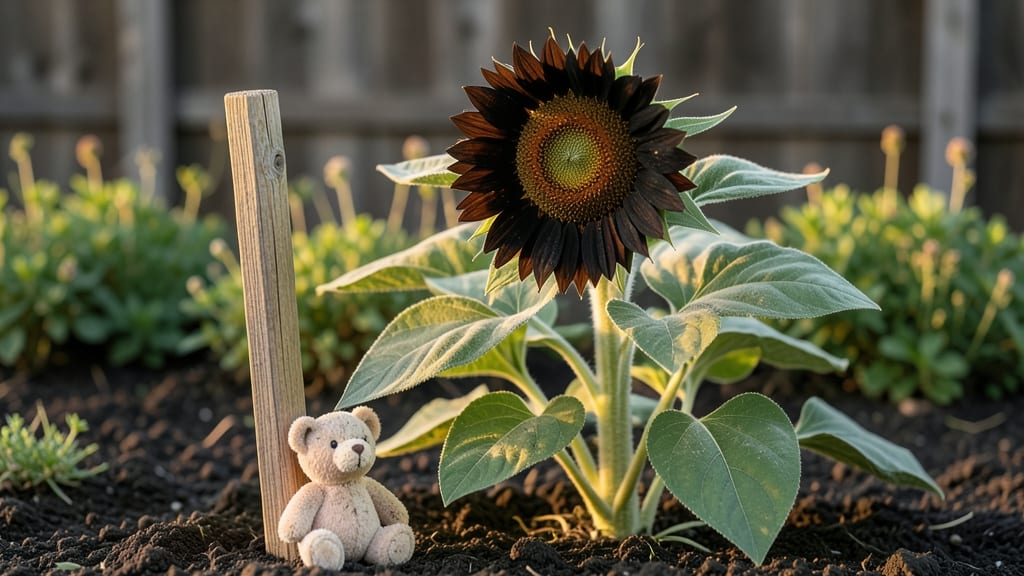
Nothing says "whimsy meets wild" like planting teddy bear sunflowers—those soft, fuzzy-faced giants that look like nature’s own plush toys. 🌻 They’re the perfect bridge between children’s gardens and cottage charm, offering 3-4 feet of gentle height without the towering stiffness of their giant cousins.
These sunflowers thrive in full sun but adapt to partial shade, making them ideal for borders, pollinator patches, or even container gardens. Pair them with lavender for a purple-and-gold contrast or let them mingle with marigolds for a playful, sunlit meadow vibe.
The fuzzy petals attract bees and butterflies while their low-maintenance nature makes them a dream for busy gardeners.
You’ll love how they soften hard edges—plant them near patios, along fences, or in front of shrubs to add texture and movement. Their velvety centers and cheerful faces turn even a small space into a storybook scene.
Just give them well-draining soil and occasional water, and they’ll reward you with blooms from midsummer to frost.
Perfect for themed gardens, fairy-tale landscapes, or simply adding a touch of magic to any sunny spot. Their care is straightforward, but their impact? Pure joy. Let’s make your garden feel like a hug from the earth itself.
📚 In This Guide
- What you need
- Instructions
- Tips and common mistakes
- Wrapping up and next steps
What you need
- ● Sunflower seeds: 100+ seeds (choose a mix of Teddy Bear or Moulin Rouge varieties for their fuzzy, bear-like centers—available at nurseries or online seed shops).
- ● Potting soil: 2–3 bags (well-draining, organic mix for containers or garden beds).
- ● Containers or garden plot: Containers: 5–10-inch pots (with drainage holes) or window boxes.
- ● Garden bed: Full sun exposure (6+ hours/day) and loose, fertile soil.
- ● Compost or fertilizer: Balanced 10-10-10 or organic compost for nutrient boost.
- ● Watering can or hose: With a gentle spray nozzle for even moisture.
- ○ Plant labels: Optional but helpful—use chalkboard tags or sticks to mark varieties.
- ● Decorative stakes: Painted wooden sticks or bamboo canes to mimic teddy bear paws or faces.
- ● Fairy lights or solar-powered garden lights: For a magical evening glow.
- ● Bee-friendly add-ons: Marigolds or lavender nearby to attract pollinators.
- ● Kid-friendly tools: Mini trowels or colorful gloves for little helpers!
Step-by-step guide to growing whimsical teddy Bear sunflowers
Here's how I grow these charming giants—tall, fuzzy, and perfect for pollinators.
🌱 Step 1: Choose the Right Location for Maximum Height
Teddy Bear sunflowers thrive in full sun—at least 6-8 hours daily—so pick the sunniest spot in your garden. I always scout locations in early spring before planting, watching where sunlight lingers longest. Avoid areas shaded by trees or buildings, as these sunflowers need consistent light to develop their signature 5-6 foot stature and dense foliage.
Here's the thing—these plants grow fast, so give them 2-3 feet of space between each plant. Crowding leads to weak stems that flop under their own weight. I mark planting spots with small stakes to visualize spacing before digging, which prevents over-planting mistakes.
☀️ Step 2: Prepare Soil for Strong, Sturdy Stems
Sunflowers love well-draining soil rich in organic matter. Before planting, I mix 2-3 inches of compost into the top 12 inches of soil to improve fertility. Teddy Bear varieties benefit from slightly looser soil—amending heavy clay with sand or perlite prevents root rot and encourages deep root growth.
Test your soil's moisture by squeezing a handful—it should hold together but not feel soggy. If your garden soil is sandy, add a 5-10-10 fertilizer at planting time to give those early roots a nutrient boost. I always water the soil 24 hours before planting to settle it and make digging easier.
🌿 Step 3: Plant Seeds at the Right Depth and Spacing
Sow seeds ½ inch deep—about the width of a nickel—and 2-3 inches apart in rows spaced 2 feet apart. Teddy Bear sunflowers germinate best in warm soil (60-70°F), so wait until after your last frost date or use a seedling heat mat if starting early indoors.
I plant 3-4 seeds per hole and thin to the strongest seedling after germination. Thin too early, and you risk disturbing tender roots. Watch for first true leaves (the second set after the initial cotyledons)—that's your cue to thin. Use clean scissors to snip weak seedlings at soil level to avoid disease spread.
💧 Step 4: Water Deeply and Support as They Grow
Water deeply once a week (about 1 inch total) during dry spells, focusing on the soil around the base—not the leaves. Overhead watering can cause powdery mildew, a common issue with sunflowers. I use a soaker hose to deliver water slowly and evenly, which encourages deep root development.
As plants reach 3-4 feet tall, they’ll need support. I drive 6-foot bamboo stakes into the ground 6 inches from each plant and tie stems loosely with soft plant ties. Avoid tight binding—sunflowers swell as they grow, and constriction can girdle stems. Check ties weekly and adjust as needed.
✂️ Step 5: Deadhead and Maintain for Continuous Blooms
Cut back spent blooms to encourage more flowers. I snip stems just above a set of leaves (not at a node) to promote branching. This keeps plants producing flowers throughout the season instead of one big bloom followed by decline.
Watch for aphids or spider mites on new growth—spray with neem oil at the first sign of trouble. Teddy Bear sunflowers attract bees, butterflies, and hummingbirds, so I avoid pesticides entirely. Deadhead regularly, and you’ll enjoy nonstop color from midsummer until frost.
Tips & tricks for perfect teddy Bear sunflowers
These little details make all the difference between sunflowers that flop and ones that reach their full whimsical potential.
Sunlight Strategy: I can't stress enough how critical those 6-8 hours of daily sun are—these sunflowers won't tolerate shade. If your yard has partial shade, consider using a portable grow light for 2-3 hours daily during peak sunlight hours. I've seen sunflowers grow 20% taller with supplemental light, especially in early spring when days are shorter.
Soil Prep Secret: The 2-3 inches of compost mixed into the top 12 inches of soil isn't just about nutrients—it's about creating the perfect loose, airy environment for those deep roots. I like to add 1 part perlite to 3 parts compost for clay soil to prevent compaction. This single adjustment has prevented root rot in every season.
Germination Timing: Waiting for soil to reach 60-70°F pays off big time. I use a soil thermometer to confirm—cold soil delays germination and makes seedlings vulnerable to disease. If you're planting early, a seedling heat mat can shave 1-2 weeks off your growing timeline. Just don't overheat—keep it under 85°F.
Support System: Those 6-foot bamboo stakes might seem overkill, but they're worth it. I tie stems at 3 points—base, midpoint, and top—as they grow. This prevents the classic "sunflower flop" that happens when stems can't support their own weight. Use soft plant ties that won't cut into the stems as they thicken.
Pro Tips for Teddy Bear Sun Flower
- These little details make all the difference between sunflowers that flop and ones that reach their full whimsical potential.
- Sunlight Strategy: I can't stress enough how critical those 6-8 hours of daily sun are—these sunflowers won't tolerate shade.
- Soil Prep Secret: The 2-3 inches of compost mixed into the top 12 inches of soil isn't just about nutrients—it's about creating the perfect loose, airy environment for those deep roots.
Frequently asked questions
What makes teddy bear sunflowers different from regular sunflowers?
These sunflowers (Helianthus annuus ‘Teddy Bear’) are bred for their double-petaled, fluffy blooms that resemble oversized teddy bear faces! Unlike traditional sunflowers, they’re non-edible (no seeds) but pack double the pollinator appeal—bees, butterflies, and hummingbirds adore them. Plus, their compact size (3–5 ft tall) makes them perfect for gardens, containers, or even cut arrangements.
When is the best time to plant teddy bear sunflowers?
Plant seeds after the last frost when soil temps hit at least 55°F (13°C). For most U.S. zones, that’s late spring (April–May). They’re fast growers—expect blooms in 60–70 days! If you’re in a warm climate (Zones 9–11), you can even plant in early fall for winter interest.
How much water do teddy bear sunflowers need?
These sunflowers are drought-tolerant once established, but young plants need 1–1.5 inches of water per week. Water at the base (not leaves) to prevent mildew. Pro tip: Let soil dry slightly between waterings—overwatering can cause root rot. Mulch around the base to retain moisture and keep roots cool.
Do teddy bear sunflowers attract bees and butterflies?
Their double blooms are a pollinator magnet, especially for bumblebees, honeybees, and monarch butterflies. For extra buzz, plant them near native wildflowers like coneflowers or black-eyed Susans. Bonus: Their late-summer blooms (July–October) provide nectar when many other flowers fade.
Why aren’t my teddy bear sunflowers blooming?
No blooms? Check these fixes:
- Not enough sun: They need 6+ hours of direct sunlight daily.
- Over-fertilizing: Too much nitrogen = leafy growth, fewer flowers. Use a balanced 10-10-10 fertilizer sparingly.
- Deadheading: Snip spent blooms to encourage more flowers.
- Pests: Watch for Japanese beetles—handpick or use neem oil.
If the plant is wilting or yellowing, it may need more water or better drainage.
Wrapping up and next steps
Growing Teddy Bear Sunflowers is a delightful way to add charm, height, and pollinator-friendly beauty to your garden! 🌻 These whimsical blooms bring joy while supporting local ecosystems—perfect for both beginners and seasoned gardeners.
Whether you're drawn to their fuzzy petals or their ability to attract bees and butterflies, these sunflowers are a win-win for your space and the environment.
Ready to bloom with confidence? Start by gathering your supplies, follow the simple steps, and soon you’ll be enjoying their cheerful faces all season long. Plant one today—your garden (and the pollinators!) will thank you! 🌱