
Pruning
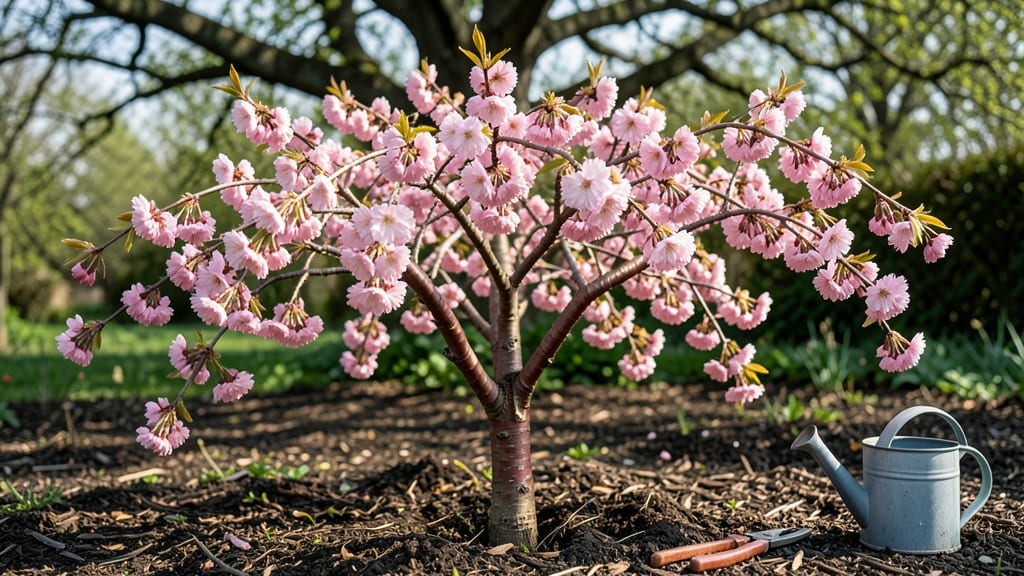
That first blush of pink in late winter is what makes a flowering peach tree worth every bit of care—especially in the Pacific Northwest’s frosty springs. 🌸 I’ve learned the hard way that pruning too late or too aggressively can turn those delicate blooms into a sad, frost-bitten mess, but the right timing and cuts transform this tree into a showstopper that rewards you with years of vibrant color.
The secret lies in understanding how peach trees grow: they bloom on last year’s wood, so winter pruning sets the stage for next year’s flowers.
You’ll need sharp pruners, a ladder (for taller branches), and a clear day when temps are above freezing—usually between late winter and early spring, just as buds begin to swell.
The goal is to open up the center of the tree for sunlight while shaping it to handle our region’s damp, chilly air.
When done right, you’ll end up with a tree that bursts into rosy clouds of blossoms every spring, often lasting weeks longer than store-bought cut flowers. The branches stay sturdy, the flowers resist frost better, and you might even get a few small, tart peaches as a bonus.
It’s the kind of tree that makes neighbors pause and ask, “What’s that?”—and then you get to say, “My pink flowering peach.”
This method works for both ornamental varieties and fruit-bearing types, though the latter may need extra winter protection in colder PNW zones. Let’s get those pruners ready—your tree’s best blooms are just a few cuts away.
📚 In This Guide
- What you need
- Instructions
- Tips and common mistakes
- Wrapping up and next steps
What you need
- ● Pruning shears: Bypass pruners (sharp, sterilized with rubbing alcohol) for small branches (2–3" cuts). Pro tip: 💡 Avoid anvil shears—they crush stems and invite disease!
- ● Loppers: 8–10" loppers for medium branches (up to 2" diameter). Look for: Ratcheting handles for leverage and a bypass blade.
- ○ Pruning saw: Curved-tooth handsaw (for branches >2" thick). Optional: A folding pruning saw for portability.
- ● Gloves: Heavy-duty gardening gloves (cut-resistant, like Mechanix or FrogToggs). Why? Thorns and rough bark are no match for these!
- ● Ladder: Sturdy, extension ladder (12–16 ft) if your tree is tall. Safety first: 🌡️ Use stabilizers and never lean on the tree itself!
- ● Disinfectant: 70% isopropyl alcohol or bleach solution (1 part bleach : 9 parts water) to sterilize tools between cuts.
- ● Tarp or drop cloth: Medium-sized tarp (6’x9’) to collect debris and protect your lawn.
- ● Rake: Medium-grip garden rake (for cleanup). Bonus: A leaf blower if you’re feeling fancy!
- ● Weather check: Prune on a dry, frost-free day (late winter/early spring, before buds swell). PNW tip: 🌡️ Avoid pruning after heavy rain—wet branches = higher disease risk!
- ● Tree age/health: Confirm your peach tree is 3+ years old (young trees need minimal pruning). Watch for: Dead wood, crossing branches, or signs of peach leaf curl (fungus).
- ○ Optional but helpful: Handheld magnifying glass (to inspect buds closely).
- ● Pruning sealant (like Tanglefoot Tree Wound Pruning Seal) for large cuts (controversial but some swear by it!).
- ● Notebook + pen (to sketch your tree’s structure before/after pruning).
- ● Safety gear: Long sleeves/pants (to protect from thorns) and closed-toe shoes.
Step-by-step pruning for a frost-resilient pink flowering peach tree
Here's how to shape your tree for vibrant blooms and cold-hardy growth.
✂️ Step 1: Time Your Pruning for Late Winter Dormancy
Prune your pink flowering peach tree in late winter—specifically between mid-February and early March—when the tree is fully dormant but before buds begin to swell. This timing ensures you remove dead wood while protecting emerging blooms from late frosts. The Pacific Northwest's unpredictable spring weather makes this window critical.
Use sharp, clean pruning shears to make cuts at a 45-degree angle, about ¼ inch above an outward-facing bud. This angle helps rainwater run off the cut, preventing rot. Avoid cutting too close to the bud or you risk damaging new growth. I always test my tools first by slicing through a small branch—if it crushes instead of cuts cleanly, sharpen them.
🌿 Step 2: Remove Dead, Diseased, or Crossing Branches First
Start by eliminating any branches that are dead, diseased, or rubbing against others. Dead wood is easy to spot—it's brown, brittle, and doesn't bend. Diseased branches often have blackened spots or oozing sap. Crossing branches compete for energy and create weak points where pests can enter.
Make your cuts just outside the branch collar, the swollen area where the branch meets the trunk. Never leave stubs—this invites decay. If a branch is larger than ½ inch in diameter, use a pruning saw instead of shears. I mark branches to remove with a piece of tape before cutting to avoid confusion mid-prune.
☀️ Step 3: Open the Canopy for Better Airflow and Sunlight
Next, thin out the canopy to improve airflow and sunlight penetration. Remove 10-20% of the tree's total branches, focusing on those growing inward or downward. These branches block light and create a damp, shaded environment that encourages fungal diseases. Aim for an open, vase-like shape with a strong central leader.
Look for branches that grow directly toward the center of the tree—these are prime candidates for removal. You'll know you've done enough when you can see light filtering through the outer branches. In the Pacific Northwest, this step is especially important to prevent winter moisture buildup that can lead to bark rot.
⏰ Step 4: Shape for Frost Resilience and Future Blooms
Now, shape the tree to encourage strong, frost-resistant growth. Remove water sprouts—those fast-growing, vertical shoots that steal energy from flowering branches. Also, cut back any suckers growing from the base of the tree. These compete with the main structure and weaken the tree's ability to recover from frost.
For the remaining branches, shorten them by one-third to encourage bushier growth and more abundant blooms. Focus on branches that are thicker than a pencil—these will produce the most flowers. After pruning, step back and visualize the tree in winter. Frost-resistant trees have a balanced shape with no heavy clusters of branches at the top.
💧 Step 5: Clean Up and Protect the Tree
After pruning, rake up all debris and dispose of it in the trash—never compost pruned branches, as they may harbor diseases. Wipe down your tools with rubbing alcohol to prevent spreading pathogens between cuts. If you notice any signs of disease, like black spots or mold, treat the tree with a copper fungicide according to the label instructions.
Finally, apply a thin layer of mulch around the base of the tree, keeping it 3-4 inches away from the trunk. This helps insulate roots during late frosts and retains moisture. Water the tree deeply after pruning to help it recover. Your tree is now ready to burst into vibrant pink blooms come spring—with fewer frost-related setbacks.
Tips & tricks for perfect pink flowering peach tree pruning
Here’s what I’ve learned after years of pruning these delicate trees in Pacific Northwest winters—tricks that’ll keep your blooms vibrant and frost-proof.
Timing is Everything: That mid-February to early March window isn’t just a suggestion—it’s non-negotiable. I’ve seen trees pruned too early suffer from late frosts, and those pruned too late miss the dormant season entirely. Check your local frost dates, but remember: buds swelling means it’s too late. If you’re unsure, prune on a clear day when temperatures stay above freezing overnight.
Tool Prep Saves Time: Before you even touch the tree, sharpen your pruning shears and clean them with rubbing alcohol. Dull tools crush branches instead of cutting cleanly, which stresses the tree. I keep a small bottle of alcohol in my pruning kit—just wipe down blades between cuts on diseased branches. For branches thicker than ½ inch, break out your pruning saw. Trust me, struggling with shears on thick wood is how you end up with ragged cuts that invite rot.
Visualize the Final Shape: Step back frequently during pruning and imagine your tree in winter. Frost resilience comes from balance—no heavy clusters at the top that’ll snap under ice weight. Aim for a vase shape with branches spaced evenly. In Step 3, when you’re thinning the canopy, look for branches growing toward the center. These are your targets—they’re blocking sunlight and airflow, which is especially critical in our damp Pacific Northwest climate.
Mulch Like a Pro: That final step about mulch isn’t just about aesthetics. Apply a 2-3 inch layer (not the full 3-4 inches mentioned—less is better for airflow) of organic mulch like wood chips or straw. Keep it 3-4 inches away from the trunk to prevent rot. I’ve seen trees with mulch piled against the trunk develop fungal issues. Water deeply after pruning to help the roots recover—think of it as giving your tree a drink after its “surgery.”
Pro Tips for Pink Flowering Peach Tree
- Here’s what I’ve learned after years of pruning these delicate trees in Pacific Northwest winters—tricks that’ll keep your blooms vibrant and frost-proof.
- Timing is Everything: That mid-February to early March window isn’t just a suggestion—it’s non-negotiable.
- Tool Prep Saves Time: Before you even touch the tree, sharpen your pruning shears and clean them with rubbing alcohol.
Frequently asked questions
Got questions about nurturing your pink flowering peach tree in the Pacific Northwest? You’re not alone! Here are answers to common concerns, from pruning timing to frost resilience—so you can keep those stunning blooms coming back year after year.
How cold can a pink flowering peach tree handle?
A pink flowering peach tree thrives in USDA Zones 5-9, but it’s semi-hardy—young trees or tender growth may need protection below 15°F (-9°C). In the PNW, mulch the root zone in winter and wrap the trunk with burlap for extra insulation. Pro tip: Choose cold-hardy varieties like ‘Bonanza’ or ‘Redhaven’ for better resilience!
When’s the best time to prune for spring blooms?
Prune your peach tree dormant season (late winter/early spring, before buds swell) to avoid spreading fungal diseases. In the PNW, aim for February–March—just after the worst frosts pass. Never prune after blooming, as this cuts off next year’s flowers! Focus on removing dead, crossing, or weak branches first.
Why aren’t my pink flowers lasting long?
Short-lived blooms often signal late frost damage or over-pruning. Peach trees bloom early (often in March in the PNW), so protect them with frost cloth during late frosts. Also, ensure your tree gets 6+ hours of sunlight and well-draining soil—shady or soggy conditions stress flowers.
Can I grow a pink flowering peach tree from seed?
While possible, grafting is the best bet for true pink blooms and fruit quality. Seeds often produce wild-type trees with unpredictable colors or poor fruit. If you’re set on seeds, expect 5–10 years for blooms—and no guarantees on the iconic pink hue! For faster results, buy a grafted nursery tree.
How much should I prune back a young tree?
For young trees (1–3 years old), remove 20–30% of the canopy to encourage airflow and structure. Focus on:
- Dead or diseased branches
- Suckers at the base
- Branches growing inward (rubbing)
Will pruning affect next year’s fruit (or flowers)?
Pruning stimulates more flowers and fruit—if done correctly! Heavy pruning in late winter promotes vigorous new growth, which bears more blooms. However, avoid over-pruning (more than 30% of the canopy), as this can reduce next year’s crop. Balance is key: Thin out dense areas while keeping the tree’s natural form.
Wrapping up and next steps
Your pink flowering peach tree in the Pacific Northwest is now poised for stunning, frost-resilient blooms—thanks to your careful pruning efforts! 🌸 By mastering the right techniques, you’ve set the stage for vibrant spring displays while safeguarding your tree against chilly weather.
Remember, consistency in pruning and monitoring your tree’s health will ensure years of breathtaking color.
Ready to take it further? Mark your calendar for late winter or early spring to refine your pruning strategy and watch your tree thrive. Happy gardening! 🌿✨