
Flowers
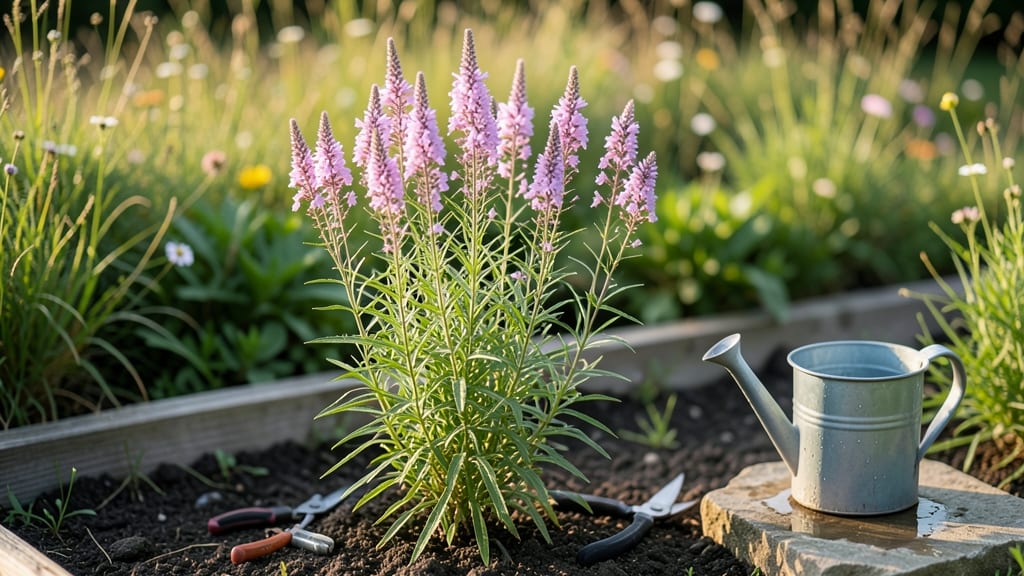
Pink verbena flowers bring a romantic touch to Pacific Northwest gardens with their delicate blooms and sweet fragrance. 🌸 I first fell for them while wandering through a Seattle cottage garden, where they spilled over trellises and tangled through borders like living lace.
Their ability to thrive in our cool summers makes them a standout for local gardeners.
Their versatility is what makes them special—plant them in containers for patio charm, weave them through borders for a soft edge, or let them climb small trellises for vertical drama.
Pair them with lavender for a soothing contrast or mix in with salvias for a pollinator magnet. In my own garden, they’ve become the glue that holds summer color together.
What you’ll love most is how effortlessly they perform. They bloom from early summer through fall, their pink clusters attracting butterflies while repelling pests naturally. The fragrance lingers in the evening air, turning any corner of your garden into a quiet retreat.
Their carefree nature means even busy gardeners can enjoy their beauty without fuss.
For cottage gardens, let them ramble freely; for structured beds, prune lightly after blooming to encourage fresh growth. In containers, they cascade beautifully with trailing plants like sweet potato vine. Whether you’re designing a pollinator paradise or simply adding charm to your space, pink verbena delivers year after year.
📚 In This Guide
- What you need
- Instructions
- Tips and common mistakes
- Wrapping up and next steps
What you need
- ● Pink verbena seeds or young plants: Choose disease-resistant varieties suited for zones 7-10 (PNW-friendly options like Glandularia pulchella or Verbena bonariensis). Pro tip: Start seeds indoors 6-8 weeks before last frost or buy nursery starts!
- ● Well-draining potting mix: 1-2 gallons per plant (or a 10-15 gallon container for multiple plants). Mix in perlite or sand (20% volume) to improve drainage.
- ● Containers or garden bed: For containers: 5-7" pots (minimum 1 gallon capacity) with drainage holes. Use 2-3 plants per 12" pot.
- ● For in-ground planting: Full sun spot (6+ hours daily) with loose, sandy soil (amend clay soil with compost).
- ● Balanced fertilizer (10-10-10 or 5-10-10): 1 tbsp per plant at planting, then monthly during blooming season.
- ● Mulch: 1-2" layer of shredded bark or straw to retain moisture and suppress weeds.
- ● Gloves & knee pads: For comfortable handling (especially if planting in beds).
- ● Trowel or small shovel: For transplanting seedlings or digging holes (6" deep, twice as wide as root ball).
- ● Watering can or hose with gentle spray nozzle: Verbena dislikes soggy roots—water deeply but infrequently (1-2 times/week once established).
- ○ Pruning shears: Optional but helpful for deadheading spent blooms (encourages more flowers!).
- ○ Spray bottle (optional): For misting seedlings if starting indoors.
- ● Cold protection: If planting in early spring, cover young plants with frost cloth (30°F tolerance max).
- ○ Rain shelter (optional): Overhead coverage during heavy PNW rains to prevent fungal issues.
How to grow and maintain lush pink verbena vines
Here's my go-to method for coaxing vibrant pink blooms from verbena—tested in Pacific Northwest climates.
🌱 Step 1: Choose the Right Location and Prepare Soil
Verbena thrives in full sun—at least 6 hours daily—but in hot afternoons, afternoon shade prevents scorching. Here, I plant mine where they get morning sun and afternoon dappled light from nearby trees. The Pacific Northwest’s cool summers make this ideal.
Amend your soil with 2-3 inches of compost mixed into the top 6 inches of soil. Verbena prefers well-draining, slightly acidic soil (pH 6.0-7.0). If your soil is heavy clay, add 1 part perlite or coarse sand to 3 parts garden soil to improve drainage—verbena will thank you with fewer root rot issues.
Dig a hole twice as wide as the root ball but only as deep as the container it came in. Loosen the roots gently if they’re circling, then place the plant in and backfill with native soil. Water deeply to settle everything—you’ll know it’s right when the soil surface looks slightly damp but not glistening.
☀️ Step 2: Water and Fertilize for Continuous Blooms
Water verbena deeply once a week during the first month to establish roots, then every 5-7 days afterward. The Pacific Northwest’s frequent cloud cover means you’ll water less often than in hotter climates. Let the top 1-2 inches of soil dry out between waterings—verbena hates soggy roots but also won’t tolerate drought.
Feed with a balanced liquid fertilizer (10-10-10) every 4-6 weeks starting in early spring. I switch to a low-nitrogen, high-phosphorus formula (5-10-5) when buds form to encourage more blooms. Stop fertilizing in late summer to let the plant prepare for winter. Over-fertilizing leads to lush foliage but fewer flowers—that’s the last thing you want with verbena.
Watch for wilting in late afternoon heat. If leaves droop but bounce back in the morning, your watering’s spot-on. If they stay wilted, increase water slightly or provide afternoon shade temporarily.
✂️ Step 3: Prune for Bushier Growth and More Flowers
Pinch back the tips of new growth when stems reach 4-6 inches tall to encourage branching. This is the secret to those lush, bushy verbena plants you see in gardens. Without pruning, verbena grows leggy and sparse. I do this in early spring and again after the first flush of blooms to promote a second round.
Deadhead spent flowers weekly by snipping the stem just above a set of leaves. This redirects the plant’s energy into producing more blooms instead of setting seed. You’ll notice new buds forming within 7-10 days of deadheading—it’s like magic. Just avoid cutting into old wood, or you’ll stunt new growth.
In late fall, cut back stems by one-third to tidy the plant and remove any diseased or damaged growth. This also helps prevent winter rot. Mulch around the base with 2-3 inches of shredded bark to insulate roots during our cool, wet winters.
🪴 Step 4: Overwinter and Protect for Next Season
Verbena is semi-evergreen in mild Pacific Northwest winters, but a blanket of 4-6 inches of mulch (like straw or leaves) protects roots from freezing. I also wrap young plants in burlap if temperatures dip below 20°F—this prevents frost damage to tender stems. In colder microclimates, you might need to dig up potted verbena and store it in a cool, dark place until spring.
Prune back any frozen or blackened stems in early spring before new growth starts. Verbena is surprisingly resilient—even if it looks sad in winter, it often bounces back with vigorous new shoots. Water sparingly in winter unless we have an unusually dry spell, as roots stay dormant.
Here’s the thing—verbena grows fast, so I check for pests like aphids or spider mites every 2 weeks in summer. A strong spray of water usually knocks them off, but if infestations persist, neem oil does the trick without harming pollinators. Healthy verbena rarely has pest problems, so focus on proper watering and pruning first.
Tips & tricks for growing vibrant pink verbena vines
Real talk: These little tricks have saved my verbena from multiple near-death experiences—here's what I've learned after years of trial and error.
Sunlight Strategy: The Pacific Northwest's cloud cover can trick you into thinking your verbena isn't getting enough sun. Test your location first by placing a white plate where you plan to plant—if it stays cool to the touch even on sunny days, you'll need to supplement with a portable grow light for 2-3 hours daily during winter months. That 6 hours of sun requirement is non-negotiable for those signature pink blooms.
Soil Test Tip: Don't guess about your soil's pH—pick up a cheap test kit from your garden center. Verbena's sweet spot is 6.0-7.0, and our Pacific Northwest soils often run more acidic. If your test shows lower than 6.0, mix in some crushed limestone (about 1/2 cup per hole) when planting. The difference in bloom quantity is night and day.
Watering Watch: I learned this the hard way after losing two plants to root rot—verbena's tolerance for drought doesn't mean you should neglect watering. The key is that top 1-2 inches of soil drying out between waterings. Stick your finger in the soil at the same time each week to check. Morning watering is best to prevent fungal issues from evening moisture.
Pruning Payoff: That weekly deadheading might seem tedious, but it's the secret weapon for non-stop blooms. I keep a pair of clean scissors by my garden hose for quick snips after watering. When you see those first new buds forming 7-10 days later, you'll understand why this step is worth the effort—it's like getting a second plant for free!
Pro Tips for Pink Verbena Flower
- Real talk: These little tricks have saved my verbena from multiple near-death experiences—here's what I've learned after years of trial and error.
- Sunlight Strategy: The Pacific Northwest's cloud cover can trick you into thinking your verbena isn't getting enough sun.
- Soil Test Tip: Don't guess about your soil's pH—pick up a cheap test kit from your garden center.
Frequently asked questions
Got questions about growing and caring for pink verbena flowers? You’re not alone—these fragrant vines are stunning but come with unique needs. Here are answers to the most common queries from Pacific Northwest gardeners!
When is the best time to plant pink verbena in the PNW?
Plant pink verbena in early spring (March–April) after the last frost, or in late summer (August–September) for a fall bloom. The PNW’s mild winters let you try fall planting, but avoid late-season cold snaps—these vines are tender perennials and may not survive frost. For containers, you can also start seeds indoors 6–8 weeks before the last frost.
How often should I water pink verbena, especially in rainy PNW?
While the PNW’s damp climate helps, pink verbena hates soggy roots. Water deeply 1–2 times per week (more in summer heat), ensuring the soil drains well. Mulch around the base to retain moisture without suffocating roots. If leaves yellow or wilt, you’re likely overwatering—let the top inch of soil dry out between waterings.
Should I prune pink verbena, and how?
Yes! Prune in early spring to shape the vine and encourage bushier growth. Trim back 1/3 of the plant and remove any dead or leggy stems. For continuous blooms, deadhead spent flowers regularly. Avoid heavy pruning in fall—it may stress the plant before winter. Pro tip: Wear gloves—verbena leaves can be prickly!
What pests or diseases should I watch for with pink verbena?
The biggest threats are aphids, spider mites, and whiteflies, which thrive in dry conditions. Spray with neem oil or insecticidal soap if you spot sticky residue or tiny webs. Powdery mildew can occur in humid PNW summers—improve airflow and avoid overhead watering. Resistant varieties like Verbena bonariensis are less prone to issues, but monitor regularly for early signs.
Can I grow pink verbena in containers, and what’s the best setup?
Pink verbena thrives in 5–7 gallon containers with well-draining soil (mix potting soil with perlite or sand). Use a pot with drainage holes and place it in full sun (6+ hours/day). For small spaces, dwarf varieties like Verbena ‘Homestead Purple’ work well. Rotate containers occasionally to ensure even growth—these vines can get top-heavy!
Why isn’t my pink verbena flowering?
Lack of blooms often means too much shade, over-fertilizing (especially with high nitrogen), or not enough sunlight. Ensure your plant gets 6+ hours of sun daily and use a balanced, low-nitrogen fertilizer (like 5-10-10) in spring. If the plant is leggy, it’s stretching for light—trim and relocate to a sunnier spot. Pro tip: Pinch back new growth in spring to encourage flowering.
Wrapping up and next steps
From their delicate pink blooms to their hardy resilience in the Pacific Northwest’s climate, pink verbena flowers are a dream for gardeners seeking beauty, fragrance, and low-maintenance charm.
Whether you’re drawn to their vibrant colors, their ability to attract pollinators, or their versatility in containers and borders, these fragrant vines are a fantastic addition to any garden. 🌸
Ready to bring a touch of elegance to your outdoor space? Start by selecting the perfect variety for your garden’s conditions, then gather your supplies and follow the steps to nurture these stunning plants.
Before you know it, your garden will be alive with color, scent, and life—one pink verbena bloom at a time! 🌿